REVIEW · KATHMANDU
Everest Basecamp Trek: 14 days
Book on Viator →Operated by Iconic Holiday Nepal · Bookable on Viator
Flying to Lukla is the wake-up call.
This 14-day Everest Base Camp trek from Kathmandu is interesting because you get round-trip flights to Lukla and a built-in Namche acclimatization plan instead of rushing straight upward. I also like that it’s run by a government-licensed, English-speaking guide who’s first-aid trained, plus you’re supported by a porter system (1 porter for every 2 clients).
One drawback to consider is the trek’s altitude and the route pacing: you’ll spend long days hiking, and the Lukla airport is described as one of the most dangerous in its setting. If you’re not prepared for cold, thin air, and some rough walking days, you’ll feel it fast.
In This Review
- Key Things That Make This Everest Basecamp Trek Click
- Price and Logistics: What You’re Really Buying for $1,650
- Kathmandu Arrival in Thamel: Get Your Legs Used to Roads
- Lukla Flight Day: Short Hop, Big Feelings
- Phakding to Namche Bazaar: Bridges, Climb, and Altitude Prep
- Namche Rest Day and Syangboche Hike: Trading Speed for Safety
- Tengboche and the Dudh Kosi Route: Monastery Views and Real Terrain
- Tengboche Gompa: Morning Rituals Before You Descend
- Nangkartshang Peak Day: A Short Acclimatization Push
- Dingboche to Dughla: Getting Closer Along the Glacial Route
- Everest Base Camp Day: From Lobuche to Gorka Shep
- Kala Patthar Sunrise: Where the Timing Matters
- The Return Down: Namche, Forest Paths, and Dudh Koshi River Crossings
- Fly Back to Kathmandu: A Different Kind of High
- What’s Included (and What You’ll Need to Sort Yourself)
- Who This Trek Suits Best
- Should You Book This Everest Basecamp Trek?
- FAQ
- How long is the Everest Basecamp trek?
- Where does the tour start and end?
- Is Kathmandu pickup included?
- Are the Lukla flights included?
- Is a guide included?
- Are permits included?
- What lodging is included during the trek?
- What meals are included?
- Do porters carry your luggage?
- What fitness level do you need?
- How many days can I cancel for a full refund?
Key Things That Make This Everest Basecamp Trek Click
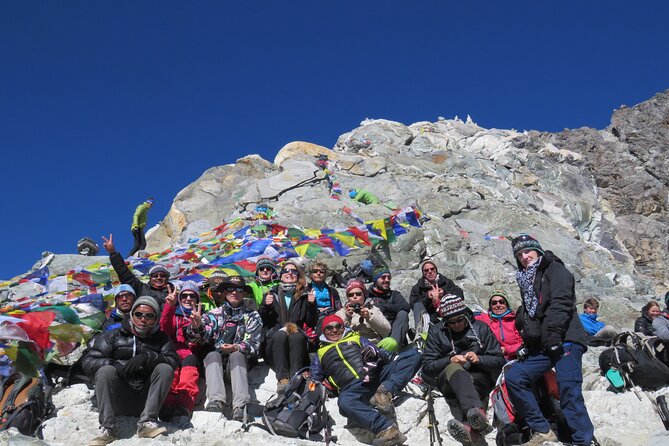
- Included Lukla airfare saves the headache and cost of sorting flights on your own
- Acclimatization built in with rest days and hikes around Namche and early high camps
- Porter support (1 per 2 clients) helps you hike farther with less fatigue
- Permits covered so you can focus on training and packing, not paperwork
- Kala Patthar sunrise gives you a timed shot at the closest Everest panorama
- Guesthouse lodging model keeps you fed and sleeping on the same rhythm each night
Price and Logistics: What You’re Really Buying for $1,650
At $1,650 per person, this trek isn’t cheap, but the price looks more sensible once you tally what’s handled for you. You’re paying for the big-ticket pieces that usually break independent plans: permits, round-trip Kathmandu–Lukla airfare, guided hiking support, and lodging along the route.
You’re also not living on “maybe” logistics. The tour includes private transportation and all airport transfers on a tourist vehicle, plus pickup in Kathmandu tied to your arrival day and a drop to the airport when you leave. The tour is private in the sense that you won’t be mixed into random groups, though group discounts may exist depending on the booking setup.
What’s not included is also important for your budget. Kathmandu meals (lunch and dinner), any beverages, and bottled/boiled water are on you. Travel insurance with high-altitude emergency evacuation coverage isn’t included either, and that’s a category you should treat as non-optional if your plan includes trekking at altitude.
You can also read our reviews of more hiking tours in Kathmandu
Kathmandu Arrival in Thamel: Get Your Legs Used to Roads
Day 1 is all about landing and settling in. You’ll arrive at Tribhuvan International Airport, then the tour team meets you in the terminal area with a sign showing your name and their company name, before transferring you to Thamel. Thamel is central Kathmandu, full of hotels, restaurants, travel shops, and nightlife—handy if you want to buy last-minute gear or just find a comfortable place to eat without stress.
You also get about half a day to breathe. One of the smartest ways to use this is simple: confirm your packing, hydrate, and do a low-pressure walk around the neighborhood so you don’t feel stiff on Day 2.
You’re sleeping in a tourist standard hotel in Kathmandu for 2 nights, twin-sharing, with breakfast included.
Lukla Flight Day: Short Hop, Big Feelings
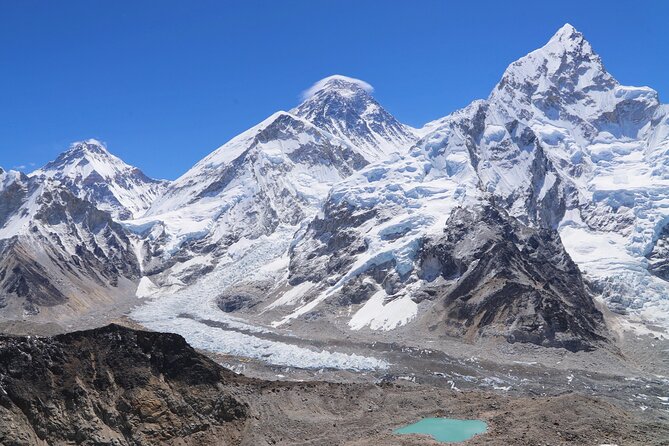
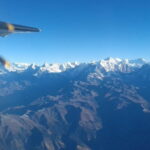
Day 2 is the big transition: an early morning flight to Lukla. The exact departure airport can be Kathmandu or Manthali depending on flight status, but either way, you’ll fly in for the trek start. This is the part where your trip goes from “vacation” to “adventure” in about 30 minutes. The description highlights the flight as breathtaking, and it’s easy to understand why: you’re moving from the city into the Khumbu region fast.
Also, this is the day to respect reality. Lukla Airport is described as one of the most dangerous due to its landscape, and it’s busy in trekking season. That means weather and scheduling matter. You can’t control that, but you can control your calm: keep a flexible mindset, and don’t over-plan anything for right after landing.
Phakding to Namche Bazaar: Bridges, Climb, and Altitude Prep
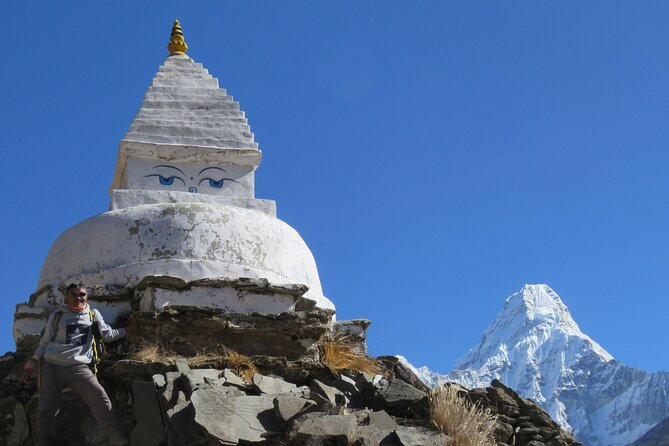
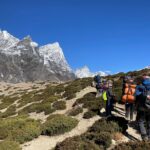
Day 3 starts the trekking pattern properly. You begin from Phakding and head toward Namche Bazaar, walking uphill and crossing suspension bridges, with settlement areas along the way. It’s not presented as a walk in the park—this is a tough section in the trek’s early stage—so it’s a great day for pacing yourself instead of trying to “win.”
You’ll then reach Namche Bazaar, which is framed as one of the more modern hubs in the Khumbu region. Expect hotels, restaurants, and tea houses. Most importantly, Namche is where the trek starts taking altitude seriously. You don’t just sleep and leave—you stay for 2 days for acclimatization.
That’s one of the tour’s big practical strengths: it gives your body time to adjust rather than stacking too much elevation too quickly.
Namche Rest Day and Syangboche Hike: Trading Speed for Safety
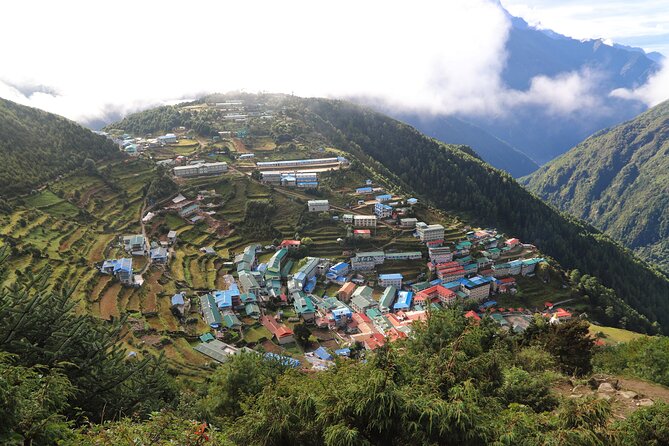
Day 4 is your acclimatization day in Namche. You’ll rest today, which sounds boring until you realize it’s doing real work. The itinerary is explicit: because altitude rises over the last two days, acclimatization days are crucial for safe travel.
Then you get a structured way to stay active: a hike early in the morning to Syangboch, timed as about a 6-hour outing. You get the benefit of moving and seeing more without the “slog” feel of a long elevation push.
For me, this is exactly how you want your Everest trek designed. Your goal isn’t only to reach Base Camp; it’s to arrive with enough energy to enjoy what you came for.
Tengboche and the Dudh Kosi Route: Monastery Views and Real Terrain
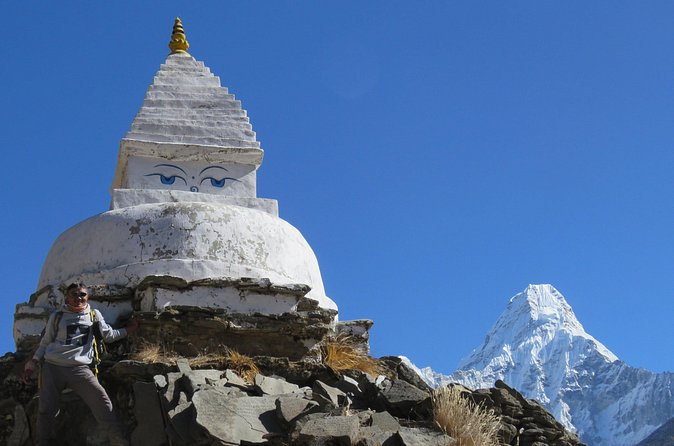
Day 5 moves you toward Tengboche. The route is described as impressive, with an initial descent toward the Dudh Kosi Valley before you climb again. You’ll pass through areas like Phungi Thanka and walk past the Imja Khola as you keep ascending. That combination—down, then up—means your legs get both relief and then a new challenge.
Then you reach Tengboche village. Even if you don’t treat spiritual sights as a “must,” this stop matters because it’s a classic Khumbu waypoint. Expect the kind of place where you can pause, regroup, and reset your pace for the next days.
Tengboche Gompa: Morning Rituals Before You Descend
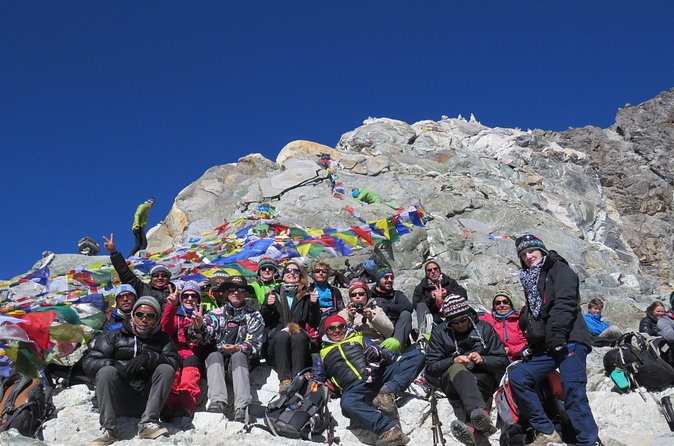
Day 6 starts early with time to explore the Tengboche monastery. That’s about setting your rhythm: calm morning, breakfast, then you move on. After that, the itinerary shifts to a descent and river crossing pattern. You’ll descend to the Imja River, trek through Pangboche village, and continue alongside fluttering prayer flags.
Even without getting overly detailed about the religious aspects, this day gives you a nice change of scenery and a break from constant uphill strain. You’re still hiking, but the structure feels like a “move with intention” day instead of a forced march.
Nangkartshang Peak Day: A Short Acclimatization Push
Day 7 is another acclimatization-oriented stop after your time in Namche. The trek includes a rest day here too, emphasizing how essential adaptation is to prevent altitude sickness as you move higher.
Then you have a shorter activity: a hike to Nangkartshang Peak, listed as about 1 hour. Think of it as a controlled dose of altitude exposure, not a major summit effort.
This is the kind of planning that helps you avoid the common mistake of doing everything hard every day. You’ll still work, but you’re not constantly guessing how your body will react.
Dingboche to Dughla: Getting Closer Along the Glacial Route
Day 8 heads from Dingboche, leaving behind village edges and moving through bare fields. The trail gradually turns steeper, and you’ll hike to Dughla via a glacial route.
This is one of those days where the setting changes. You’re not just climbing through “a normal trail”—you’re entering a more stark, high-altitude travel zone. The description points to a gradual steepening and a route tied to glacial terrain, which usually means you feel the cold more and the ground becomes more demanding.
The upside: you’re finally moving into the part of the trek that feels unmistakably Everest.
Everest Base Camp Day: From Lobuche to Gorka Shep
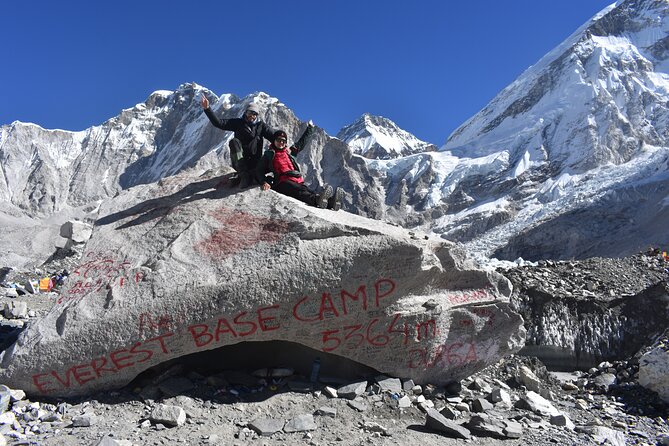
Day 9 is the big goal day. You’ll trek to Everest Base Camp, but the route is described with steps that build anticipation. Starting from Lobuche, you ascend steeply along the Khumbu glacier and reach Gorka Shep, which is described as the old base camp site for Mt. Everest.
Then you continue to arrive at Everest Base Camp. It’s framed as a final push after a glacier section, and that matters: you don’t stroll into Base Camp feeling fresh. You’ll earn it.
Once you’re there, you’ll have the satisfaction of standing at the far end of a long, structured climb—without having to guess your way through camps or logistics.
Kala Patthar Sunrise: Where the Timing Matters
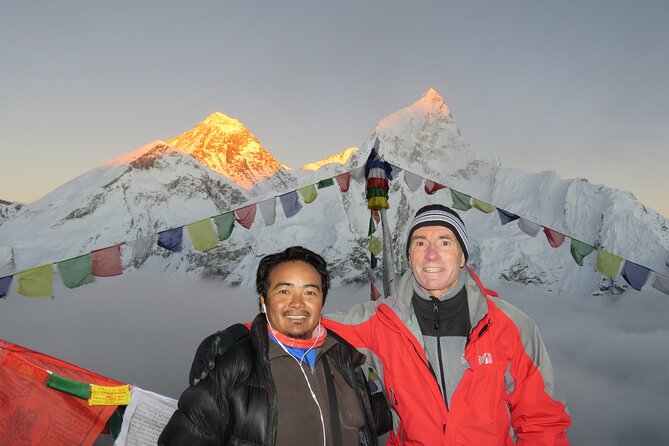
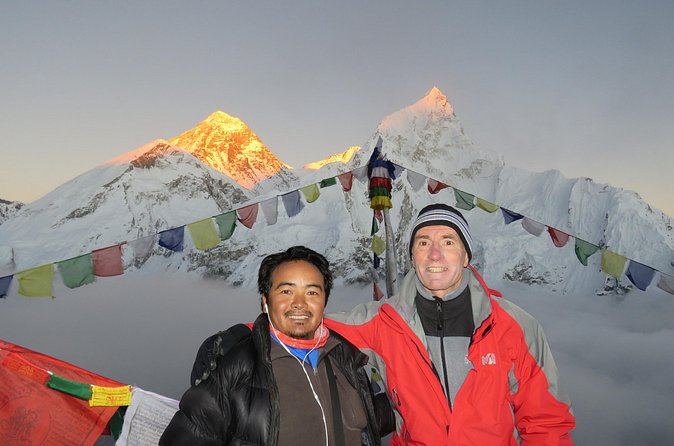
If Everest Base Camp is the main stamp in the passport, Kala Patthar is the view ticket. Day 10 is a hike to Kala Patthar before sunrise to see the nearest Everest panorama. It’s above Gorak Shep, and it’s described as famous for offering a breathtaking mountain panorama.
This day is about effort at an inconvenient hour. You’ll likely feel that “sleepy and cold” feeling, then suddenly everything snaps into focus as the sky changes. The tour doesn’t waste time here; it treats Kala Patthar as the moment you planned the whole trip around.
Practical note: sunrise hikes are when you’ll most appreciate having done your acclimatization days. If you rushed earlier, this day could feel like punishment. With the slower pacing built into this itinerary, it’s more manageable.
The Return Down: Namche, Forest Paths, and Dudh Koshi River Crossings
Day 11 starts the downhill process back toward Namche. You’ll move down along the trail you took earlier, passing through Pangboche and Tengboche village areas, and cross a suspension bridge as you enter. The key point is you’re still hiking, just with different muscle demands. Downhill is often harder on the knees than uphill is on the lungs.
Day 12 continues the descent from Namche: you’ll steeply descend first, then the trail joins a densely forested path through small settlements. You’ll cross the Dudh Koshi River multiple times on suspension bridges.
This is the day where you feel the Khumbu region’s rhythm again—more greenery, villages, and repeated crossings. It’s also a day to stay careful. River crossings mean you’re looking at footing more than scenery at times. Slow steps win.
Fly Back to Kathmandu: A Different Kind of High
Day 13 ends the trekking with a morning flight back to Kathmandu. The itinerary emphasizes the flight as phenomenal, with enchanting aerial views. That’s the relief: you’ll stop carrying your day-to-day trekking burden and shift back into normal life.
When you land, the team drops you at the hotel in Kathmandu. Day 14 is departure time for your next destination, with a representative dropping you at the airport based on your departure schedule.
It’s a neat ending because you’re not left hanging in transition. You get a clear finish line and a clean return to city routines.
What’s Included (and What You’ll Need to Sort Yourself)
Here’s the core support you’re paying for, in plain terms:
Included:
- Permits
- Round-trip airfare Kathmandu–Lukla
- Accommodation: 2 nights in Kathmandu hotel (breakfast included), plus 11 nights twin-sharing guesthouse during the trek
- Guide support: experienced, government licensed, English-speaking, first-aid trained
- Porters: carry luggage at a ratio of 1 porter for every 2 clients
- Meals: breakfast daily (14), and dinner/lunch during the trek (dinner 11, lunch 11)
- Private transportation and airport transfers on tourist vehicles
- Private tour/activity setup
Not included:
- Meals (lunch and dinner) in Kathmandu
- Beverages, plus bottled/boiled water (so you’ll want a plan for hydration)
- Travel insurance, specifically with high-altitude emergency evacuation coverage
- Tips for trekking staff and driver
If you want to avoid last-minute stress, I’d budget for Kathmandu food after you come off the trail. It’s common to want a proper meal when you get back to town.
Also, bring the mindset that the trek provides structure, not everything. You’ll need to manage your own water and drinks, and you’ll want appropriate insurance even though the guide and first-aid readiness are built into the trip.
Who This Trek Suits Best
This plan is a strong fit if you:
- Want a guided, structured Everest Base Camp route with acclimatization days instead of a rushed schedule
- Like having most logistics handled (permits, flights, lodging, meals on trek days)
- Appreciate the porter setup and a clear hiking rhythm
It’s a tougher fit if you:
- Expect an easy walk every day
- Hate early mornings (Kala Patthar sunrise is non-negotiable in this plan)
- Don’t want to think about altitude risk and insurance responsibility
The itinerary asks for moderate physical fitness. You don’t need to be an ultra-athlete, but you do need to be ready for daily hiking time and real elevation.
Should You Book This Everest Basecamp Trek?
I’d book it if your priority is a well-managed route that gets you to Everest Base Camp and aims for the view moment at Kala Patthar sunrise, with a guide who’s properly licensed and trained, plus porter support that keeps your pack load reasonable.
I wouldn’t book it if you’re trying to do this as a fully independent trip, or if you’re not ready for the combination of altitude, early mornings, and the fact that the Lukla flight depends on real-world conditions. Also, if you don’t want to handle water/beverage costs and Kathmandu meal extras, plan ahead.
If you want the high payoff with fewer logistics headaches, this is built for you.
FAQ
How long is the Everest Basecamp trek?
The trek is listed as 14 days (approx.).
Where does the tour start and end?
It starts at Tribhuvan Airport in Kathmandu, Nepal, and ends with a drop at the airport in Kathmandu based on your departure time.
Is Kathmandu pickup included?
Yes. Pickup is offered, and the team also handles transfers on tourist vehicles for airport-related logistics.
Are the Lukla flights included?
Yes. Round-trip airfare between Kathmandu and Lukla is included.
Is a guide included?
Yes. You get an experienced, first-aid trained, government licensed, English-speaking trekking guide.
Are permits included?
Yes. Permits are included.
What lodging is included during the trek?
You’ll stay in twin-sharing guesthouses during the Everest region trek for 11 nights, plus 2 nights in a tourist standard hotel in Kathmandu with breakfast.
What meals are included?
Breakfast is included for 14 days, and lunch and dinner are included during the trek (lunch 11, dinner 11). Lunch and dinner in Kathmandu are not included.
Do porters carry your luggage?
Yes. Porters are included, with a ratio of 1 porter for every 2 clients.
What fitness level do you need?
The tour notes a moderate physical fitness level.
How many days can I cancel for a full refund?
You can cancel up to 24 hours in advance for a full refund.