REVIEW · POKHARA
Kathmandu: 10-Day Annapurna Circuit Trek via Thorong La Pass
Book on GetYourGuide →Operated by MTA Trekking Pvt. Ltd. · Bookable on GetYourGuide
Thorong La is the punchline of this trek. This 10-day Annapurna Circuit route takes you up to Thorong La Pass (5,416m) and strings together Tibetan villages, big peaks, and hard-earned views across the Annapurna region. You also get real contact with mountain communities along the way, from Buddhist sites to everyday hospitality.
What I love: the way the itinerary eases you upward with acclimatization stops (especially around Manang) instead of just charging to the pass. What else I love: how the trekking plan is guided by experienced staff, with local government-registered support and leadership from guides such as Ganesh, Prakash, Chakra, and Ghanshyam in recent trips.
One caution: this is a high-altitude trek, and early starts plus cold nights can test you even if you’re fit. If you have respiratory issues or you’ve struggled with altitude before, you’ll want to think twice and talk to a medical professional.
In This Review
- Key things that make this Annapurna Circuit trek click
- Thorong La at 5,416m: what makes this trek feel different
- The value of a 10-day plan (and what $447 typically buys)
- Day 1: Kathmandu → Besisahar → Dharapani (7–8 hours by bus)
- Day 2: Dharapani → Chame (about 6 hours, up to 2,670m)
- Day 3: Chame → Upper Pisang (5–6 hours, up to 3,200m)
- Day 4: Upper Pisang → Manang (5–6 hours, up to 3,540m)
- Day 5: Acclimatization in Manang (max ~4,050m)
- Day 6: Manang → Yak Kharka (about 4 hours, max ~4,050m)
- Day 7: Yak Kharka → Thorong Phedi (4–5 hours, up to ~4,450m)
- Day 8: Thorong Phedi → Muktinath via Thorong La (7–8 hours, up to 5,416m)
- Day 9: Muktinath → Jomsom via Kagbeni (7–8 hours)
- Day 10: Jomsom → Pokhara by public bus (about 8 hours)
- Tea houses, meals, and staying comfortable without overpacking
- Guides and safety: the real difference-maker
- Who this trek suits best (and who should pass)
- Practical value check: is this the right “guided circuit” for you?
- Should you book this 10-day Annapurna Circuit trek?
- FAQ
- What is the highest point on this Annapurna Circuit trek?
- Where does the trek start and end?
- How long is the trek?
- Are permits included?
- What accommodations are included during the trek?
- Are meals included?
- What’s not included in the price?
- What language will the guide speak?
- What should I bring?
- Is alcohol allowed on the trek?
Key things that make this Annapurna Circuit trek click
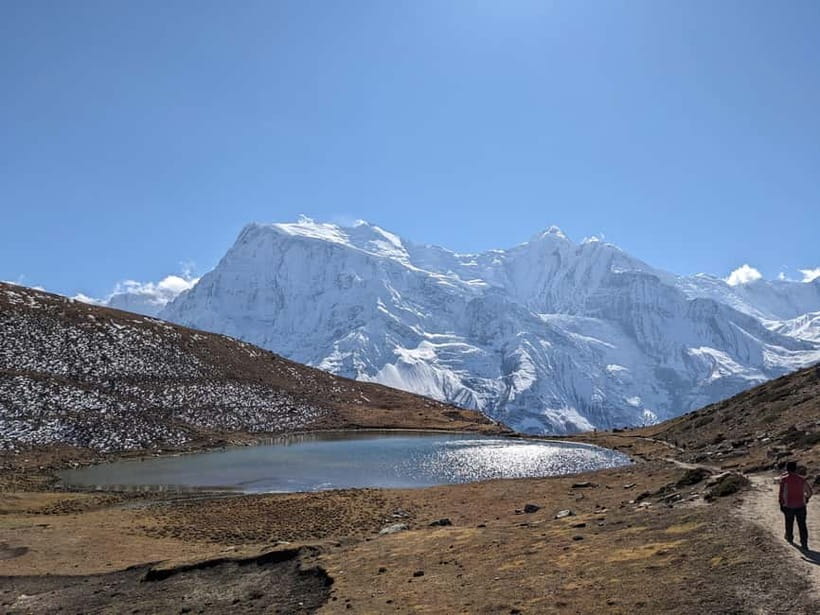
- Thorong La at 5,416m: the highest-feeling day, with big payoff views and a long, serious descents after.
- Manang acclimatization: you don’t just pass through—you gain time to adjust before pushing higher.
- Tea houses and lodge stays: simple comfort, included meals, and the chance to keep your day rhythm steady.
- Cultural stops in villages like Chame, Upper Pisang, and Manang: you’ll see how people live where altitude becomes normal.
- Local guidance that prioritizes pacing: multiple guides emphasized eating, hydration, warmth, and altitude-smart decisions.
- Logistics that reduce decision fatigue: transport between key towns is included, plus hotel pickup/drop-off.
Thorong La at 5,416m: what makes this trek feel different
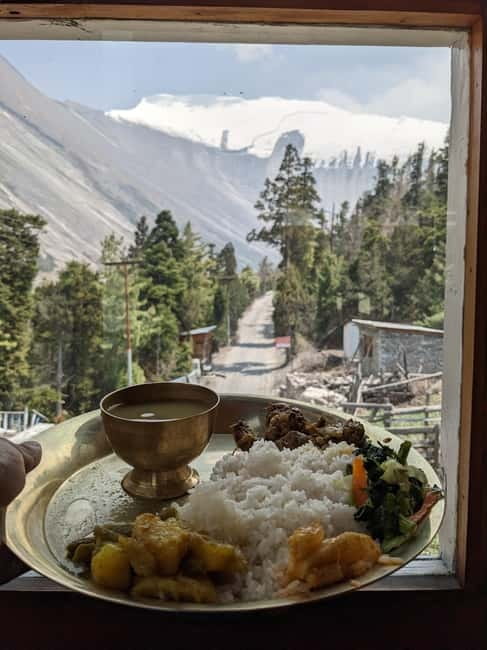
Most trekking routes have a “best day.” The Annapurna Circuit has a whole personality, but Thorong La Pass is the moment that puts a final shape on the trip. You’re walking through different climate zones, and that shows up in the way the air feels, the colors of the hills, and the kinds of villages you meet.
On this itinerary, you get a gradual build toward the pass. You start in lower elevations and slowly work your way up through places like Chame and Upper Pisang, then pause in Manang to catch your breath (and yes, catch your altitude). That matters because AMS—acute mountain sickness—is not a theoretical threat here. It’s part of the reality check, and the trek’s pacing is built around lowering your odds of being miserable.
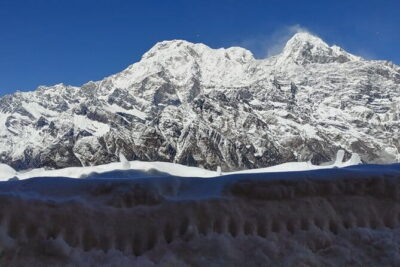
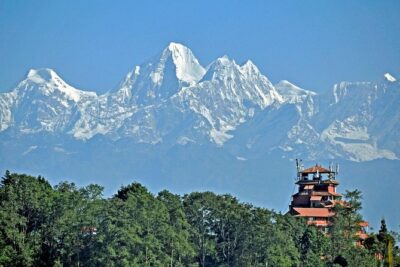
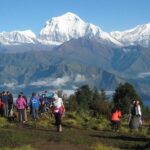
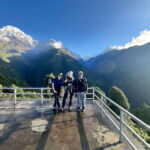
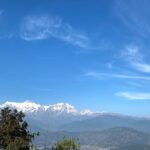
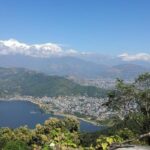
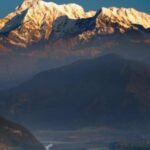
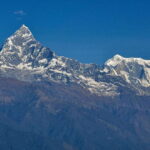
You’ll also get framing for the views as you climb. From higher points in the Manang area and on toward Thorong Phedi, the mountains you’ve heard about start turning into real targets—Annapurna peaks, Dhaulagiri in the wider picture, and the dramatic silhouette of Machapuchare.
You can also read our reviews of more hiking tours in Pokhara
The value of a 10-day plan (and what $447 typically buys)
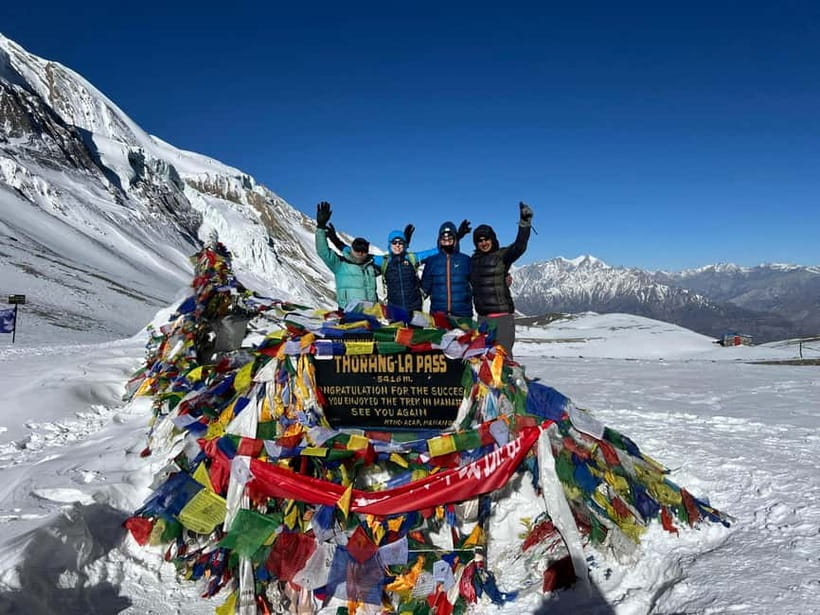
This trek runs 10 days, and the stated price is $447 per person. For that money, you’re not just buying a walking route. You’re buying structure: permits, food, lodging during the trek, and transport between the main stops.
Here’s the practical breakdown of what’s included:
- hotel pickup and drop-off in Kathmandu (Thamel area) and Pokhara (Lakeside area)
- trekking permits and TIMS card
- an experienced government-registered local guide
- tea-house/lodge accommodations during the trek
- all meals (breakfast, lunch, dinner) on trekking days
- transport between destinations, plus shared-jeep legs
- a night at Hotel Orchid in Pokhara after the trek
- a farewell dinner in Pokhara
- emergency rescue assistance
What’s not included is where your real personal planning happens: travel/medical insurance (including helicopter evacuation coverage up to about 5,400m), your Nepal visa fee, international flights, drinks, and personal expenses. You also still need to bring your own trekking shoes and warm layers.
If you’re comparing costs, remember this route demands time on the trail, guide support, and a steady chain of meals and rooms at altitude. When those pieces are bundled, you save mental energy—and you often avoid the budget trap of having to solve logistics every evening while you’re tired.
Day 1: Kathmandu → Besisahar → Dharapani (7–8 hours by bus)
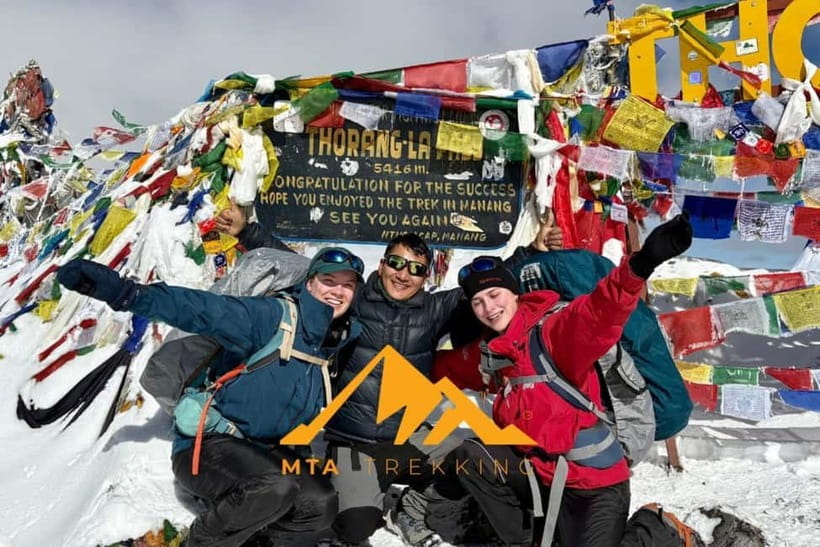
Your start day is mostly about getting out of Kathmandu and into the rhythm of the countryside. You travel by bus from Kathmandu to Besisahar for about 7–8 hours, then transfer by shared jeep to Dharapani.
Why this day matters: it’s your gentle timezone adjustment before you start climbing for real. You’ll see hills, forests, and rural scenery rather than peak views yet. If you tend to get motion-sick, pack for it—because you’ll feel every bump before you ever get to a view.
Practical tip: use the long ride to plan your packing system. By day 2, you’ll want your warm layer, water, and sun protection easy to grab.
Day 2: Dharapani → Chame (about 6 hours, up to 2,670m)
This is where the trek starts showing its “real trekking” side. You’ll hike from Dharapani to Chame, reaching a max altitude around 2,670m. The trail crosses through grassy fields with Annapurna II views, then moves through a Bhote (Buddhist) area with temples and village life in Bagarchhap.
Then you’re walking through oak and pine forest until you level out near Chame.
What’s special here: Chame often feels like the moment the route becomes purpose-built for trekkers and mountain living. It’s also a good day to practice “slow and steady” without turning it into a suffering contest.
What could be annoying: day 2 is long enough to make you feel it, but not high enough to numb you into complacency. If you go out too fast, you’ll pay for it later—especially when you start sleeping colder.
Day 3: Chame → Upper Pisang (5–6 hours, up to 3,200m)
Upper Pisang adds more altitude and more variety. You’ll trek for about 5–6 hours, with a max altitude around 3,200m. Expect apple orchard scenery, plus classic uphill-then-descend movement as you work toward the Bhratang Valley and onward to Pisang/Upper Pisang.
Why you’ll like it: you’re getting a mix of agriculture and mountain culture. Instead of only feeling like you’re walking through wilderness, you’re seeing how people farm and trade at these elevations.
Possible drawback: if you’re slow to warm up in the morning, you’ll feel it here. Higher trails mean earlier chill. Plan to start bundled and shed layers as you climb.
Day 4: Upper Pisang → Manang (5–6 hours, up to 3,540m)
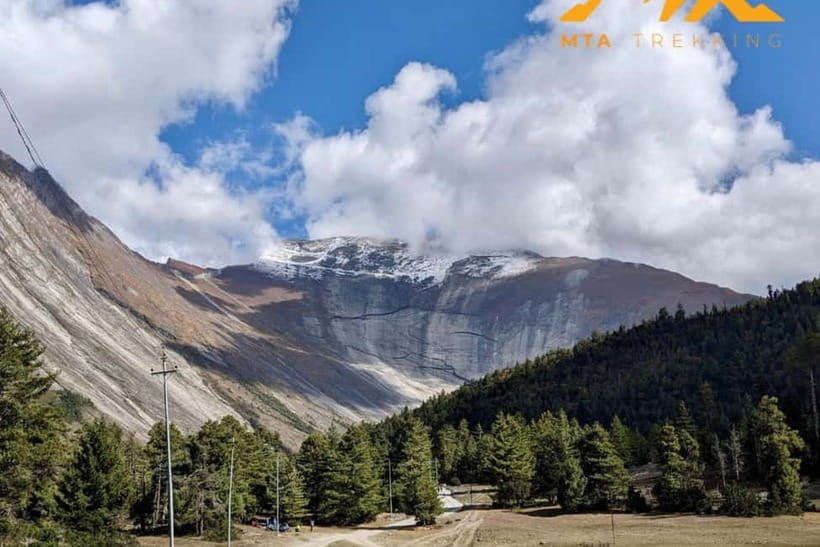
Today’s route pushes higher to around 3,540m and brings you into the Manang Valley area. You’ll cross the Marsyangdi River on a wooden bridge and pass through villages like Mungji and Braga.
The view list for this day is serious: Manang Valley, Tilicho Peak, Annapurna III and Annapurna IV.
Why Manang is a turning point: you’re not just walking from village to village now—you’re entering a place where altitude becomes the main event. That means your body care matters more: hydrate, eat consistently, and don’t treat “feeling tired” like a personality flaw.
What you might want to watch: fatigue tends to build through the afternoon. If your pace gets messy, you’ll get cold faster in the evening.
Day 5: Acclimatization in Manang (max ~4,050m)
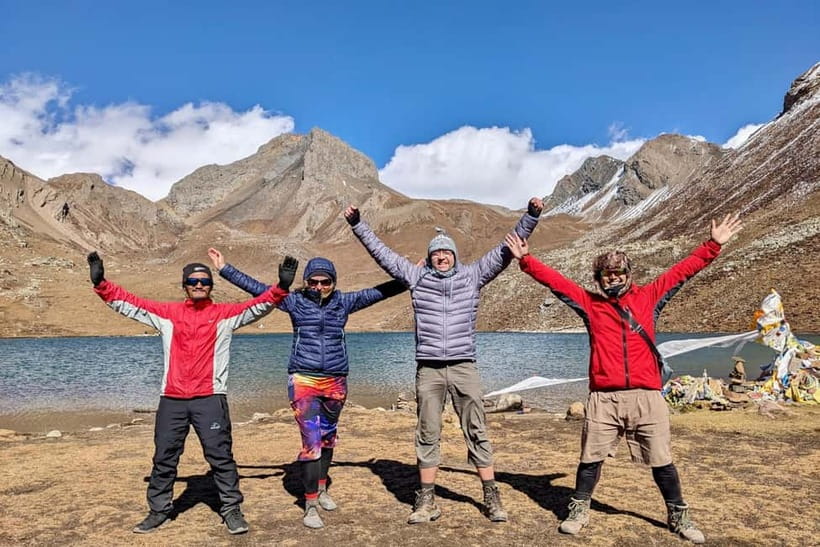
This is the day you’re really buying with this itinerary. You rest and acclimatize in Manang (up to about 4,050m). Instead of just resting in a room, the plan includes optional day treks, such as reaching viewpoints around icefall areas or visiting locations tied to glaciers and lakes.
This is the day that turns a “tough trek” into a “manageable trek.” Multiple guides have emphasized acclimatization as part of staying safe—rest, hydration, and smarter food choices.
Why it’s valuable: the body adapts best when you give it time. You also get to explore Manang village and hike to a stupa as part of the included activities, so you’re not just doing altitude math. You’re also learning how the community lives, prays, and shares space in a high setting.
Day 6: Manang → Yak Kharka (about 4 hours, max ~4,050m)
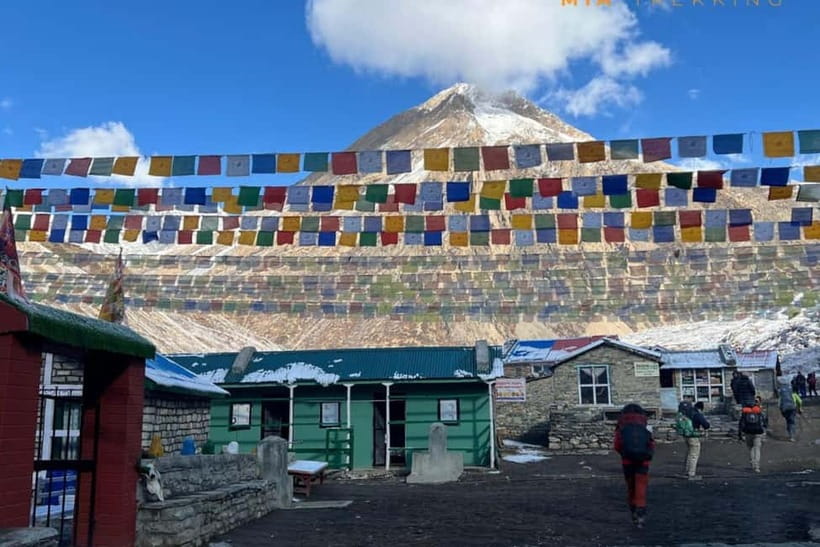
Today is shorter in distance, but altitude makes it harder. You trek from Manang to Yak Kharka (about 4 hours) with max altitude again around 4,050m.
This is where I’d encourage you to stop thinking in terms of kilometers and start thinking in terms of effort. Breathing becomes the limiting factor, not legs. Take small steps. Pause often. Don’t try to “win” the hike.
If you want to use a real-world mindset: one guide-style approach you’ll see from past experiences is staying disciplined with pacing, eating properly, and avoiding junk foods and heavy meats at higher altitude. That’s not just superstition. It helps some people feel better while acclimatizing.
Day 7: Yak Kharka → Thorong Phedi (4–5 hours, up to ~4,450m)
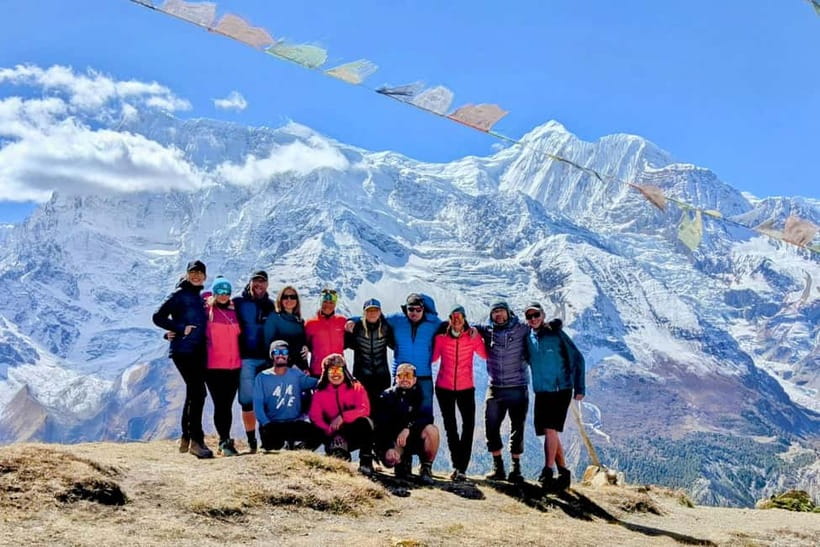
Now you’re moving into pre-pass terrain. You climb gradually to about 4,450m at Thorong Phedi. The route includes a descent toward the Marsyangdi headwaters, then a climb along the right bank, plus a crossing on a wooden bridge.
Why this day matters: it’s a rehearsal for the pass night. You’re getting used to thinner air, getting your packing and layers ready, and learning what your body needs when you’re tired.
Possible drawback: this is the day where people underestimate how cold it can get at camp. If your warm layer plan is weak, you’ll suffer unnecessarily.
Day 8: Thorong Phedi → Muktinath via Thorong La (7–8 hours, up to 5,416m)
This is your main challenge day: crossing Thorong La Pass at 5,416m. You’ll trek about 7–8 hours total and then descend toward Muktinath. The route brings you views over Mustang Valley and in the wider range, Dhaulagiri.
What it feels like (in practical terms): the pass crossing usually means very slow movement when you’re near the top. The goal is not speed; the goal is steady oxygen use. If you’re chasing breath, your steps shorten and your rhythm slows. That’s normal.
What makes this trek rewarding: the pass day is a payoff for all the earlier “non-glam” effort—forest walks, orchard scenery, Manang acclimatization. When you finally see the view from up there, it clicks.
Main consideration: early start fatigue is real. Even experienced hikers can get wiped out. If you have even mild altitude symptoms, tell your guide and follow their guidance.
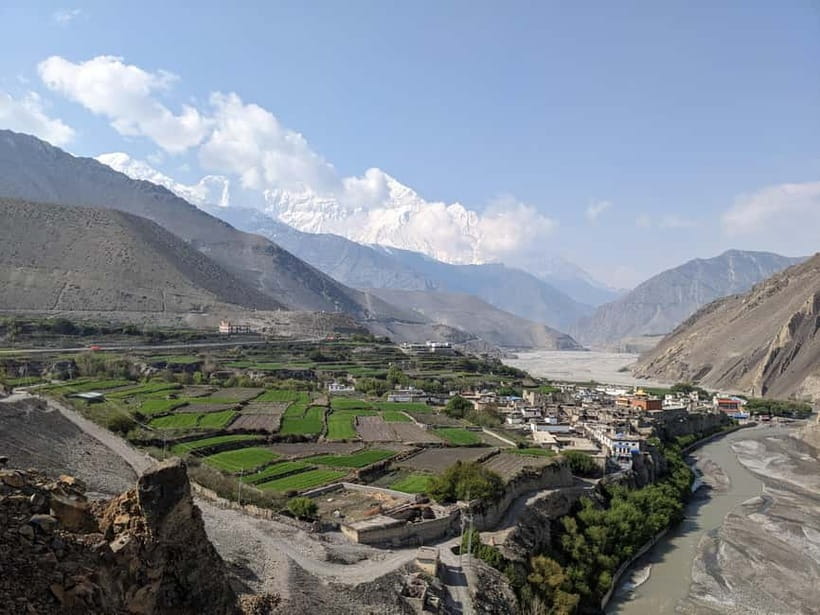
Day 9: Muktinath → Jomsom via Kagbeni (7–8 hours)
You’re off the highest pass zone now, but the day still takes time: about 7–8 hours trekking from Muktinath to Jomsom, with Kagbeni along the way.
Why Kagbeni is worth caring about: it’s known for its village style in the high desert feel, where architecture and community life look built for a harsher environment.
Also, this is your momentum day toward the end of the trek. You’ll likely feel a mix of satisfaction and restlessness. Don’t push too hard here; you still have a long bus day coming.
Day 10: Jomsom → Pokhara by public bus (about 8 hours)
You finish with a public bus ride back to Pokhara, around 8 hours. It’s not a gentle fantasy ride, but it’s a real travel moment. You trade mountain quiet for roads and traffic again.
What’s included: a night at Hotel Orchid in Pokhara right after the trek, plus a farewell dinner. That dinner matters more than it sounds. After days of simple meals and high-altitude energy management, you get one proper post-trek celebration meal.
Tea houses, meals, and staying comfortable without overpacking
The trek uses tea houses and lodges for accommodations, with all meals included during trekking days. That’s a big deal because buying food separately at altitude can turn into both hassle and cost.
What you should expect: rooms can be basic, especially higher up. The included plan still gives you a predictable place to sleep and eat, and the guides have a strong focus on keeping you warm and hydrated.
Your packing priorities for comfort are simple:
- warm clothing (especially for nights)
- long pants and a waterproof bag
- sunscreen and sunglasses
- hiking shoes that actually grip
Also remember what’s not allowed: alcohol and drugs. The trek staff generally takes altitude seriously, and that rule is part of keeping everyone safer.
Guides and safety: the real difference-maker
This trek is led by an experienced, government-registered local guide, and it’s a private group. Past trips also highlight specific names tied to excellent support: Ganesh, Prakash, Chakra, and Ghanshyam.
What these guides seem to do well, based on how they described their approach:
- build acclimatization into the day plan rather than rushing it
- keep you fed and hydrated
- encourage rest and smart pacing
- adapt routes to how the group is feeling
- keep you thinking about altitude safety, not just summit vibes
Safety note you shouldn’t skim: acute mountain sickness risk is explicitly part of the trek’s reality. The trek information strongly recommends insurance with medical coverage and helicopter evacuation up to around 5,400m. If you don’t have that, you’re taking on risk you could avoid.
Who this trek suits best (and who should pass)
This version of the Annapurna Circuit is best for adults who:
- can walk uphill for 4–8 hour days
- are okay with cold nights and high-altitude conditions
- can follow guide instructions on pacing and health
It’s not suitable for:
- children under 15
- people with altitude sickness
- people over 70
- people with respiratory issues
- pregnant women
If you’ve had altitude problems before, you’ll want to be extra careful. If you’ve never done high-altitude trekking, the Manang acclimatization day is a big reason to choose this plan over a faster one.
Practical value check: is this the right “guided circuit” for you?
If you hate logistics headaches, this plan is built for you. Transport is included between key towns, permits and TIMS are covered, meals are planned, and you get a guide who can help you make the right call when altitude hits.
If you’re the kind of hiker who loves total independence and you already have experience at high altitude, you might wonder what you’re paying for. But on a high pass trek, paying for support often buys you better decision-making and a smoother experience when conditions turn tricky.
One more value detail: because meals are included, you can focus on eating consistently rather than trying to negotiate food in a remote setting while you’re tired and breathless.
Should you book this 10-day Annapurna Circuit trek?
Book it if you want a high-profile trek with a smart altitude structure, guided support, and the comfort of included meals and lodging. It’s a strong choice for people who want the Thorong La moment without turning the trip into a self-managed survival project.
Skip it if you know you’re not comfortable with altitude risk, or you fall into the stated non-suitable groups. And if you’re tempted to treat the schedule like a checklist, don’t. This itinerary rewards patience. Take it slow, follow your guide’s cues, and let the mountains do the talking.
FAQ
What is the highest point on this Annapurna Circuit trek?
The itinerary crosses Thorong La Pass at 5,416 meters.
Where does the trek start and end?
It starts in Kathmandu and ends in Pokhara. On the final day you take public transportation from Jomsom to Pokhara.
How long is the trek?
The trek runs 10 days.
Are permits included?
Yes. Permits and the TIMS card are included.
What accommodations are included during the trek?
Accommodations in tea houses and lodges are included during the trekking days, plus one-night accommodation at Hotel Orchid in Pokhara after the trek.
Are meals included?
Yes. Breakfast, lunch, and dinner are included during the trek.
What’s not included in the price?
Soft and hard drinks, travel and rescue insurance, international flights and Nepal visa fee, personal expenses, and trekking gears are not included.
What language will the guide speak?
The tour includes a live guide in English and Hindi.
What should I bring?
You should bring warm clothing, change of clothes, long pants, a waterproof bag, sunscreen, passport or ID card, trekking gear, hiking shoes, and sunglasses.
Is alcohol allowed on the trek?
No. Alcohol and drugs are not allowed.