REVIEW · POKHARA
Annapurna Base Camp 7 Days Trek from Pokhara
Book on Viator →Operated by Pokhara Adventure Nepal (PAN) · Bookable on Viator
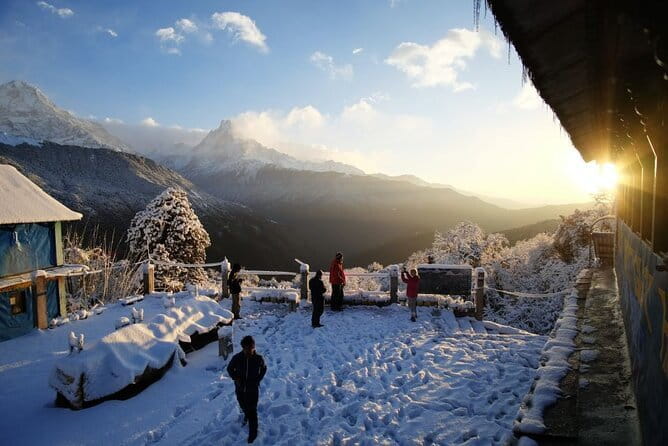
Seven days to stand at 4130m. This trek out of Pokhara is private, guided by an English-speaking team, and built for fewer hassles with permits and guest-house stays handled. I love the day-to-day variety, from village walks and terraced fields up through rhododendron and bamboo to the high, open feel near Annapurna Sanctuary. The main drawback to plan around is physical effort: it’s long uphill hiking and it’s not suitable for wheelchair users.
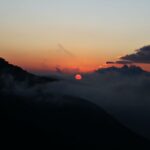
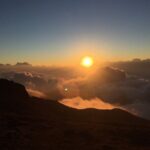
A big plus shows up in the feedback: guides like Ram and Krishna get repeated praise for being helpful and for helping you time the day so you can catch clear views, including a nice sunrise moment when conditions allow.
In This Review
- Key points worth knowing before you go
- Entering the Annapurna Base Camp circuit from Pokhara
- Day 1: Ghandruk for Gurung culture and first big views
- Day 2: Upper Sinuwa via Chhomrong for varied uphill effort
- Day 3: Bamboo and rhododendron forest toward Annapurna Sanctuary
- Day 4: Machhapuchhre Base Camp area to Annapurna Base Camp at 4,130m
- Day 5: Descend to Bamboo for recovery and forest calm
- Day 6: Chhomrong ridge and Jhinu Danda descent rhythm
- Day 7: Back to Pokhara Lakeside via Samrung Khola jeep
- Price and what $435 actually buys you
- What the praised guides do differently (Ram and Krishna)
- Who should book this trek—and who should skip it
- Should you book this Annapurna Base Camp trek?
- FAQ
- FAQ
- What does the trip price include?
- Where does the trek start and end?
- How long is the trek, and how much will I walk each day?
- Is pickup offered?
- Are permits included?
- Do I need to send passport details before the trek?
- Is this tour private?
- Is wheelchair access available?
- What’s included for lodging?
- What’s not included in the price?
- How flexible is cancellation?
Key points worth knowing before you go
- Private trek for your group with an English-speaking guide, so you’re not shuffled around.
- Permits and TIMS card included, plus guest-house accommodation on the trail.
- Classic Gurung village route through Ghandruk and Chhomrong—culture and views in the same day.
- Annapurna Base Camp at 4,130m with a serious uphill day from around Machhapuchhre Base Camp (about 3,900m).
- Downhill recovery is built in: you return to Bamboo before finishing with a final descent to the Samrung Khola area.
Entering the Annapurna Base Camp circuit from Pokhara
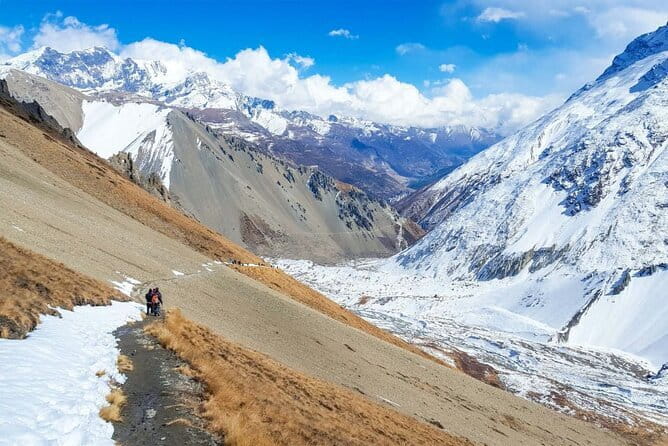
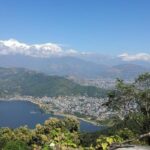
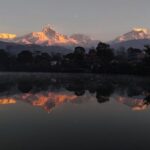
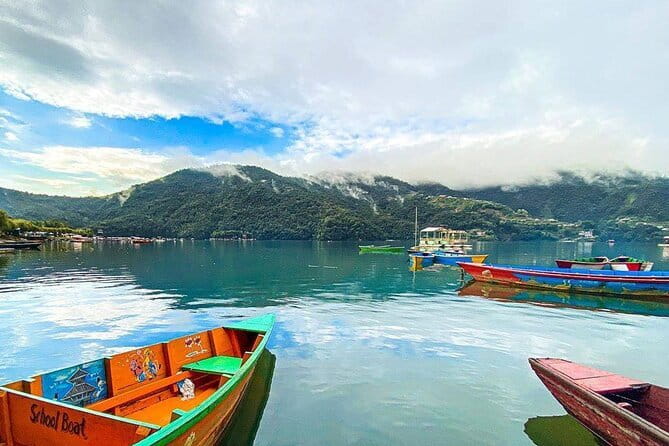
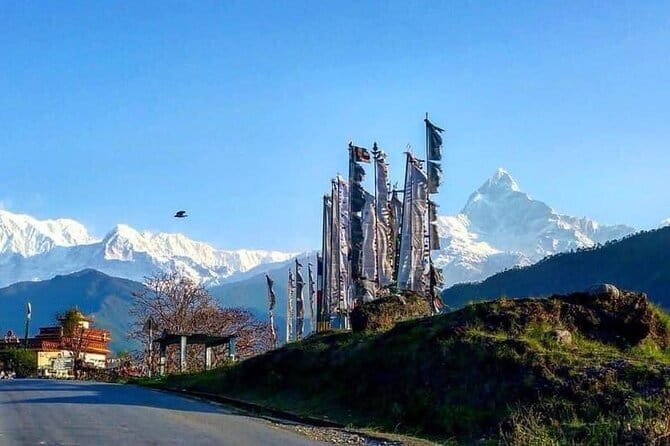
Pokhara is a smart launch point because you’re already set up for mountain travel—views of the Annapurna and Manaslu regions help you get in the mood before the trail work starts. This itinerary uses a mix of sharing jeeps/buses and on-foot hiking, so you’re not just sitting in transport all day, but you also shouldn’t expect a fully cushy door-to-trail experience.
You’ll start with hotel pickup and end with drop-off, which matters more than it sounds when you’re preparing for early starts on mountain schedules. The trek is designed for people with a moderate fitness level, and the walking days typically land around 5–7 hours.
If you’re the kind of traveler who likes having a clear plan (and someone else handling route basics, permits, and timing), this package fits well. If you prefer full DIY freedom, you might find the guided structure a little tight.
You can also read our reviews of more hiking tours in Pokhara
Day 1: Ghandruk for Gurung culture and first big views
Day 1 has that perfect mix: travel into the hills, then a village walk right away. You drive from Pokhara toward Kyu Mi Danda via Nayapul and Birethati, then hop on a sharing jeep because the road is unpaved. From there, the trail works you through the Modi River area and into authentic villages and ridge hiking with strong Annapurna valley energy.
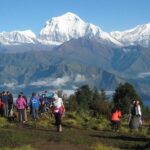
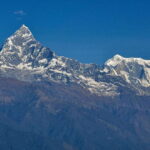
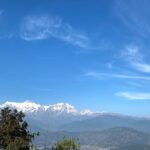
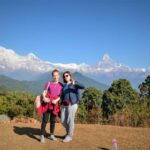
You’ll reach Ghandruk, one of the big Gurung hubs in the Annapurna region. This is the day for meeting the culture on foot: you can explore Gurung customs, lifestyle, and local museum-style stops, and you’ll do it with wide views of Annapurna South, Hiunchuli, Machhapuchare (Fishtail), Gangapurna, and Annapurna III.
The walking time is about 7 hours. The upside is that you’re not just hiking into a blank wilderness—you’re hiking into a community with a clear mountain identity.
Practical note: expect uneven trail footing and a decent amount of climbing right from the start. If your legs feel heavy after travel, take your time and let your guide set a steady pace.
Day 2: Upper Sinuwa via Chhomrong for varied uphill effort
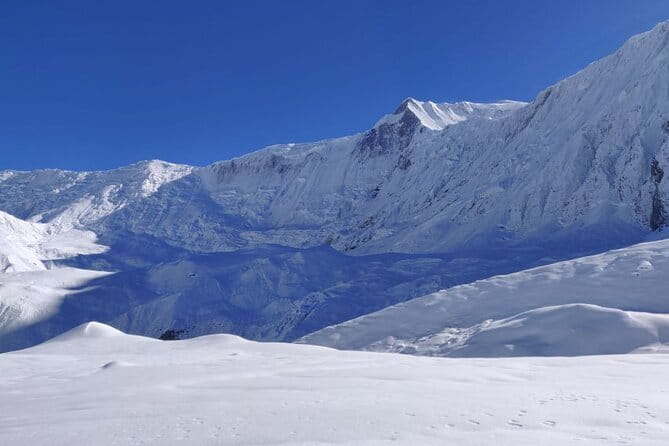
This day continues the classic route logic: move from a well-known village into more remote terrain and build your altitude gradually. From Ghandruk you head toward Upper Sinuwa, and the walk is described as strenuous—so treat this as your second “work day,” not a sightseeing float.
You’ll pass through places like Kimrung Danda and Kimrung River, then connect through Chhomrong village before reaching Sinuwa. Along the way, you’ll see shifting vegetation and different ways of living as the trail climbs.
Expect about 7 hours of hiking (with lunch/tea breaks). The reason this day matters isn’t just the distance—it’s how it sets your rhythm. By the time you’re approaching Sinuwa, you’ll feel the air change and the trail narrow into a more mountain-specific world.
If you’re prone to going too fast early, this is where you’ll want discipline. The guide’s job is as much pacing as it is route.
Day 3: Bamboo and rhododendron forest toward Annapurna Sanctuary
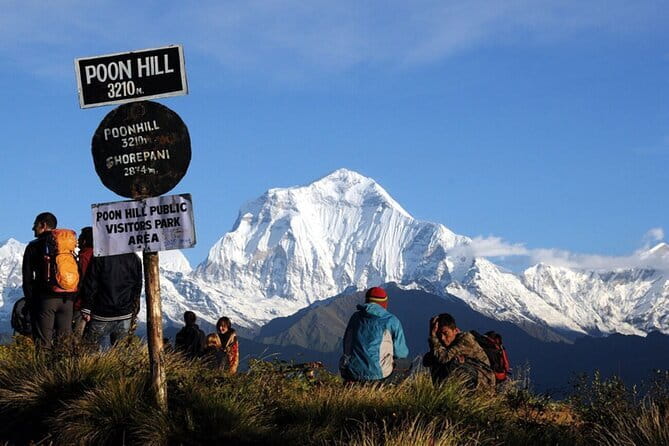
On Day 3, you start pushing deeper into the Annapurna vibe: cooler air, more forest rhythm, and a steady uphill feel as you work toward Annapurna Sanctuary. The trail runs through bamboo and rhododendron areas, and you’ll also notice named stops like Bamboo and Dovan along the way.
This day tends to feel “visually busy.” You’re moving through living vegetation and corridor-like forest sections while you keep catching peeks of Himalayan scenery. One reason trekkers love this day is that it’s not all about one dramatic moment—it’s about sustained atmosphere.
You’ll be walking about 7 hours total. The practical challenge is that forest trekking can hide fatigue: you keep moving, but your mind isn’t constantly processing one big landmark the way it does on open ridges.
If you want to enjoy the hike instead of surviving it, plan on steady breaks. Use the pauses for water, warm layers if you’re getting chilly, and quick breathing resets.
Day 4: Machhapuchhre Base Camp area to Annapurna Base Camp at 4,130m
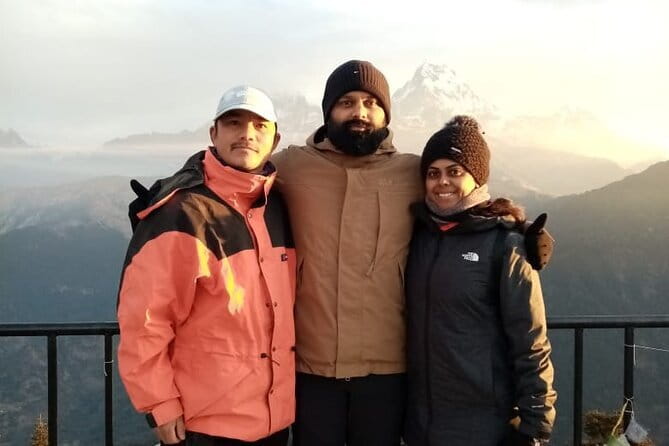
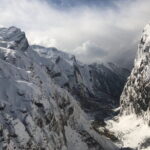
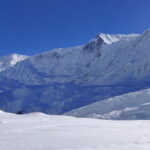
Day 4 is your big altitude day. You climb from the Machhapuchhre Base Camp area (around 3,900m) up toward Annapurna Base Camp, gaining about 730 meters on foot. The itinerary has a gradual build as you head into Annapurna Sanctuary, and you’ll have a pleasant stop beneath Machhapuchare’s North Face (Fishtail peaks).
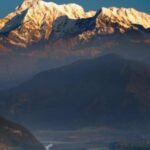
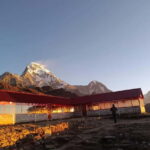
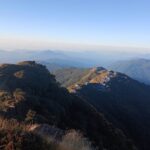
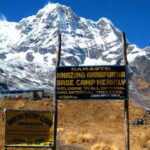
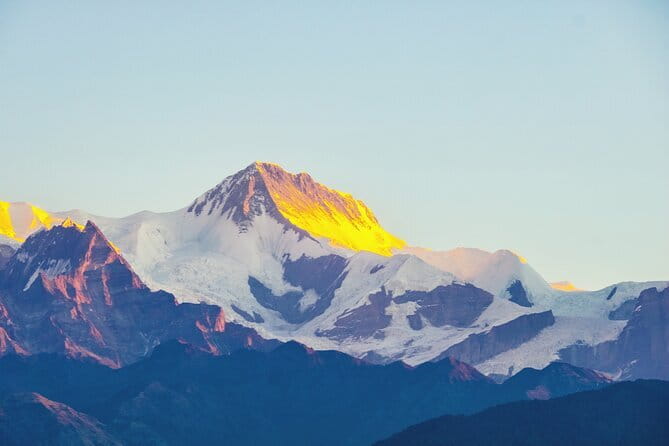
Then comes the push: grassy uphill sections that eventually bring you to Annapurna Base Camp (4,130m). This is the moment the trek is built around—standing at the base of the Annapurna massif with panoramic views circling the sanctuary, including Annapurna I.
Day 4 is about 6 hours of hiking. It’s shorter on paper than Day 1 and Day 2, but don’t let that fool you. This is the day with the most concentrated effort.
What to watch for: cold and breathlessness tend to show up right as the trail gets higher and more open. If you feel off, tell your guide early. A good guide will adjust pace and timing so you still reach the view without rushing.
You can also read our reviews of more tours and experiences in Pokhara
Day 5: Descend to Bamboo for recovery and forest calm
After reaching Annapurna Base Camp, Day 5 is about coming down smart. You return from ABC back toward Bamboo, and the route passes through Deurali, Himalaya, and Dovan. The trail is described as decent, but the warning is clear: be careful descending.
This is where your knees will ask questions. Downhill hiking can be easier mentally than uphill, but it can be brutal physically if you step too quickly.
The walk is about 6 hours. The key value of this day is recovery without losing the sense of place: you’re still in forests and tree-line zones, with a winding trail that keeps the trek feeling alive instead of purely grindy.
If you’re able to, use this day to eat well and take warmth seriously. A hot shower gets mentioned in the experience details—small comfort makes a real difference once you’re tired.
Day 6: Chhomrong ridge and Jhinu Danda descent rhythm
Day 6 is a loop-style day that mixes short climbs, forest downhill, and village transitions. You start with a short steep up to KhuldiGhar, then descend through forest to a quieter spot labeled Sinuwa-Danda. From there you descend toward Chhomrong Khola, cross a bridge, and climb briefly again.
You’ll stop in Chhomrong village for lunch, then take a short up to the top of the Chhomrong ridge. After that, the last part of the day turns into a downhill walk to Jhinu Danda.
Plan for about 6 hours hiking. This day is not only about moving your legs; it’s about building “trail confidence.” You get more switchbacks, more attention needed on footing, and a better sense of how quickly mountain terrain can change your pace.
If you like the balance of trail work and recognizable places, you’ll appreciate this day. Chhomrong feels like a major village anchor before the final drop toward Pokhara.
Day 7: Back to Pokhara Lakeside via Samrung Khola jeep
Day 7 starts with a short downhill, then turns into a practical finish: you cross a long suspension bridge to reach Samrung Khola. After that, you catch a local jeep for the drive back to Pokhara, taking about 4 hours.
The drive route goes through Kimrung village, Syauli Bazaar, Birethati Nayapul, Kande, and Naudanda, then you arrive at Pokhara Lakeside. That final segment matters because it takes you from trail world to city rest without you needing to figure out transport on the fly.
The hiking component is about 5 hours total for the day, which helps keep the ending feel manageable. You finish with that mix of satisfaction and mild “why is my body so sore?” clarity.
If your schedule is tight, this is one day you’ll want to keep unblocked. You’ll need time for a proper meal and to rinse off the last traces of trekking dust before you call it a trip.
Price and what $435 actually buys you
At $435 per person for about 7 days, the value comes from what’s bundled rather than what’s optional. This package includes hotel pickup and drop-off, round-trip transfers by sharing bus/jeep, trekking permits and a TIMS card, an English-speaking guide, guest-house accommodation, and a private setup for your group.
Not included are personal expenses and gratuity (so you should budget for your own snacks, extra drinks, and tips). Also, the trek requires passport copy and a passport-size photo beforehand so they can prepare your trekking permit.
Here’s the practical way to look at it: if you were planning this on your own, you’d still need permits, a guide, and a way to manage guest-house lodging each night. You’re paying for that friction removal. For many people, that’s money well spent—especially if you want the trek experience without permit stress and route guesswork.
One note to keep in mind: group discounts are listed as a feature, yet the trip is also described as private for your group. If you’re traveling as a solo trekker or a small group, ask the operator how they handle the pricing and group size so you can confirm you’re getting the feel you want.
What the praised guides do differently (Ram and Krishna)
A standout theme in the experience feedback is guide quality. Guides like Ram and Krishna are repeatedly described as helpful, supportive, and good at making sure you get to see the mountains clearly.
When a guide is strong, it shows in small things:
- You don’t lose time second-guessing directions.
- The pace feels right for the group.
- You’re more likely to catch early-light views when schedules line up.
The practical truth: on a trek like this, the guide can’t control weather, but they can control how efficiently you move and how comfortable you feel. That’s why guide praise comes up so often.
If you care about a calm, competent presence in the mountains, this is exactly what you want to look for when choosing your operator.
Who should book this trek—and who should skip it
This trek fits best if you:
- Are in moderate physical shape and comfortable with several hours of hiking daily.
- Want a guided experience with permits and guest-house lodging included.
- Like authentic mountain villages, especially Gurung communities such as Ghandruk and Chhomrong.
It’s not set up for wheelchair users. It also isn’t a good fit if you want a totally easy walking style. Even with guest-house nights and support, you still need to handle uphill effort, changing air, and careful downhill steps.
If you’re looking for one big achievement—reaching Annapurna Base Camp at 4,130m—this itinerary is built toward that goal while keeping enough village and forest variety to stay interesting all week.
Should you book this Annapurna Base Camp trek?
If you want a structured ABC trek with permits included, an English-speaking guide, and a route that mixes culture with real mountain hiking, I’d book it—especially if you’re traveling from Pokhara and want pickup/drop-off handled.
I’d hesitate only if your fitness level is closer to beginner with limited uphill stamina or if accessibility needs are a factor. Otherwise, the combination of guest-house comfort, supported logistics, and the chance to stand at Annapurna Base Camp makes this a strong value-focused choice.
FAQ
FAQ
What does the trip price include?
The price includes hotel pickup and drop-off, round-trip transfers by sharing bus/jeep, trekking permit and a TIMS card, an English-speaking trekking guide, accommodation in guest house, and private trip service.
Where does the trek start and end?
The trek starts in Pokhara and returns to Pokhara Lakeside at the end of Day 7.
How long is the trek, and how much will I walk each day?
The trek is about 7 days. Hiking time listed per day is roughly 7 hours for Days 1–3, 6 hours for Days 4–6, and 5 hours for Day 7.
Is pickup offered?
Yes. Hotel pickup and drop-off are included.
Are permits included?
Yes. Trekking permit and a TIMS card are included.
Do I need to send passport details before the trek?
Yes. You need a passport copy and a passport-size photo prior to the trek so the trekking permit can be made.
Is this tour private?
Yes. It’s listed as a private tour/activity, with only your group participating.
Is wheelchair access available?
No. It’s not recommended for wheelchair users because the trek requires walking on trekking trails.
What’s included for lodging?
You get accommodation in guest house each night during the trek.
What’s not included in the price?
Personal expenses and gratuity are not included.
How flexible is cancellation?
Free cancellation is available up to 24 hours in advance of the experience start time for a full refund.