REVIEW · POKHARA
Pokhara: Group Joining Full Day Highlights Tour With Sunrise
Book on GetYourGuide →Operated by Snow Peak Tours and Travels pvt. ltd. · Bookable on GetYourGuide
Early-morning mountains do half the work for you. This full-day Pokhara highlights tour is built around Sarangkot sunrise and a tight loop through the city’s best-known temples, caves, lake sights, and panoramic viewpoints. I love how it mixes big scenery with practical stops (boat on Phewa Lake, Tal Barahi Temple, mountain museum), and I also like that the day is supported by an experienced local guide in English and Hindi (with guides like Moti Thapa or Kiran showing up in recent bookings). One drawback to plan for: cloud cover can blunt the sunrise, so keep your expectations flexible.
You’ll ride in comfort, get hotel pickup and drop-off, and keep moving without feeling like you’re constantly figuring out transport. It’s a good fit if you want a one-day overview that still feels grounded in real places—religious sites you’ll actually see locals visiting, plus cultural stops like the Tibetan Refugee Camp. Just note the day includes extra costs you’ll pay on the spot (entry fees and the Phewa Lake boat), so budget a bit beyond the tour price.
In This Review
- Key highlights worth planning for
- Sarangkot sunrise makes Pokhara feel instantly different
- Pickup, A/C transport, and how the 6–10 hour day actually works
- Bindhyabasini Temple: where the day gets spiritual (and human)
- Devi’s Fall and Gupteshwor Mahadev Cave: nature with a sacred twist
- The Shiva statue and the climb-to-viewpoint rhythm
- World Peace Pagoda: the viewpoint pay-off (with optional extra walking)
- Phewa Lake and Tal Barahi Temple: the lake stop you’ll actually remember
- International Mountain Museum: climbing history without the lecture
- Tibetan Refugee Camp: culture you can support through craft and conversation
- Price and value: what $43 covers, and what to budget extra
- Who should book this sunrise highlights tour
- Should you book this Pokhara sunrise highlights tour?
- FAQ
- What’s the duration of the Pokhara sunrise highlights tour?
- Where are pickup and drop-off locations?
- Is breakfast included in the tour price?
- Are entry fees included for temples and attractions?
- Is the Phewa Lake boat ride included?
- What language is the live guide?
- Is there a hike option for the Peace Pagoda?
Key highlights worth planning for
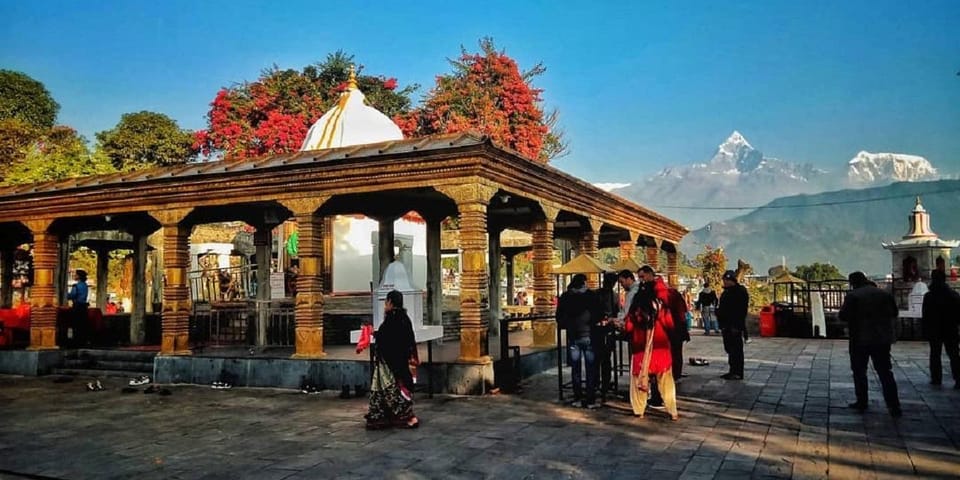
- Sarangkot sunrise viewpoint with dramatic Annapurna and Dhaulagiri views
- Phewa Lake boat cruise plus the Tal Barahi Temple on an island
- Caves and falls at Gupteshwor Mahadev Cave and Devi’s Fall
- World Peace Pagoda for big-reach photo angles over Pokhara
- Cultural context at the Tibetan Refugee Camp and the International Mountain Museum
Sarangkot sunrise makes Pokhara feel instantly different
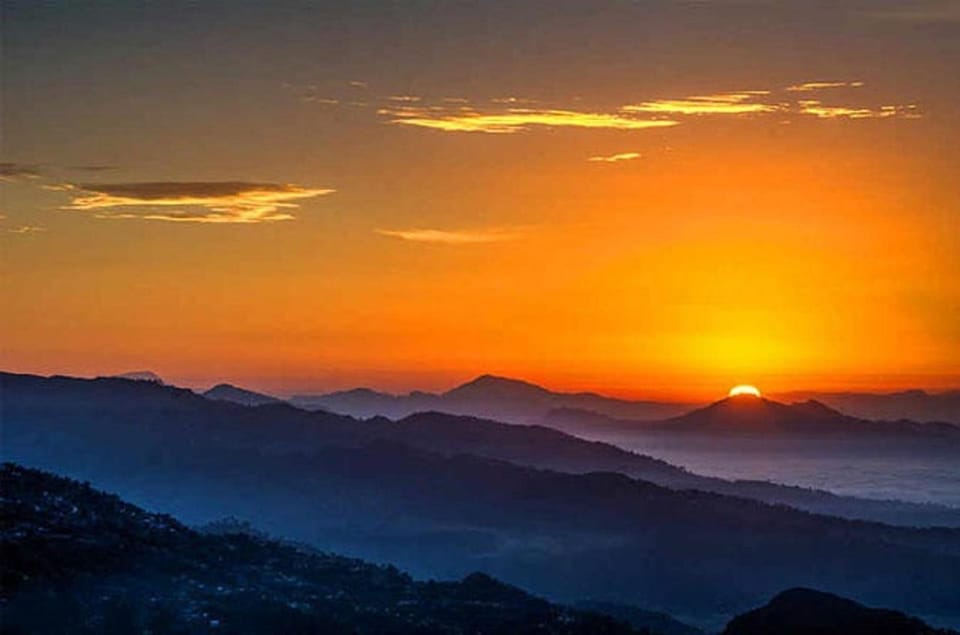
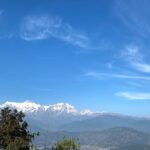
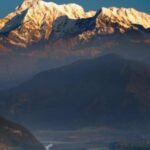
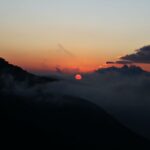
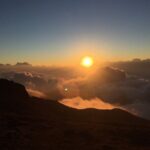
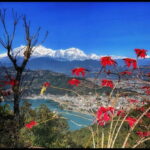
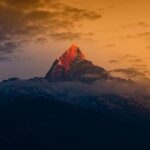
If you do one thing in Pokhara, do it early—at Sarangkot. This tour drives you up to the hill station for sunrise, the moment when the sky starts cooperating and the Annapurna and Dhaulagiri ranges can look crisp and close. Even when the light is only partly clear, the ridge viewpoints still give you that “oh, that’s why people come here” feeling.
The key is timing. You’re in the Sarangkot area for roughly 1.5 hours dedicated to the sunrise experience, with time for photos and a relaxed look rather than a quick drive-by. Be prepared for cold. Hilltops at sunrise can feel raw, and it’s worth wearing layers you can still manage if you end up walking a bit around the viewpoint area.
You can also read our reviews of more tours and experiences in Pokhara
Pickup, A/C transport, and how the 6–10 hour day actually works
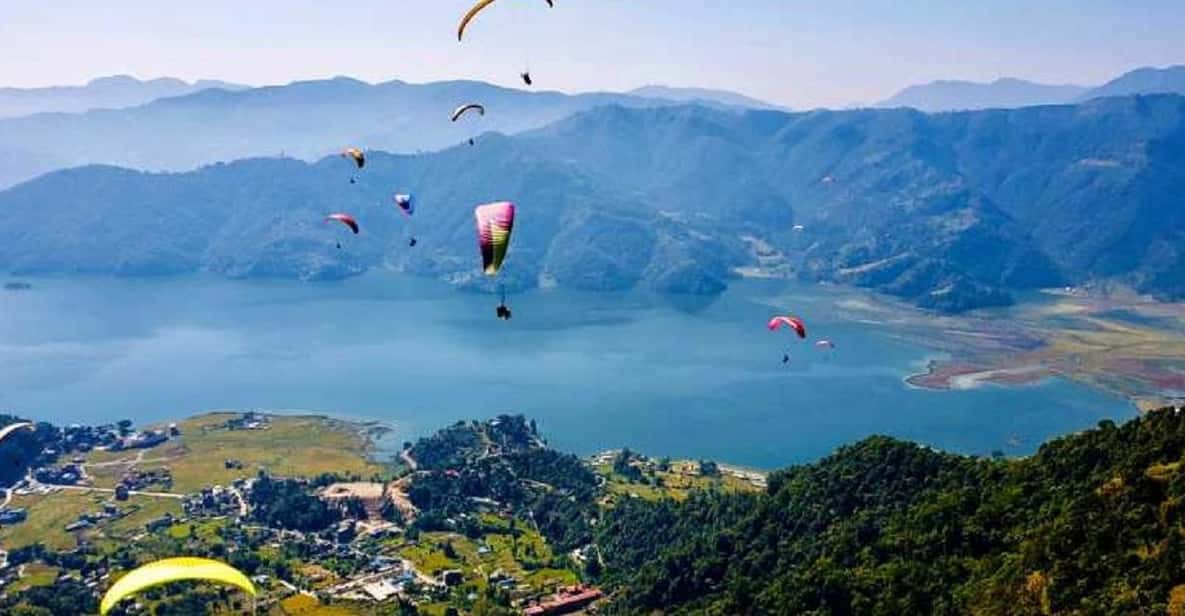
This is a full-day tour running about 6 to 10 hours, and it’s set up for convenience. You’ll get pickup from Lakeside Road (Lakeside Rd 6) and return to the same area after the day’s loop. Transport is by an air-conditioned vehicle, which matters because Pokhara’s stops are spread out across lakeside, temple areas, and hill viewpoints.
The schedule is “move-and-stop.” You won’t spend all day trapped in a car, but you also shouldn’t expect long unstructured hangs at each site. Most stops are built around a photo stop plus guided walking or viewing (often 30 to 45 minutes), with a longer “anchor” segment at Peace Pagoda and a full lake segment later.
A practical note: you’ll have both breakfast and lunch breaks, but they’re self-paid. That’s pretty normal for Nepal day tours, yet it changes how you plan your money and your hunger. I’d treat breakfast as your fuel for the first half of the day and lunch as a reset before the viewpoint-heavy parts.
Bindhyabasini Temple: where the day gets spiritual (and human)
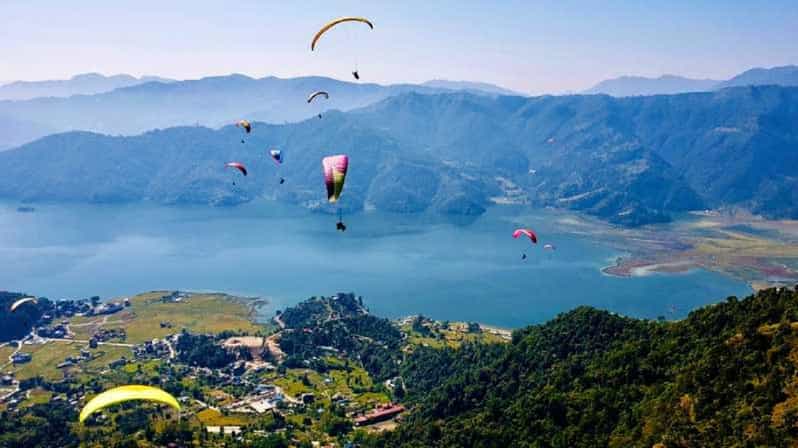
After sunrise, you go to Bindhyabasini Temple, dedicated to the goddess Bhagwati. It’s not a “museum temple” vibe. You’ll see worship happening, and the place has that layered feel where religion, community, and scenery overlap.
Plan for about 30 to 45 minutes here, including time for photos and a guided look. One thing I like about this stop is that it slows the tempo from “dramatic mountains” to “daily life.” You can stand, watch, and get a clearer sense of how Pokhara’s spiritual identity shows up in everyday routines.
If you’re sensitive to crowds, go in with patience. Temples can be busy, especially mid-morning, but the structure of the tour keeps you from waiting around forever.
Devi’s Fall and Gupteshwor Mahadev Cave: nature with a sacred twist
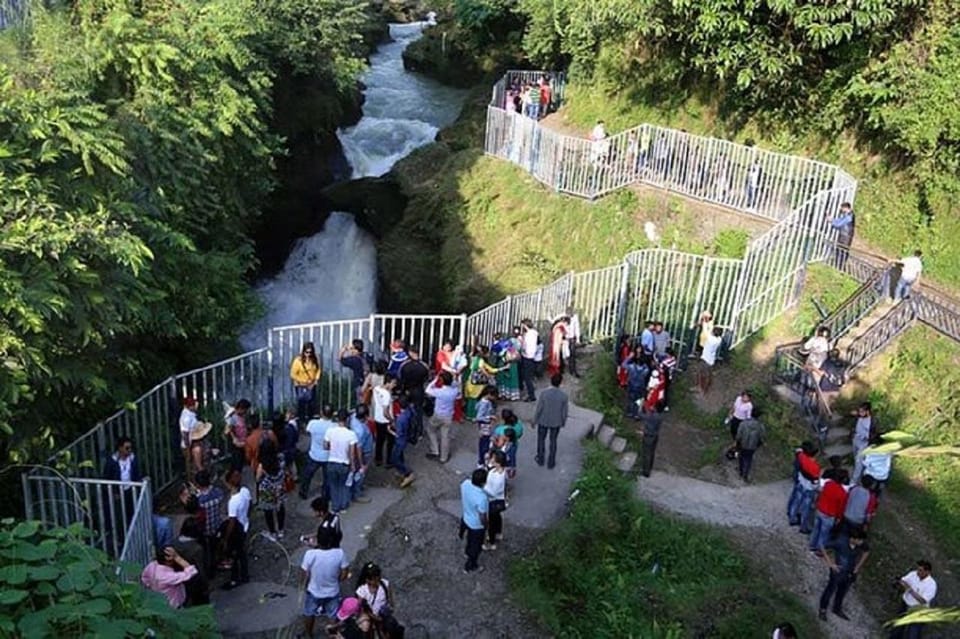
Next up is Devi’s Fall (also known as Patale Chhango). This is one of Pokhara’s most famous water features, and the appeal is simple: the falls are striking, and the surrounding area makes it easy to pause and take it in without needing heavy hiking. You’ll spend about 30 to 45 minutes with a guided explanation and sightseeing time.
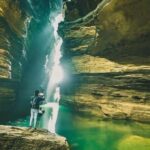
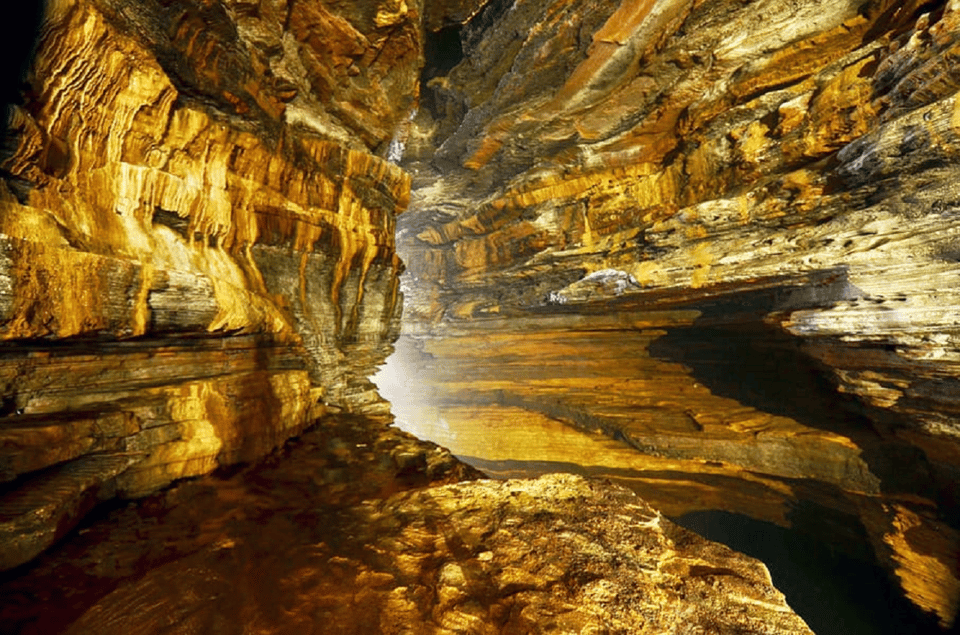
From there, the tour threads into the Gupteshwor Mahadev Cave, which is where the day turns interesting in a very Pokhara way. Inside you’ll find a sacred Shiva lingam, plus cave formations and a hidden waterfall effect. The experience is often short but memorable because it’s both dramatic and reverent. It’s not just “look at a cave”—it’s a place with meaning for people who visit it for worship.
Caves can vary by season (water flow and humidity), so don’t assume it will look exactly like photos you’ve seen online. Wear shoes with good grip, because cave areas can be slippery and you’ll be walking on uneven surfaces.
The Shiva statue and the climb-to-viewpoint rhythm
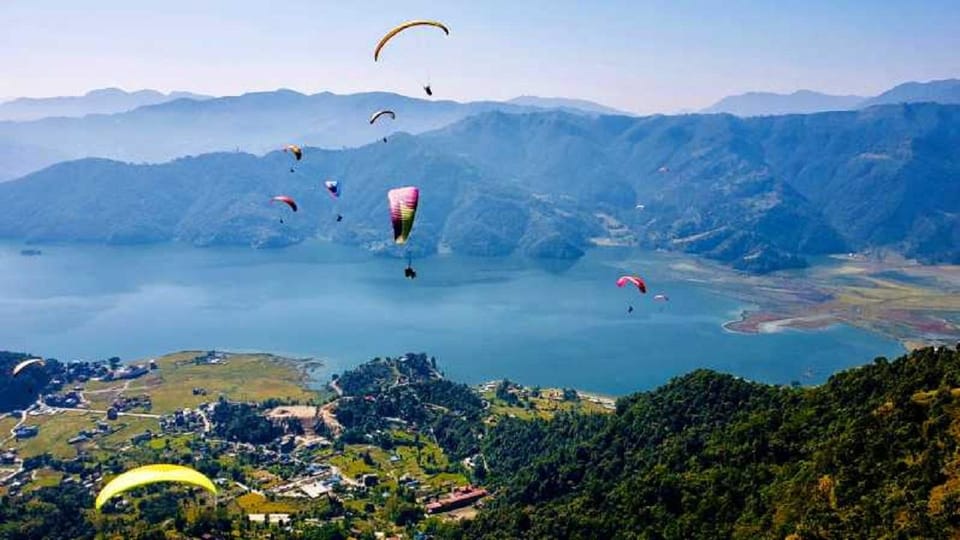
In the itinerary, you’ll also see a stop at the Statue of Lord Shiva with a mix of photo time and guided viewing. Think of this as a transition stop: it breaks up the day before Peace Pagoda, and it also gives you another angle for seeing how Pokhara’s hilltop viewpoints work.
This section usually includes a walk, scenic pauses, and quick explanations. It’s a good reminder that the tour is more than a list of attractions—it’s a “rhythm” tour. Short walks, photo stops, and guided context keep you from feeling lost, and they also reduce the chances of you missing something small but cool.
If you don’t love stairs or uneven ground, tell your guide early. The tour does include walking segments at caves and at the pagoda area, and a little coordination can make the day feel easier.
You can also read our reviews of more tours and experiences in Pokhara
World Peace Pagoda: the viewpoint pay-off (with optional extra walking)
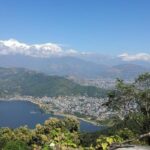
Then comes the big sky-and-city moment: the World Peace Pagoda (World Peace Stupa). The tour includes about 1 to 1.5 hours here, giving you time to reach the stupa area, take photos, and enjoy the view over Pokhara and the lake.
The itinerary also notes an option for a short hike from Phewa Lake if all customers agree. That’s a nice touch because it can make the pagoda feel less like a roadside stop and more like a proper viewpoint outing—yet it’s optional for a reason. If the group doesn’t want extra walking, the tour can still hit the main site without turning it into a workout.
This is also where your morning sunrise decision comes back to you. If clouds stole the sunrise, Peace Pagoda often helps replace some of that magic with a broader panorama. Even on less-than-perfect days, you usually get enough visibility to enjoy the geography of the valley.
Phewa Lake and Tal Barahi Temple: the lake stop you’ll actually remember
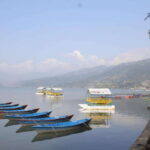
The lake segment is one of the strongest parts of this tour. You’ll do a boat cruise on Phewa Lake for about 1 hour, and during that cruise you’ll visit the Tal Barahi Temple, located on an island in the lake.
A boat hour is just long enough to feel like you did something real, not just “rode around for a photo.” I like that this part of the day is built into the flow after the temple and cave stops, because it gives you a calmer, scenic break before museums and cultural visits.
Important practical detail: the boat ride fee is not included. Budget for it. Also, boat timing depends on conditions and the pace of the day, so don’t plan to sprint immediately afterward for a separate activity.
If you’re the type who likes water photos, bring a lens or phone settings ready. The lake reflections can be gorgeous when the sky cooperates.
International Mountain Museum: climbing history without the lecture
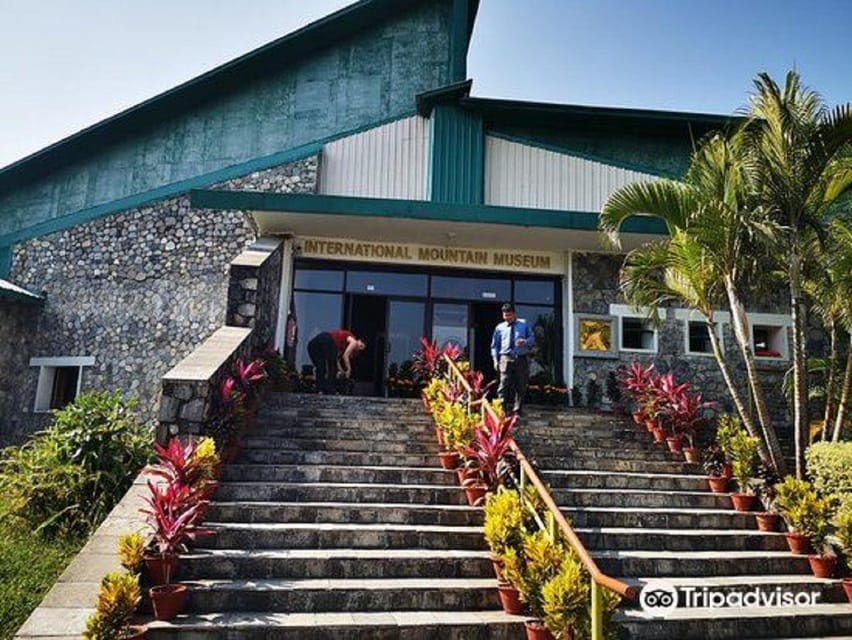
After the lake, you’ll visit the International Mountain Museum. Expect about 1 hour, with a focus on the mountains of Nepal and the mountaineers who climbed them.
This stop works best when you treat it like orientation. Pokhara is the gateway city for Annapurna region treks, so the museum helps you connect names and routes to the reality of altitude and exploration. It’s also a good indoor option if the weather shifts or if you’re tired from the morning cold.
If you love mountains but don’t want a full documentary marathon, this is a neat middle ground—educational, but not overly heavy.
Tibetan Refugee Camp: culture you can support through craft and conversation
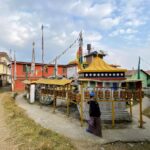
Next is the Tibetan Refugee Camp in Pokhara. You’ll spend about 30 to 45 minutes, including photo time and guided sightseeing. The focus here is cultural: you’ll see traditional handicrafts and get insight into the lives of Tibetan refugees.
I appreciate this stop because it adds context beyond the “viewpoints and temples” cycle. The day starts with mountains and moves through spiritual sites; the camp brings you back to people and resilience.
This segment can be as quiet or as lively as you make it. If you like meeting artisans, take your time. If you’re short on energy, keep it focused on a few crafts and let the guide explain what’s most meaningful.
Price and value: what $43 covers, and what to budget extra
At about $43 per person, this tour is priced like a solid day of transport plus guided logistics—especially in a city like Pokhara where independent planning can eat time. The big value is that you’re not hopping between locations by yourself. You’re also getting a local guide and an A/C vehicle, plus pickup and drop-off in the lakeside area.
Now the catch: you’ll likely pay additional costs on the day. Entry fees are not included at attractions, the Phewa Lake boat ride is not included, and breakfast and lunch are self-paid. Those add up, but at least they’re predictable.
Think of it this way: the tour price buys you the structured “best of Pokhara” route and the guide’s interpretation. You cover the small extras tied to the sites themselves. If that fits your style, the overall value can be strong—particularly if you’re saving the effort of arranging multiple tickets and transport separately.
Who should book this sunrise highlights tour
This tour is a good match if you want:
- A one-day overview of Pokhara’s core sights without stress
- Sunrise views at Sarangkot paired with lake scenery
- A day organized around walking, viewpoints, and a bit of cultural learning
It’s less ideal if you dislike early mornings, because sunrise planning means you may be moving very early (I’ve seen schedules around 4:00–5:30am depending on the sunrise plan). It’s also not the best choice if you want long, slow time at just one place, because the tour is structured to cover many stops.
Where it shines most is for couples, solo travelers, and small groups who want to feel “we did Pokhara properly” by the end of the day, not “we saw three things and called it a win.”
Should you book this Pokhara sunrise highlights tour?
I’d book it if sunrise is high on your list and you like a guided route that links temples, caves, museum learning, and lake views into one easy day. The biggest upside is the combination: Sarangkot for mountain drama, Phewa Lake for calm, and Peace Pagoda for the big-horizon finish.
Skip or reconsider if your priority is maximum time at fewer places, or if you’re not willing to pay on-the-day costs like entry fees and the boat ride. Also, accept that clouds can steal the sunrise moment; the tour still gives you other viewpoint pay-offs, but the early-morning gamble is real.
If you go in with that mindset, this is the kind of day that makes Pokhara feel like a complete story, not a grab bag of stops.
FAQ
What’s the duration of the Pokhara sunrise highlights tour?
The tour runs about 6 to 10 hours.
Where are pickup and drop-off locations?
Pickup and drop-off are listed at Lakeside Road (Lakeside Rd 6).
Is breakfast included in the tour price?
Breakfast break is scheduled, but it is self-paid at a local restaurant or cafe.
Are entry fees included for temples and attractions?
No. Entry fees at attractions are not included.
Is the Phewa Lake boat ride included?
No. The boat ride fee for Phewa Lake is not included.
What language is the live guide?
The live guide offers English and Hindi.
Is there a hike option for the Peace Pagoda?
Yes, there is an option for a short hike from Phewa Lake if all customers agree.