REVIEW · POKHARA
5 Day Mardi Himal Base Camp Trek in Pokhara
Book on Viator →Operated by CAN Travels · Bookable on Viator
A short trail, big mountain payback. A 5-day Mardi Himal Base Camp trek from Pokhara gives you a fast ticket into the Annapurna region, moving through rhododendron forests, small villages, and high-country viewpoints toward Machhapuchhre (Fishtail) and the Mardi Himal area. You also get the cultural side of the trek, with passes through Gurung and Magar communities and chances to eat local food as you climb.
What I like most is the logistics support: hotel pickup in Lakeside, transfers to and from Kande/Lumre, permits handled, and an English-speaking guide to keep things smooth. The second big win is the way the scenery changes day by day, from lush forest routes to steeper high points, so the trek doesn’t feel like one long slog to the same view.
One thing to consider: food and drinks are not included, so you’ll want to budget for meals along the way (the trek notes food/drinks are available at about US$25 per person). Also, this is listed for moderate fitness, and Day 4’s climb to base camp is the kind of steep, narrow effort that rewards good shoes and a steady pace.
In This Review
- Key highlights worth getting excited about
- A Short, Scenic Route to Mardi Himal Base Camp
- Getting Started in Pokhara: Pickup, Drive to Kande, and First Trek Steps
- Pitam Deurali View Point to Low Camp: Rhododendron Country and Steady Climb
- Low Camp to High Camp (via Middle Camp): Oak and Rhododendron Gaps to Higher Air
- From High Camp to Mardi Himal Base Camp: The Steep Narrow Day
- Siding Village to Lumre and Back to Pokhara: Ending with Transport Help
- Price and Value: What You’re Paying for at $230
- Guides and Group Setup: Why Amrit, Biru, and Bikram Matter
- What’s Actually Included (and How It Affects Your Day-to-Day)
- Packing and Pace Tips for a 5-Day Annapurna Trek
- Who This Trek Suits Best
- Should You Book This 5-Day Mardi Himal Base Camp Trek from Pokhara?
- FAQ
- How long is the Mardi Himal Base Camp trek?
- Where does the trek start and end?
- What’s included in the price?
- Is food included?
- Are guides English-speaking?
- Is it a private tour?
- What transfers are provided?
- What about fitness level?
- What time do we start?
- Can I cancel for a full refund?
Key highlights worth getting excited about
- English-speaking guide support that helps you move with confidence, day after day
- Guest-house accommodation during the trek, so you’re not doing camping logistics
- Permits and official documents handled before you start walking
- Short 5-day format that still reaches the Mardi Himal Base Camp area
- Rhododendron forest scenery plus higher ridges and viewpoint time
- Private tour setup where only your group participates
A Short, Scenic Route to Mardi Himal Base Camp
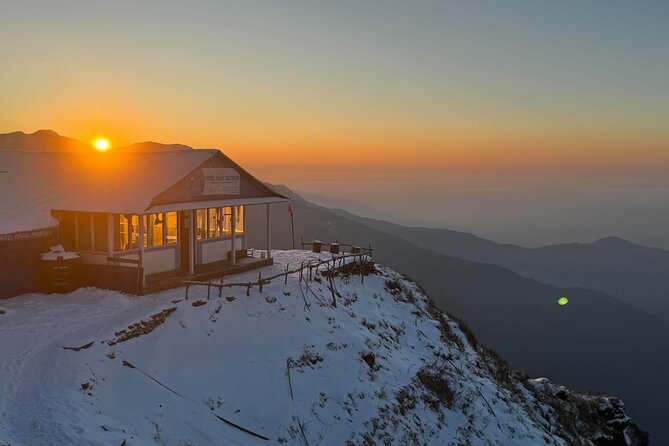
Mardi Himal is one of those Annapurna treks where the schedule feels friendly. In five days you gain serious altitude, hit major viewpoints, and still have time to enjoy Pokhara again at the end—without committing to a longer multi-week trek.
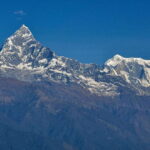
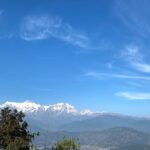
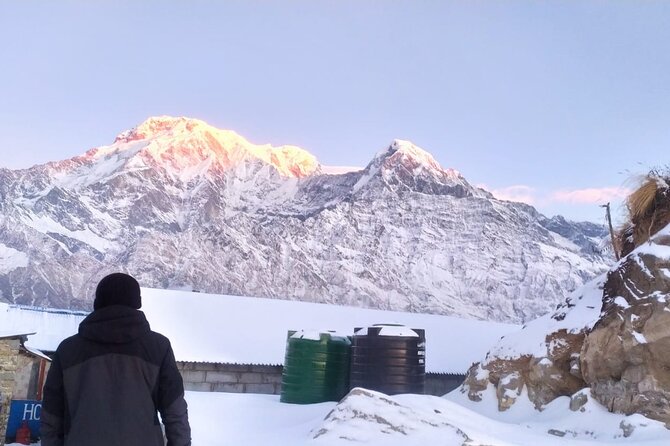
The scenery is the main reason people love it. You’ll walk under rhododendron trees that can be in full bloom, then keep climbing into cooler, higher scenery with wide views of the Annapurna range. The big names you should have on your mental map are Machhapuchhre (Fishtail), Annapurna South, and Hiunchuli—especially when the weather clears.
You can also read our reviews of more hiking tours in Pokhara
Getting Started in Pokhara: Pickup, Drive to Kande, and First Trek Steps
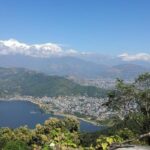
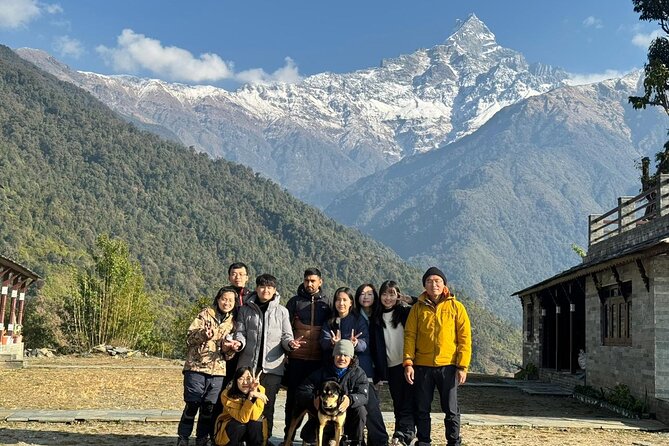
Your day starts with hotel pickup within the Lakeside area, then a drive from Pokhara to Kande. This is a useful warm-up because it gets you out of town smoothly and lets you take in mountain views before your legs really start working.
After you reach Kande, you begin the trek and head toward Australian Camp. This first day is long enough to feel like a real start, but it’s also the day where you’re building rhythm. If you’re traveling with stiff ankles or a brand-new backpack, this is the day to make small adjustments—laces, straps, water access—before the climb gets more serious.
Why this first day matters: you’re not just “transported to a trail.” You’re transitioning from city comfort to mountain hiking, and that helps your body adapt for the next three days.
Pitam Deurali View Point to Low Camp: Rhododendron Country and Steady Climb
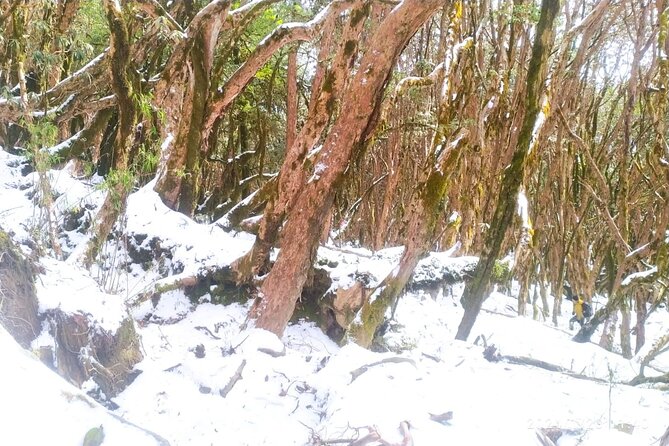
On Day 2, you trek from Pitam Deurali toward Low Camp, and the route is described as entering dense rhododendron forest with wildflowers. This is the part of the trek that tends to feel alive—cool shade, color, and a trail that’s interesting to walk even when your mind isn’t only focused on altitude.
It’s also a practical day. The trek is timed at about 6 hours, and the description suggests a northward heading into forest. That’s good news if you like a day that’s challenging but not brutally steep from the start.
One more perk: forest trekking can help you stay focused because you’re paying attention to the trail underfoot. When you reach Low Camp, you’re ready to rest without feeling like your body got hit by a wall on Day 2.
Low Camp to High Camp (via Middle Camp): Oak and Rhododendron Gaps to Higher Air
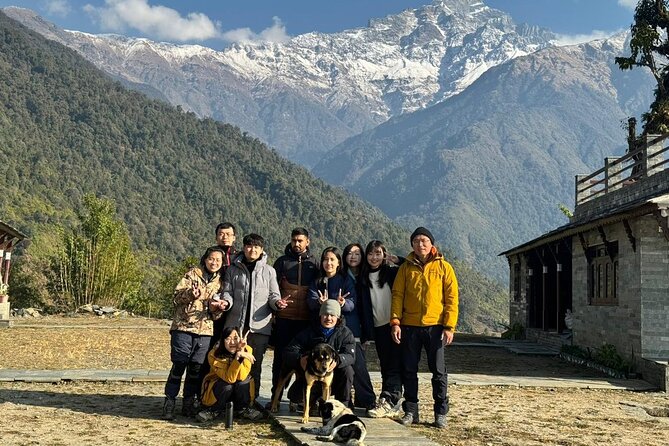
Day 3 is where you start to feel that you’re really climbing. You move from Low Camp to High Camp, and the description highlights a mix of oak and rhododendron forest. You’ll pass Middle Camp within roughly 1 to 2 hours of trekking, so it gives you a built-in checkpoint to reset your pace.
At this stage, you’ll start noticing two hiking realities:
- Your breathing works harder uphill.
- Your body starts paying attention to your pacing decisions.
This is where a good guide earns their value. When a guide is organized and keeps the group moving at the right speed, the trek feels controlled. When the pace is too fast, you feel it later. The feedback you’ll see repeatedly about guides connected with CAN Travels—especially names like Amrit—fits that pattern: people call out organization and smooth support, which matters most on days like this when the climb is steady and you want to avoid exhaustion.
From High Camp to Mardi Himal Base Camp: The Steep Narrow Day

Day 4 is the big push. You leave High Camp early, then follow a narrow, steep trail up to Mardi Himal Base Camp. This is exactly the kind of day where your gear and your mindset matter more than luck.
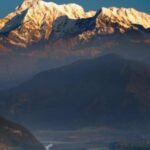
The payoff is the reason you chose Mardi Himal. As you climb, you’re aiming for major views across the Annapurna region, including the peaks highlighted in the trek overview—Machhapuchhre (Fishtail), Annapurna South, and Hiunchuli. Weather can play a role in how crisp the views feel, but a base camp day is always about that moment when the effort converts into panoramic reward.
Practical advice for this day:
- Take shorter steps and let your breath set the pace.
- Keep an eye on footing on the narrow sections.
- If the trail feels relentless, remember that this day is designed as the highlight—don’t burn matches before the last climb segment.
You can also read our reviews of more tours and experiences in Pokhara
Siding Village to Lumre and Back to Pokhara: Ending with Transport Help

Your final trekking day shifts gears. From Siding village, you descend toward Lumre, where the trek ends. The trail is described as going through forests and small settlements, so it’s less of a pure climbing day and more of an “enjoy the descent while you still have energy” day.
After Lumre, you use a local jeep to drive back to Pokhara. This is a real advantage. Many treks make you figure out transportation while you’re tired. Here, the trek setup includes getting you back to Pokhara, so you can focus on recovery: shower, food, and a proper sit-down that doesn’t involve a tea-house stool.
Price and Value: What You’re Paying for at $230
At $230 per person, this trek sits in a sweet spot for a guided Annapurna-region experience that reaches base camp in a short timeframe. The key is what’s included.
From the package, you’re covering:
- Hotel pickup/drop-off in Lakeside
- Pokhara to Kande transfer (sharing bus or jeep)
- Lumre to Pokhara transfer (sharing bus or jeep)
- Trekking permits and official documentation
- Accommodation in guest houses during the trek
- An English-speaking trekking guide
- An emergency normal first aid kit
- A private tour setup where only your group participates
What’s not included is also important. Food and drinks are extra, and the trek notes an approximate cost of US$25 per person for meals and drinks. That means your total trip cost depends on how much you eat and where you stop, but at least you’re not guessing blind.
Here’s the value logic I’d use: if you’d otherwise hire a guide, handle permits, and arrange transfers, this price becomes easier to justify. You’re paying for convenience and risk reduction, not just the walking.
Guides and Group Setup: Why Amrit, Biru, and Bikram Matter
One theme shows up in the feedback: guides make the trek feel smooth. Specific names linked to positive experiences include Amrit, Biru, and Bikram. While you may get one guide or another depending on dates, the important point for you is that the program puts energy into guide quality and organization.
In practice, good guidance can mean:
- A pace that keeps you moving without killing you
- Help with route flow between camps
- Support that keeps logistics from becoming your job
If you’re the kind of traveler who hates surprises—wrong timing, unclear meeting points, scrambling for documents—this setup is designed to reduce that stress. And because it’s a private tour, only your group participates, which often makes daily coordination easier than big mixed groups.
What’s Actually Included (and How It Affects Your Day-to-Day)
This trek includes the stuff that usually breaks plans on short adventures. When permits and documents are handled, you don’t lose time worrying about paperwork mid-trip. When transfers are included, you avoid the “we arrived, now what?” feeling.
Accommodation is also practical: guest house nights. That means you’re mostly dealing with hiking decisions (pace, water, rest) rather than camping setup.
Also note the emergency support: the trek includes a normal first aid kit with your guide. It’s not the same as hospital care, but it does signal basic preparedness, which you appreciate if you twist an ankle or get sick on a long uphill day.
Packing and Pace Tips for a 5-Day Annapurna Trek
The tour notes you should have moderate physical fitness, and five hiking days usually means you’ll want to plan like a hiker, not like a tourist on an outing.
Keep these practical points in mind:
- Wear proper footwear for steep, narrow trail conditions (Day 4 is the standout).
- Bring layers. Even in a warm season, altitude and mornings near camps can feel cooler.
- Plan for meals you buy yourself. Since food and drinks aren’t included, pack basic snacks if you like control.
- Keep a simple daily routine: start steady, take breaks when you need them, and don’t race the group ahead of you.
Small habit that helps: check your bag every morning so you’re not hunting for water, sunscreen, or a warm layer halfway through a climb.
Who This Trek Suits Best
This is a smart choice if you want a real Annapurna hike but only have a week or less to work with. It’s also good for travelers who:
- Prefer a guided experience with English-speaking support
- Want guest-house comfort without camping complexity
- Like meeting a trek’s big viewpoints without stretching into a long expedition
- Value straightforward logistics from Pokhara out to the trail and back
If you’re training for an intense, technical climbing challenge, Mardi Himal Base Camp in five days might feel too basic. But if you want rewarding altitude walking with major peaks in view, it’s exactly the right kind of tough.
Should You Book This 5-Day Mardi Himal Base Camp Trek from Pokhara?
I’d book this trek if your priority is a short, guided route with organized transfers, permits handled, and guest-house lodging, plus the chance to see Machhapuchhre and the Annapurna range without spending weeks on the trail. The guide focus—people explicitly praising guides like Amrit and others like Biru and Bikram—is a strong signal that the experience depends on good day-to-day management, not just scenery.
I’d think twice if you hate budgeting for extra costs, because food and drinks are not included. And if you’re the type who struggles on steep climbs, Day 4’s narrow, steep push deserves respect.
If you’re ready to hike smart and travel light, this is the kind of trip that gives you a lot of mountain feeling for the time you spend.
FAQ
How long is the Mardi Himal Base Camp trek?
It’s a 5-day trek (approx.).
Where does the trek start and end?
It starts from the Pokhara area and involves transfers to Kande at the beginning, then ends at Lumre, with a drive back to Pokhara.
What’s included in the price?
Included are hotel pickup/drop-off in the Lakeside area, an English-speaking trekking guide, trekking permits and official documents, guest house accommodation during the trek, transfers (Pokhara to Kande and Lumre to Pokhara), an emergency normal first aid kit with the guide, and a private tour.
Is food included?
No. Food and drinks are not included, but they’re available for purchase (about US$25 per person).
Are guides English-speaking?
Yes. The trek includes an English-speaking trekking guide.
Is it a private tour?
Yes. Only your group will participate.
What transfers are provided?
There’s a Pokhara to Kande transfer by sharing bus or jeep, and a Lumre to Pokhara transfer by sharing bus or jeep (plus a local jeep drive from Lumre to Pokhara on the last day).
What about fitness level?
The trek is suggested for travelers with moderate physical fitness.
What time do we start?
The listed start time is 12:15 am.
Can I cancel for a full refund?
Yes, free cancellation is offered. You can cancel up to 24 hours in advance for a full refund, and refunds aren’t available if you cancel less than 24 hours before the start time.