REVIEW · KATHMANDU
Ghorepani Poon Hill Trek
Book on Viator →Operated by Nepal High Trek & Expedition Pvt. Ltd · Bookable on Viator
Poon Hill sunrise feels like a front-row deal. I love the 3,210 m viewpoint and the big Annapurna panorama, and I also appreciate the private attached bathroom on trek nights; the only watch-out is the early, cold morning start plus steady uphill walking.
This is a short, well-paced 4 days in the Annapurna region, organized by Nepal High Trek & Expedition with a government-licensed mountain guide and the Annapurna Conservation Area Project permit included. In the feedback I read, guides like Anos, Surya Tamang, Arbind, and Indako Tamang get praised for care, professionalism, and making the day-to-day parts of trekking easier.
In This Review
- Key highlights worth caring about
- What you’re really signing up for on Poon Hill
- Price and value: where the $399.67 actually goes
- The daily rhythm: Ulleri, Ghandruk, and the stops that matter
- Day 1: Drive to Nayapul, then climb into Ulleri
- Day 2: Uphill to higher trails, with Annapurna South and Machhapuchare in view
- Day 3: Poon Hill sunrise at 3,210 m (and the big peak list)
- Day 4: Downhill into the forest to Ghandruk, then a village finish
- Teahouses, meals, and the comfort details that change your mood
- Guide quality on this trek: what to look for
- Who this trek fits best (and who might want a different route)
- A practical packing checklist for Poon Hill conditions
- Should you book the Ghorepani Poon Hill Trek?
- FAQ
- How long is the Ghorepani Poon Hill Trek?
- What is included in the trek price?
- What is not included?
- Is pickup included?
- At what height is Poon Hill?
- Is this a private tour?
- Do you get private bathrooms on the trek?
- What’s the cancellation policy?
- Are service animals allowed?
Key highlights worth caring about
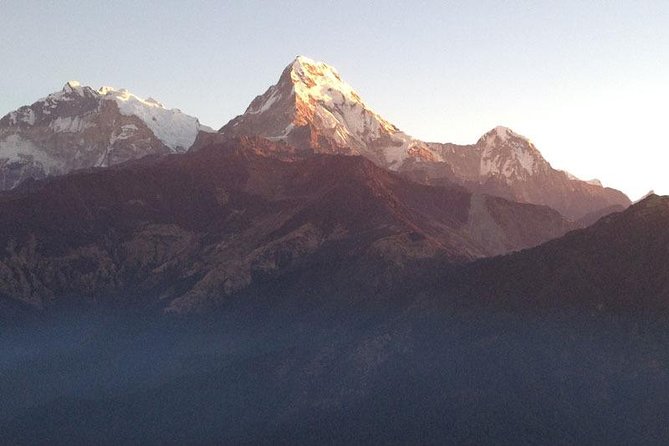
- Poon Hill at 3,210 m for sunrise with mountain views spanning Annapurna and far-off peaks like Dhaulagiri and Manaslu
- Private attached bathroom for 3 nights, which is a big quality-of-life upgrade on short treks
- Included transport connecting Pokhara, Nayapul, and Ghandruk without you figuring out the logistics
- Meal support built in (breakfast, lunch, dinner plus 3 cups of tea per day)
- Guides praised for adapting and caring, including help with comfort and patience on family trips
What you’re really signing up for on Poon Hill
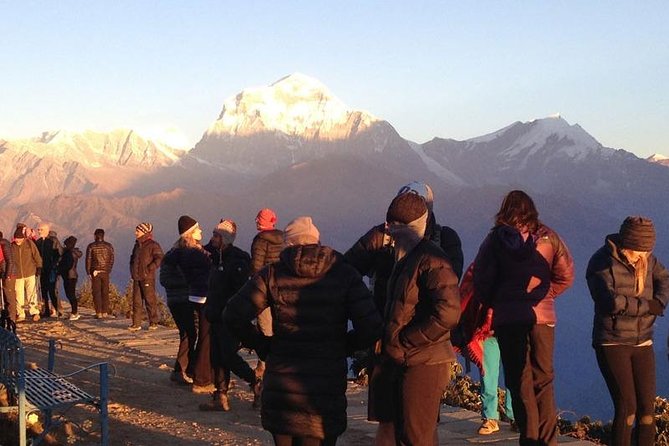
The Ghorepani Poon Hill Trek is short enough to feel doable, but it still delivers the main reason people come to Nepal’s Annapurna region: big high-mountain views at sunrise and a real slice of village life along the way.
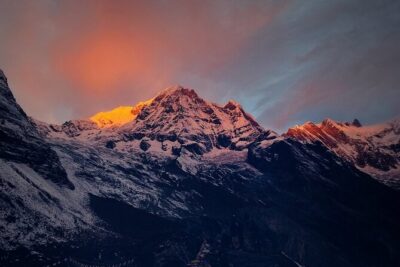
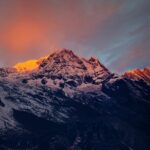
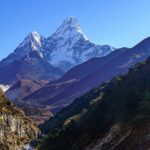
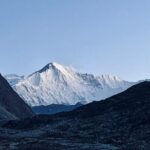
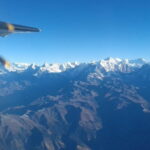
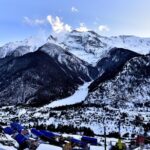
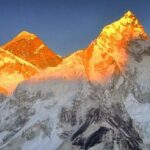
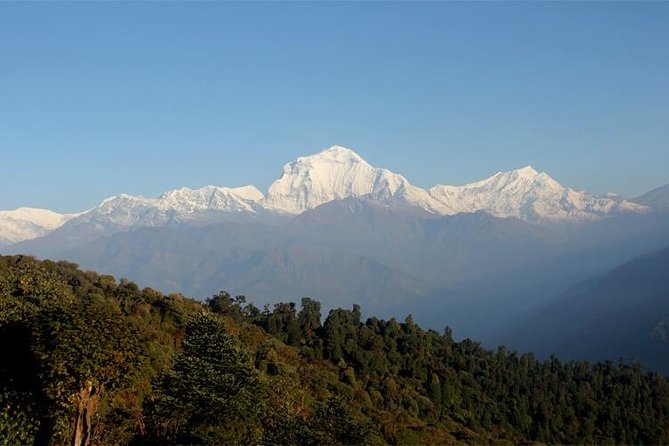
Poon Hill matters because it’s high enough to put you in the middle of the action—your “morning hike of about an hour” is toward the viewpoint above 3,210 m. From there, you’re looking at a long arc of peaks in the Annapurna area, including Annapurna I (8,091 m), Annapurna South (7,219 m), Gangapurna (7,455 m), and Annapurna III (7,555 m). You also get the famous Fish-tail silhouette of Mt. Machhapuchare (6,790 m) in the mix, plus distant names like Mt. Dhaulagiri (8,167 m) and Mt. Manaslu (8,163 m) when the sky cooperates.
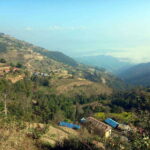
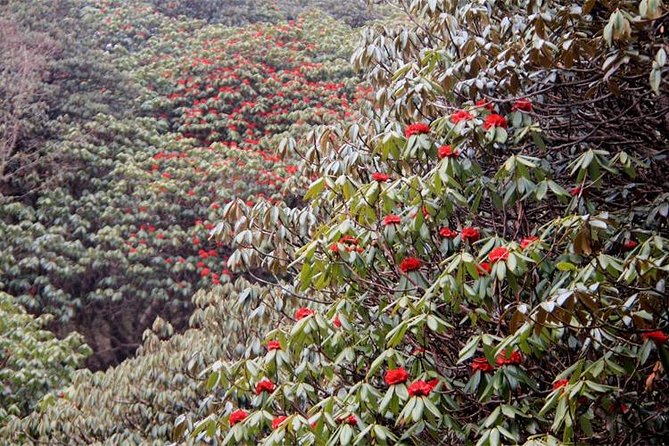
The rest of the trek fills in the “how” behind those views: terraced farmlands, village paths, and forest sections (rhododendron forests are part of the route idea), so you’re not only hiking toward photos—you’re moving through a working region.
One practical note: sunrise hikes in the Himalayas reward good timing. If you hate early alarms, this trek will teach you to either adapt or bring layers for warmth and focus.
You can also read our reviews of more hiking tours in Kathmandu
Price and value: where the $399.67 actually goes
At $399.67 per person (about 4 days), you’re paying for more than walking days. This package bundles several things that typically cost extra when you DIY:
- Licensed guide + permits: the Annapurna Conservation Area Project permit is included, and you travel with a government license holder mountain guide.
- Meals and tea support: breakfast, lunch, and dinner are included (with breakfast listed 4 times; lunch and dinner listed 2 times each), and you get 3 cups of tea per day during the trek.
- Sleep comfort upgrades: there’s 3 night private attached bathroom throughout the trek. On a short trek, that can be the difference between “yes, I’d do this again” and “next time, I’ll rough it.”
- Transport between trail points: you get all ground transportation for the route segments listed (Pokhara → Nayapul → Ghandruk → Pokhara).
What’s not included is also clear, and that helps you budget honestly:
- Porter fees: $20 per day if you choose to hire a porter.
- Tips for your guide
- Travel insurance
- Anything outside the fixed plan (like personal shopping and any extras beyond tea/meals)
The big value trade-off here is comfort and planning. If you want a smooth, guided experience where you’re not coordinating permits, transfers, and daily meals yourself, this price makes sense. If you’re comfortable handling logistics solo and don’t care about private bathrooms, you could probably find cheaper options—but you’d give up time and convenience.
The daily rhythm: Ulleri, Ghandruk, and the stops that matter
This trek runs as a sequence of travel + walking days, with a focus on reaching viewpoint time and ending in a cultural village.
Also, there’s a start time of 1:15 pm at the meeting point, and pickup is offered. That means you’re not beginning with a midnight bus and then disappearing into the dark; you’re starting your trip day with some structure and then building into the hiking days.
Day 1: Drive to Nayapul, then climb into Ulleri
Day 1 begins with a morning two-hour drive to the foothills, passing towns and villages with views of the Annapurna mountain range and the Fish-tail at Machhapuchare. You reach Nayapul (new bridge) and then transition into the walking portion up toward Ulleri.
The Ulleri part is where the trek starts to feel real: you’re gaining elevation while watching the valley geometry change and the mountains grow more present. Expect a full day of moving; the itinerary lists 7 hours connected to this day’s driving/hiking flow.
Practical drawback for Day 1: you’ll likely feel it later. That first climb sets the pace for the rest of the trip, so don’t treat it like a warm-up jog.
Day 2: Uphill to higher trails, with Annapurna South and Machhapuchare in view
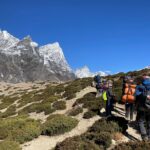
Day 2 is all about the steady work. You start with an uphill walk for about two hours, with views of Annapurna South and Mt. Machhapuchare. After that, the hiking is described as improving as you pass Bhanthati, then continue along a pleasant alpine forest trail.
This is a day you’ll enjoy if you like variety. You’re not just zigzagging uphill; you’re moving through farm edges and forest sections, and those transitions help keep the day mentally fresh. It’s also a good day to test your layering system, because forest shade and open views can make temperatures swing.
If you’re sensitive to altitude or you’ve never done multi-day hikes, Day 2 is likely where you’ll notice your breathing. That’s normal. Take it slow. Let the guide set a pace you can sustain.
Day 3: Poon Hill sunrise at 3,210 m (and the big peak list)
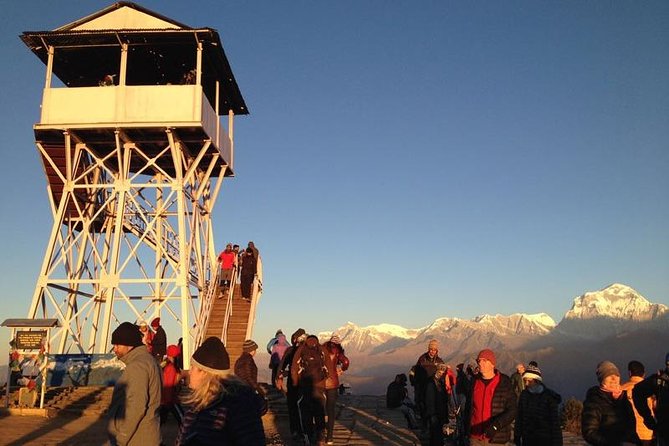
Day 3 is the reason for the trek. You go out early for the Poon-Hill hike to 3,210 m for sunrise.
This isn’t a vague “mountain views” moment. The viewpoint is specifically described as offering a sunrise panorama stretching across multiple major peaks, including:
- Mt. Dhaulagiri
- Mt. Manaslu
- Annapurna peaks (including Annapurna I and Annapurna South)
- Ganesh Himal
- Mt. Machhapuchare (Fish-tail)
One thing I like about this trek design is that you get the sunrise on a high-impact schedule, but the trek itself stays short. You’re not burning 8 hours walking before you even see the payoff.
The drawback is unavoidable: early starts mean you’ll be cold before you’re warm. Bring real layers for dawn, not just a light jacket you’d wear in a city.
Day 4: Downhill into the forest to Ghandruk, then a village finish
Day 4 is gentler in tone: a morning downhill walk into forest that leads to a larger village called Ghandruk.
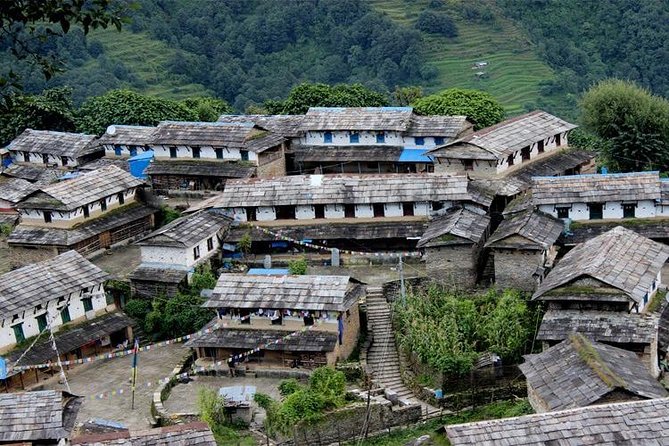
Ghandruk is a highlight because it’s home to the Gurung people. You reach the village for lunch and an overnight stop, with an afternoon that’s free for you to explore.
This ending matters. Most Poon Hill treks can feel like a ladder where you’re only thinking about what’s next on the trail. Here, you get time to slow down, eat, and absorb village life without a constant “keep moving” pressure.
If you want photos beyond the sunrise, Day 4 is your chance—Ghandruk gives you a cultural landing spot rather than just another viewpoint.
Teahouses, meals, and the comfort details that change your mood
On this trek, meals aren’t left to chance. The included plan lists breakfast, lunch, and dinner, and you also get 3 cups of tea per day during the trek.
That matters because it lowers decision fatigue. You’re not hunting for what to eat at the exact moment you’re tired. It also helps you keep energy up for early-morning hiking.
A few “small comfort” points showed up strongly in the feedback I read:
- Cozy dining rooms with fires can make the pre-dawn waiting period easier.
- You might find hot shower options where available, plus wifi where the teahouse can support it.
- Guides like Anos and others are described as being accommodating—including helping with comfort and making sure you’re not stuck with a single food choice.
None of that is a reason to skip common sense. Still pack your layers, and still plan for cold mornings.
And if you want a porter: porter fees are $20 per day and tips for the guide are not included. Some guides may help carry bags at times, but having a plan in place keeps the trek feeling lighter for you.
Guide quality on this trek: what to look for
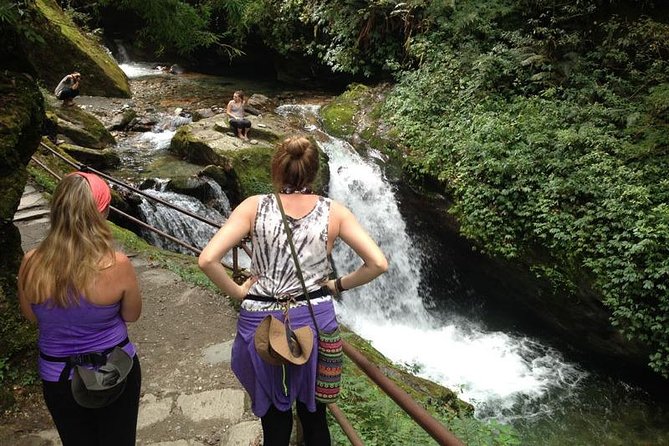
You’ll be with a government license holder mountain guide for the trek, and that’s important on a short route. Short treks don’t leave much room for wasted time; the guide’s job is to keep you moving smartly and safe.
In feedback tied to this trek, guides were praised for:
- Professional, welcoming service (Surya Tamang is mentioned)
- Care and patience, including when traveling with children (a family trek experience mentions a very patient guide)
- Organization and safety, plus willingness to adjust routes (a customized route is mentioned)
- Comfort support, including checking what you need and sometimes helping with bag handling
So here’s the practical takeaway: when you book, make your preferences clear. Tell your guide if you want slower breaks, more photo time, or help managing cold mornings. On a trek this size, those choices noticeably affect the whole experience.
Who this trek fits best (and who might want a different route)
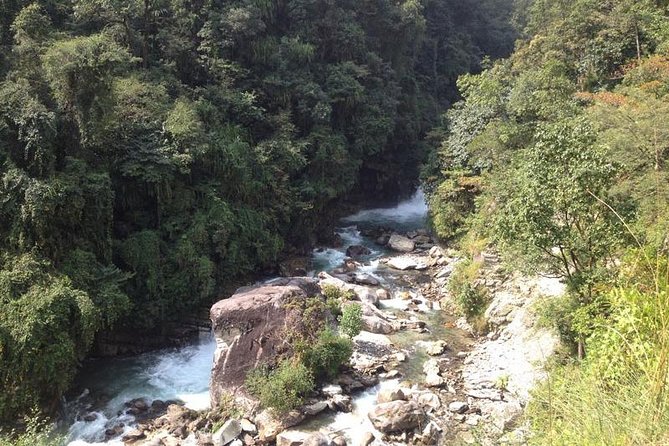
This is the kind of trek that fits people who want real Himalaya scenery without committing to a long, high-alpine grind.
It’s a strong match if you:
- want a beginner-friendly to intermediate hiking window
- like the idea of a sunrise payoff you can build your whole trip around
- prefer private accommodation comfort (private attached bathroom for 3 nights is included)
- travel as a pair, family, or solo and want a guided plan that handles permits and transport
It might be less ideal if you:
- hate early starts and cold mornings
- want a completely easy stroll with no uphill effort
- expect the trek to be fully flat (this route includes uphill and downhill walking segments)
A practical packing checklist for Poon Hill conditions
You’re going to be at elevations tied to Poon Hill above 3,210 m, plus you’ll be walking through forest and village areas. Weather can swing fast in mountain mornings.
Here’s what I’d pack for comfort on this specific trek style:
- Warm layers for dawn (think base layer + fleece/warm jacket)
- A hat and gloves for sunrise cold
- Good grip shoes for downhill segments
- A small daypack for water and layers
- Sun protection (you’re at viewpoint altitude; brightness hits hard)
- Cash for any extras not covered by tea/meals
If you’re hiring a porter (optional), consider how much you truly want on your own shoulders. The included plan doesn’t automatically include porter fees, so decide early.
Should you book the Ghorepani Poon Hill Trek?
If you want a short Nepal trek with a clear goal—sunrise at Poon Hill—and you also care about not living out of a shared bathroom situation, I think this is a smart value.
The strongest reasons to book are:
- Poon Hill at 3,210 m with a real mountain-peaks panorama
- Private attached bathroom for 3 nights
- Meals + tea included, plus transport between the key trail points
- A licensed guide, with feedback highlighting caring, adaptable service
The main reason to pause is the same reason everyone loves the trek: early and uphill days. If mornings at altitude aren’t your thing, you’ll feel it more than the average person.
If you’re trying to decide, I’d say book it if you match the pace and can handle sunrise mornings. If you need a slower start and more flexible timing, ask the company about what route adjustments are possible before you pay.
FAQ
How long is the Ghorepani Poon Hill Trek?
The trek is listed as 4 days (approx.).
What is included in the trek price?
Included items are 3 meals during the trek (breakfast, lunch, dinner), 3 cups of tea per day, the Annapurna Conservation Area Project permit, a government license holder mountain guide, 3 night private attached bathroom throughout the trek, and all ground transportation for the route segments listed.
What is not included?
The package does not include tips for the guide, travel insurance, and porter fees of $20 per day.
Is pickup included?
Yes, pickup is offered, and the meeting point start time is listed as 1:15 pm.
At what height is Poon Hill?
Poon Hill is described as a viewpoint at 3,210 m.
Is this a private tour?
Yes. It’s listed as a private tour/activity, and only your group will participate.
Do you get private bathrooms on the trek?
Yes. The trek includes 3 night private attached bathroom throughout the trek.
What’s the cancellation policy?
The experience offers free cancellation. You can cancel up to 24 hours in advance of the experience start time for a full refund.
Are service animals allowed?
Yes, service animals are allowed.