REVIEW · KATHMANDU
10 Days Manaslu Circuit Trek in Larke La Pass
Book on Viator →Operated by Himalayan Scenery Treks and Expedition - Private Day Tours · Bookable on Viator
5,160 meters changes your mood. This 10-day Manaslu Circuit trek aims right for Larke La Pass at 5,160m, with days built around acclimatizing and living like you’re part of the mountain villages.
I especially like two things about how this trek is run. First, the guidance quality comes through clearly in feedback: leaders like Narayan Ntc get praise for pacing people carefully and keeping the group moving even when roads and weather don’t cooperate. Second, this trip takes altitude safety seriously with an oximeter used to track pulse, oxygen saturation, and heart rate twice daily, plus a medical kit. The main drawback to consider is that the trek includes long driving days (about 8 to 9 hours each way) and you’ll still be climbing high even with smart planning.
In This Review
- Key Things That Matter on This Manaslu Circuit Trek
- Larke La Pass at 5,160m: the highlight and the reality check
- The trip’s driving rhythm: long days before you even start walking
- Day-by-day trail notes: from Machha Khola to Besisahar
- Day 1: Kathmandu to Machha Khola, then settle in
- Day 2: Jagat via the Budi Gandaki river and Gurung villages
- Day 3: Jagat to Deng, with river crossings and Philim connection
- Day 4: Deng to Namrung with a suspension bridge and climbs
- Day 5: Namrung to Sama Gaon, a solid distance day
- Day 6: Acclimatization in Sama Gaon (Pungyen Gompa or Manaslu Base Camp options)
- Day 7: Sama Gaon to Dharamsala, yaks and higher-altitude vibes
- Day 8: The longest day so far, Dharamsala to Bhimtang
- Day 9: Bhimtang to Dharapani, a descent through Karche
- Day 10: Dharapani to Besisahar, then onward drive back
- Tea houses and shared lodges: comfort without pretending it’s a hotel
- Permits and safety systems that reduce guesswork
- Price and value: what $1,049 buys you (and what it doesn’t)
- Who this Manaslu Circuit trek fits best
- A few things to keep realistic before you book
- Should you book this 10-day Manaslu Circuit trek?
- FAQ
- FAQ
- What is the duration of the trek?
- Where does the trek start and end?
- What is the main high point of the trek?
- What permits are included?
- What kind of accommodation is included during the trek?
- Is a guide and porter included?
- How does the trip handle altitude safety?
- Are meals included?
- What’s not included in the price?
- What is the maximum group size?
Key Things That Matter on This Manaslu Circuit Trek
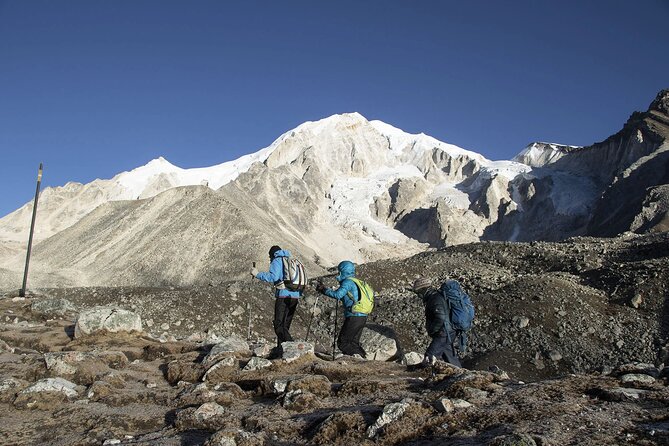
- Larke La Pass target at 5,160m for big panoramic payoffs
- Oximeter checks twice daily (pulse, oxygen saturation, heart rate) for altitude awareness
- Small group size (max 20 people) for a more controlled experience
- Government-licensed guide + porter support (1 for 2 trekkers) to help lighten the load
- Permits included for ACAP, MCAP, and restricted-area entry
- Acclimatization day in Sama Gaon with options like Pungyen Gompa or Manaslu Base Camp
Larke La Pass at 5,160m: the highlight and the reality check
The headline here is the Larke La Pass summit at 5,160 meters. That number matters because it’s the kind of altitude where your breathing, sleep, and appetite can change fast, even if you’re in decent shape.
What I like is that the trip isn’t just selling a peak. It also includes altitude monitoring details that you can actually use: an oximeter is part of the safety rhythm, checked twice daily to watch pulse, oxygen saturation, and heart rate. That’s not a magic shield, but it’s a practical way to spot trouble early rather than guessing. You’re also traveling with a government-licensed guide and a porter system designed to keep you moving without hauling everything yourself.
The reality: this still asks you to walk uphill at altitude for multiple days, including a longer day later in the hike. If you hate hard schedules, or if you’re dealing with health issues that make altitude risky, you should talk with a clinician before committing.
You can also read our reviews of more hiking tours in Kathmandu
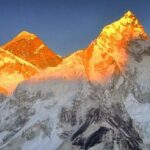
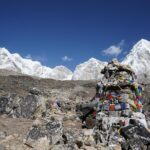
The trip’s driving rhythm: long days before you even start walking
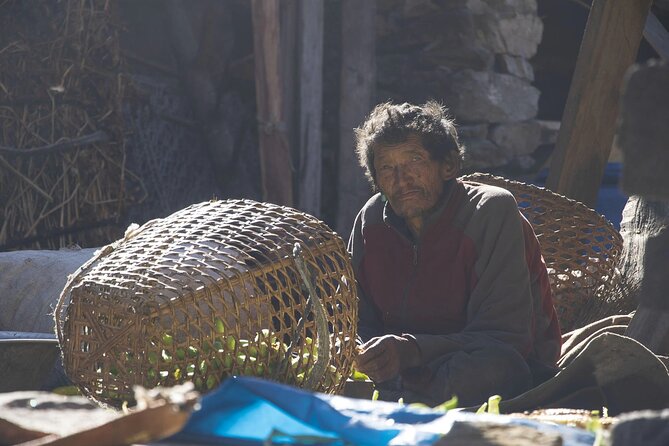
This trek has a classic “Nepal math” setup: you spend a big chunk of Day 1 getting into position. The drive from Kathmandu to Machha Khola takes around 8 to 9 hours. You can choose private or shared vehicle, depending on what you select, and that choice can affect your comfort level.
On the last day, you’ll leave the mountains behind with a drive from Dharapani back toward Kathmandu that’s also about 8 to 9 hours, with the option to continue onward to Pokhara. So even if the trekking days are the main event, the trip has a travel-day feel at both ends.
If you’re prone to feeling wiped out by long rides, plan for a slower first half of the itinerary mentally. You’ll have plenty of walking ahead, so you want your energy intact when the trail begins.
Day-by-day trail notes: from Machha Khola to Besisahar
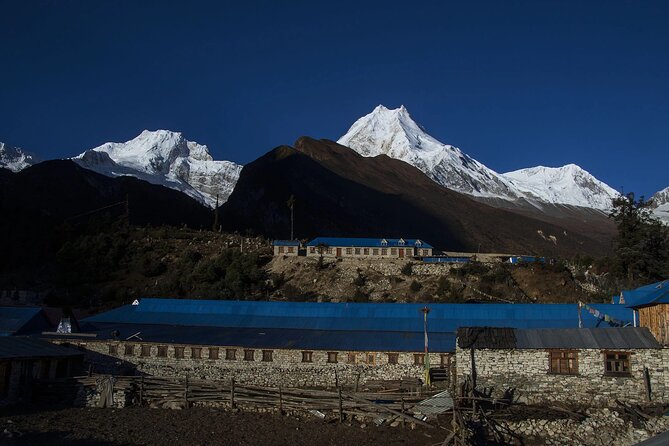
Below is what you can expect on each stretch, plus what’s worth paying attention to.
Day 1: Kathmandu to Machha Khola, then settle in
You start with a scenic drive from Kathmandu to Machha Khola that takes roughly 8 to 9 hours. This is a good moment to get your gear sorted, confirm your lodge setup for the night, and keep water intake steady before the first real trekking day.
What to love: the trek starts by easing you into the rhythm, with the mountain region becoming real as the drive rolls on.
What to watch: it’s a long day before you even pack your boots. Don’t plan big sightseeing on the front end—save your legs.
Day 2: Jagat via the Budi Gandaki river and Gurung villages
Day 2 shifts from road to trail as you walk from Machha Khola to Jagat. You’ll follow along the Budi Gandaki river bank, and the route passes Gurung villages, including the kind of village scenery that makes this circuit feel lived-in rather than just scenic.
The walking time is about 6 hours. This is one of those early days where you’re building stamina without turning it into a suffering contest.
Value for your experience: village trails teach you how to move. You learn where the rhythm feels natural, and you start seeing the human side of the region.
Day 3: Jagat to Deng, with river crossings and Philim connection
You trek from Jagat to Deng for around 6 to 7 hours. The day includes a river crossing and a move toward Philim as you progress.
This is a middle-momentum day: enough effort to keep you honest, but not so long that you’re cooked before you reach the higher zone.
Consideration: river conditions can change your footing and pace. Build in buffer time for careful steps.
Day 4: Deng to Namrung with a suspension bridge and climbs
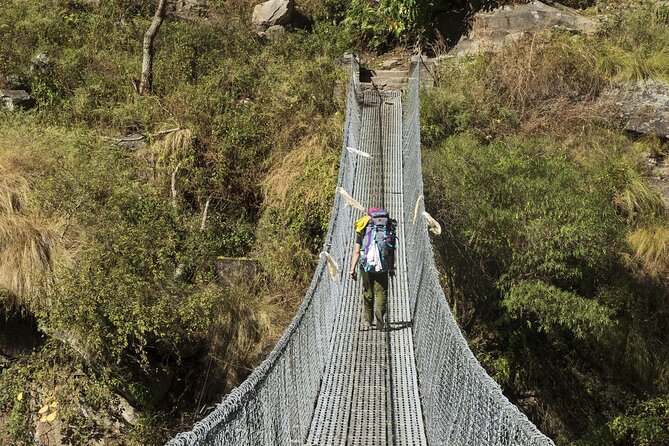
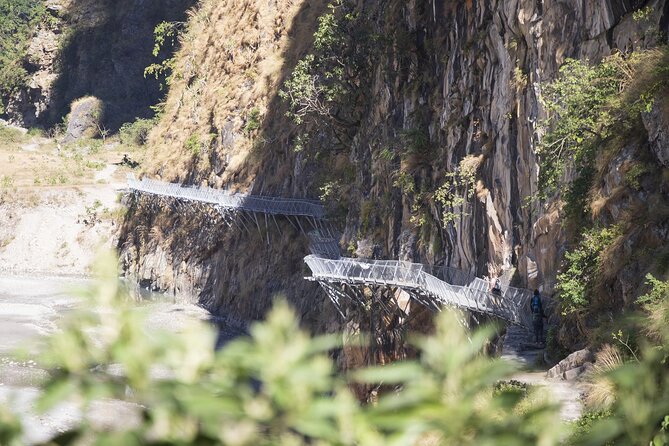
Day 4 takes you from Deng to Namrung in about 7 to 8 hours. Along the way, you cross a suspension bridge and ascend toward Rana and Bihi Phedi.
This is the kind of day that’s partly about strength and partly about footwork. Suspension bridges can feel bouncy, especially when you’re tired, so slow down and keep your stride controlled.
Why it’s a key day: Namrung is part of the circuit’s build-up toward bigger altitude challenges, so your pace and hydration choices here echo later.
Day 5: Namrung to Sama Gaon, a solid distance day
From Namrung to Sama Gaon is a longer leg: about 15.5 kilometers (9.63 miles) and roughly 6 to 7 hours. This is a “get in your cruising gear” day—steady pace beats sprinting.
The win is that reaching Sama Gaon sets you up for the acclimatization-focused day that follows.
Practical tip: since you’ll be adjusting over the next days, protect sleep quality and don’t drink alcohol (not included anyway) hoping it will help you sleep.
Day 6: Acclimatization in Sama Gaon (Pungyen Gompa or Manaslu Base Camp options)
Day 6 is an important break for your body. You stay in Sama Gaon for acclimatization and have two day-trip options:
- Pungyen Gompa to the east of the Nubri Valley
- Manaslu Base Camp area
The time frame listed for this day trip is around 5 hours. These options can help you stay active without forcing a “full trek day” climb again.
What I like about this design: acclimatization built into the itinerary. It’s not optional advice you ignore; it’s baked in.
What to watch: even on a shorter outing, altitude fatigue still counts. If you feel off, you don’t need to prove anything on summit-style walks.
Day 7: Sama Gaon to Dharamsala, yaks and higher-altitude vibes
You trek from Sama Gaon to Dharamsala in about 6 to 7 hours. The trail enters the land of yaks, and that shift in animal life often comes with a more open, higher feeling.
This day helps carry you forward while giving your body time to adjust—again, not just for the map, but for your lungs.
Why this matters: it keeps you moving toward Larke La preparation without jumping too fast.
Day 8: The longest day so far, Dharamsala to Bhimtang
Today is the longest walk, about 8 to 9 hours, from Dharamsala to Bhimtang. The trek is challenging but rewarding, and it’s clearly tied to getting you ready for the Larke La area.
How I’d approach it: treat this like your “engine day.” Start slower than you think you need to, because late-day fatigue hits hard at altitude.
What to watch: long days are where you run out of snacks, water, or patience. Keep fueling simple and consistent. Don’t try new eating experiments at 4,000+ meters.
Day 9: Bhimtang to Dharapani, a descent through Karche
Day 9 moves from Bhimtang to Dharapani in about 8 hours. The trail gradually descends through Karche, and the surroundings start to open up compared with the higher stretch.
Descent days can feel like recovery, but they still tax your knees and ankles. Keep your steps short, and don’t let the downhill tempt you into faster-than-safe walking.
Why it’s good: you’re not just dropping altitude; you’re also re-entering a more village-connected feel with a named settlement on the route.
Day 10: Dharapani to Besisahar, then onward drive back
On the final trekking portion, you go from Dharapani to Besisahar, listed at around 1 hour. Then you continue by scenic drive back toward Kathmandu or Pokhara, depending on what you choose once you reach Besisahar.
This is the last transition day where your legs feel surprised that the trek is over, and your mind is still half in trail mode.
What to love: the finish lets you move from mountains to cities without dragging it out for days.
Tea houses and shared lodges: comfort without pretending it’s a hotel
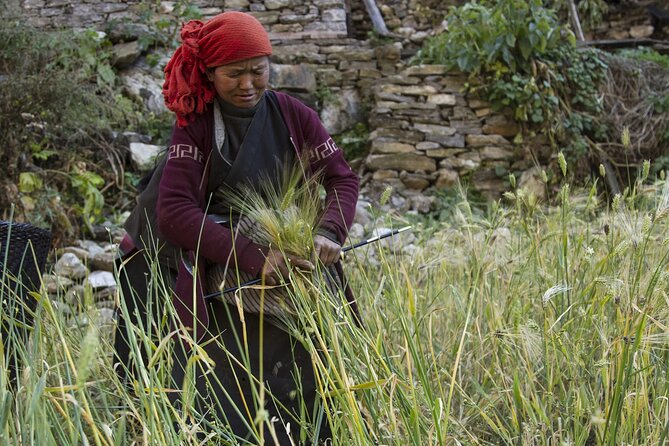
The trip includes accommodations in trekking lodges (tea houses) shared with other trekkers. That’s typical for this region and part of the experience, but it also means you’re signing up for simple lodging rather than private comfort.
You do get practical extras that reduce hassle: a trekking map, a trekking hat, and a duffel bag, plus a trip achievement certificate. Even if the certificate won’t change your life, it helps mark the end of a serious effort.
Meals are included on the trail in a set pattern: 10 breakfasts, 9 lunches, and 9 dinners. What’s not included is the comfort stuff that people often assume will be free: battery charging, internet, and hot shower aren’t covered.
My advice: pack like showers might be basic or timed. Plan to keep devices charged when possible, not as a daily guarantee.
Permits and safety systems that reduce guesswork
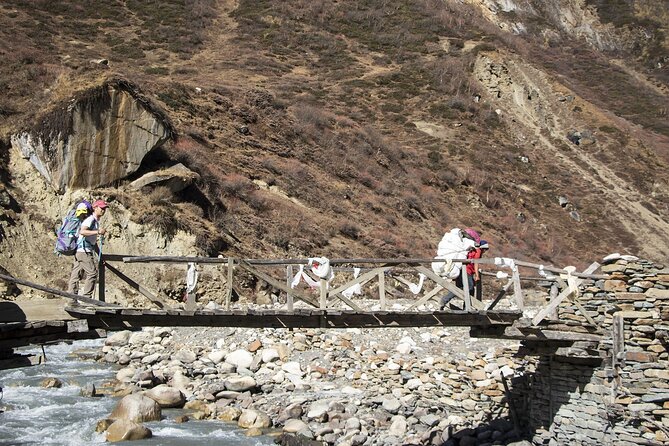
Manaslu is not one of those places you just wander into. This trek covers permits, including:
- ACAP
- MCAP
- restricted area entry permits
That matters because paperwork issues can ruin a trip. Having it included means your plan matches the reality of the region’s rules.
On the safety side, the trip lists:
- a medical kit with a first aid kit
- oximeter monitoring twice daily
- severe case evacuation management
- accident insurance for staff
I like that the plan isn’t only a “good luck” attitude. The monitoring system is specific enough to feel real, not vague.
And yes, there’s a porter plan. You get one porter for every two trekkers, including food, accommodation, transport, insurance, and salary. It’s a smart balance: you still carry your personal essentials, but your load isn’t meant to turn every day into a backpack misery competition.
Price and value: what $1,049 buys you (and what it doesn’t)
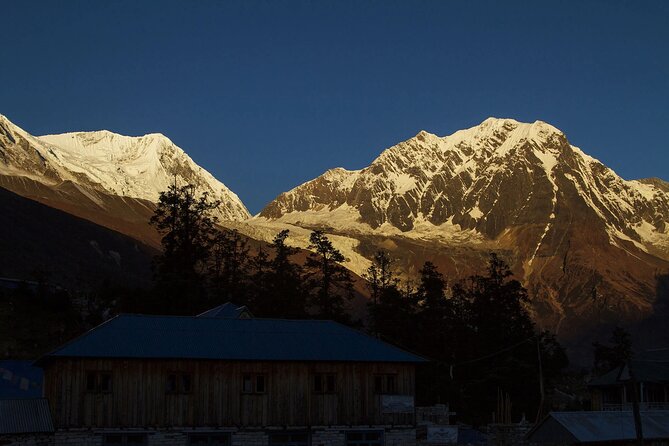
At $1,049 per person for about 10 days, the value depends on what you’d otherwise pay if you tried to DIY.
Here’s what’s covered that would cost real money on your own:
- permits (ACAP, MCAP, restricted areas)
- the government-licensed guide, including salary plus food/drinks/accommodation/transport/insurance
- the porter support (1 for 2 trekkers), with their included costs
- shared vehicle transport: Kathmandu to Machha Khola, and Dharapani back to Kathmandu
- the daily meal package on the trail
- the oximeter and first aid kit
- staff evacuation management for severe cases
What’s not included:
- private transportation
- meals and hotel accommodation in Kathmandu
- the Nepal entry visa fee (listed as $15–$125)
- alcoholic and non-alcoholic drinks
- battery charging, internet, hot shower
- tips for guide, porter, and driver
So the “price” is really a “risk and logistics package.” You’re paying to reduce uncertainty: guides, permits, monitoring, and a transportation plan are handled for you.
If you’re the type who enjoys planning every detail yourself, you might find cheaper options. But if you want fewer moving parts and a well-run pace on a high-altitude trek, this price starts to look fair.
Who this Manaslu Circuit trek fits best
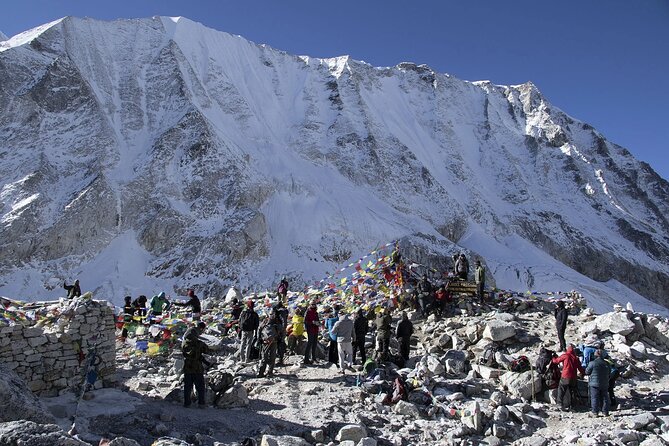
This trek is aimed at people with moderate physical fitness. That’s a useful phrase because it implies you don’t need to be an ultra-runner, but you do need to walk consistently for 6 to 9 hours on multiple days and handle altitude.
It also suits you if you like:
- trekking with a small capped group (max 20 people)
- having permit paperwork handled
- guided pacing and support, especially at higher altitudes
From the feedback, two guide traits show up often: leaders like Gopal are described as motivational when people feel the altitude, and Kathmandu support through Naresh is praised for being easy to deal with and organized. That kind of “people skills” is not guaranteed everywhere, and it matters on a trek.
A few things to keep realistic before you book
The biggest thing to be honest about is altitude plus time. The itinerary includes a demanding longer day around Bhimtang, and you’re working your way toward Larke La Pass. Good planning helps, but your effort and how your body responds still drive the experience.
The second thing is comfort expectations. Tea houses mean shared, basic lodging. Your comfort level will be tied to weather, altitude fatigue, and how well you sleep with simple conditions.
Finally, keep money for the extras. The trip covers your trail meals and essential logistics, but drinks, hot shower, and charging aren’t included. Tipping is also not covered.
Should you book this 10-day Manaslu Circuit trek?
I’d book it if you want a structured Manaslu Circuit with permits included, porter support, and a clear altitude safety approach using an oximeter. I’d also book it if you prefer not to wrestle with logistics after a long drive and a hard walk.
I would think twice if you:
- want private, hotel-level comfort every night
- hate long travel days (8 to 9 hours of driving each way)
- have medical concerns that make high altitude risky without close supervision
If you fall in the middle, the decision comes down to attitude. This is the right kind of trek for you if you like steady progress, village-to-village walking, and a big summit goal you can earn day by day.
FAQ
FAQ
What is the duration of the trek?
It’s listed as 10 days (approx.).
Where does the trek start and end?
It starts in Kathmandu with transport to Machha Khola. It ends with travel onward from Besisahar toward Kathmandu or Pokhara after the final trek day from Dharapani to Besisahar.
What is the main high point of the trek?
The highlight is reaching Larke La Pass at 5,160 meters.
What permits are included?
Permits included are ACAP, MCAP, and restricted area entry permits.
What kind of accommodation is included during the trek?
You stay in trekking lodges (tea houses) shared with other trekkers.
Is a guide and porter included?
Yes. A government licensed guide is included, and a porter is included at a ratio of 1 porter for every 2 trekkers.
How does the trip handle altitude safety?
An oximeter is included, and pulse, oxygen saturation, and heart rate are monitored twice daily. There is also a medical kit with a first aid kit and severe case evacuation management.
Are meals included?
Yes. Breakfast is included for 10 days, and lunch and dinner are included for 9 days each.
What’s not included in the price?
Not included are private transportation, Kathmandu hotel meals and accommodation, the Nepal entry visa fee, drinks, battery charging, internet, and hot shower. Tipping for guide, porter, and driver is also not included.
What is the maximum group size?
The trek has a maximum of 20 people.