REVIEW · KATHMANDU
Manaslu Circuit Trek 13 Days
Book on Viator →Operated by Trek Mania Nepal · Bookable on Viator
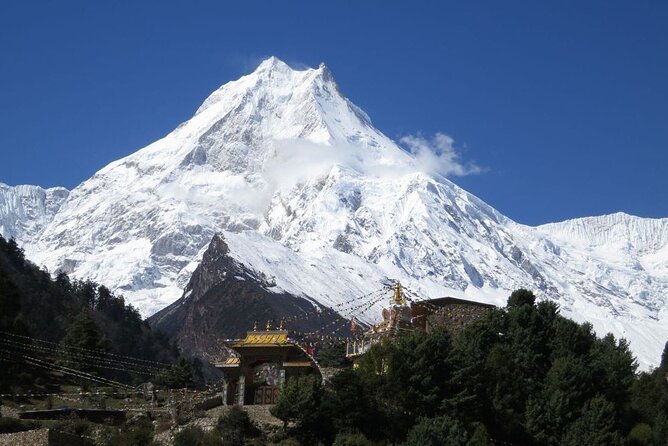
Himalaya views start on day one. This 13-day Manaslu Circuit route mixes big mountain scenery with days in Gurung, Tamang, and Tibetan Buddhist villages, with monasteries and mani walls showing up often. You’re also building toward the trek’s signature moment at Larkya La, with a turquoise glacial-lake stop and a base-area viewpoint along the way.
I especially like two things: first, the trip handles the heavy paperwork for you—Manaslu Conservation Area fees, the Manaslu Special Permit, Annapurna Conservation Permit, and the TIMS card—so you’re not scrambling after you arrive. Second, the guide support has a strong track record; names that came up in feedback include Devaraj’s team during coordination, plus guides like Kumar, Hem, Pradip, and Rajesh, described as organized, friendly, and quick to answer questions.
One consideration: meals and trek accommodation are not included in the stated package, so you’ll want to budget for daily food and where you sleep along the trail. That’s normal for most circuits, but it’s still a real cost you manage during the trek.
In This Review
- Key highlights to look for
- Why the Manaslu Circuit feels different (and worth your time)
- Price and logistics: what you’re actually paying for
- Kathmandu to Machha Khola: the long first day that sets your rhythm
- Budhi Gandaki Valley villages: Jagat, Sirdibas, Philim, and Deng
- Ghap to Lho: Serang Monastery, Namrung’s Tibetan feel, and the Manaslu-range payoff
- Shyala to Samagaon: alpine vegetation, yak-trade history, and acclimatization by design
- Pungyen Gompa, Birendra Taal, and the base-area experience
- Larkya Bazaar to Dharmsala: trading history on the route to the pass
- Larkya La Pass day: the big viewpoint that tests weather and pacing
- Tilche to Tal: forests of rhododendron, pines, and oaks
- Tal to Besisahar and back to Kathmandu: your final descent
- Who should book this Manaslu Circuit trek?
- Should you book Trek Mania Nepal’s 13-day Manaslu Circuit?
- FAQ
- How long is the Manaslu Circuit trek?
- Where does the trek start and end?
- Is pickup included?
- What’s included in the price besides the guide?
- Are meals included during the trek?
- Is accommodation during the trek included?
- Do I need to arrange porters?
- What fitness level do I need?
- What happens if weather is poor?
Key highlights to look for
- Permits handled: Manaslu Conservation Area fees, Manaslu Special Permit (seven days only), Annapurna Conservation Permit, and TIMS card are included.
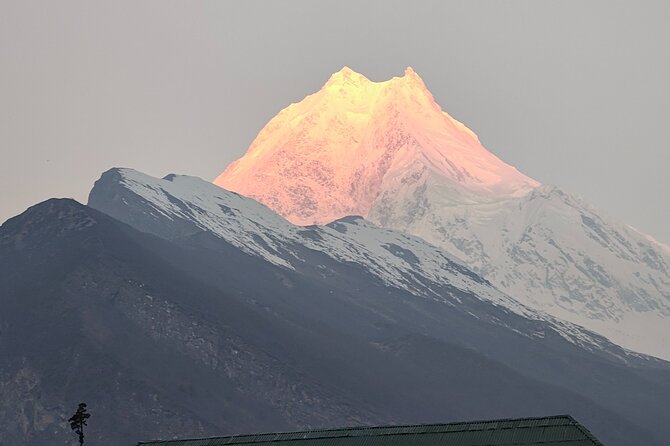
- Larkya La day: the trek’s biggest viewpoint is planned around the pass, with Manaslu range and Syacha Glacier views.
- Birendra Taal’s color: the turquoise lake is explained as a glacial-color effect from decomposition at the lake’s bottom.
- Monastery-rich route: chortens, mani walls, and stops at places like Serang Monastery and Pungyen Gompa shape the cultural feel.
- Strong guide energy: guides such as Hem, Kumar, Pradip, and Rajesh were specifically praised for organization and caring leadership.
- Added comfort touches: you get a trekking map (with company logo), a t-shirt, duffel bag, and a first-aid medical box.
Why the Manaslu Circuit feels different (and worth your time)
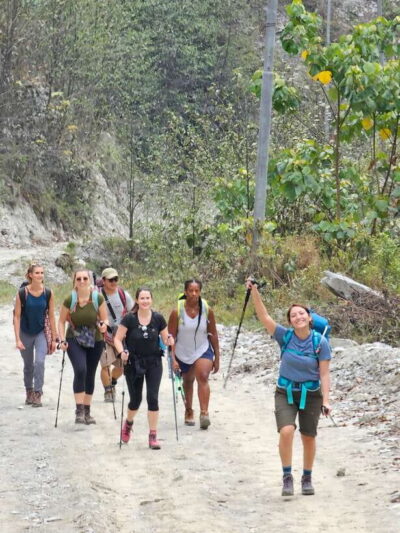
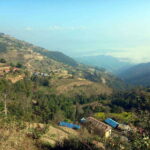
If you’ve only done the more famous Nepal routes, Manaslu can feel like a breather. You still get high Himalayan views, but the itinerary leans hard into villages, monasteries, and long, river-valley walks where daily life is the main show. Days don’t just move you forward—they also give you time to notice the details: painted gate entrances, prayer wheels, chortens, and the rhythm of walking through terrace farming and forest.
A lot of the “special” comes from how the route is spaced out. You’re not always doing maximum exertion back-to-back. There’s a day trip to Pungyen Gompa, a base-area viewing day, and a stop at Samdo before the big pass push. That pacing matters because it makes acclimatization feel more natural than forced.
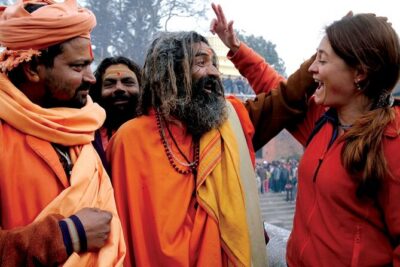
Culturally, the trek is built around the overlap of Tibetan Buddhist practice with local Gurung and Tamang communities. You’ll see that in the monasteries and the trail markers—mani walls, chortens, and painted religious imagery that keeps showing up as you travel upward.
You can also read our reviews of more hiking tours in Kathmandu
Price and logistics: what you’re actually paying for
At $1,400 per person, the real question is not just the number—it’s what’s folded into that price. In this package, you’re paying for:
- A licensed, English-speaking trekking guide (government license holder)
- Trekking permits: Manaslu Conservation Area fees + Manaslu Special Permit (seven days only) + Annapurna Conservation Permit + TIMS card
- Public transportation
- A first-aid medical box
- A farewell dinner
- A trekking map (company logo), t-shirt, and duffel bag
- Taxes and fees
What’s not included is equally important:
- Meals during the trek
- All accommodation during the trek
- Visa fee and international airfare
- Porters
- Travel insurance / rescue costs
- Personal expenses (like charging, drinks, laundry)
- Tips for guides and porters
So the value is best if you want the “big infrastructure” handled: permits, guide, and core logistics. If you prefer maximum control over lodge choices and meal timing (and you don’t mind managing extra costs), the separate meal/lodge budget may feel fine. If you’re hoping for a fully packaged, everything-paid experience, this one won’t match that expectation.
Also, it’s set up as a private tour/activity, meaning it’s only your group. That often helps on trek: fewer “everyone follow the pace” moments, and more space for the guide to adjust the rhythm to your team.
Kathmandu to Machha Khola: the long first day that sets your rhythm
Day one starts with an early morning drive out of Kathmandu on a comfortable deluxe bus. You’ll follow the Trishuli River and the Budi Gandaki River corridor, which is your first big taste of Nepal outside the city. The travel time is long—listed at around 12 hours—which usually means you’ll arrive thinking more about settling in than doing anything else.
Why this matters: a strong trek starts before your feet hit the trail. Using that first day for transportation lets you begin walking already mentally committed. It also gets you oriented to the river-valley terrain: later on, much of the route follows river shapes and crossing points.
If you get motion-sickness, this is the day to plan for it. And if you’re trying to keep energy for tomorrow’s walk, you’ll want an easy evening and a good sleep.
Budhi Gandaki Valley villages: Jagat, Sirdibas, Philim, and Deng
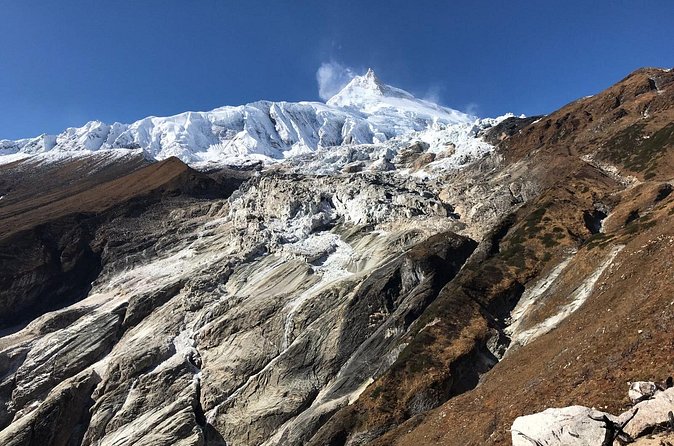
Once you’re walking along the Budhi Gandaki corridor, the route becomes a sequence of village introductions and “how the land works” moments. From Machha Khola to Jagat, the trail is described as easier, passing paths lined with wild marijuana plants and then descending into the Budhi Gandaki gorge. That tells you the trek isn’t just one continuous climb—it has undulations tied to the terrain.
From Jagat, the next big pattern is crossing and continuing along the river’s edge. Day three moves you toward Sirdibas after crossing a rocky ridge, then continues with river-bank views of peaks like Shringi Himal and Langju Himal. It’s the kind of day where the views can show up “between” villages, not just at the end of the day.
Then you hit a chain of culturally meaningful stops:
- Philim: terraced fields and a strong sense of local life around Buddhist religious markers
- Ekle Bhatti: a small isolated rest point—nice when you need a break before pushing farther
- Deng: a vibrant village reached by crossing a suspension bridge, then walking through lush subtropical forests. A painted Kani gate welcomes you in, which is exactly the kind of small detail that makes the trail feel real.
The practical takeaway: these days are about stamina and consistency. Your goal is to keep moving steadily so the walk feels manageable, not rushed.
Ghap to Lho: Serang Monastery, Namrung’s Tibetan feel, and the Manaslu-range payoff
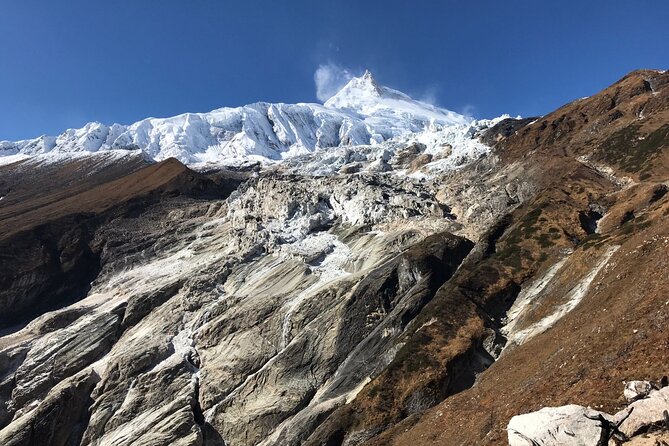
Day four is one of those days that mixes “quiet walking” with meaningful cultural interruptions. You start by reaching Bihi Phedi, described as a settlement split into three clusters of houses. That kind of village layout often means short steep sections and switchbacks, so legs get warmed up fast.
From Bihi Phedi, the trail descends zigzagging toward Ghap, passing Serang Monastery—colorful paintings and intricate Buddhist figure carvings. This is a good moment to slow down and actually look. Monasteries here aren’t just scenery; they’re part of the walking system, where people stop, offer respects, and keep the trail spiritual.
Next comes Namrung, described as the Nepali version of Tibet. Even if you’ve never been to Tibet, you’ll recognize the feel: Tibetan-style religious markers, Buddhist-practice architecture, and a more remote vibe as you get higher.
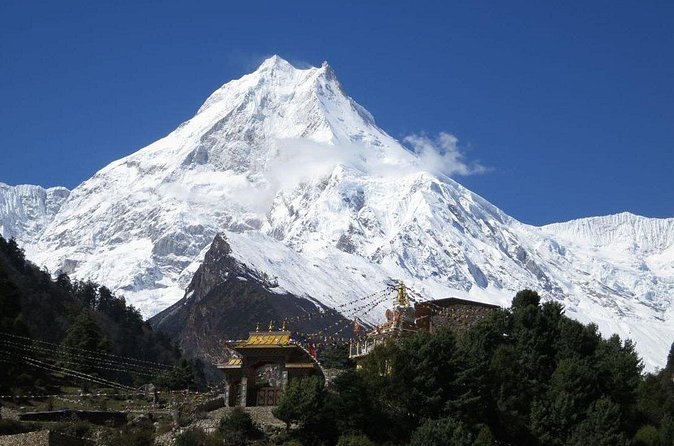
Finally, the day ends at Lho, a high-viewpoint village known for some of the best panoramic looks at the Manaslu ranges. Lho is also tied to grand monasteries—so you get both mountain drama and spiritual focus in the same place.
This stretch is where you’ll likely start thinking: okay, this is the real circuit now.
Shyala to Samagaon: alpine vegetation, yak-trade history, and acclimatization by design
Day six shifts the scenery noticeably. From Lho you pass through an alpine vegetation forest that once served as an ancient yak caravan route, where timber was exchanged with Tibet. That detail gives this trek an extra layer: you’re walking on a corridor that was moving goods and people long before today’s trekking maps.
You’ll also catch fleeting views of Ngadi Chuli, and then continue down to Samagaon (Samagaun). Samagaon is described as peaceful and spiritual, with a landscape that feels made for rest. And that rest isn’t just for comfort; it’s helpful for a later push.
This is also a pattern the trek uses well: it gives you enough “up” and “down” to keep your body adapting. You’re not always climbing to the highest point possible each day.
Pungyen Gompa, Birendra Taal, and the base-area experience
Day seven is a day trip to Pungyen Gompa. The walk includes retracing steps to a junction, heading northwest, passing two small chortens, then ascending toward the gompa. Day trips like this work because you get something meaningful without a full “move camp” logistics day. It’s also a nice chance to see how the cultural markers sit in the terrain—monasteries aren’t stuck in villages; they’re part of the climb.
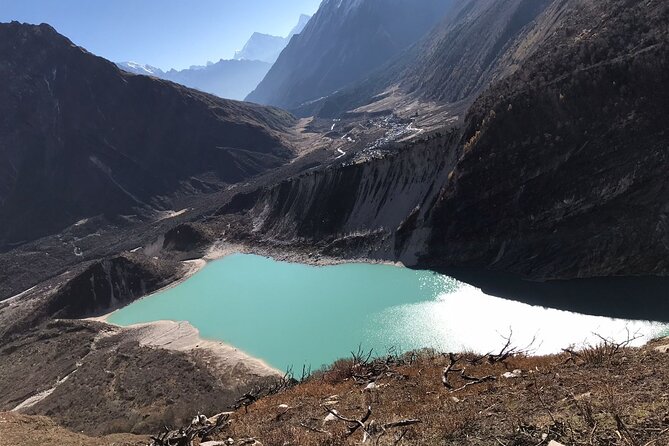
Then day eight delivers one of the trek’s most memorable nature stops: Birendra Taal, a turquoise glacial lake named after King Birendra. The description explains the color effect from glacial decomposition at the lake’s bottom. I like that level of specificity—it helps you understand why the lake looks the way it does instead of treating it like a postcard.
After Birendra Taal, you continue to the Manaslu Base Camp area, where the main trail is bypassed on this journey. You still get views, plus surrounding Mani walls and the sight of Samdo Peak from the Samagaun area. Then the day ends in Samdo, a resting village positioned before the final ascent toward the pass zone.
Why this section is valuable: it blends the spiritual with the physical. One day you’re focused on monasteries and prayer markers; another day you’re focused on a glacial lake and base-area views. That mix keeps the trek from feeling one-note.
Larkya Bazaar to Dharmsala: trading history on the route to the pass
Day nine brings Larkya Bazar, described as an ancient market and a historical trading hub. If you like seeing how trade shaped mountain life, this stop hits a sweet spot: it breaks up the steady trekking mood with a hint of the “old route” story.
Next is Dharmasala (Dharamsala), reached by a steep ascent. The itinerary calls out altitude as a factor for breathing, and it describes trails marked by chortens, mani walls, and glaciers, plus juniper bushes. Even without exact timings, you can read the intent here: you’re preparing your body for the pass day by getting into the upper zone.
This is the point where you’ll feel the trek’s stakes. You’re close to the Larkya La highlight, and weather can become a bigger deal. Keep hydration and pace conservative—don’t turn this into an all-out day.
Larkya La Pass day: the big viewpoint that tests weather and pacing
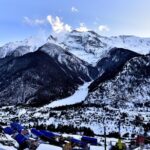
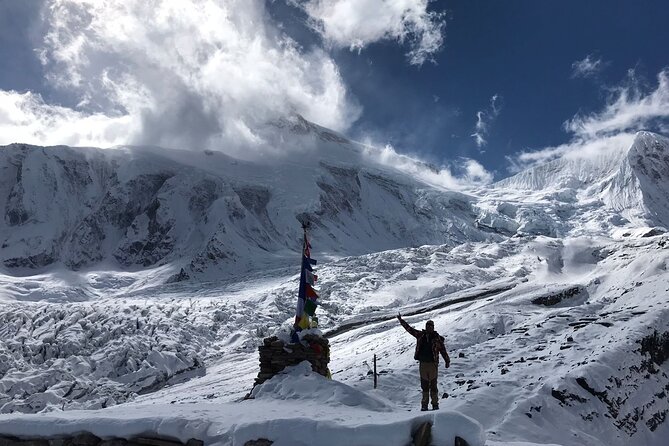
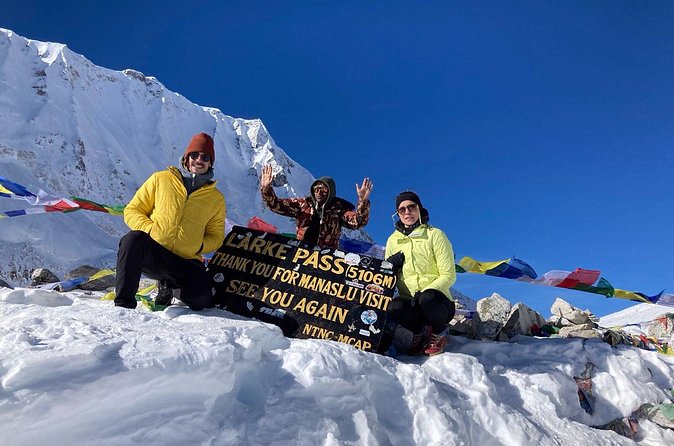
Day ten is built around Larkya La Pass, the trek’s highlight. You’re going up through glacier scenery with chortens and mani walls along the way, and you get breathtaking views of the Manaslu range and Syacha Glacier, plus the surrounding snow-capped peaks.
This is also the day where you’ll want to be smart about expectations. The itinerary makes it clear this trek depends on good weather. High-mountain viewpoints can vanish behind clouds or rough conditions. So your best bet is to plan for the pass day as “go early, move steadily, watch the sky,” not as a guaranteed photo mission.
After crossing, you continue to Bimthang for rest. That’s exactly the kind of “downshift” you want after a pass day—space to recover and re-center.
Tilche to Tal: forests of rhododendron, pines, and oaks
Day eleven takes you through Tilche, and the biggest change is the vegetation. After descending from Larkya La, you get closer views of mountains alongside a forest walk through rhododendrons, pines, and oaks. The tone shifts from high pass intensity toward a more forgiving, shaded pace.
Day twelve moves to Tal. The trek here is described as pleasant rather than a view-heavy win—vegetation shifts from alpine to subtropical, and villages become denser and more vibrant. That’s an emotional change as much as a physical one: you’re moving back toward everyday life, and the scenery becomes more about human patterns than raw mountain drama.
The practical side: this is where you’ll feel your body starting to bounce back. Still, don’t treat it as a vacation walk. Day-by-day trekkers tend to relax at this stage—and then pay for it later.
Tal to Besisahar and back to Kathmandu: your final descent
Day thirteen is your exit day. You descend to Besisahar on foot, then catch a long drive back to Kathmandu. The route is noted as the same as earlier, which is helpful because you’ll recognize the river corridor pattern on the way out.
Once you reach Kathmandu, you’re back at a hotel for rest and recovery.
This last day matters because it closes the loop: you don’t just “arrive in Kathmandu,” you reset after sustained time in lower-comfort trekking conditions.
Who should book this Manaslu Circuit trek?
This trek fits best if you’re in good health with moderate physical fitness and you like your travel with structure. The pacing, village variety, monastery stops, and built-in days like Pungyen Gompa and the base-area viewing day make it a solid choice for people who want challenge without feeling thrown into chaos.
It also suits you if you care about culture as much as scenery. Stops such as Serang Monastery and the repeated mani wall/chorten moments aren’t random. They give you a lens for how local communities experience the route.
If you’re trying to avoid any extra management, double-check your expectations around meals and lodge costs since they aren’t included in the package price. If you want a porter included, note that porters are listed as not included.
One more note from real-world feedback: guide quality seems to be a huge factor here. People highlighted the organization and humor of guides like Hem, Kumar, and Pradip, plus helpful support from porters such as Deepak. With that kind of leadership, the trek feels smoother even when the trail gets serious.
Should you book Trek Mania Nepal’s 13-day Manaslu Circuit?
If you want a Manaslu Circuit trek with the permits and key logistics handled, this is a strong pick. At $1,400, you’re paying for the planning glue: guide coverage, permit set, public transportation, medical support basics, and those small extras like the map, duffel bag, and farewell dinner. That’s where the value lives.
I’d book it if:
- You’re okay budgeting separately for meals and trek accommodation
- You want a guided experience with strong human support (communication praised with Devaraj’s team; guides like Hem and Kumar praised for caring, organized leadership)
- You want a route that leans into monasteries and village culture, not just summit views
I’d think twice if:
- You want meals and lodges fully included in the price
- You want no flexibility around weather, because this trek depends on good conditions for the pass day
If your ideal Nepal trip mixes mountains, Buddhist pilgrimage markers, and real village walking—with a guide who keeps things organized—this trek deserves a spot on your shortlist.
FAQ
How long is the Manaslu Circuit trek?
It’s listed as 13 days (approx.).
Where does the trek start and end?
It’s based in Kathmandu. The trek starts with travel from Kathmandu and ends with a drive back to Kathmandu after reaching Besisahar.
Is pickup included?
Pickup is offered.
What’s included in the price besides the guide?
The package includes public transportation, an English-speaking trekking guide (government license holder), trekking permits (Manaslu Conservation Area fees, Manaslu Special Permit for seven days only, Annapurna Conservation Permit, and TIMS card), a first-aid medical box, a farewell dinner, and trekking items like a t-shirt, duffel bag, and a trekking map with the company logo. All fees and taxes are included.
Are meals included during the trek?
No. Meals are listed as not included.
Is accommodation during the trek included?
No. Accommodation during the trek is listed as not included.
Do I need to arrange porters?
Porters are not included.
What fitness level do I need?
Travelers should have a moderate physical fitness level.
What happens if weather is poor?
The experience requires good weather. If canceled due to poor weather, you’ll be offered a different date or a full refund.