REVIEW · KATHMANDU
From Kathmandu/Pokhara: 3-Day All-Inclusive Chitwan Safari
Book on GetYourGuide →Operated by Peregrine Treks and Expedition P Ltd · Bookable on GetYourGuide
Rhinos, crocs, and Tharu culture in three days.
This Chitwan National Park trip is built around wildlife time plus a slice of local life, with rides, river views, and a cultural dance night in Sauraha.
I particularly like the animal-heavy schedule, especially the 4-hour Jeep Safari and the Rapti River canoe ride.
And I like how much the experience leans on your guide’s spotting skill, with many groups praising guides like Laxman (spelled a few ways) and Som for calling out wildlife you’d never notice on your own.
One real consideration: the long, bumpy road ride from Kathmandu or Pokhara.
It’s not just transit; it’s part of the deal, so go in ready for a few hours of Nepal road reality.
In This Review
- Key Things You’ll Notice
- Chitwan Safari: The Blend of Wildlife and Tharu Life
- Price and Value at Around $149: What You’re Actually Getting
- Getting There From Kathmandu or Pokhara Without Losing Your Day
- Day 1 in Sauraha: Hotel Settle-In and Tharu Dance Night
- Rapti River Canoe and the Elephant Breeding Center: A Two-Part Reality Check
- Day 2 Jeep Safari: Where Laxman-Style Spotting Changes Everything
- Walking Safari Time: Safety, Wildlife, and What Your Comfort Level Should Be
- Hotel and Meals at Eden Jungle Resort: Good Food, Mixed Room Expectations
- What to Pack (and What Not to Bring) for Chitwan
- Guides Make the Difference: How to Get the Most From Your Time
- Should You Book This Chitwan Jungle Safari?
- FAQ
- How long is the Chitwan Safari?
- Where does the safari start and where do I return to?
- Is this a small group tour?
- What activities are included during the 3 days?
- How long is the Jeep Safari?
- How long is the bus ride from Kathmandu or Pokhara?
- How many hotel nights and meals are included?
- Is there an English-speaking guide?
- What should I bring?
- What items are not allowed?
Key Things You’ll Notice
- Small-group feel (up to 10 people), so you actually get attention during wildlife stops.
- Jeep safari plus canoe on the Rapti River, meaning you’re searching from land and water.
- Guides who spot fast, with Laxman and Som frequently mentioned for finding animals at distance.
- Tharu Cultural Dance Show and traditional village time, not just a park drive-and-go.
- Eden Jungle Resort style comfort, generally praised, though rooms can feel basic for some.
- Elephant breeding center ethics may be a deal-breaker for a few visitors—see the section below before you book.
Chitwan Safari: The Blend of Wildlife and Tharu Life
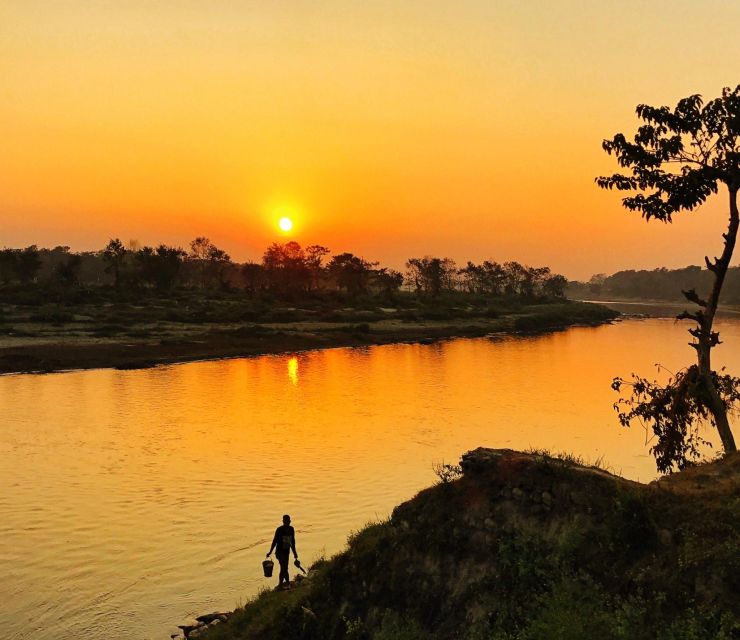
Chitwan has a way of slowing you down. One minute you’re in a bus corridor in Nepal, the next you’re staring at jungle edges that look totally blank—until your guide points out movement you would have missed. That contrast is the heart of this trip.
I love that the plan mixes big wildlife moments with human culture. The Tharu cultural dance show is a fun, colorful night in Sauraha, and the traditional village visit helps you understand why this region feels so tied to the land. The elephant breeding center visit adds another layer—more on that shortly—so you’re not just sightseeing animals.
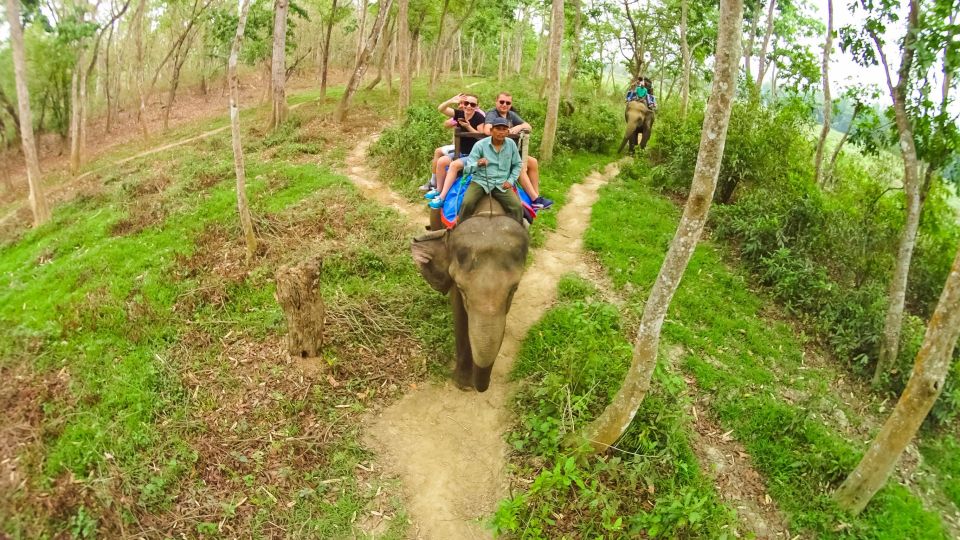
Your best odds for wildlife come from doing things at different times and from different angles: you’re in a jeep, you’re on a canoe, and you get at least some walking time in the reserve area during park hours. In the reviews, people repeatedly mention rhinos as the standout, and plenty of crocodiles and birds show up too.
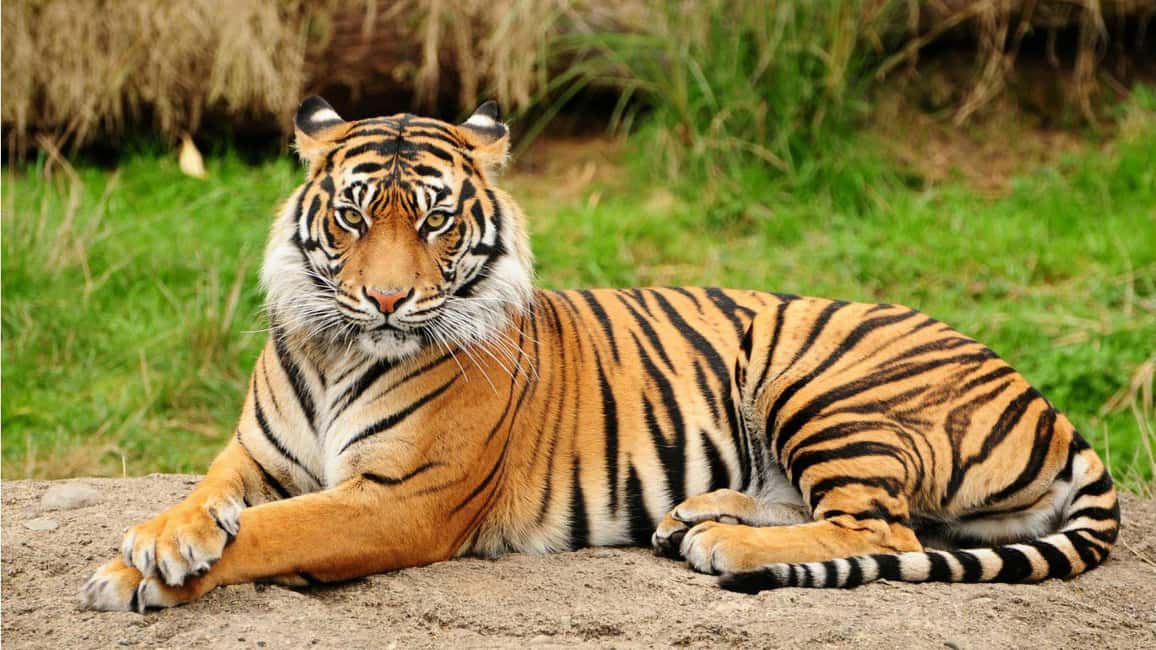
The truth? You might not see every headline animal every day. Tigers are a possibility, but one common theme is that tigers were not seen during some off-season stays. Still, the day-to-day viewing tends to be productive because your guide is hunting with eyes, not luck.
You can also read our reviews of more tours and experiences in Kathmandu
Price and Value at Around $149: What You’re Actually Getting
At about $149 per person for three days, you’re not paying for a fancy, standalone lodge. You’re paying for the whole system working together: round-trip land transport from Kathmandu or Pokhara, two nights of hotel stay, meals, park and entry fees, plus the major activities (canoe, jeep safari, Tharu cultural show, and the elephant center visit).
That “all-in” structure matters in Nepal, where logistics can turn into a full-day project. Here, you trade some control for convenience. You don’t have to coordinate park tickets, hire separate guides, or figure out how to get from the city to Sauraha on your own.
What you should expect for this price: comfort that’s generally solid but not luxury. Many people praise the overall resort experience and food, but a couple mention basic rooms or repetitive meals. If you’re the type who needs quiet, upgraded bedding, you might find yourself wishing for more. If you’re happy spending your time outdoors anyway, the value feels better.
Also, remember the main wildlife experience is weather- and animal-dependent. The good news is that your cost includes the searching time—jeep safari hours, canoe ride time, and guide-led viewing—so you’re paying for effort, not a guaranteed animal photo.
Getting There From Kathmandu or Pokhara Without Losing Your Day
This trip runs on a long land transfer. From Kathmandu it’s roughly 7 hours, and from Pokhara about 6 hours, with variation based on road and traffic. The ride is often described as bumpy, and one review even called it near-constant intense driving. The seats can still be comfortable, but you’ll feel the time.
Plan for practical transit issues:
- Bring water and a snack if you’re the type who gets hungry outside of meal times (the package includes meals once you’re in the program, but the road day can still feel long).
- Expect limited power access. One reviewer noted there’s no electricity on the bus, so bring a power bank if phone charging matters to you.
- Pay attention to where you need to board. Some people said the drop-off point back in Kathmandu wasn’t exactly where they expected, and it can be a bit tricky to find the right bus station spot.
Pickup is included, and you can choose either Kathmandu or Pokhara as your start point. In Kathmandu, pickup options include Thamel, Tourist Bus Park, Lakeside, and Tourist Bus Stop. After the safari, you’re typically dropped at Balaju near Thamel (Kathmandu) or Pokhara Bus Park, where you’ll take a taxi to your hotel.
If you’re traveling solo, this part can actually be a relief. You get an organized escort at arrival in Sauraha, and then someone handles the handoff to your hotel.
Day 1 in Sauraha: Hotel Settle-In and Tharu Dance Night
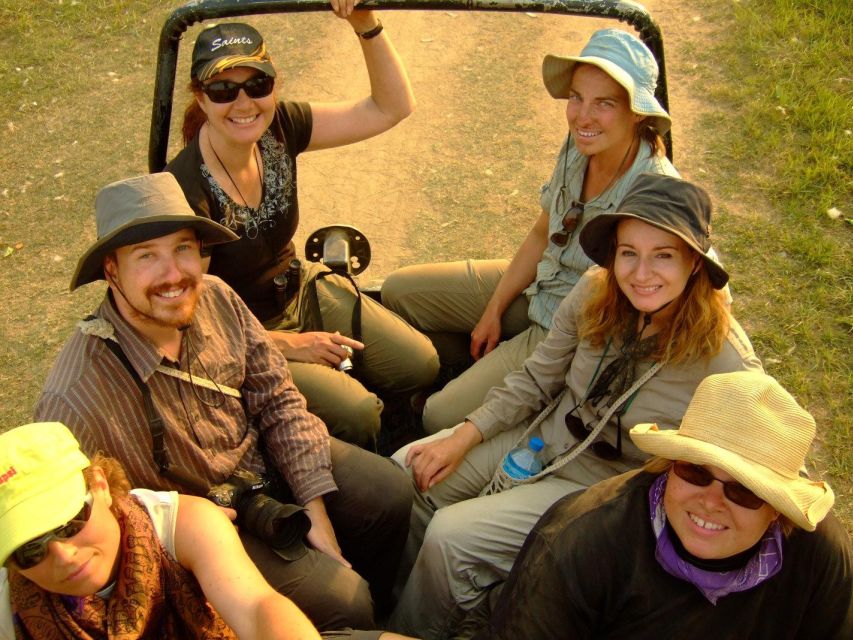
Day 1 is mostly about arrival and orientation—plus culture. After you reach Sauraha, your representative meets you with a name sign and escorts you to your hotel. From there, you get time to get settled before the cultural night.
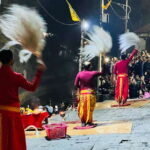
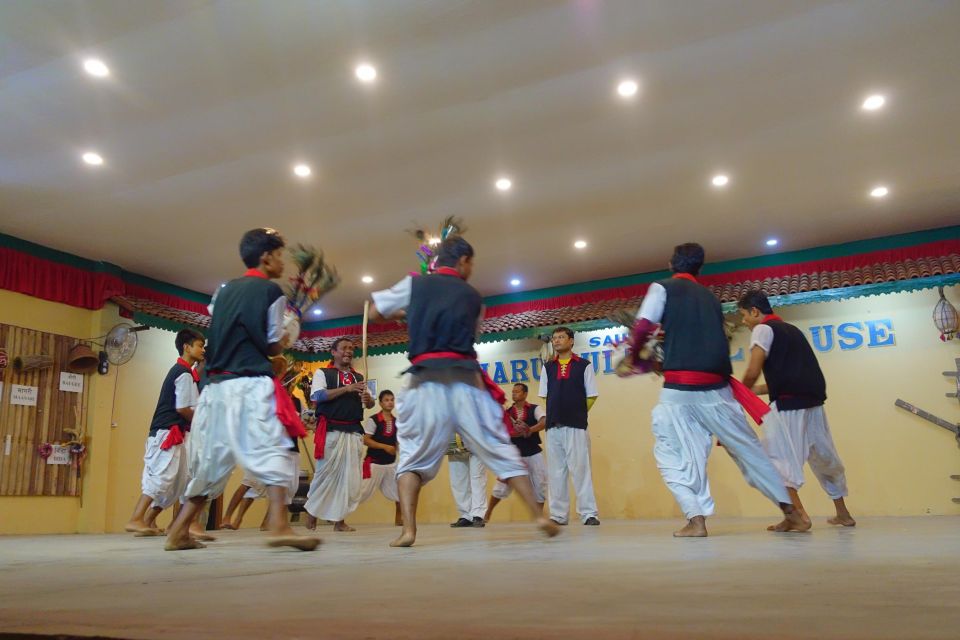
The standout here is the Tharu cultural dance show. In the reviews, people describe it as a highlight because it’s engaging and fun, not just an obligatory performance. The dance is rhythmic and colorful, and it’s the kind of evening where you feel the place instead of just passing through.
In addition, you’ll have a guided look at Tharu culture through a traditional village visit. That matters because it connects the park to real lives. Chitwan isn’t a fenced-off theme area—it’s a living region with communities whose rhythms and knowledge sit alongside the conservation work.
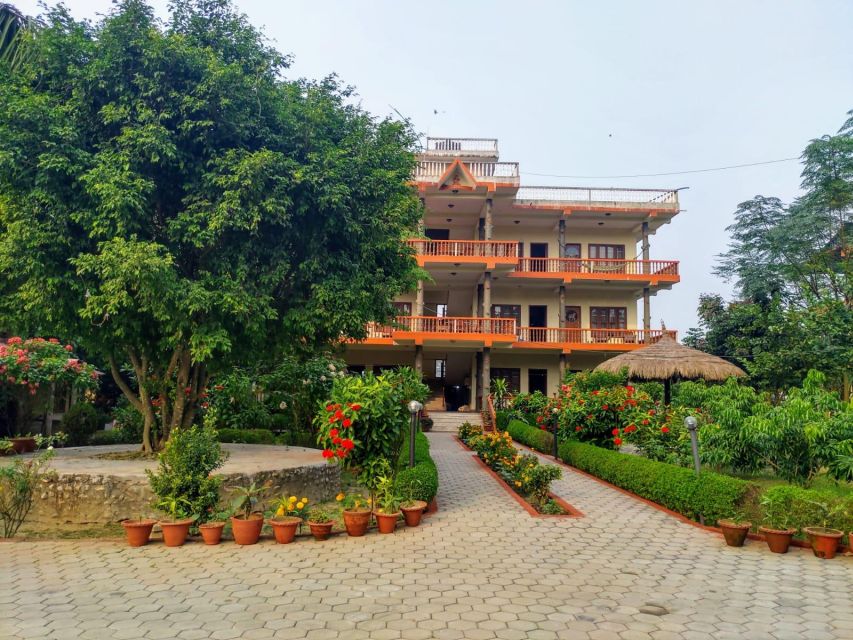
Meals on Day 1 include lunch and dinner. Accommodation is a two-night stay overall, usually at a resort called Eden Jungle Resort in many reviews, and it’s repeatedly described as clean, well-run, and welcoming.
What to watch for: this is not a late-arrival sprint. You’ll likely feel tired from the road, especially if you start from Kathmandu. Treat Day 1 as your easy day. You’ll want energy for the wildlife time that comes next.
Rapti River Canoe and the Elephant Breeding Center: A Two-Part Reality Check
Day 2 starts with breakfast, then moves into two very different animal-focused experiences: a Rapti River dugout canoe ride and an elephant breeding center visit.
On the river, you’re gliding at a slower pace, and you’re staring at wildlife from a different viewpoint. One of the big upsides of a canoe is that it’s quieter than a jeep. You often get the feeling you’re watching the ecosystem breathe—birds calling, riverbank movement, and crocodiles being spotted when the light hits right. Reviews frequently mention crocodiles and lots of birdlife as common sightings during this part.
Now for the elephant center: your reaction may depend heavily on your personal ethics. Some reviews praise conservation intent and the chance to see young elephants. Others say the treatment they witnessed was upsetting—specifically that elephants appeared chained and separated, and that they were hit with sticks when not eating.
Because of that split, I’d treat this stop as your personal check. If you have a strong stance on animal welfare and you’re worried your money may support methods you consider harmful, think carefully before booking. If you’re more open to learning about conservation approaches and you believe the center is doing legitimate work, this visit can add meaning beyond just selfies.
Either way, go in knowing you might have mixed feelings. That’s better than being surprised in the moment.
You can also read our reviews of more tours and experiences in Kathmandu
Day 2 Jeep Safari: Where Laxman-Style Spotting Changes Everything
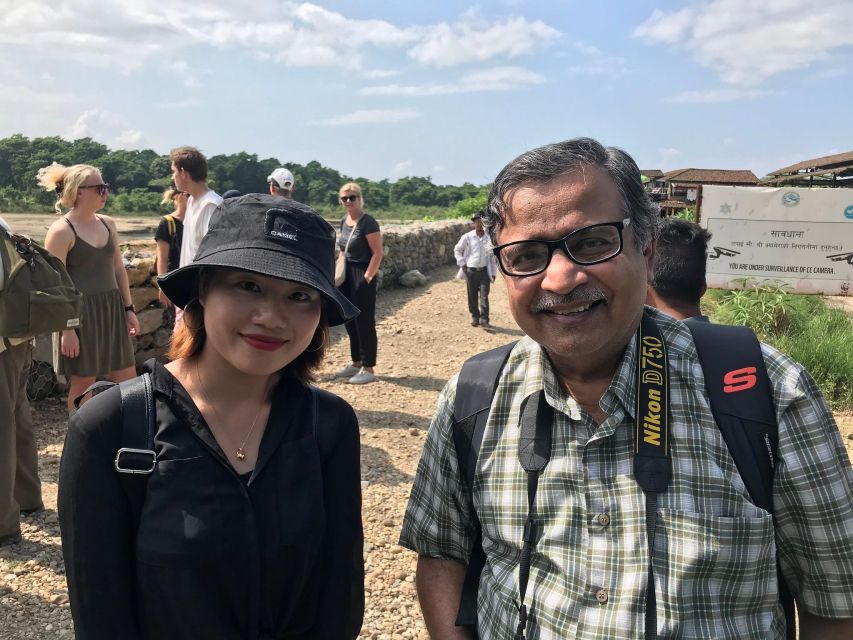
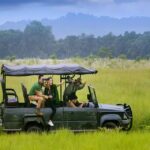
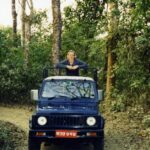
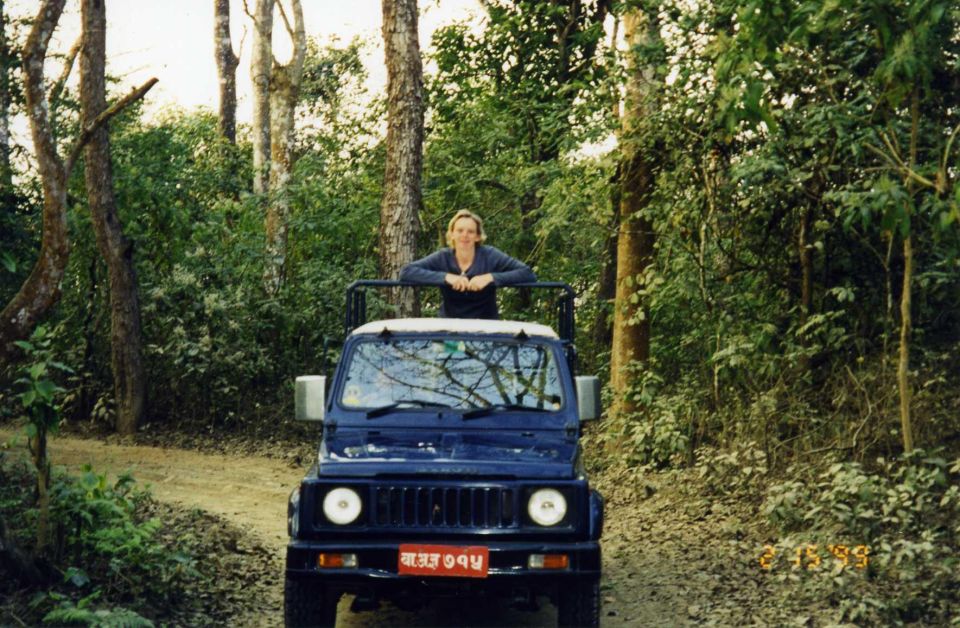
The main wildlife action is the 4-hour Jeep Safari in Chitwan National Park. This is the part most people remember because it’s active: you’re driving slowly through forest edges and clearings, scanning for movement, and your guide is doing the real work of turning a green blur into species names.
Many reviews single out guides like Laxman and Som for spotting animals at distance and explaining what you’re seeing. In practice, that changes your experience fast. If you want wildlife viewing to feel like more than luck, you need a guide who can read tracks, behavior, and tiny changes in the landscape.
What you might see (based on what people commonly report):
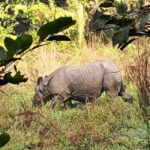
- Rhinos (often mentioned as a key success)
- Elephants
- Crocodiles (especially connected to river areas)
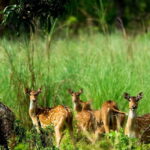
- Deer, monkeys, and lots of birds
- Sometimes bears, and in some stays, not tigers
About tigers: at least one review notes they didn’t see tiger during their off-season timing. I won’t promise you’ll see tigers. What I can say is that rhinos and other animals are more consistently reported, and good guiding helps you convert whatever the day gives you into real sightings.
This is also where the small-group size helps. With fewer people, the guide can manage attention and keep you oriented during stops.
Walking Safari Time: Safety, Wildlife, and What Your Comfort Level Should Be
Some groups include a walking safari during the park portion. This is where opinions can diverge sharply.
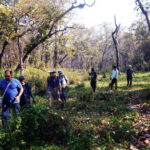
On the positive side, multiple reviews say the guides made them feel safe walking in the jungle, and that close encounters (like rhino viewing) were possible because the guide spotted things early and stayed alert. One solo female traveler also specifically mentioned feeling safe throughout the walk.
On the more cautionary side, a review raised concerns that the walking safari felt too risky—citing proximity to big cats and the fact that the guide didn’t carry weapons. That reviewer went as far as saying the format shouldn’t be allowed.
So here’s your practical takeaway: treat the walking time as serious wildlife time, not a gentle stroll. Wear the right clothing (long sleeves and long pants in neutral colors), keep your group close, and listen fast when the guide cues you to stop or move. If you’re the type who gets anxious about wildlife risk, ask your guide about the exact safety approach for the walk that day and don’t push your comfort level.
Hotel and Meals at Eden Jungle Resort: Good Food, Mixed Room Expectations
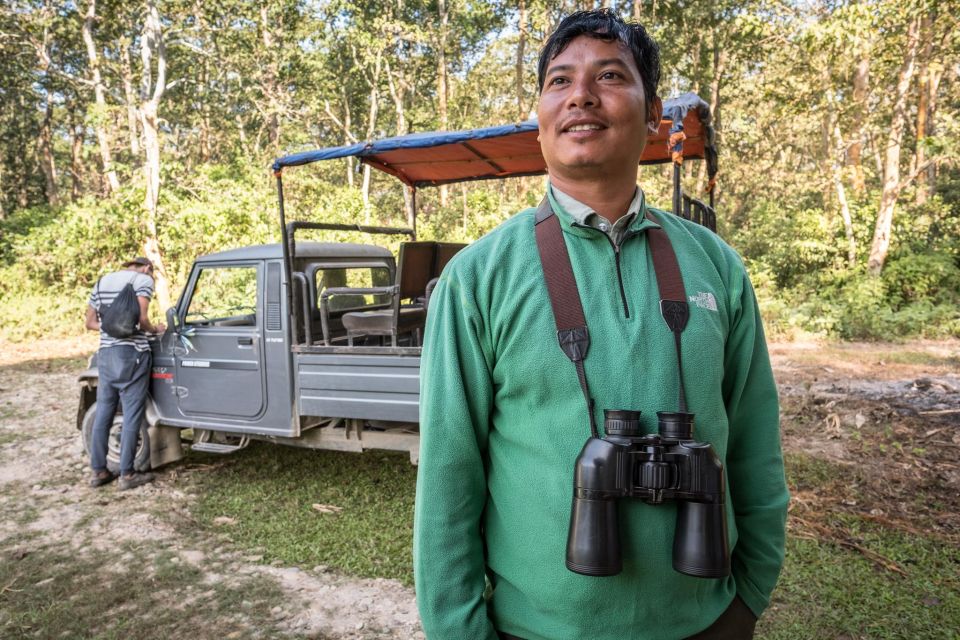
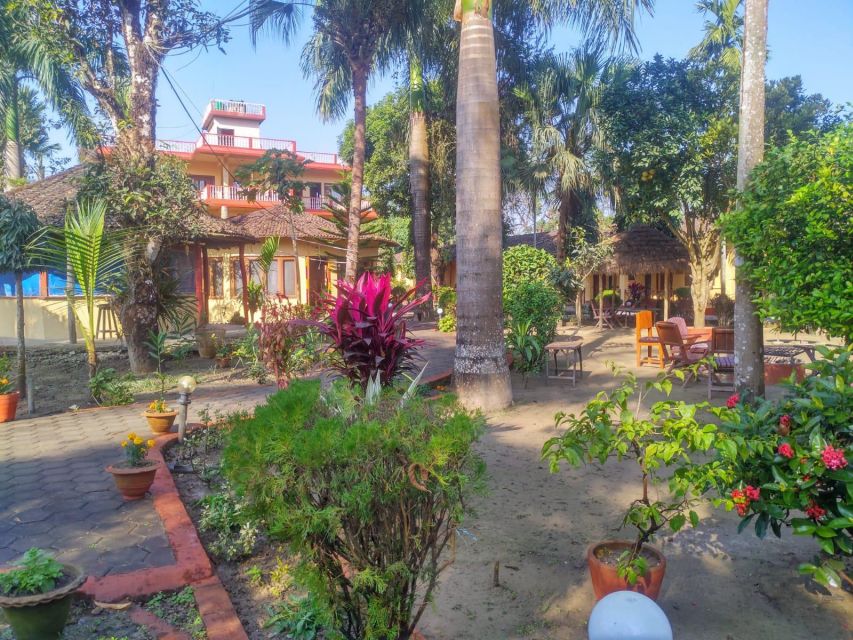
Staying in Sauraha means your “home base” is the resort for two nights. Reviews often praise Eden Jungle Resort for helpful staff, clean grounds, and welcoming service. Food quality shows up as another strength. Several people mention hearty meals and that drinks like tea/coffee were included.
Still, don’t expect the rooms to match the resort grounds in every respect. Some reviews call rooms basic. One person said meals could feel repetitive across the two dinner days, though they also noted a nicer Nepali meal on the last evening and an enjoyable chicken BBQ event by the fire.
There are also small practical details to consider:
- If you’re sensitive to insects, one review mentioned ants in the room.
- Winter timing can affect how comfortable you feel indoors, but the resort staff is described as attentive.
Bottom line: this isn’t a “spend all day in your room” kind of trip. If you want comfy downtime between safaris, the resort seems to do its job. If you need a very polished hotel room, you might rate it lower.
What to Pack (and What Not to Bring) for Chitwan
The program runs on jungle time, not city time. You’ll get more out of the safari if you dress for it.
Bring:
- A hat
- A camera
- Passport (a copy is accepted)
For clothing, follow the practical advice: lightweight, breathable fabrics in neutral, earthy colors like khaki or green. Wear long sleeves and long pants to protect against sun and insects. Closed-toe, sturdy shoes matter, especially for walking time.
Not allowed includes weapons or sharp objects, feeding animals, making noise, nudity, and speakers. Baby strollers or carriages are also not allowed. And jewelry is listed as not allowed, so leave valuables at home.
Guides Make the Difference: How to Get the Most From Your Time
The strongest praise across reviews is consistent: guides like Laxman and Som can spot wildlife early, explain what you’re looking at, and keep the day moving in a way that makes sense. When your guide can identify tracks, call out bird species, and notice behavior changes at distance, your “maybe we’ll see something” day becomes a full report of what’s actually out there.
So your job is simple:
- Ask questions during stops (the guides often answer in a way that makes the sightings stick).
- Keep your camera ready but don’t rush your guide’s calls.
- Listen for the moments you’d miss on your own—those are the times you get real photos.
And one more thing: the reviews repeatedly mention respectful animal viewing. That matters. You want a safari that doesn’t turn nature into a circus.
Should You Book This Chitwan Jungle Safari?
If you want a 3-day wildlife and culture package that’s built around real guiding, not just transport, this is a strong bet. The value at around $149 is hard to ignore when it includes meals, park fees, hotel nights, and the major activities. Many people also highlight the resort hospitality and the guide-led spotting skill, with Laxman and Som coming up again and again.
I’d be more cautious if:
- You have a strict ethical objection to elephant-handling practices, because experiences at the elephant breeding center can be emotionally hard for some visitors.
- Walking safari time makes you anxious. This is where personal risk comfort matters, even when guides feel safety-focused.
If you’re flexible, comfortable with an on-the-road Nepal schedule, and you treat wildlife time as the main event, you’ll likely leave with the kind of memories that aren’t about shopping or checklists—they’re about seeing a living habitat up close.
FAQ
How long is the Chitwan Safari?
The experience lasts 3 days.
Where does the safari start and where do I return to?
You can start from Kathmandu or Pokhara. After the safari, you return by bus to Kathmandu (Balaju near Thamel) or to Pokhara Bus Park.
Is this a small group tour?
Yes. It’s a small group limited to 10 participants.
What activities are included during the 3 days?
You get a Tharu cultural dance show, a traditional village visit, a Rapti River canoe ride, an elephant breeding center visit, and a 4-hour Jeep Safari, along with guided sightseeing.
How long is the Jeep Safari?
The Jeep Safari is 4 hours.
How long is the bus ride from Kathmandu or Pokhara?
The approximate travel time is 7 hours from Kathmandu and 6 hours from Pokhara, depending on road and traffic conditions.
How many hotel nights and meals are included?
You get 2 nights of hotel accommodation. Meals included are 2 breakfasts, 2 lunches, and 2 dinners.
Is there an English-speaking guide?
Yes. The tour includes a live English guide.
What should I bring?
Bring a hat, camera, and your passport (a copy is accepted).
What items are not allowed?
Weapons or sharp objects, baby strollers/baby carriages, feeding animals, making noise, nudity, and speakers are not allowed. Jewelry is also listed as not allowed.