REVIEW · KATHMANDU
12-Day Nepal Adventure Trek with Jungle Safari
Book on Viator →Operated by Outfitter Himalaya Holidays P. Ltd · Bookable on Viator
Kathmandu temples, treks, and safari all in one trip. This 12-day Nepal adventure strings together Kathmandu culture, an Annapurna Poon Hill trek, and a Chitwan jungle wildlife break—so you get mountains, sacred sites, and jungle life without needing a second vacation. I like that the trip is paced as a proper circuit: you start with city sights, then ease into trekking, then shift gears to Chitwan. I also like that permits and a local guide are part of the package, so you spend less time figuring out paperwork and more time walking and looking around. One drawback to plan for: the optional entrance fees on Day 2 aren’t included, and one steep trekking day can feel like a staircase workout.
In the best run versions of this tour, guides genuinely manage the details for you. In past group experiences, people have highlighted guides like Raj and Amrit for staying on top of needs, keeping the pace manageable, and pushing you to finish when you think you might not. If you’re sensitive to stairs or altitude effort (not just altitude numbers), you’ll want to prep your legs before the Annapurna days.
In This Review
- Key highlights worth knowing before you go
- Day-by-day: what you’ll actually do (and why it matters)
- Day 1: Arrive in Kathmandu with airport pickup
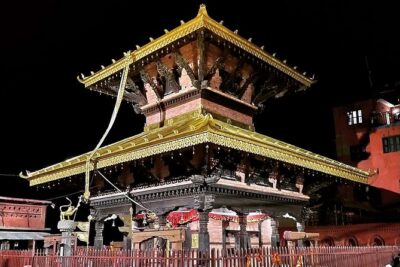
- Day 2: Kathmandu Durbar Square, Swayambhunath, Boudhanath, Pashupatinath
- Day 3: Kathmandu to Pokhara by scenic road (6 hours)
- Days 4-8: Annapurna trek block (the part that changes your perspective)
- Day 9: Pokhara to Chitwan (about 6 hours), plus Tharu village tour
- Day 10: Full day jungle activities in Chitwan
- Day 11: Bird watching, then drive back to Kathmandu
- Day 12: Final day
- What’s included (and how that affects value)
- Lodging, guide, permits, and partial meals
- Price: $950 per person and what you should expect to add
- Comfort and pacing: what your body should expect
- Moderate fitness, plus one serious stair day
- Lodges and food: basic but functional
- Group size: small enough to feel personal
- Who this tour fits best (and who should think twice)
- You’ll likely love it if you want a balanced Nepal intro
- You might want to reconsider if you hate stairs or tight schedules
- Should you book this 12-day Nepal adventure trek with jungle safari?
- FAQ
- FAQ
- Where does the tour start and what time does it begin?
- Is airport pickup included?
- How long is the tour and how many nights are included?
- What parts of Nepal does this trip cover?
- Are trekking permits included?
- What meals are included during the trip?
- Are entrance fees included for Kathmandu sightseeing?
- Do I need a porter?
- What fitness level is required?
- What is the cancellation window for a full refund?
Key highlights worth knowing before you go
- Poon Hill sunrise views: big peaks show up on clear mornings, and the route is designed to get you there.
- Annapurna village trekking: you pass through places like Ulleri and Ghandruk, with forests (rhododendron and oak) later in the trek.
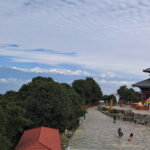
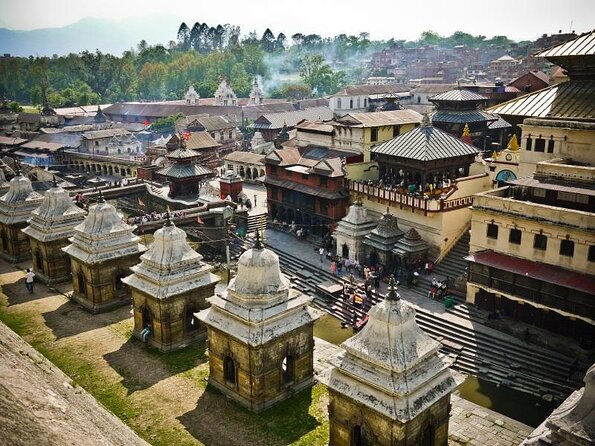
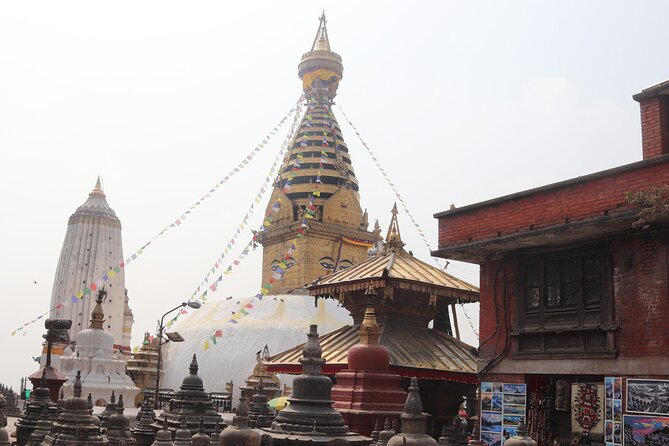
- A true Kathmandu sampler: Monkey Temple at Swayambhunath, Durbar Square, Boudhanath Stupa, and Pashupatinath Temple.
- Chitwan wildlife and Tharu culture: jungle walking, a safari drive, plus a Tharu stick dance included as part of the day’s program.
- Small group size: maximum 14 travelers, which usually means less crowding on the trek and in transfers.
- One-stop logistics: airport pickup, tourist bus transport between Kathmandu–Pokhara–Chitwan–Kathmandu, and a mobile ticket.
Day-by-day: what you’ll actually do (and why it matters)
You can also read our reviews of more hiking tours in Kathmandu
Day 1: Arrive in Kathmandu with airport pickup
You land at Tribhuvan Airport, then get met and greeted by the airport representative and transferred to your hotel. This is one of those underrated pieces: after travel, the last thing you need is chasing taxis and fighting with check-in while jet-lagged.
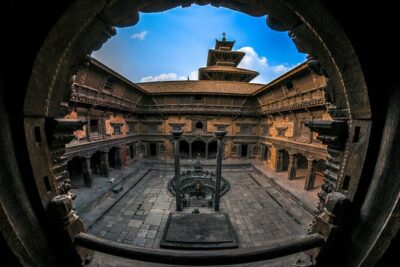
Day 2: Kathmandu Durbar Square, Swayambhunath, Boudhanath, Pashupatinath
Day 2 is a classic Kathmandu full-sight day:
- Swayambhunath (Monkey Temple) for about 1 hour
- Kathmandu Durbar Square for about 2 hours
- Boudhanath Stupa for about 2 hours
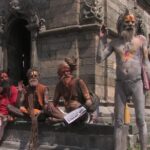
- Pashupatinath Temple for about 1 hour
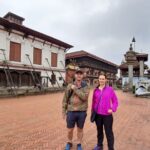
These stops are all about understanding Nepal’s spiritual and cultural layers, from Buddhist iconography to Hindu cremation rituals and the city’s historical center. One practical note: entrance fees for Swayambhunath and all the sightseeing places in Day 2 run $25.00 per person and aren’t included in the base price. If you want a stress-free start, budget that amount upfront.
Also, the order here helps. You’ll start with major religious landmarks rather than trying to piece them together later after you’re tired.
Day 3: Kathmandu to Pokhara by scenic road (6 hours)
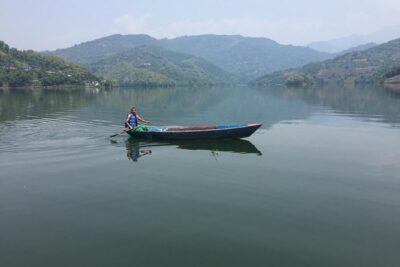
You drive from Kathmandu toward Pokhara along the Trisuli and Marsyangdi River route. It’s listed as a pretty good drive and takes about 6 hours.
This matters because Pokhara is your trekking staging ground. You’re not just “transported”—you’re transitioning from city altitude and traffic to calmer lakeside vibes and trail-country logistics.
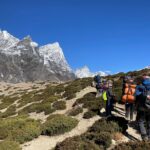
Days 4-8: Annapurna trek block (the part that changes your perspective)
This is the heart of the trip: trekking in the Annapurna region, including Ghorepani Poon Hill.
Day 4: Drive to Nayapul, then trek to Tikhedhunga (about 6 hours)
After breakfast, you drive about 1.5 hours to Nayapul, then begin the first hiking day out toward Tikhedhunga (1577m) via Birethanti (1065m). It’s a first rhythm day: long enough to feel like you’ve started the trek, but not so high that you’re thrown into thin air immediately.
What to watch: even an “intro” trek day can still be tiring if you set a fast pace. I’d start slower than you think you need—your knees will thank you later.
Day 5: Tikhedhunga up to Ghorepani (about 7 hours)
Today’s climb is where many people feel it. You ascend steeply for the first 2 hours, then move more gently passing through Ulleri (2070m) and Banthanti before reaching Ghorepani.
One review note that matches the route: there’s a day with extreme elevation gain and preparation for a huge stair section, described as around 3000 stairs at one go. On this route, that’s often the stair-heavy approach around Ulleri. If stairs are your weakness, take it as a strength-building opportunity, not a test of toughness.
Day 6: Ghorepani to Tadapani via Poon Hill (about 7 hours)
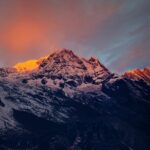
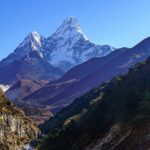
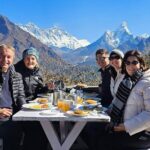
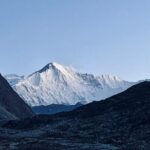
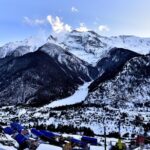
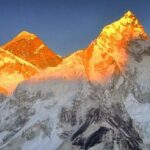
You start from your lodge with hot breakfast, then the plan includes heading up to Poon Hill (3232m) for sunrise-style mountain views. The itinerary specifically calls out views over Dhaulagiri, Tukuche Peak, Nilgiri, Varaha Shikhar, Annapurna I, and Annapurna South.
After Poon Hill, you continue trekking to Tadapani. This day is special because you get the payoff (big peaks) and still move through the day instead of turning it into a half-day detour.
If the sunrise is cloudy, don’t panic. The trekking itself is the point—and the route takes you through villages and forest sections where you still feel like you’re walking in a real human landscape.
Day 7: Tadapani to Ghandruk (about 4 hours, easier day)
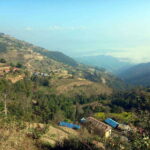
You breakfast, then trek with gentle descent through dense forests—the itinerary names rhododendron and oak among the forest types. You’ll reach Ghandruk, a well-known village stop on this style of Annapurna trek.
Why this day matters: it’s a mental reset. After a couple of harder walking days, a shorter, easier day helps you recover so you can enjoy what’s coming next.
Day 8: Ghandruk area down to Pokhara (about 6 hours)
This is your last trekking day, and it’s described as easy trekking by descending gently, including rice fields and local villages down to Syauli bazaar, then continuing back toward Pokhara.
This is a real transition moment: from mountain lodges to more everyday Nepal life. Also, descending can be tough on shins and knees even when it’s called “easy.” Keep steps controlled and take breaks often.
You can also read our reviews of more tours and experiences in Kathmandu
Day 9: Pokhara to Chitwan (about 6 hours), plus Tharu village tour
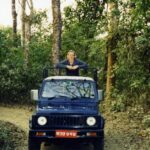
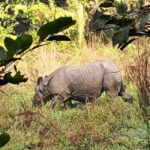
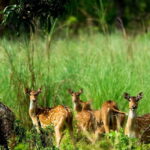
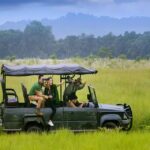
After breakfast, you drive to Chitwan for about 6 hours, check into the jungle lodge, and take part in a wildlife Tharu village tour.
This day is less about effort and more about setting you up for the wildlife portion. Chitwan works because you’re not just watching from a distance—you’re learning local context (Tharu village culture) and then moving into animal country.
Day 10: Full day jungle activities in Chitwan
You start with breakfast and then get a full day of jungle programming, including:
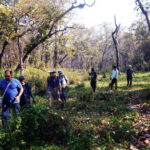
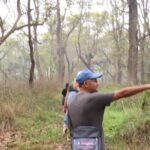
- Jungle walking
- Jungle safari across streams & into the jungles
- Tharu cultural stick dance (listed as part of the day)
This is the kind of day where you’re constantly switching senses: sounds in the forest, movement during safari, then a cultural performance in the lodge area. It’s a strong “multi-layer” day, not only a wildlife chase.
Day 11: Bird watching, then drive back to Kathmandu
You do bird watching in the morning, then you drive back to Kathmandu and check into the hotel.
Birding is a smart inclusion for a trek+ safari trip. It keeps the naturalist theme going even when animals aren’t easily spotted that day.
Day 12: Final day
Day 12 is wrapped as your return home day. The itinerary summary doesn’t list a specific sightseeing or transfer time, so plan to follow your group’s departure arrangements and any instructions from your tour team.
What’s included (and how that affects value)
Lodging, guide, permits, and partial meals
The included package covers:
- 11 nights of accommodation
- Airport transfers
- Local guide throughout the tour
- Transport by tourist bus between key cities (Kathmandu–Pokhara–Chitwan–Kathmandu)
- Trekking permit and TIMS permit
- Meals: breakfast (11), lunch (7), dinner (6)
On a trip that mixes city sights and trekking, that’s a big deal. Permits and guide support reduce friction, and having many meals built in helps you avoid constant stop-and-spend decisions.
Price: $950 per person and what you should expect to add
At $950.00 per person, this is priced as a full package for about two weeks of Nepal, including the major segments: Kathmandu cultural days, Annapurna trekking, and Chitwan safari time.
That said, not everything is included. You’ll likely pay extra for:
- Nepal entry visa fee
- Travel insurance
- Entrance fees on Day 2: $25.00 per person for Swayambhunath and the Day-2 sightseeing places
- Alcoholic and nonalcoholic drinks and sweets not listed in the itinerary
- Tips for guide, porter & driver
- Trekking porter (if you need) is not listed as included
Is it still good value? For most people, yes—because the package already covers the expensive “infrastructure” pieces (permits, guide, and major transport) and reduces the time you’d otherwise spend coordinating. Your main add-ons are normal for Nepal trips: visa, tips, drinks, and that Day 2 entrance fee.
Comfort and pacing: what your body should expect
Moderate fitness, plus one serious stair day
This tour asks for moderate physical fitness. That’s accurate for the Annapurna segment, where you’re hiking multiple days in a row with sustained climbing.
The route includes a day with steep elevation gain and a stair section described as around 3000 stairs. That doesn’t mean you must be a mountaineer, but it does mean you should go with the mindset that your legs will work. Bring a steady pace, not a hero pace.
Lodges and food: basic but functional
Accommodations on trek days are described as basic but clean. That’s typical for the Annapurna trails, and it’s usually fine if you travel with a “sleep, shower when available, repeat” approach.
Meals have been described as plentiful and good, which matters because good food keeps your energy up on walking days.
Group size: small enough to feel personal
With a maximum of 14 travelers, this tour generally avoids the most chaotic kind of group travel. You’ll still share the experience, but you’re not herded like a crowd.
In some cases, guides have taken an extra step for slower walkers by arranging a porter to stay with the trekker. If you need support for pacing, you’ll want to be upfront early so the team can plan.
Who this tour fits best (and who should think twice)
You’ll likely love it if you want a balanced Nepal intro
This tour is ideal if you’re trying to cover a lot of Nepal in one trip: sacred Kathmandu sites, a classic Annapurna ridge trek toward Poon Hill sunrise views, and a Chitwan wildlife day with cultural context.
It’s also a good fit if you don’t want to manage permits and day-to-day logistics yourself.
You might want to reconsider if you hate stairs or tight schedules
If you strongly dislike stair climbs, you should plan extra training or consider whether a gentler route would be better. Also, while the pacing is described as not rushed, you still have a fixed order of walking and travel days—this isn’t a flexible choose-your-own-adventure.
Should you book this 12-day Nepal adventure trek with jungle safari?
I’d book it if you want a two-week, do-it-all Nepal sampler that includes the big three: Kathmandu temples, Annapurna Poon Hill trekking, and Chitwan jungle time—plus permits and a guide built in. The best reason to pick it is that it saves you from the coordination headaches while still giving you real trekking and real wildlife programming.
I wouldn’t book it if you’re looking for an ultra-relaxed, no-effort nature trip. This has hikes, including a stair-heavy day, and your body needs to be ready. If that part scares you, fix it with prep and smart pacing—or switch to a less strenuous plan.
FAQ
FAQ
Where does the tour start and what time does it begin?
It starts at Tribhuvan Airport, Kathmandu with a 6:15 am start time, with an airport representative meeting you for pickup.
Is airport pickup included?
Yes. Airport transfers are included.
How long is the tour and how many nights are included?
The tour is 12 days (approx.) and includes 11 nights of accommodation.
What parts of Nepal does this trip cover?
You’ll cover Kathmandu, drive to Pokhara, trek in the Annapurna Region including Ghorepani and Poon Hill, and visit Chitwan National Park.
Are trekking permits included?
Yes. The package includes trekking permit and TIMS permit.
What meals are included during the trip?
Breakfast is included for 11 days, lunch for 7 days, and dinner for 6 days. Meals not stated in the itinerary aren’t included.
Are entrance fees included for Kathmandu sightseeing?
No. Entrance fees for Swayambhunath Temple and the sightseeing places on Day 2 are listed as $25.00 per person and are not included.
Do I need a porter?
A trekking porter (if you need) is listed as not included. The tour does include a local guide throughout, and porter arrangements would be something you’d need to handle based on your needs.
What fitness level is required?
The tour states that travelers should have a moderate physical fitness level.
What is the cancellation window for a full refund?
You can cancel up to 3 days in advance of the experience for a full refund; if you cancel less than 3 days before the start time, the amount paid isn’t refunded.