REVIEW · POKHARA
Pokhara City Tour in Sharing Bus
Book on Viator →Operated by Swami Narayan Travels Pvt Ltd · Bookable on Viator
A full Pokhara day for about ten bucks. This sharing mini bus tour strings together the big sights in Pokhara with Lakeside pickup and a simple, efficient plan that suits a one-day visit. You’ll move from sacred stops to natural wonders without having to figure out the logistics yourself.
I like the Lakeside pickup and drop, because it cuts out the guesswork. I also like the fast 6–7 hour loop, which makes it realistic even if your schedule is tight.
The trade-off: this is a basic shared setup, so don’t expect private-vehicle comfort or deep, tailored guiding.
In This Review
- Key highlights you’ll feel in real life
- The real appeal: a one-day Pokhara circuit without overthinking
- Getting on the mini bus: timing, meeting point, and what to expect
- Stop 1: Shree Bindhyabasini Temple in 30 minutes
- Stop 2: Mahendra Cave for a quick cave hit
- Stop 3: Begnas Lake as your breathing space (1 hour)
- Stop 4: Devi’s Fall for the 25-minute wow factor
- Stop 5: Gupteshwor Mahadev Cave for a longer cave visit (45 minutes)
- Stop 6: Phewa Tal, then walk back to your hotel
- Price, comfort, and value: what about $10.29 gets you
- The guide vibe matters: when “like locals” really works
- Who this tour is best for
- Should you book this Pokhara sharing bus city tour?
- FAQ
- What places do we visit on this Pokhara sharing bus tour?
- How long is the tour?
- What time does the tour start?
- Is pickup included?
- What’s included in the price?
- Are entrance fees included?
- What is the maximum group size?
- Can I cancel for a full refund?
- Is a mobile ticket provided?
Key highlights you’ll feel in real life
- Lakeside pickup and drop makes the day easier, especially if you’re based around Pokhara’s main tourist zone
- Six to seven hours covers multiple famous sites, so you get momentum fast
- Smallish group size (up to 22) keeps the sharing-bus chaos at a manageable level
- A mix of culture and nature: temple, caves, Devi’s Fall, two lakes, and a limestone cave finale
- Low price (about $10.29) means you can do more with less budget stress
The real appeal: a one-day Pokhara circuit without overthinking
Pokhara is great, but it can be annoying when you only have a day and you’re trying to stitch together transport, entry fees, and timing. This tour solves the biggest problem: it hands you a ready-made route and reliable pickup from the Lakeside area.
The experience is built around simple, shared movement. You’re in a basic mini bus with other people, so you’ll spend more time riding than wandering back and forth across town. That’s actually the point. In a place like Pokhara, where roads can feel stop-and-go, a grouped plan helps you see more without turning the day into a logistics project.
I also like the mindset here: you’re not going for luxury. You’re going for coverage. And because this day includes both temples and nature stops, it feels like a proper Pokhara sampler rather than just a drive-by photo spree.
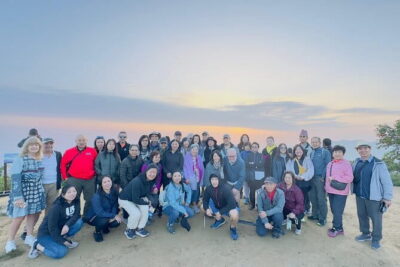
Finally, the group size is capped at 22 travelers, which usually means you won’t be packed like a long-distance bus. Still, it’s sharing—so come with the expectation that the vibe is practical, not polished.
You can also read our reviews of more city tours in Pokhara
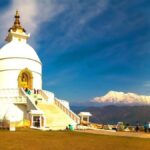
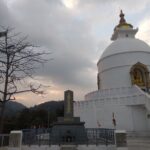
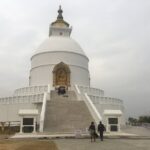
Getting on the mini bus: timing, meeting point, and what to expect
Start time is 9:40 am, with pickup and drop centered around the Lakeside area of Pokhara. For many visitors, this matters more than it sounds. If you’re staying near Lakeside, you avoid extra taxis or walking long distances just to board your tour.
The tour runs about 6 to 7 hours, and the stops are intentionally spaced so you can see a lot without spending the whole day waiting. That said, you’ll still feel the shared-bus rhythm—some time is always spent on small delays, loading, and short transfers between spots.
You’re also getting a mobile ticket, which is a nice modern convenience. You usually don’t want to be hunting for printed documents in a busy place, and this helps streamline the check-in.
A detail worth noting: entrance fees are not included. Some stops are free, but others cost extra on the spot. If you want to keep the day truly budget-friendly, carry a little cash and mentally separate free views from paid entry sites.
Stop 1: Shree Bindhyabasini Temple in 30 minutes
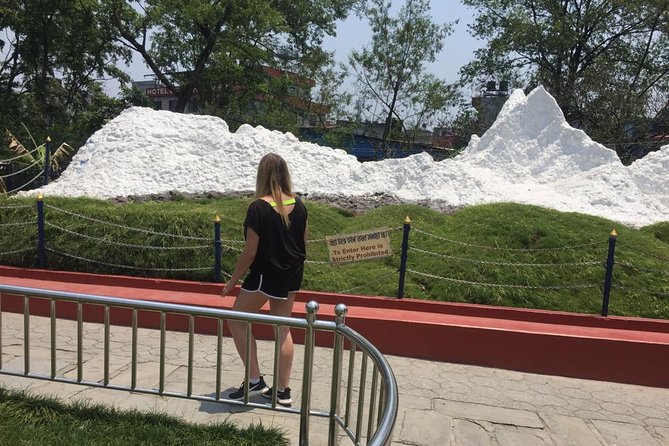
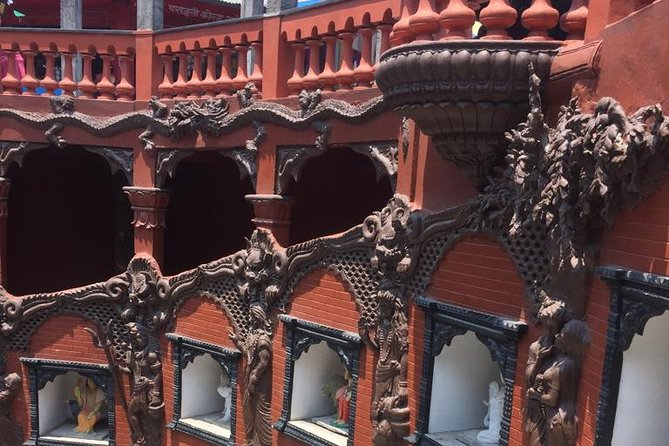
Your first stop is Shree Bindhyabasini Temple, a Hindu temple visit. You get about 30 minutes, and admission is free, which makes this a low-cost way to start your day.
This kind of quick temple stop works well early. You’re fresh, the group is still together, and you can take in the atmosphere before the tour becomes more about caves and waterfalls. The temple also helps you understand Pokhara beyond just lakes and mountain photos. Religious sites are part of how locals process place and time here.
Since this is a short visit, focus on the basics: observe how people move through the space, look for the offerings and daily rituals, and take a moment for calm photos. Don’t try to do a full deep-dive in 30 minutes. Think of it as getting your bearings—culturally and visually.
Stop 2: Mahendra Cave for a quick cave hit
Next up is Mahendra Cave, with about 20 minutes on site. Admission is not included, so budget for this if you’re planning to keep costs predictable.
A cave stop can be fun, but it’s also one of those experiences where expectations matter. Twenty minutes is short, so you’ll likely be walking a simple route and seeing the main highlights rather than exploring at your own pace for an hour. If you like caves, go in ready to take what you can quickly.
For practical reasons, cave environments can feel cooler and darker than you expect. Wear comfortable shoes and keep your phone handling simple. Also, this is a shared bus tour—so if you get fascinated and lag behind, you’ll feel rushed trying to catch up.
This stop is a good mid-morning reset: after the temple, it adds a different kind of wonder, and the time is short enough that it doesn’t steal your day.
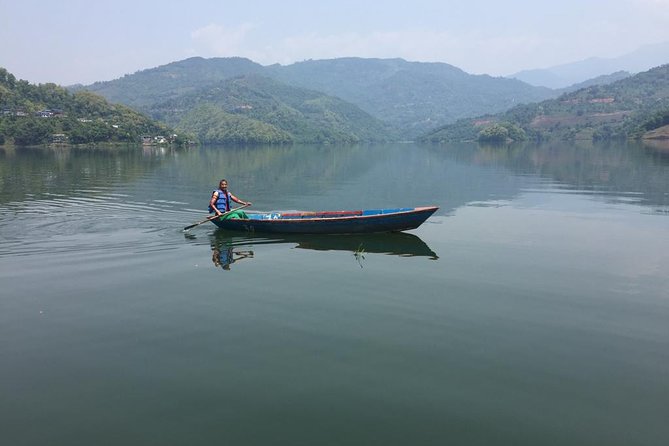
Stop 3: Begnas Lake as your breathing space (1 hour)
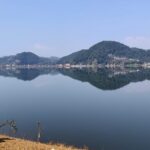
Then the tour slows down at Begnas Lake for about 1 hour, and admission is free. This is one of the easiest stops to enjoy because it gives you space to actually look around.
Begnas Lake is a nature break in the middle of a schedule that otherwise keeps moving. A longer stop also helps you avoid the classic problem with tight tours: by mid-day, you’re tired, and quick stops start to feel like checkboxes.
During your hour here, you can do a simple menu of pleasures: take in the water views, stroll for a bit, grab a drink if you’re able to, and just enjoy not rushing. If you’re traveling as a couple or solo, this is also where you’re most likely to find a peaceful moment apart from the group.
Because admission is free, this is also a smart budget win. You’re paying for the transport and time, not ticketed attractions. It’s one of the places where the value of a shared tour really shows.



Stop 4: Devi’s Fall for the 25-minute wow factor
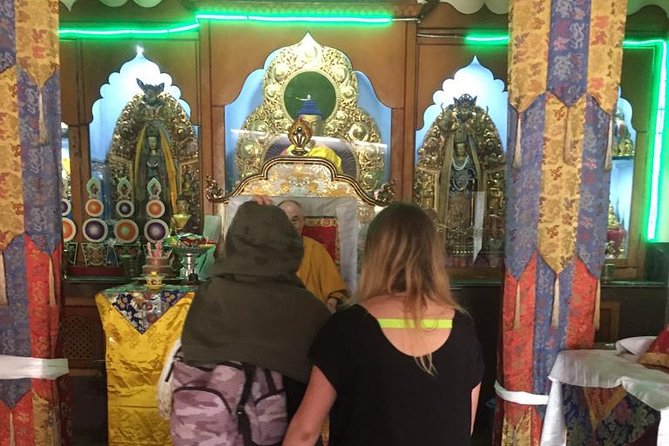
Devi’s Fall is next, with about 25 minutes. Admission is not included, so again, plan on paying the entry fee if you want to go inside or get access as required.
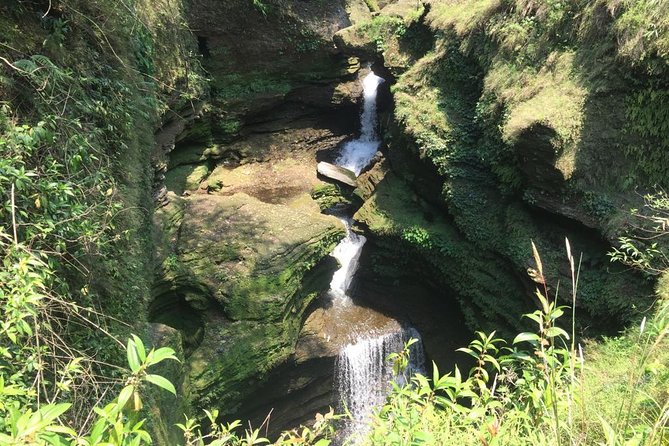
Devi’s Fall is the kind of stop that makes people understand why Pokhara is famous. Water drops from above into an underground area below, and the setting feels natural and dramatic even with a short visit. This stop is visually strong, and the limited time means you’ll get the highlights without turning your day into a long watch-the-water session.
The practical part: because it’s a popular attraction, the area can get crowded during the day. Move with your group but don’t hesitate to step aside for a clearer view. Also, expect a bit of slippery footing near water zones, so keep your footing careful.
This stop is a good moment to let your camera work, but also to just take in the sound and movement. It’s one of those experiences where the atmosphere matters as much as the photo.
Stop 5: Gupteshwor Mahadev Cave for a longer cave visit (45 minutes)
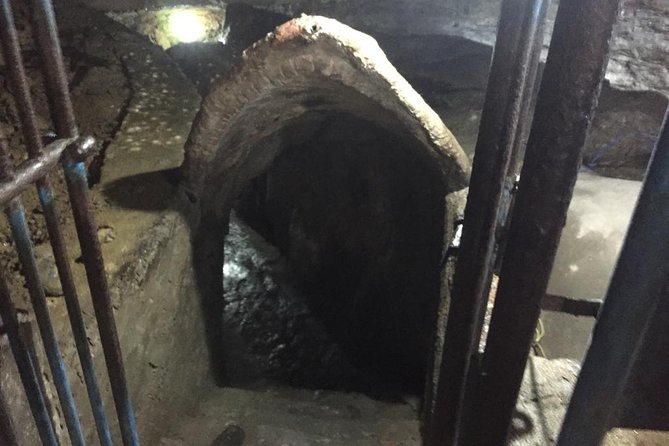
After Devi’s Fall, you’ll head to Gupteshwor Mahadev Cave, and this time the stop is longer: about 45 minutes. Admission is not included.
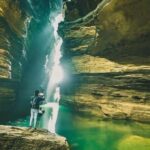
This is the tour’s big cave component, and the longer time makes a difference. Instead of rushing through, you can get a better feel for the cave interior and spend more time at key viewing areas. Limestone caves often look stunning in steady light, and even on a quick circuit, you’ll feel like you’ve actually done something here.
If you’re sensitive to confined spaces or uneven ground, take it slow. Keep your shoes grippy. And because it’s shared, don’t wander so far that you lose track of where the group is gathering.
Cave stops also tend to be the place where you’ll get the most variation in how people experience the tour. Some will love every step; others just want the main sights and fresh air. Forty-five minutes is a practical compromise.
Stop 6: Phewa Tal, then walk back to your hotel
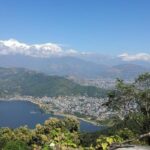
The final stop is Phewa Tal (Fewa Lake) for about 5 minutes, and admission is free. The nice part is the timing: your hotel is typically in walkable distance from here, so the tour can end without making you immediately scramble for transport.
Five minutes sounds short, but it works as a way to end on a recognizable payoff: lake views and the chance to orient yourself around one of Pokhara’s central areas. It’s also a good finishing point because it keeps the last part of your day flexible. After the tour drops you near Phewa Tal, you can decide where to go for dinner, drinks, or an evening stroll without needing another organized ride.
If you want a longer lake moment, don’t rely on this stop alone. Use it to set direction and then linger on your own time afterward.
Price, comfort, and value: what about $10.29 gets you
The price is $10.29 per person, with pickup and drop from Lakeside included. For many visitors, that’s the main reason to choose a shared mini bus: it lets you do several major sights without paying private-tour rates.
Is it all luxury? No. The bus is basic, and that can show in seating, comfort level, and how much guidance you get. One of the best things to do is set your expectations correctly. This isn’t built to feel like a guided lecture. It’s built to move you efficiently from point to point.
Still, this is also where reviews hint at the biggest factor you can control: your attitude. If you’re comfortable with a simple day—where you trade some comfort for more sights—you’ll probably feel happy with the value.
You might also notice a split in the experience depending on the specific bus and whoever is managing the day. Some groups report a more comfortable ride and a helpful sharing guide; others describe the tour as more basic with less structured commentary. That variability is typical for shared tours, and it’s why you should treat this as a cost-smart circuit rather than a guaranteed high-touch experience.
If you want a tour that feels tailored and unhurried, you may prefer a private option. If you want to see the highlights quickly for a low cost, this one makes sense.
The guide vibe matters: when “like locals” really works
A shared tour lives or dies by how someone handles the day. You don’t have room for chaos when multiple people need to be coordinated at temples, caves, and waterfall viewpoints.
In the feedback you’ll find consistent praise for the way things were arranged, including thanks to a guide named Mr. Ravi. That’s not a promise for every departure, but it does show what’s possible when someone runs the route with patience and clarity.
My advice is simple: arrive a little early, keep your questions short, and don’t make the group wait. If the guide senses cooperation, the day usually flows better. And in a sharing mini bus tour, a smooth rhythm is what makes it feel like you’re experiencing Pokhara like locals rather than just passing through.
Who this tour is best for
I think this tour fits best if you’re:
- Doing Pokhara on a budget and want a one-day highlights loop
- Staying near the Lakeside area and want pickup/drop to remove friction
- Okay with a shared, basic bus style and short stop times
- Traveling with limited time and want the major sights covered
It may feel less ideal if you:
- Want deep explanations at each stop
- Are sensitive to crowds or basic transport conditions
- Prefer long, unstructured time at viewpoints (this schedule is designed to move)
Should you book this Pokhara sharing bus city tour?
If your goal is to get a lot of Pokhara into one day for very little money, I’d book it. The core strength is practical value: Lakeside pickup/drop, a sensible 6–7 hour circuit, and a mix of temple, cave, falls, and lakes—some free, some ticketed.
Just book it with the right mindset: this is not a private, slow-paced, high-comfort day. It’s a straightforward way to see the recognizable highlights without building your own transport plan from scratch.
If you’re the type who hates rushing and dislikes crowds, you’ll probably be happier with a more flexible tour style. But if you can handle sharing and short stops, this is a smart, budget-friendly introduction to Pokhara.
FAQ
What places do we visit on this Pokhara sharing bus tour?
You’ll visit Shree Bindhyabasini Temple, Mahendra Cave, Begnas Lake, Devi’s Fall, Gupteshwor Mahadev Cave, and finish at Phewa Tal.
How long is the tour?
It runs about 6 to 7 hours.
What time does the tour start?
The start time is 9:40 am.
Is pickup included?
Yes. Pickup and drop are offered from the Lakeside area of Pokhara.
What’s included in the price?
The price includes one seat in a basic sharing mini bus and pickup/drop from Lakeside.
Are entrance fees included?
No. Entrance fees are not included, though some stops are listed as free.
What is the maximum group size?
The tour has a maximum of 22 travelers.
Can I cancel for a full refund?
Yes, you can cancel up to 24 hours in advance for a full refund. If you cancel less than 24 hours before the start time, the amount paid is not refunded.
Is a mobile ticket provided?
Yes, the tour uses a mobile ticket, and you’ll receive confirmation at the time of booking.