REVIEW · KATHMANDU
Kathmandu: 14-Day Everest Base Camp with Kala Patthar Trek
Book on GetYourGuide →Operated by Welcome Nepal Treks P.Ltd · Bookable on GetYourGuide
That first Everest view is worth every step. This 14-day trek pairs Sherpa culture with the big-name highlights you came for, including Namche Bazaar and Kala Patthar.
I’d pick this trip for two very practical reasons: the route spends real time in the Sherpa heartland, and the support team is a standout, including guides like Anjan (and trip coordination help from Hari) who keep things organized and in clear English. You also get multiple major scenery hits along the way—Everest, Lhotse, Nuptse, and Ama Dablam—so the effort doesn’t feel one-note.
One consideration: the plan includes the trek and the Lukla flights, but meals during the trek and porter costs aren’t part of the package price, and at altitude you’ll feel that difference quickly. Also, it’s not suitable for pregnant travelers, people with heart problems, or anyone with mobility impairments.
In This Review
- Key highlights worth getting excited about
- Why this Everest Base Camp route feels special
- Kathmandu pre-game: where the trip starts and settles
- Lukla flight day: the route’s biggest wildcard
- Phakding to Namche Bazaar: the warm-up that isn’t optional
- Namche acclimatization day: rest that actually counts
- Tengboche and Dingboche: monasteries, views, and steady climbs
- Lobuche and the climb toward Everest Base Camp
- Gorak Shep to Kala Patthar: the viewpoint hike that defines the trip
- Downhill is its own challenge: Pheriche back toward Kathmandu
- Lodges, tea-house food, and the cold reality of no hot showers
- What you’ll pack: simple clothing that works at altitude
- Guide and porter support: what it means for safety and sanity
- Price and value: what $1,296 covers, and what you should budget
- Who should choose this trek, and who should skip it
- Should you book this Everest Base Camp + Kala Patthar trek?
- FAQ
- What locations are included on the trek?
- How do the flights work?
- What permits are included?
- What about accommodation and meals?
- Is a porter included?
- Who should not take this trek?
Key highlights worth getting excited about
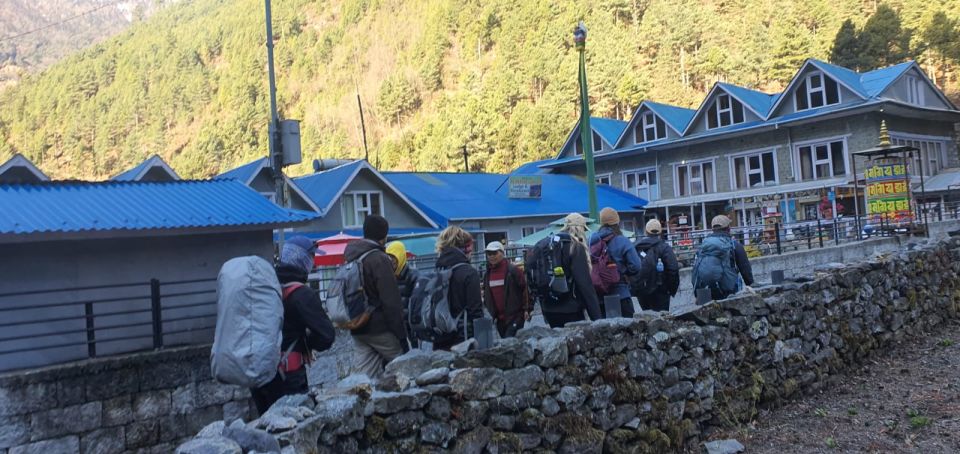
- Walk the foothill approach to the tallest mountain on Earth, with altitude you’ll feel in your breath
- Fly into Lukla, a small-airport challenge that can shape the whole schedule
- Spend meaningful time in Namche Bazaar, the social hub of the Khumbu Sherpa region
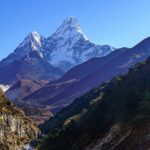
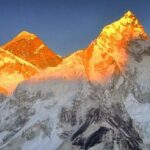
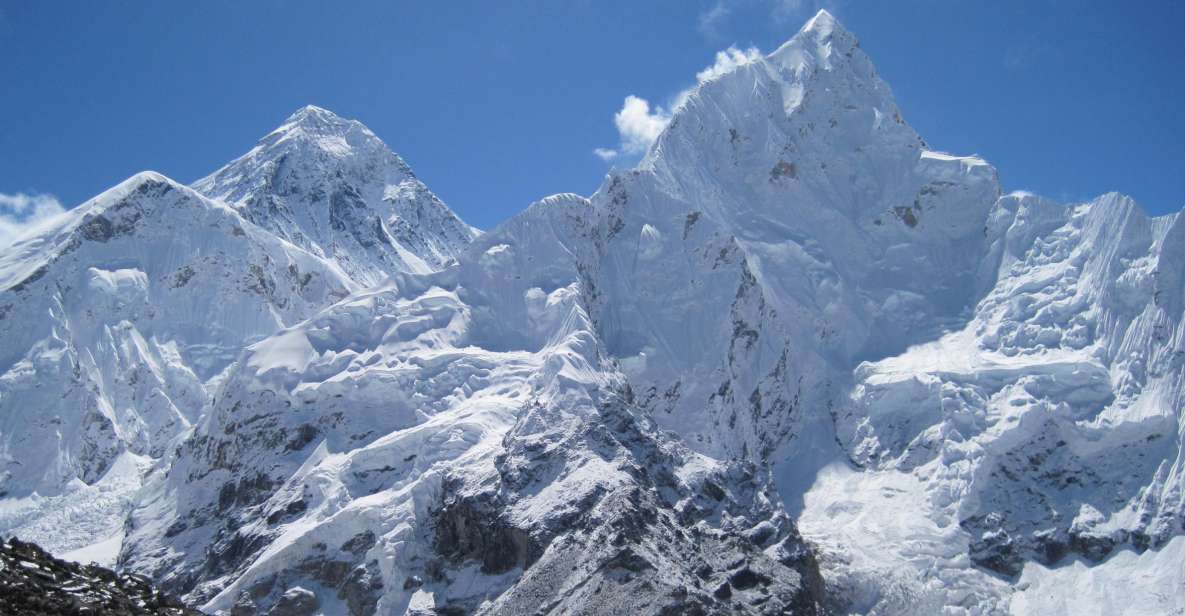
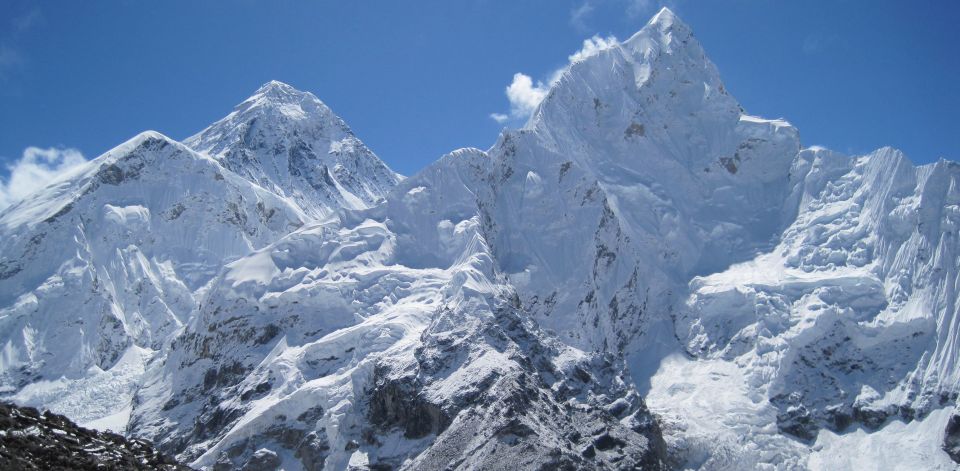
- Trek through major viewpoint towns, with strong chances to see Everest, Lhotse, Nuptse, and Ama Dablam
- Reach Kala Patthar (5,545 m) for one of the best-feeling high-altitude viewpoints on this route
Why this Everest Base Camp route feels special
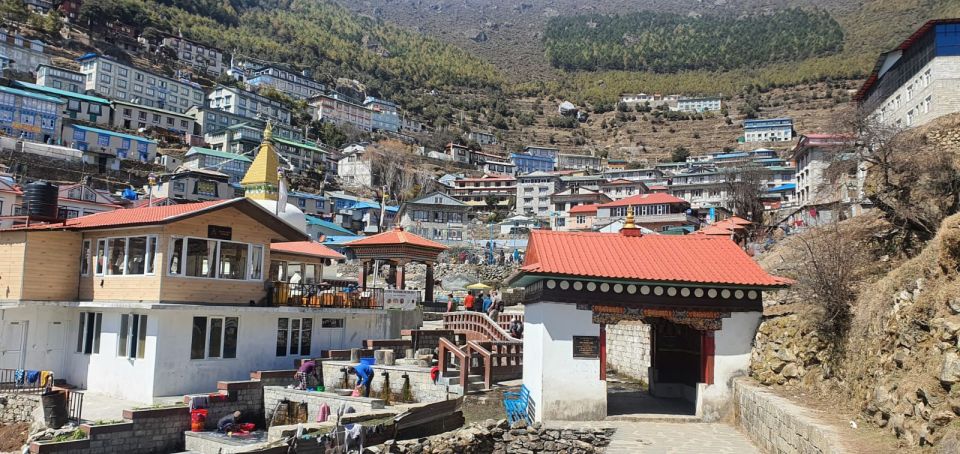
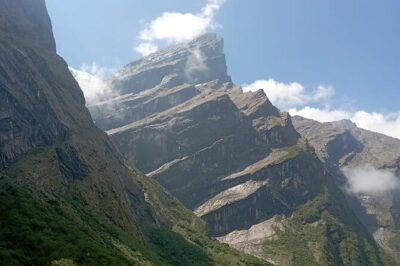
This trek is built around two kinds of rewards. First, you get the cultural rhythm of the Khumbu—especially around Namche Bazaar—where tea houses, guides, and local life revolve around trekking seasons. Second, you’re chasing skyline moments: the Everest massif from multiple angles, plus the signature payoff at Kala Patthar.
I like how the route doesn’t rush straight upward. Even though you will gain altitude fast, you’ll also have built-in pause points for acclimatization. That matters because the mountains don’t care about your excitement. They care about your pace, your recovery, and how your body handles altitude.
The trip also sets you up with the right kind of guidance. English support is part of the experience, and you’ll see why that’s valuable once you’re dealing with pace, conditions, and the day-to-day choices that keep you safe and moving.
You can also read our reviews of more hiking tours in Kathmandu
Kathmandu pre-game: where the trip starts and settles
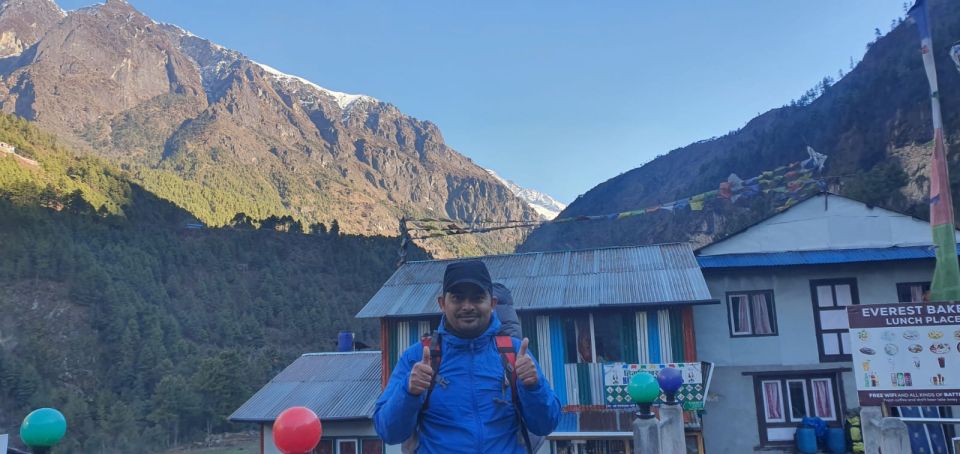
You start with airport pickup and a transfer to a hotel in Kathmandu, then you get two nights in Kathmandu with breakfast. That first cushion is more than convenience. It gives you time to handle anything practical—getting sleep, sorting last-minute items, and getting your mind focused on the big schedule ahead.
This part of the trip is also where you’ll feel how “real” the Everest plan is. Paperwork and permits are handled for you, which saves time and stress. You’re not trying to coordinate official stuff while jet-lagged and overwhelmed.
If you’re coming in from far away, these Kathmandu nights are your chance to recover before Lukla. If you treat this as just a waiting room, you’ll pay for it later on the trail.
Lukla flight day: the route’s biggest wildcard
The next major step is the domestic flight from Kathmandu to Lukla (2,850 m), then the return later (Lukla to Kathmandu). Lukla is known as one of the world’s most extreme airports, and the bigger value of that fact isn’t drama—it’s awareness.
Small-airport conditions can cause delays. When that happens, the key question becomes: how flexible is your team? One traveler experience highlighted that the organizer kept trying to secure flights and waited multiple days, eventually switching to an alternate base camp trek with the same guide. That’s the kind of problem-solving you want from the start.
For your own planning, pack a little patience. Your trek might shift by a day, and your best move is to stay focused on what’s controllable: hydration, sleep, and staying mentally calm.
Phakding to Namche Bazaar: the warm-up that isn’t optional
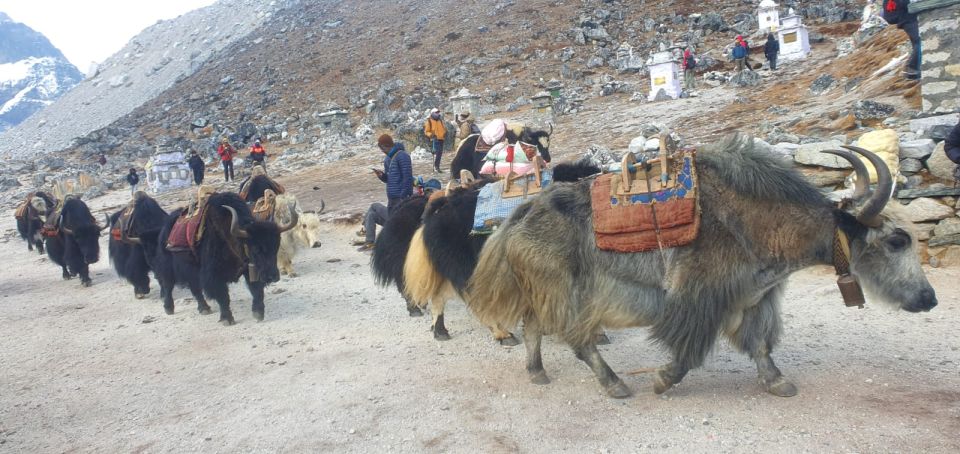
After landing in Lukla, you’ll trek to Phakding (2,640 m) in about 4–5 hours. This day is a gentle introduction to the trail feel—dusty paths, steady uphill sections, and the first hints that breathing changes at altitude.
Then comes Phakding to Namche Bazaar (3,440 m), typically 6–7 hours. This is where you feel the trek “turn on.” Namche is the cultural center you’re walking into. You’ll see Sherpa life woven into the trail economy: teahouse dining, shopfronts, prayer items, and constant movement of porters and trekking teams.
The biggest upside of this section is that you’re not just hiking—you’re being prepared. The trail teaches you pacing, and Namche offers enough comfort options to help you recover before the next rise.
Possible drawback: because Namche is popular, the town can feel busy compared to quieter stops. If you’re hoping for pure solitude, this is where you’ll notice the crowd energy.
Namche acclimatization day: rest that actually counts
On day 4, you’ll rest and acclimatize at Namche Bazaar, with a 2–3 hour excursion. This is the kind of rest day that works because it doesn’t mean doing nothing. It means giving your body a chance to adapt while still keeping your legs moving.
You’ll also be in the right place socially. You’ll see other trekkers, you can compare notes, and you’ll likely learn what’s working for different people—what pace feels comfortable, how they’re managing cold, and how they handle the thin-air feeling.
Don’t treat acclimatization days as optional sightseeing. The route is built so that you return to the same general altitude before pushing higher. That’s the whole point: you want your body to handle the next step, not just your enthusiasm.
Tengboche and Dingboche: monasteries, views, and steady climbs
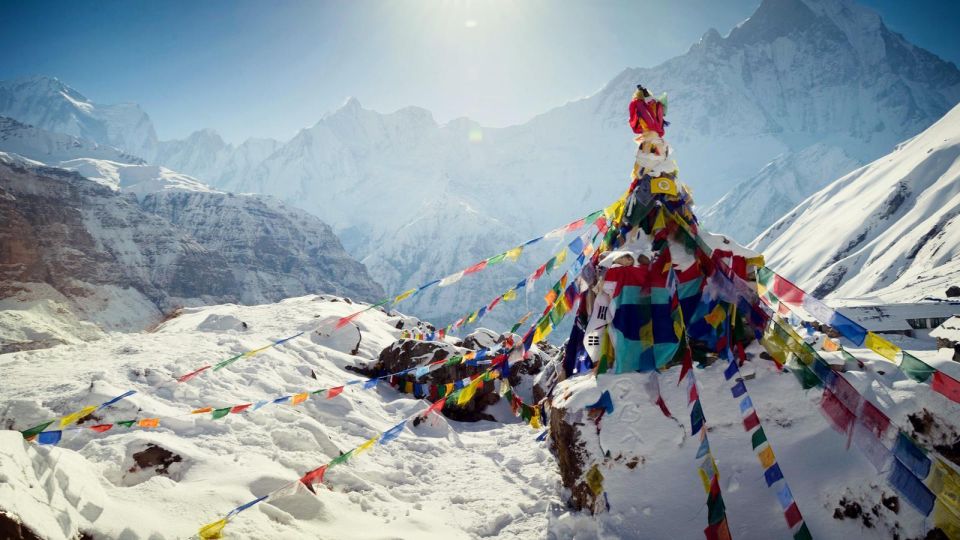
On day 5, you’ll trek to Tengboche (3,870 m) in about 5–6 hours. Tengboche is known for its spiritual atmosphere, and even if you don’t go into every site, the tone of the town stands out. It’s a good place to break up the sense of constant uphill motion.
Day 6 takes you from Tengboche to Dingboche (4,410 m) over 5–6 hours. This is where altitude starts to make itself obvious. The air feels thinner, and even small climbs can feel like more work.
Day 7 is another acclimatization stop at Dingboche before you go higher toward Lobuche. That pacing is valuable because each jump upward stacks stress on your body. Your goal isn’t to “win” the route; your goal is to keep moving efficiently without exhausting yourself.
Lobuche and the climb toward Everest Base Camp
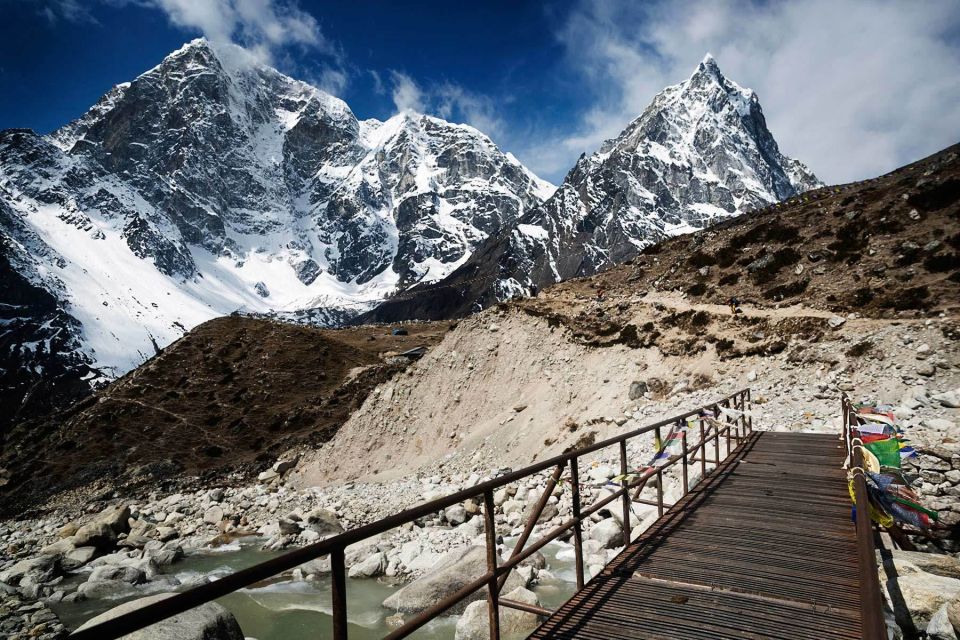
On day 8, you’ll trek from Dingboche to Lobuche (4,940 m) for 5–6 hours. By now, you’re in true high-altitude trekking territory. The terrain is demanding, and the cold can creep in even during the day.
Day 9 is the big forward push. You go from Lobuche to Gorak Shep (5,170 m), then hike up to Everest Base Camp (5,364 m) and return back to Gorak Shep the same day. That means you’re stacking both distance and altitude strain into one schedule.
This is a place to focus on effort management. You’ll likely want to move steadily rather than sprint to the final viewpoint. The reward comes from being there, not from forcing a faster pace.
One more reality check: Base Camp at this altitude is not a warm, comfortable victory lap. Expect cold and wind. That’s part of the experience, and it’s why layered clothing matters.
Gorak Shep to Kala Patthar: the viewpoint hike that defines the trip
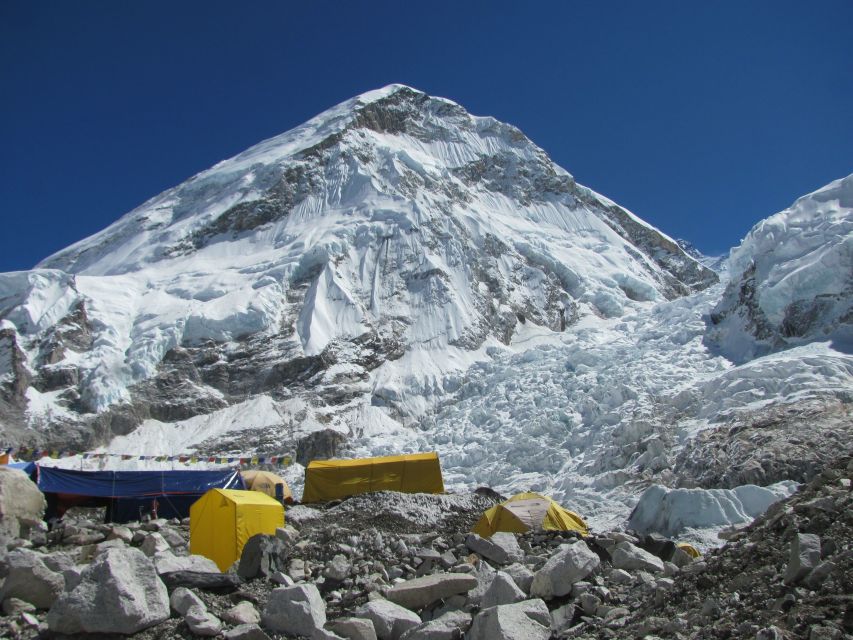
Day 10 is your Kala Patthar climb, starting from Pheriche-area descent logistics after your EBC return. You’ll reach Kala Patthar (5,545 m), then trek down to Pheriche (4,371 m).
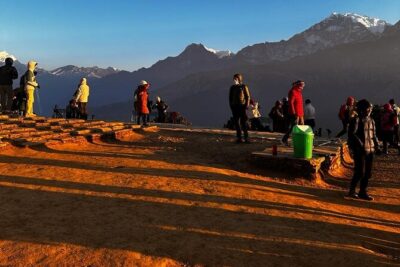
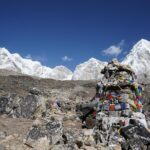
Kala Patthar is often what people remember most—not because it’s easy, but because it pulls multiple mountains into one concentrated view. You’re not just looking at Everest. You’re seeing how Everest sits with Lhotse, Nuptse, and the surrounding peaks, which makes the whole Everest region feel real and connected.
This is also where you’ll feel why the trek includes gear support. If you need it, you can use items like a jacket, sleeping bag, and duffle bag. That reduces the amount you have to haul from home and helps you deal with cold conditions more comfortably.
Practical tip for you: treat this day like a temperature day. Move with extra caution, keep your hands and face protected, and don’t let the adrenaline outrun your breathing.
Downhill is its own challenge: Pheriche back toward Kathmandu
After Kala Patthar, the next three days focus on descending and getting your body back down toward lower elevations before arriving back in Kathmandu on day 13.
Descending can feel like a victory, but it still matters. Your knees and shins take a beating, and fatigue can make your foot placement sloppy if you push too hard. The route’s structure gives you time to ease back into easier walking so you’re not arriving in Kathmandu totally worn out.
On day 13, you’ll spend a final evening in Kathmandu before your departure the next day. That last night is worth protecting. If you want to remember the trip, this is when you’ll actually be able to enjoy the city instead of just counting days until travel time.
Lodges, tea-house food, and the cold reality of no hot showers
This trek uses lodges and tea houses during the journey. That’s the standard rhythm in the Khumbu: basic rooms, communal dining areas, and menus that keep you fueled on long walking days.
Two practical notes based on what’s provided:
- Hot showers during the trek are not included. You’ll be doing “cold enough to matter” washing at times.
- Meals during the trek aren’t included. Breakfast, lunch, and dinner are on you.
The upside is that tea houses at these altitudes focus on comfort-food options. One traveler experience described how mountain food—like noodles even at very high elevation—can taste like fuel when you need it most. Even if your appetite changes with altitude, you’ll still have options to keep calories coming.
What you’ll pack: simple clothing that works at altitude
The provided packing list is sensible: sunglasses, a hat, hiking shoes, sunscreen, insect repellent, socks, and a mix of t-shirts, long pants, and shorts. You’ll also want toilet paper.
Since this is a high-altitude trek, your real win is using layers correctly. You can be warm for an hour and cold for the next, especially when the wind shows up around higher elevations.
Also pay attention to the list saying you should bring multiple clothing items (like extra t-shirts and socks). At altitude, dryness and warmth depend on having a bit of backup.
If you’re worried about hauling gear, the included options (like a jacket and sleeping bag) can help. Still, shoes and socks are your responsibility—get them right before you arrive.
Guide and porter support: what it means for safety and sanity
You’ll travel with an experienced, helpful, English-speaking guide. That support matters because the Everest region is full of small decisions—when to push, when to slow, and how to keep your day organized when conditions aren’t perfect.
Porters are a separate cost. The plan notes one porter for 2 people. You may decide to add porters because carrying less can help you protect your energy for the high-altitude days. The trek includes salary and insurance coverage for the guide and porter, but the porter service itself is not listed as included in the base price.
Based on traveler feedback, strong guide communication makes a difference. English clarity reduces confusion and helps you understand what the team expects from you each day.
Price and value: what $1,296 covers, and what you should budget
At $1,296 per person, you’re paying for a lot of the hard-to-assemble parts: airport pickup and transfers in Kathmandu, domestic flights (Kathmandu–Lukla–Kathmandu), two nights in Kathmandu with breakfast, lodges during the trek, permits for Sagarmatha National Park, and an English-speaking guide.
The value gets even better when you compare what’s excluded:
- Trek meals (breakfast, lunch, dinner) aren’t included.
- Drinks aren’t included.
- Hot showers aren’t included.
- Medical evacuation coverage via your travel insurance isn’t included.
So this price isn’t a “no-thought” deal. It’s a well-run structure with some daily costs you’ll need to plan for. If you like knowing your daily budget in advance, you’ll want to estimate your meal spending and decide whether you’ll hire the porter support.
My practical take: this price makes sense if you’re comfortable budgeting for food and you take altitude seriously enough to bring proper insurance.
Who should choose this trek, and who should skip it
This trek isn’t suitable for pregnant women, people with heart problems, or anyone with mobility impairments.
It’s also not a great match if you want minimal physical effort. You’re walking many hours over varying terrain, rising to high elevations like Gorak Shep, Everest Base Camp, and Kala Patthar.
You’ll be a better fit if you:
- can handle daily hikes ranging from about 4–7 hours,
- accept cold conditions and basic accommodation,
- want both Sherpa culture time and major viewpoint goals,
- prefer a guided structure with permits handled and lodge logistics arranged.
Should you book this Everest Base Camp + Kala Patthar trek?
Book it if you want a classic Everest route that gives you cultural time in Namche, major viewpoints all the way up, and a real summit-style payoff with Kala Patthar. The included permits, flights, guide support, and lodge planning help you focus on the walking and acclimatization rather than logistics.
Don’t book it if you’re hoping for luxury comforts (hot showers aren’t included), all meals covered, or an easy walk. Also, if any of the health restrictions apply—heart issues, pregnancy, or mobility limitations—choose a different trip that fits your needs.
If you’re ready for the altitude challenge and you can plan your daily food budget and insurance properly, this is a strong way to tackle Everest Base Camp with Kala Patthar as the unforgettable finish.
FAQ
What locations are included on the trek?
You’ll start in Kathmandu, fly to Lukla, and trek through Phakding, Namche Bazaar, Tengboche, Dingboche, Lobuche, Gorak Shep, Everest Base Camp, and Kala Patthar, then descend to Pheriche before returning to Kathmandu.
How do the flights work?
The trip includes flights for Kathmandu–Lukla–Kathmandu.
What permits are included?
Sagarmatha National Park entry permits and fees are included, along with all necessary paperwork.
What about accommodation and meals?
You get two nights of standard accommodation with breakfast in Kathmandu, plus lodges/tea houses during the trek. Breakfast, lunch, and dinner during the trek are not included, and lunch and dinner in Kathmandu are also not included.
Is a porter included?
Porters are not included. The plan notes one porter for every two people.
Who should not take this trek?
It’s not suitable for pregnant women, people with heart problems, or people with mobility impairments.