REVIEW · KATHMANDU
Himalayan White Water Rafting Day Trip from Kathmandu
Book on Viator →Operated by Nepal Highpoint Trekking Private Limited. · Bookable on Viator
White water beats Kathmandu routine. This fast-paced Trishuli River rafting day trip trades city time for rapids, villages, and mountain views.
I especially like the mix of small-group attention and a safety briefing that helps you feel ready even if you’ve never rafted. And I like that lunch is included, so you can actually enjoy the day without worrying about finding food.
The main drawback is the travel day: the drive in and out takes time, and it can turn into a real long haul even though the rafting itself is the highlight.
In This Review
- Key things to know before you go
- From Sorhakhutte to Kurintar: the long, necessary drive
- Safety first on the Trishuli: rafting with all levels welcome
- Kurintar and the river run: what you’re actually doing all day
- Lunch and river breaks: how the trip keeps energy levels up
- Guides and small-group feel: why this style of trip feels better
- Price and value: what $52.86 buys you (and what to watch for)
- Getting picked up and getting back: the logistics that matter in real life
- Who should book this Trishuli rafting day trip
- Should you book? My take
- FAQ
- What time does the rafting day trip start from Kathmandu?
- Where does the rafting start?
- How long is the trip?
- Is lunch included?
- Do I need previous rafting experience?
- Is there a vegetarian option?
- Where do you get dropped back in Kathmandu?
Key things to know before you go
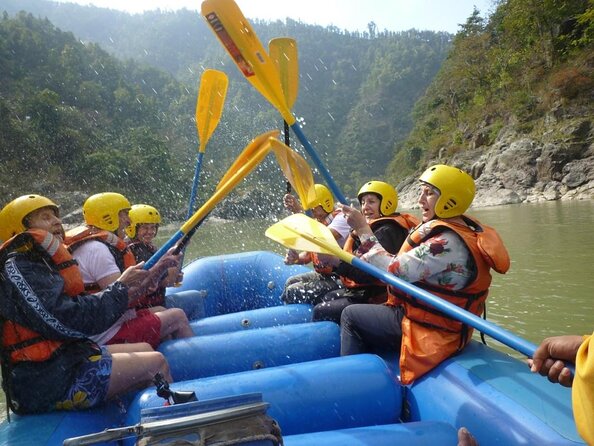
- Small-group size (max 15): You get more personal attention than on bigger bus-style trips.
- No experience needed: All levels are welcome, and the day is set up for first-timers.
- Licensed English-speaking guide: Safety briefing and in-boat guidance are part of the package.
- Lunch included: You’ll eat before or after your river time so you’re not running on empty.
- Expect river time plus breaks: There’s free time to swim and relax along the banks.
From Sorhakhutte to Kurintar: the long, necessary drive
This trip starts early. You’ll meet in Kathmandu at Sorhakhutte and depart around 6:30 am. Then the big reality of rafting in Nepal shows up fast: you’re not just “doing rafting,” you’re also doing a significant transfer to reach the river.
You’ll ride a tourist bus to the rafting starting area, and the day ends with a bus back to Kathmandu. The drop-off is at Balaju Chowk, which is convenient because it’s tied into local movement around the city. But time matters here. Even when traffic cooperates, you should treat this as a full-day outing.
From there, the rafting portion begins at Kurintar, which is where your river adventure starts. In the bigger picture, that means you’re trading a big chunk of morning and afternoon sitting (or at least riding) for a river run that’s worth it. If you hate long travel days, this is the part that will test your patience. If you’re okay with a long day for a memorable river run, you’ll be fine.
Practical tip: pack a light layer for early morning bus air, and keep water + a snack for the ride time if you’re the type who gets hungry quickly (lunch is included, but the drive is still long).
You can also read our reviews of more tours and experiences in Kathmandu
Safety first on the Trishuli: rafting with all levels welcome
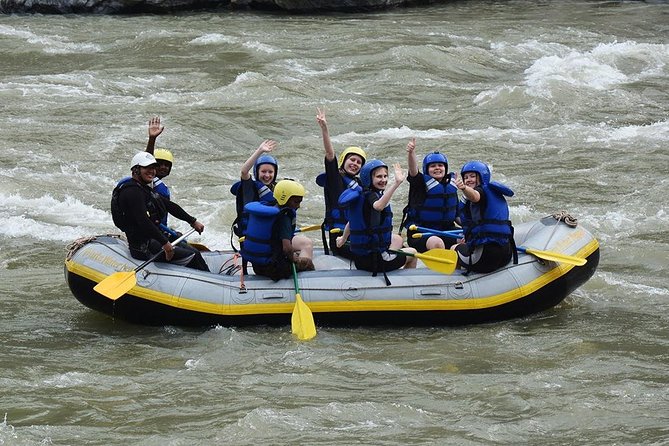
White-water rafting sounds intimidating until you’re actually in the moment. The good news here is that the Trishuli River run is designed for all levels, including people with no rafting experience. That changes how you should approach the day: go in ready to learn, not ready to prove yourself.
The day includes detailed safety briefings and a private group guide. The guide is well trained and English-speaking, and that matters more than you might think. Clear instructions reduce stress fast, especially when you’re learning how to hold your paddle, when to listen, and how to position yourself in the raft.
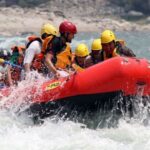
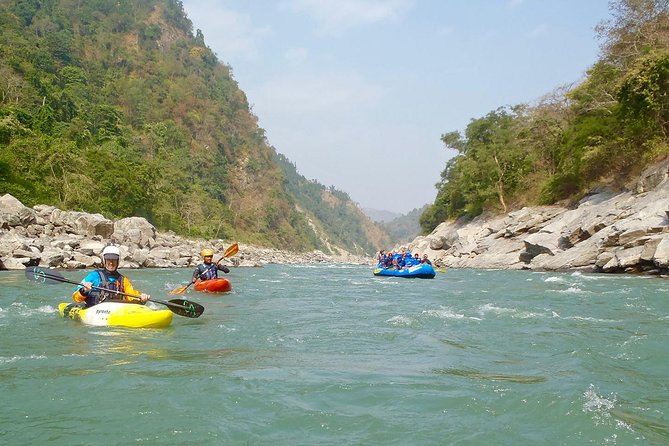
The rapids themselves are the main event. You’ll get the fast-paced ride down the Trishuli, and the trip’s route is scenic—farms, villages, hills, and mountains come into view along the way. That mix of effort and scenery is part of why rafting on this river works for so many people: you’re not only bracing for the water, you’re also watching Nepal move past you at a speed you rarely get from roads.
One more thing: the trip explicitly includes a chance to swim and relax along the riverbanks. That helps you recover mentally and physically. It also turns the day from a nonstop adrenaline session into something more balanced.
Practical tip: bring quick-dry clothes or a change of clothes in a dry bag if you have one. You don’t need to overpack, but having something dry after the raft is genuinely comforting.
Kurintar and the river run: what you’re actually doing all day
At Kurintar, the adventure switches gears. The morning transfer gets you to the right starting point, then you transition into the raft routine: listen to the briefing, get geared up, and learn the basic commands and boat rhythm.
Once you hit the river, the day becomes a sequence of moments:
- the lead-up before the first stretch,
- the rapid sections that keep things moving,
- and the scenery sections where you can actually see where you’re going.
The run is described as scenic and fast-paced, which is a helpful combo. Scenic doesn’t mean “slow.” It means you’ll be watching the river valley and the human life along it—villages and farms—while also dealing with the push and churn of white water.
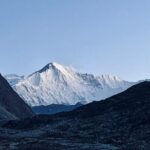
And because the route passes hills and mountains, it gives you that Nepal feeling that trekking-only trips sometimes don’t: you get motion plus height plus water energy, all in one day.
You should also note the practical pacing. This is not a short-andeasy excursion you can squeeze in between sightseeing stops. The whole day is structured around transfers, rafting, and time to recover.
Practical tip: if you’re hoping for a relaxed schedule, adjust your expectations. You’re going to be on the go. Plan your Kathmandu evening afterward so you’re not rushing into dinner reservations that require you to be perfectly rested.
Lunch and river breaks: how the trip keeps energy levels up
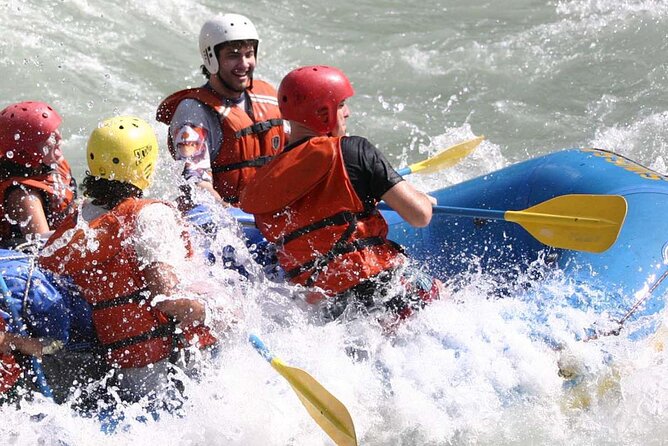
One of the simplest reasons this trip works is lunch is included. That sounds basic, but in real life it matters. When you’re rafting for hours with cool water splashes, your body burns energy. You also burn time. A meal included in the plan means you won’t be stuck trying to find food right when you’re tired and damp.
You’ll eat at a point during the day’s flow, designed to keep you energized for the full outing. After rafting, you also get free time to swim and relax along the riverbanks.
That swim-and-relax break is more than a perk. It’s where you reset. You stop being “just the person in the raft” and you become the person enjoying the river environment. It’s also a chance to let your shoulders and hands recover.
Practical tip: bring sandals or water shoes if you have them, especially if the riverbank feels slippery or uneven. You don’t want your “rest moment” to turn into a careful step-fest.
Vegetarian options are available. If you have dietary needs, you should note them during booking so your meal fits your preferences.
Guides and small-group feel: why this style of trip feels better
This is capped at 15 travelers, which changes the vibe. With fewer people, you tend to get faster communication and easier coordination. You also feel it when you’re getting ready—there’s more attention available if you’re unsure about gear, safety instructions, or how to behave in the raft.
The guide plays a big role. The trip includes a licensed English-speaking guide and a private group guide, so you get clear direction and group management rather than a vague handoff to a raft crew.
Even the “how it feels” side matters. The day has a rustic, real-world vibe: not a polished tourism factory, but a practical rafting operation where you’re joining local river culture and moving through it with a guide keeping everything safe and organized.
Also, because you’re in a smaller group, you’re more likely to benefit from the guide’s timing and personal attention. That’s especially useful if you’re a first-timer and you want confirmation that you’re doing things the right way.






Price and value: what $52.86 buys you (and what to watch for)
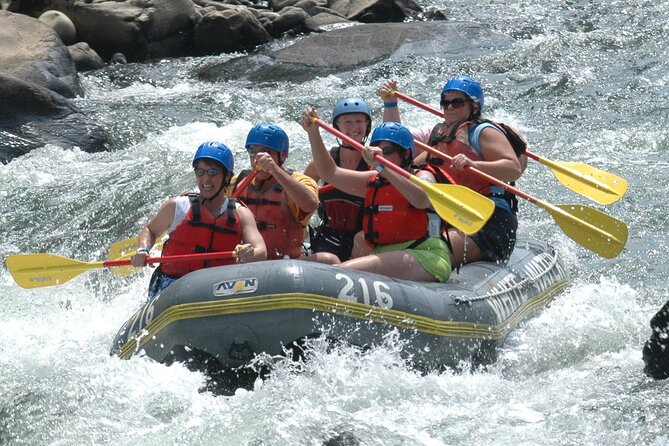
At $52.86 per person, this rafting day trip sits in the “serious value” category, especially if you compare it to the cost of rafting elsewhere once you factor in transport and an included meal.
What you’re getting for the price:
- A full day experience (about 10 hours)
- A guided rafting setup with safety briefing
- Lunch included
- Transfers from Kathmandu to the starting area and back
- A small-group size (max 15)
What you’re not getting:
- Alcoholic drinks (you can buy them)
- Hotel drop-off (you meet at a set Kathmandu location)
- Extra food beyond what’s included (unless specified)
The best way to think about the cost is this: you’re paying for organization and access. Getting to the Trishuli River takes time and logistics. You’re also paying for a guide-led, safety-focused rafting experience that works for beginners.
The one thing you should mentally budget for is time, not money. Even though the main action is rafting, the day is long because the drive is long. If you show up expecting it to feel like a quick morning tour, you’ll feel it.
Practical tip: wear clothes you don’t mind getting wet, and consider bringing a small towel or a spare dry shirt. Those small costs and choices can make the day feel much smoother without breaking your budget.
Getting picked up and getting back: the logistics that matter in real life
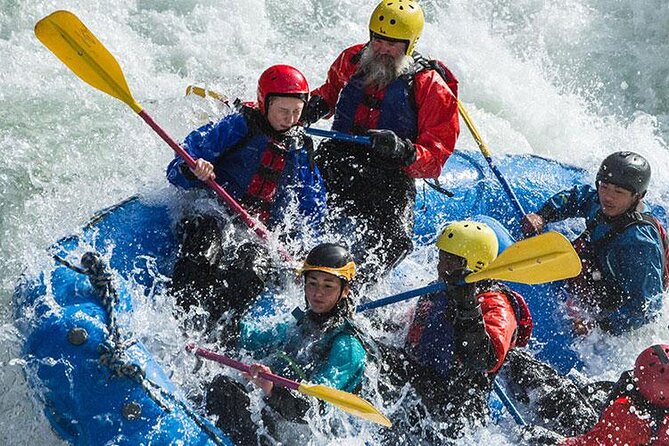
You’ll start at Sorhakhutte and end near Balaju Chowk. The tour notes that you’ll be near public transportation, and that helps if you want to plan your next stop after rafting without needing a complicated taxi hunt.
Pick-up can be a little tricky in Kathmandu style fashion. If your accommodation is hard to find or the route varies, you may have to deal with extra walking or clarifying where you are. The trip also notes that you can reconfirm your pick-up one day before, which is smart. Since your timing depends on the group, reconfirming reduces the chance of confusion.
Also, keep in mind the bus portion is part of the experience. You’re likely on a bus route with a few stops to pick people up, so departures can stretch.
Practical tip: be ready at least 10–15 minutes before the posted time and keep your phone charged. Even with a good plan, Kathmandu movement and routing can add minutes.
Who should book this Trishuli rafting day trip
This is a great fit if:
- you want a day trip from Kathmandu that’s active and not trekking-focused
- you’ve never rafted and you want all-levels welcome
- you like getting guided, not winging it
- you want a small-group experience rather than a huge crowd
It might be less ideal if:
- you hate long travel days and prefer quick in-and-out sightseeing
- you want a very relaxed schedule
- you’re extremely sensitive to uneven timing, since the overall day depends on transport and group coordination
If you’re coming off trekking and you want a change of pace, rafting can be a fun contrast—still outdoors, still Nepal, but a different kind of effort. And if you’re in Kathmandu after shopping and sightseeing, this is the kind of activity that actually changes your day instead of repeating it.
Should you book? My take
If you want real river time without needing prior experience, this Trishuli River rafting day trip is a strong choice. I like that it’s built for beginners, includes lunch, and runs with trained, English-speaking guidance in a small group. The rafting is the point, and the day is paced in a way that keeps you from running out of energy.
Book it if you’re okay with a long travel day and you’ll be happy trading some comfort for something more authentic and active. Skip or reconsider if your schedule is tight or you’re not willing to handle early mornings and bus transfers.
Either way, go with the right mindset: plan for the long ride, dress for getting wet, and focus on the moment you’re on the water. That’s when the day makes sense.
FAQ
What time does the rafting day trip start from Kathmandu?
The start time is 6:30 am, meeting at Sorhakhutte, Kathmandu 44600, Nepal.
Where does the rafting start?
The rafting adventure starts from Kurintar, the starting point of the river for this trip.
How long is the trip?
The duration is approximately 10 hours.
Is lunch included?
Yes. Lunch is included to keep you energized for the full day.
Do I need previous rafting experience?
No. All levels are welcome, and the tour is designed so no prior rafting experience is necessary.
Is there a vegetarian option?
Yes. A vegetarian option is available, but you need to advise the provider when booking.
Where do you get dropped back in Kathmandu?
The trip ends with drop-off at Balaju Chowk in Kathmandu.