REVIEW · POKHARA
Ghorepani Poonhill Private Trek – 2 nights / 3 days
Book on Viator →Operated by Peaceful Nepal · Bookable on Viator
Poon Hill is the kind of short trek that rewards early wake-ups. This Ghorepani Poonhill Private Trek is built for people who want big Annapurna sunrise views without spending a week on the trail, and it layers that with ethnic village walking and classic rhododendron scenery. What I like most is the tight 2-night plan (so you get a real feel for the region fast) and the practical setup with permits, teahouse lodging, and a licensed English-speaking guide handled for you.
One thing to consider: you start early. The trek kicks off at 6:00 am, and Day 3 includes a pre-dawn hike to Poon Hill—great for sunrise, but it means you need to be ready for very little sleep.
In This Review
- Key things to know before you go
- Why Poon Hill works so well in just 3 days
- Price and Logistics: what $450 buys you (and what it doesn’t)
- Day 1: Pokhara to Nayapul, then the walk up to Tikhedhunga/Ulleri
- Day 2: Ghorepani and the stairs-and-forest rhythm
- Day 3: Poon Hill pre-dawn hike and the return to Pokhara
- Guides and the small details that change everything
- What to pack and how to pace a short Annapurna trek
- Who this trek suits best (and who should think twice)
- Should you book this Ghorepani Poon Hill Private Trek?
- FAQ
- What time does the trek start?
- How long is the trek?
- Where does the trek begin?
- What trekking permits are included?
- What kind of lodging is included?
- Are meals included?
- How do you get back to Pokhara?
- Is this a private tour?
- Is a mobile ticket used?
- Can I get a full refund if I cancel?
Key things to know before you go
- Private, just your group: no mixing with strangers, which makes the day flow smoother and feel more personal.
- Permits are handled: TIMs card and the Annapurna Conservation Area Permit are included.
- Teahouse lodging on the trail: you’ll stay in basic trekkers’ lodges rather than hotels, which is part of the charm.
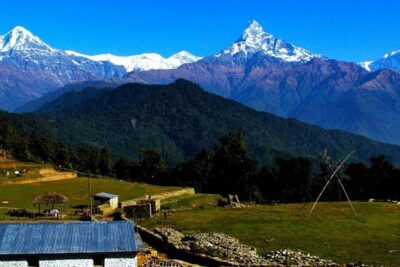
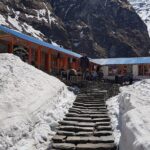
- Ghorepani is about stairs and forests: stone stair sections and rhododendron areas (especially lovely in spring).
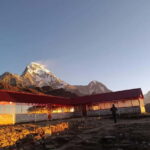
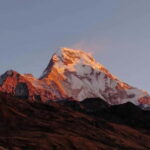
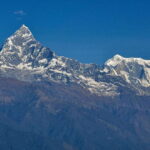
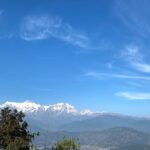
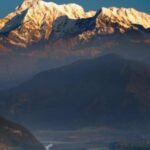
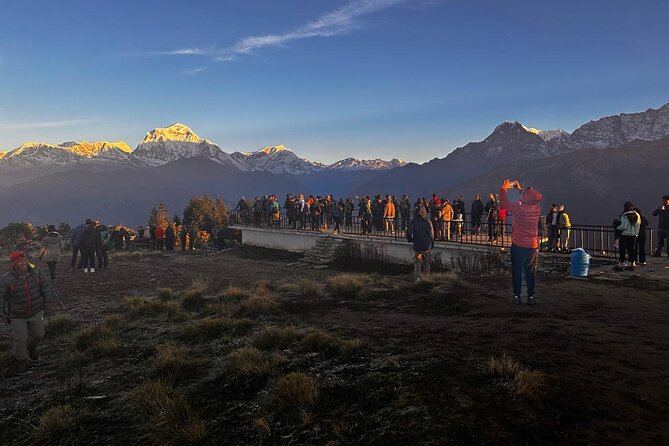
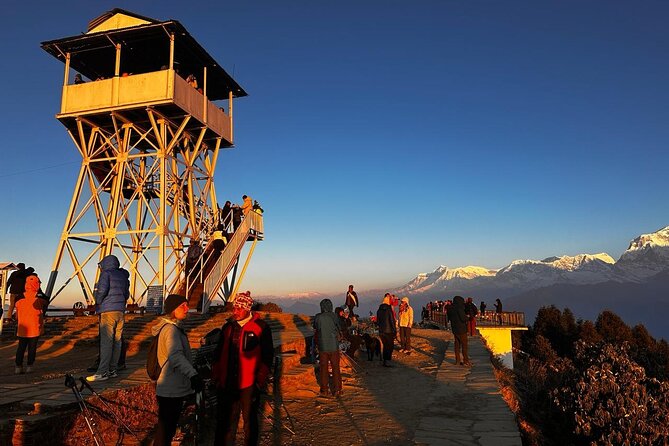
- Poon Hill sunrise is the headline: you’ll hike up early and catch sunrise views over the Annapurna and Dhaulagiri ranges.
- Easy-ish logistics from Pokhara: private vehicle to Nayapul, then bus back from Ulleri.
Why Poon Hill works so well in just 3 days
If you’re doing Nepal for the first time, you often want two things at once: a taste of the Himalayas and a schedule that won’t crush you. This trek hits that sweet spot. You’re in the Annapurna region quickly, and the walking days are long enough to feel like a real trek, yet short enough that most people with normal fitness can manage it.
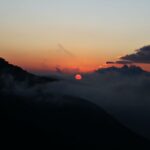
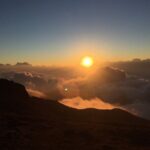
Poon Hill is the big draw because it’s timed around sunrise. You’re at about 3,210 meters / 10,531 feet, which is high enough to make the morning light special. You’re also close enough to do it in a short pre-dawn push instead of a complicated, multi-day summit plan. The result is a trek that feels celebratory: you wake up in the dark, climb for views, and then spend the rest of the day walking slower—rather than “always climbing.”
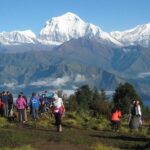
The other reason I like this itinerary is that it’s not only about the viewpoint. Along the way, you get the rhythm of the region: forest paths, stone stair sections, and village atmosphere. That matters on a short trek because the “memory” of a mountain trip isn’t just the peak view—it’s also the hours walking through local places.
You can also read our reviews of more private tours in Pokhara
Price and Logistics: what $450 buys you (and what it doesn’t)
Let’s talk value, because $450 can feel like a lot until you break down what’s actually included. This price covers several costs that are easy to underestimate on your own: permits, a licensed English-speaking guide, teahouse accommodation, and most of the food on the trail. It also includes transport from Pokhara to Nayapul by private vehicle, plus the return by local bus from Ulleri to Pokhara.
Here’s the practical math of why this is good value for many people:
- Permits are included (TIMs card + Annapurna Conservation Area Permit), so you’re not juggling paperwork before the hike.
- Guide + logistics: you don’t have to figure out trail timing, meal planning, and which teahouses to use each night.
- Meals are covered: breakfast (2), lunch (3), dinner (2). That’s a big deal on a short trek because you’re not doing budget math every half-day.
- Transport is partially handled: you get a private vehicle to the trail start and a bus back when you’re tired.
What’s not included is also clear: all other expenses. That usually means things like extra snacks, drinks, or personal shopping along the route. It’s also why I suggest carrying a little buffer money, even on “included meals” trips.
Two small perks that help on travel days: pickup is offered, and you’ll use a mobile ticket. Those sound minor, but they reduce stress when you’re operating on early-morning timing.
Day 1: Pokhara to Nayapul, then the walk up to Tikhedhunga/Ulleri
Day 1 starts with the “get moving” energy. You depart Pokhara by private vehicle for about 1 to 1.5 hours, reaching Naya Pul where the trek officially begins. This transition matters because it gets you onto the trail without wasting half the day figuring out routes or waiting in transit.
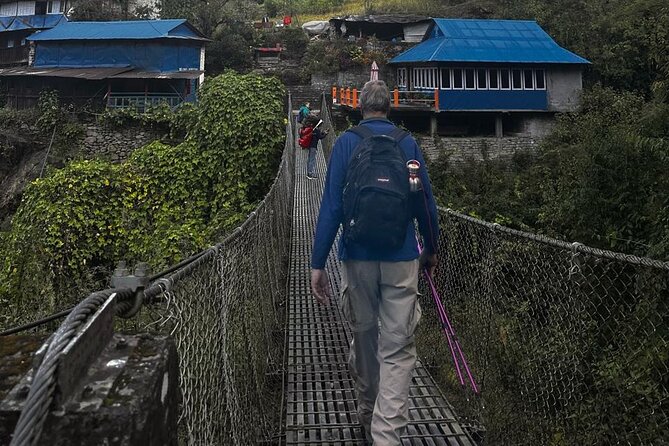
From Nayapul, you walk toward Tikhedhunga or Ulleri. The trail here is described as gentle through forested paths and alongside streams, with uphill sections building as you approach Ulleri. Translation: Day 1 is your warm-up day, but it still asks your legs to start working.
The Ulleri area is useful on a 3-day trek because it positions you for the next morning. You’re not ending Day 1 too early or too far away. You’ll likely feel the difference the next day when you tackle the Ghorepani approach.
A practical note for pacing: on Day 1, don’t sprint to “beat” the climb. The guide’s job (and a good one) is to keep you moving at a pace where you can enjoy the scenery and not arrive exhausted. If you go too hard early, you’ll pay for it later, especially with the altitude in the mix.
Day 2: Ghorepani and the stairs-and-forest rhythm
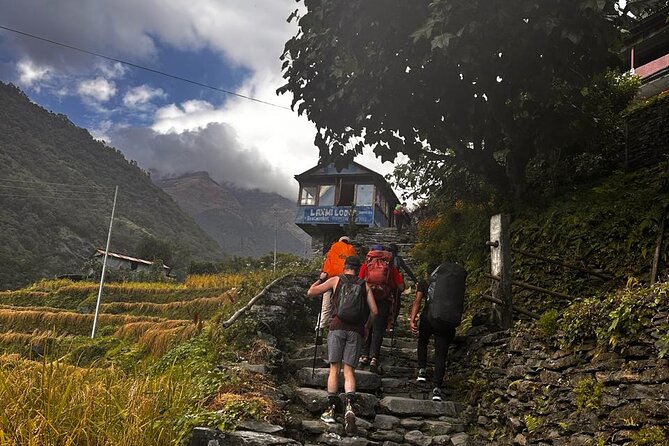
After breakfast, you head toward Ghorepani, with roughly 5 to 6 hours of trekking time. This is where the Annapurna region starts to feel more “classic trek.” You’ll notice the walking style: stone staircases and a mix of forested sections.
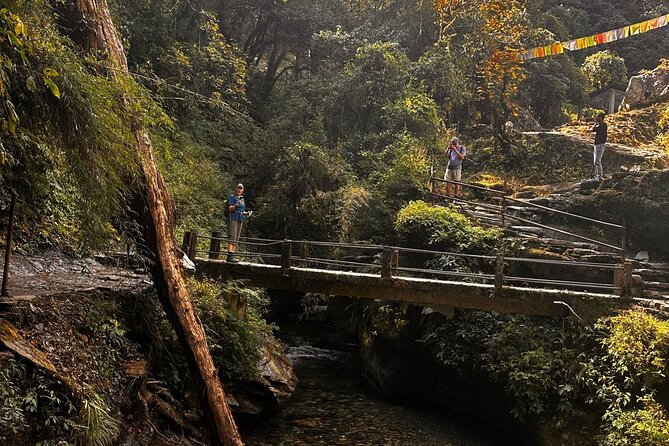
One detail I really like here is the mention of rhododendron forests. Rhododendrons are seasonal, so the look you get depends on the time of year. Still, even when blooms aren’t at peak, forest walking changes the mood compared to open ridgelines. It gives you shaded breaks, a steady footing rhythm, and less glare on your eyes.
Also, stone stair sections build your stamina. They’re not necessarily “hard” in a technical sense, but they can be tiring because you’re lifting your body step after step. I recommend treating stairs like strength training: shorter steps, steady breath, and frequent micro-pauses. You’ll feel better on the final push the next morning.
Ghorepani itself is a strategic stop. You’re setting yourself up for Poon Hill the next day. That means you can focus on one thing tonight: get a good night’s rest, eat what you need for energy, and don’t plan a million side activities. Sunrise day is the main event, and the best plans are the simple ones.
Day 3: Poon Hill pre-dawn hike and the return to Pokhara
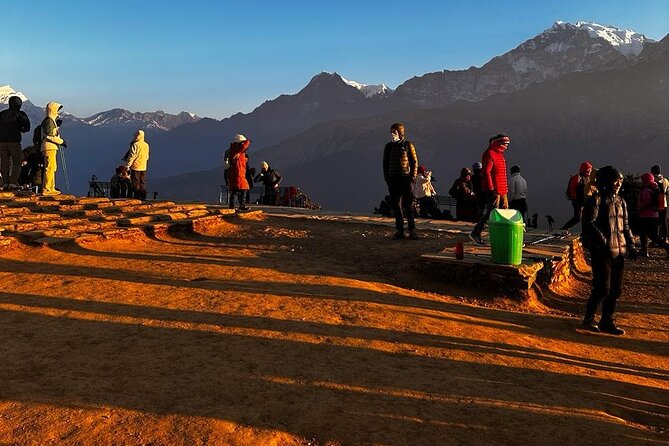
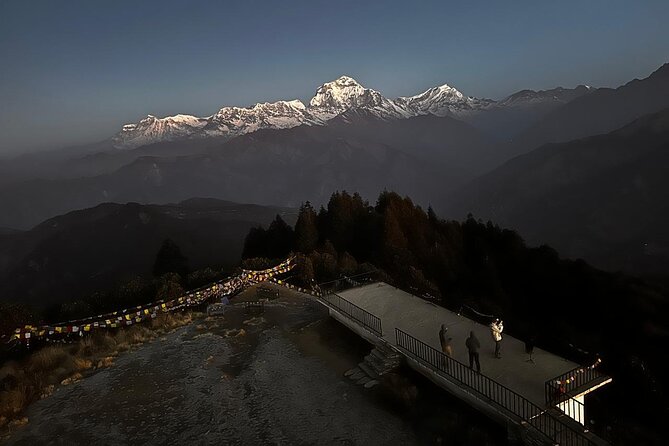
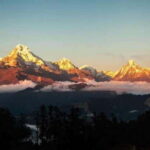
Day 3 starts in the dark. You wake up early (pre-dawn), and the hike to Poon Hill takes about 45 minutes to 1 hour. That timing is part of why this itinerary works: you get the sunrise moment without turning the whole day into one long grind uphill.
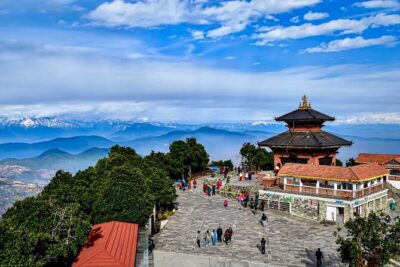
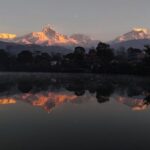
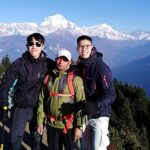
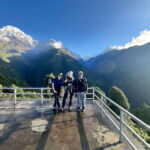
Poon Hill’s altitude of about 3,210 meters helps explain the sunrise magic. At this height, you often get clear views of the Annapurna and Dhaulagiri ranges when skies cooperate. Even if clouds play games sometimes, the morning atmosphere is still usually worth the early start.
A smart way to think about the sunrise hike: it’s less about “speed” and more about getting into position. You want your group comfortable and ready so you’re not rushing. This is also where having a guide matters. A licensed English-speaking guide can help with pacing and making sure you’re aligned on timing.
After you enjoy the morning, you’ll return and trek back toward the day’s logistics. Then comes the payoff for the legs: the drive back to Pokhara from Ulleri by local bus takes about 3 hours. That bus ride feels like a reset button—different from the uphill days, and helpful if you’re ready to swap trail views for café time and warm showers.
You can also read our reviews of more hiking tours in Pokhara
Guides and the small details that change everything
A trek lives or dies on details, especially on short itineraries. The guide isn’t just there for navigation; they also shape how you feel on the trail—calm, focused, and safe.
This trek includes a licensed English-speaking guide, and that’s a big deal if you’re not used to trekking rhythms. Even with simple trails, you benefit from someone who can handle the flow: when to start walking, when to pause, and how to keep you from arriving too early or too late for key moments like sunrise.
One name that comes up in the broader feedback about this region is Bishnu. If your guide is Bishnu, the description is consistent: professional, friendly, and good at making people feel comfortable and safe, with humor that keeps the day light. Even if your guide is someone else, the point stands: look for that mix of competence and people skills.
And yes, the best guides also help with the “small stuff” you’d otherwise worry about. On a short trek, you don’t have room for stress. You want your energy for the mountains, not for figuring out what to do next.
What to pack and how to pace a short Annapurna trek
With only 3 days, it’s tempting to pack light. You can, but you still need to plan for temperature swings. In the morning (especially pre-dawn), it can feel cold. On warmer sections later, your body will want layers you can remove.
Here’s the practical checklist I’d use for this specific style of trek:
- Layers you can adjust during the day. Start warm, then peel off as you climb.
- Sturdy trekking shoes with good grip for stone stair sections.
- A small daypack for your water and snacks during the trekking hours.
- Sun protection (hat/sunglasses/sunscreen), even on forested walking.
- A headlamp for pre-dawn timing (even if you’re not hiking alone, you’ll move in the dark).
Pacing matters most on Day 2 because of the stair rhythm and Day 3 because of the early start. Aim for steady effort rather than pushing. On a private trek, your guide can adapt the pace to your group, and that helps the whole day feel easier.
Who this trek suits best (and who should think twice)
This trek is labeled as something most travelers can participate in, and that makes sense for the structure: short time windows, a guided setup, and teahouse nights. If you’re comfortable walking uphill for several hours per day, you’ll likely be in the right zone.
It’s especially a good fit if you:
- Want Annapurna region views without a longer commitment
- Prefer a private group experience (your pace, your time)
- Like early-morning adventures for sunrise
- Appreciate having permits and meals handled
Who might think twice? If you absolutely hate pre-dawn starts or you’re dealing with injuries that flare with repeated stair climbing, the itinerary could feel like too much intensity in a short span. The walking time on Day 2 (5–6 hours) plus the stairs is the toughest part for many people.
Should you book this Ghorepani Poon Hill Private Trek?
Yes, if your goal is a fast, high-reward Annapurna taste with strong support. For many travelers, the value is in the combined package: permits, licensed guide, teahouse lodging, and the majority of meals—plus real transport planning from Pokhara. You also get the best reason people come here: a sunrise hike to Poon Hill that’s short enough to feel doable.
I’d say book it with confidence if you’re the type who enjoys mountains but still wants structure. You don’t want to spend your first Nepal trek figuring out logistics or scrambling for last-minute arrangements. This is built to keep things smooth.
Skip it only if pre-dawn mornings and stair-heavy walking don’t match how you like to travel. That’s the trade: the sunrise is worth it, but it asks for early hours.
FAQ
What time does the trek start?
The meeting point/start time is listed as 6:00 am.
How long is the trek?
It’s a 3-day experience (about 2 nights / 3 days total).
Where does the trek begin?
You travel from Pokhara to Nayapul, and the trek officially starts from Nayapul.
What trekking permits are included?
The included permits are a TIMs card and an Annapurna Conservation Area Permit.
What kind of lodging is included?
Teahouse accommodation is included during the trek.
Are meals included?
Yes. Breakfast is included 2 times, lunch 3 times, and dinner 2 times.
How do you get back to Pokhara?
You return from Ulleri to Pokhara by local bus, which takes about 3 hours.
Is this a private tour?
Yes. It’s described as private, meaning only your group participates.
Is a mobile ticket used?
Yes, mobile ticket is listed as a feature, and confirmation is received at booking.
Can I get a full refund if I cancel?
You can cancel up to 3 days in advance for a full refund, as long as you cancel at least 3 full days before the experience start time.