REVIEW · POKHARA
Private 7 – Day Annapurna Base Camp Trekking
Book on Viator →Operated by Nepal Alternative Treks & Expeditions Pvt. Ltd. · Bookable on Viator
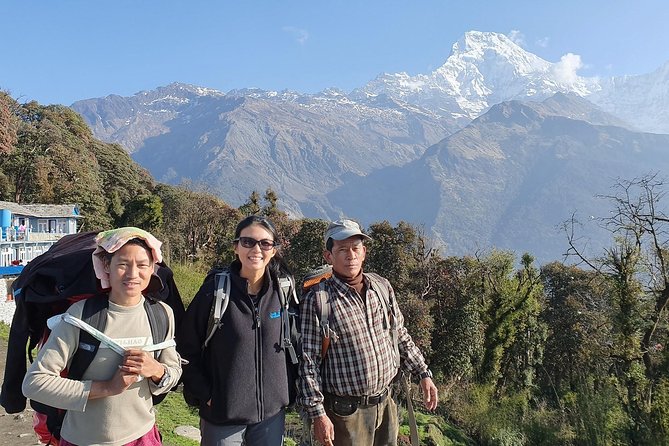
Annapurna Base Camp, minus the hassle. I like that this is truly private for just your group, with a government registered guide and porters, so you’re not sharing your slow moments with strangers. I also love how much is handled for you—meals, lodge stays, ACAP permits, and even water purification and oxygen-saturation checks. The one catch: expect stairs and ups and downs, including a day with about 2,500 stone steps.
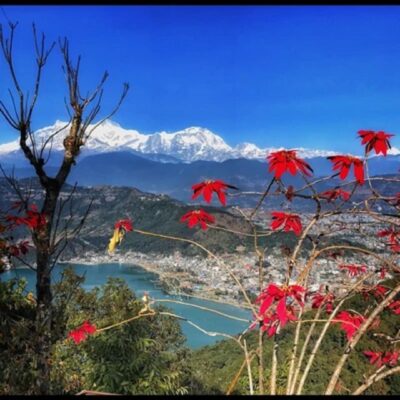
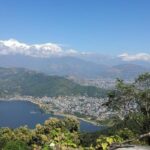
You’ll start in Pokhara with big mountain views right away, then ease into the Annapurna region with a mix of jeep travel and trekking through villages and forests. The route is built for your pace—tea houses, planned stops, and a guide who can adjust when conditions get tricky at altitude. The drawback to keep in mind is simple: this trek rewards effort, and the hiking days are long enough that you’ll want a steady, comfortable rhythm from the first descent.
If you’re the type who wants authentic village life plus snow-capped viewpoints, this one is a strong fit. And if you’ve got questions about difficulty, pace, or what you’d rather do more or less of, the operator’s team has a reputation for adapting on the go—names like Sanjay, Amar, Laxman, and Ram show up in past guide pairings.
In This Review
- Key things to know before you go
- Pokhara start: a smooth handoff from city to trail
- Tea-house trekking with meals, permits, and real support
- The route day by day: from Chhomrong views to Jhinu Danda hot springs
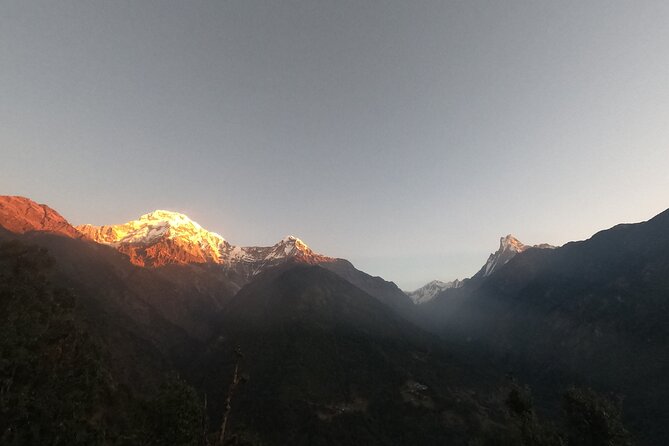
- Day 1: Chhomrong first, with Annapurna I and Machhapuchhre looking on
- Day 2: 2,500 stone steps, bridge crossings, then uphill to Sinuwa and Bamboo
- Day 3: Bamboo to Deurali via Dovan, the weeping wall, and a local shrine
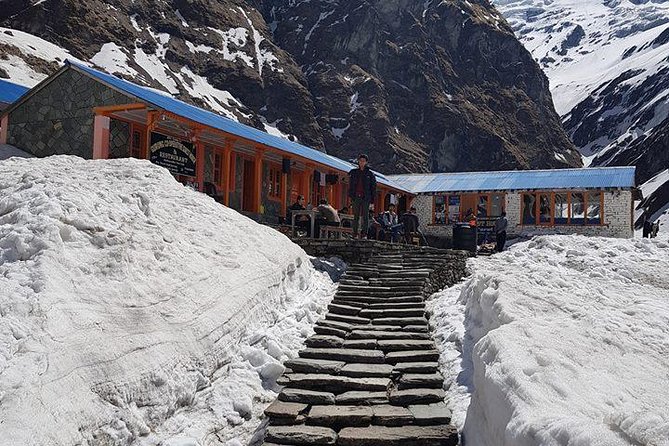
- Day 4: Deurali to Annapurna Base Camp through alpine forests and an icy cave
- Day 5: Annapurna Base Camp exploration with 360-degree views
- Day 6: Down toward Jhinu Danda Hot Springs via bamboo forests and Sinuwa
- Day 7: Back to Pokhara with breakfast views, Samrung, and jeep road time
- What the guide and porter setup actually buys you
- Price and value: $625 for a private 7-day service package
- How hard is it? Stairs, altitude days, and pacing that keeps you steady
- Should you book this private Annapurna Base Camp trek?
- FAQ
- Where does the trek start?
- What time does the trek begin?
- Is this trek private or shared with others?
- What’s included for guide and porter?
- Are meals and accommodations included?
- Do I need travel insurance?
Key things to know before you go
- Private trek for your group: no “shared tour” feeling, and you can move at your own pace with your guide.
- Permits and logistics included: ACAP and necessary permits are handled for you, plus guide/porter fees.
- Tea-house trekking with included meals: breakfast every day of the trek and lunches/dinners most days.
- Practical altitude support: oxygen saturation checks and emergency evacuation assistance are included.
- Stairs are real here: one day features a major step descent (about 2,500 stone steps), so plan on leg work.
- Jeep transfers bookend the trek: a jeep on Day 1 and another on Day 7 help reduce unnecessary road time.
Pokhara start: a smooth handoff from city to trail
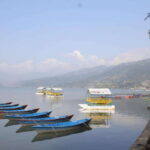
Your trek begins back at the Pokhara Lakeside meeting point (the listing shows Lakeside Rd) with a start time of 8:15 am. Practically, that early start matters: it gives your guide time to sort gear, double-check plans, and get you into the route while the day is still calm.
This is also where you’ll feel the “private” part. Your guide handles the logistics with you, including the overland transport that kicks in on Day 1 and again near the end. You don’t have to figure out which bus, which trailhead, or which office for permits—your checklist is more about packing smart and arriving on time.
One note that affects your budget: hotel accommodation in Pokhara and Kathmandu isn’t included. If you’re arriving the day before, you’ll need to book your own stay.
You can also read our reviews of more private tours in Pokhara
Tea-house trekking with meals, permits, and real support
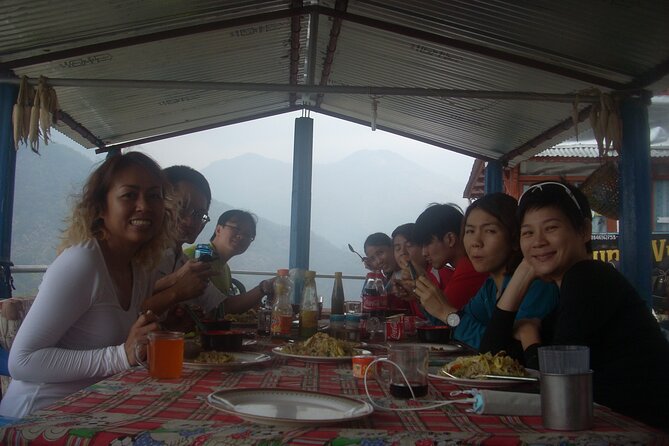
A lot of Annapurna itineraries promise comfort. This one tries to deliver it through structure: lodge accommodation on the trek, and meals built into the daily schedule. You’ll get breakfast every trek day (7 total), plus lunch (6) and dinner (6). That matters more than it sounds. When you’re moving uphill and sleeping at tea houses, fewer decisions at mealtimes keeps you from losing momentum.
Permits are also handled: ACAP and necessary permits are included. For many people, that’s the hidden headache—paperwork and timing. Here, it’s treated like part of the trekking service.
Two extra inclusions are especially useful on a first high-altitude trek:
- Oxygen saturation support is included (so you’re not guessing how your body is responding).
- Water purification is included (and your trip includes water purification as well, plus a water-focused kit).
And yes, you’ll sleep in tea houses. That’s part of the charm, but it’s also what keeps this route realistic without dragging camping gear around.
The route day by day: from Chhomrong views to Jhinu Danda hot springs
Day 1: Chhomrong first, with Annapurna I and Machhapuchhre looking on
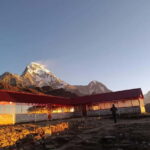
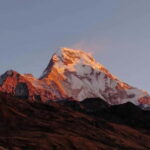
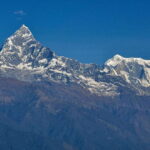
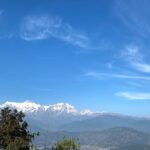
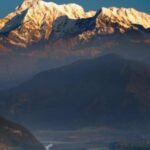
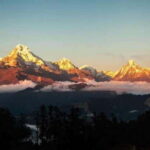
Day 1 starts with breakfast on a terrace with views of Annapurna I (8,091m) and Machhapuchhre (6,997m). Then you pack up and take a jeep for about 2.5 hours. It’s a good opening day: you get the drama of the mountains without immediately turning it into a grind.
Chhomrong is also a smart “early win” because it sets expectations. You’re surrounded by the Annapurna region’s culture and terrain, and you’ll quickly understand why this trek is so popular—mountain views are never far away, even when you’re just walking between villages and tea houses.
Possible consideration: because your Day 1 includes road time, it’s not a “stretch and wander” day. The pacing starts right away, just with a jeep segment to reduce the first fatigue.
Day 2: 2,500 stone steps, bridge crossings, then uphill to Sinuwa and Bamboo
Today begins with a big descent—about 2,500 stone steps—then you cross a bridge above Chhomrong Khola. After that, you climb uphill to Sinuwa, stopping for lunch there, then continue onward to Bamboo for overnight.
This is one of the classic Annapurna rhythm days: lose altitude, then earn it back. If stairs are a worry for you, this is the day to keep your expectations honest and go slow on the stepwork. Your guide’s job here is partly safety and partly pace control.
What you’ll likely like: village scenes tend to be more “lived-in” on days like this, and the route naturally mixes effort with payoff—descent first, then the steady climb through settlements.
You can also read our reviews of more hiking tours in Pokhara
Day 3: Bamboo to Deurali via Dovan, the weeping wall, and a local shrine
After breakfast, you leave Bamboo village and begin climbing toward the Himalaya Hotel area. You’ll pass Dovan, then trek alongside the weeping wall and a local shrine toward Himalaya.
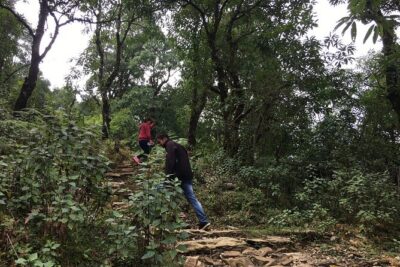
That combination—forest walking, water-rich cliff areas, and a shrine stop—breaks up the monotony. Long climbs can feel repetitive, but these waypoints make the day feel like a story instead of a single vertical line.
You’ll reach Deurali by the end of the trekking day and sleep there. Deurali is a key altitude checkpoint on this style of itinerary, so staying hydrated and pacing carefully are your best tools. (And since oxygen-saturation support is included, you’ll have more than vibes to go on.)
Possible drawback: Day 3 is described as climbing, and these sections can feel relentless if you start too fast.
Day 4: Deurali to Annapurna Base Camp through alpine forests and an icy cave
Leaving Deurali, the trail climbs along the Modi River, passing alpine forests. You’ll also spot a neatly decorated stack of rocks along the way. Then the route heads toward an icy cave and into the Ma… area as you press onward to Annapurna Base Camp.
This is one of those days where the scenery changes in phases: river trail energy, then forest, then alpine. Even if you’re tired, the trail itself keeps you engaged because conditions don’t stay the same for long.
Your guide helps with timing, and the trek is built to keep you moving safely. On a route like this, the “hard part” often isn’t just altitude—it’s fatigue management. Small decisions, like taking short breaks and adjusting pace, can make a huge difference.
Day 5: Annapurna Base Camp exploration with 360-degree views
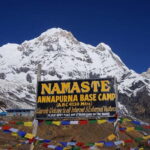
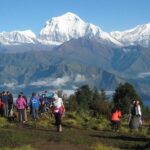
Today is about being at the prize: exploring Annapurna Base Camp. The high-altitude region offers a panoramic 360-degree view of entire mountains. You’ll get major sightlines of the Annapurna massif and surrounding peaks, including a wide scope of the surrounding Himalaya.
This is also the day where “arriving” turns into “watching.” You’re not just walking through. You’re meant to take time to look around, absorb the scale, and enjoy the moment at altitude.
Practical note: base-camp exploration days can feel longer than expected because you’ll likely want to keep stopping for photos and viewpoints. You’ll be glad your meals and lodging are already set.
Day 6: Down toward Jhinu Danda Hot Springs via bamboo forests and Sinuwa
Day 6 is built around the Jhinu Danda Hot spring stop. You start with climbing through lush bamboo forests, then walk along a narrow ridge toward Sinuwa village. After leaving Sinuwa, you begin a downhill return toward the Chhomrong River area, and the day ends at Jhinu Danda.
This is a smart design: after reaching base camp, you don’t just grind more distance. You get a reward that’s practical—warm water. Hot springs are one of the best ways to recover on a trekking circuit, especially when your legs are tired from steps and repeated descents.
Possible consideration: this is still a full trekking day. The hot spring is the goal, not a substitute for good pacing during the walk.
Day 7: Back to Pokhara with breakfast views, Samrung, and jeep road time
Your final morning starts with breakfast again overlooking Annapurna I (8,091m) and Machhapuchhre. Then you do a short walk to Samrung and take a private jeep ride back toward Pokhara. The itinerary mentions driving along the Baglu… portion of the route, and it ends back at the same Pokhara Lakeside meeting point.
Day 7 feels “lighter” because you transition from walking to road travel. It’s also a nice ending because your last mountain breakfast keeps the emotional payoff high before the city routine kicks back in.
What the guide and porter setup actually buys you
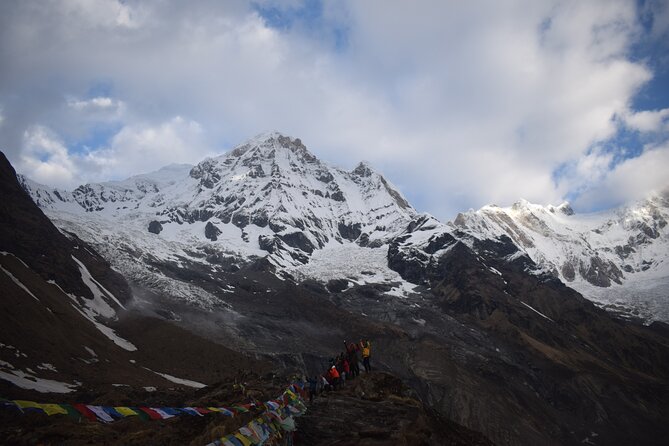
This is where the trek’s value shows. Your guide and porter fees are included, and meals and lodge accommodation are covered along the trek. That means you’re paying for the human infrastructure that makes high-altitude trekking safer and calmer.
In past guide pairings tied to this operator, you can spot names like Sanjay, Amar, Laxman, Kumar, Min, Ram, Andrea, and Ritika. Management support also comes up, including Tej in the responses. The consistent thread is not just friendly service—it’s attention to pace and day-to-day problem solving.
You also get assistance for emergency rescue evacuation and public liability insurance. Emergency evacuation assistance doesn’t mean you’re planning for a disaster. It means the trek’s organizers treat safety as operational, not optional.
You’ll feel the difference most on the in-between moments: when you’re tired, when weather shifts, when you’re adjusting to altitude, or when you want the day’s walk to match your comfort level. The private format helps here because your guide can focus on your group’s needs without compromise.
Price and value: $625 for a private 7-day service package
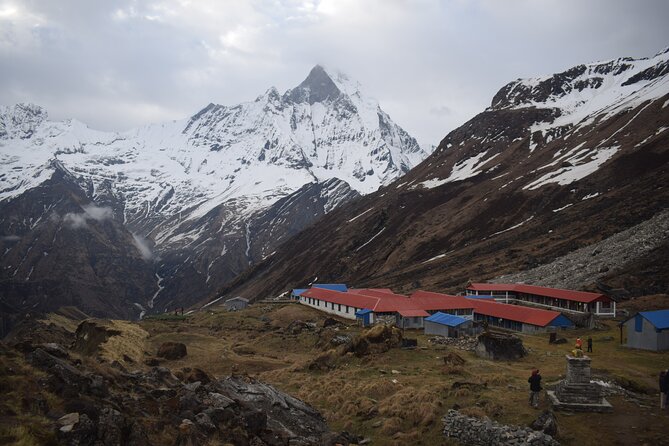
The price is $625 per person for about 7 days. What makes this feel like decent value is that many of the “hidden costs” of trekking are wrapped in:
- Guide and porter fees are included
- Lodge accommodation on the trek is included
- ACAP and necessary permits are included
- Overland transportation is included as described in the itinerary
- Trek support items are included: a trekking map, duffle bag, water purification, and oxygen saturation-related support
- Meals are included for the trek duration (7 breakfasts, 6 lunches, 6 dinners)
What’s not included is also important for your planning:
- Hotel accommodation in Kathmandu and Pokhara
- Travel insurance
- Tips for guide and porter
If you’re comparing trekking options, I’d judge this as more than “just a walking rate.” You’re paying for permits, lodging, meals, and safety/logistics support, and those things add up fast in Nepal.
Weather also plays a role. This experience requires good weather, and if it’s canceled due to poor weather, you’re offered a different date or a full refund (that’s included in the policy details). In other words, you’re not just buying a date on a calendar.
How hard is it? Stairs, altitude days, and pacing that keeps you steady
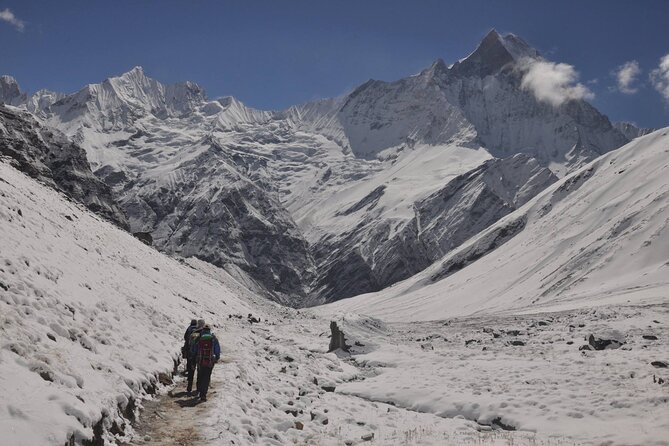
The trek is rated for moderate physical fitness, but the schedule gives you a clear hint about what “moderate” means here: you’ll spend multiple days trekking with sustained uphill sections and at least one major step-heavy segment.
Day 2 is the obvious example with its 2,500 stone steps. Day 6 also involves a mix of ridge walking and downhill terrain. And overall, you’ll do enough up-and-down that your knees and calves should expect work.
At the same time, the route is structured to reduce chaos. You’re sleeping at tea houses, meals are included, and your guide handles the itinerary and logistics. The private format matters because you can keep a pace that doesn’t spike too fast.
My honest take: if you hate stairs or have knee issues, this trek may feel grindy. If you’re okay with taking it slow—short breaks, steady steps, and not sprinting uphill—this becomes very doable, especially with oxygen saturation checks and a guide who keeps an eye on how you’re doing.
Should you book this private Annapurna Base Camp trek?
Book it if you want:
- A private trek where the plan adapts to your group
- Built-in logistics: guide/porter, permits, and meals taken care of
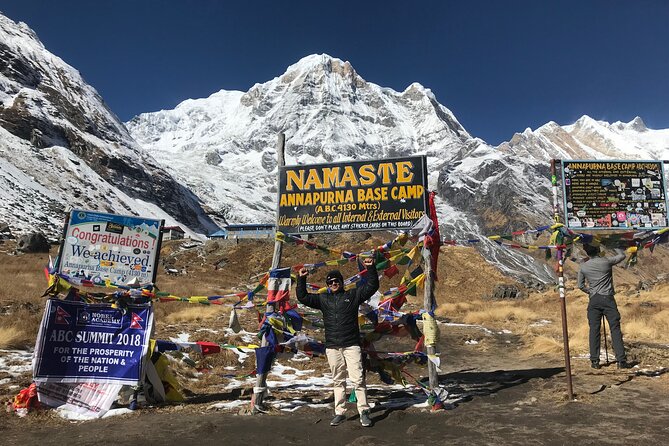
- Annapurna Base Camp with time to actually explore and enjoy the 360-degree mountain views
- A recovery-focused ending with Jhinu Danda hot springs
Skip it or think twice if:
- You’re very sensitive to stair-heavy hiking days
- You don’t want a trek that still demands consistent effort for 7 days
- You’re not planning to get travel insurance (it’s not included)
If you match the fitness level and you’re excited for tea-house trekking plus real mountain views, this is a strong, value-heavy way to reach Annapurna Base Camp without juggling permits, transport details, and day-by-day logistics yourself.
FAQ
Where does the trek start?
It starts at the Pokhara Lakeside meeting point on Lakeside Rd in Pokhara. The trek ends back at the same meeting point.
What time does the trek begin?
The start time is listed as 8:15 am.
Is this trek private or shared with others?
It’s a private trek. Only your group participates.
What’s included for guide and porter?
One government registered trekking guide and porters are included, and their fees and expenses are covered.
Are meals and accommodations included?
Yes. Lodge accommodation is included on the trek, and meals include 7 breakfasts, 6 lunches, and 6 dinners.
Do I need travel insurance?
Yes. Travel insurance is not included, and you’re advised to arrange it before you go.