REVIEW · POKHARA
Pokhara: Pokhara Highlights Tour by Bus
Book on GetYourGuide →Operated by Snow Peak Tours and Travels pvt. ltd. · Bookable on GetYourGuide
One day, big Pokhara sights. This bus highlights tour strings together major landmarks with enough free time to wander, snap photos, and catch views without having to organize transport yourself. I especially like the focus on natural sights like Mahendra and cave systems, and I also like how the stops mix spirituality (temples and the pagoda) with classic Pokhara sightseeing.
The main thing to think about is bus comfort and crowding. The route is busy and the vehicle quality can vary, so if you’re sensitive to cleanliness or packed seating, go in with realistic expectations and a calm attitude.
In This Review
- Key things that make this tour work
- How this 1-day Pokhara route feels in real life
- Value and price: why $12 can make sense here
- Getting started: Lakeside pickup and the “bus day” reality
- Devi’s Falls and Gupteshwor Mahadev Cave: water first, then stone
- Lord Shiva statue and the World Peace Pagoda viewpoint
- Pumdikot Mahadev Temple: spiritual calm near Pokhara
- KI Singh Pul break: why that lunch window matters
- Mahendra Cave and the Bat Cave: when you want the cool factor
- Mahendra Cave
- Bat Cave
- Bindabasini Temple: Durga worship in the center of Pokhara
- Common frustrations to avoid (and how to prepare)
- Who this tour is best for
- Should you book this Pokhara Highlights Tour by Bus?
- FAQ
- What is the duration of the Pokhara Highlights Tour by Bus?
- Where does the tour pickup at?
- What’s included in the price?
- What should I bring for the tour?
- Which languages will the driver speak?
- Can I cancel and get a full refund?
Key things that make this tour work
- Pickup at Lakeside Rd 6 keeps it simple if you’re staying along the main tourist strip
- Davis Falls + Gupteshwor Mahadev Cave gives you a waterfall stop followed by religious cave scenery
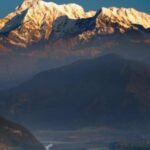
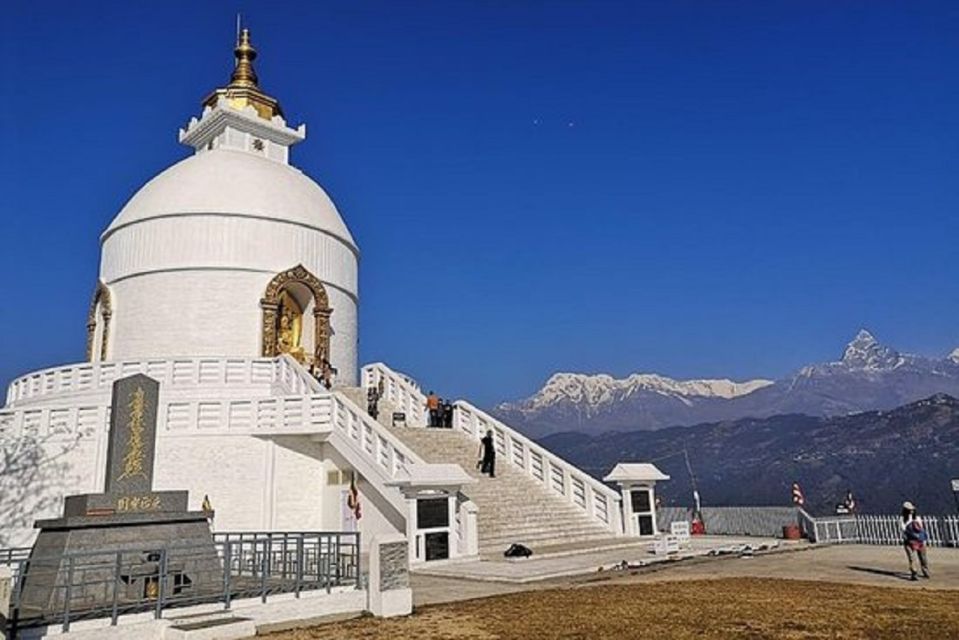
- World Peace Pagoda adds wide, high viewpoints over Pokhara and the Annapurna Mountain Range
- Mahendra Cave and Bat Cave are the “wow” factor if you like underground formations and cool, shaded interiors
- KI Singh Pul lunch break is built in, so you’re not stuck grabbing food between stops
How this 1-day Pokhara route feels in real life
This is a classic “see the highlights without stress” day. You start with pickup and then get shuttled from one main sight to the next, usually with a photo pause and a self-guided visit window at each stop. That structure is useful if you’re short on time, don’t want to hire a private guide and car, or simply want to get your bearings fast around Pokhara.
The tour is also designed for variety. You’ll go from a waterfall area to cave interiors, then to temples and viewpoints. By the end of the day, you’ve covered a lot of the places people use as reference points when planning a longer stay in Pokhara.
The pace is not “sit and soak.” It’s more like: arrive, look around, take photos, and move on. If you prefer slow travel with long, lingering walks, you might find some stops feel quick. On the other hand, for about a day’s worth of time, this does a strong job packing in the essentials.
You can also read our reviews of more tours and experiences in Pokhara.

Value and price: why $12 can make sense here
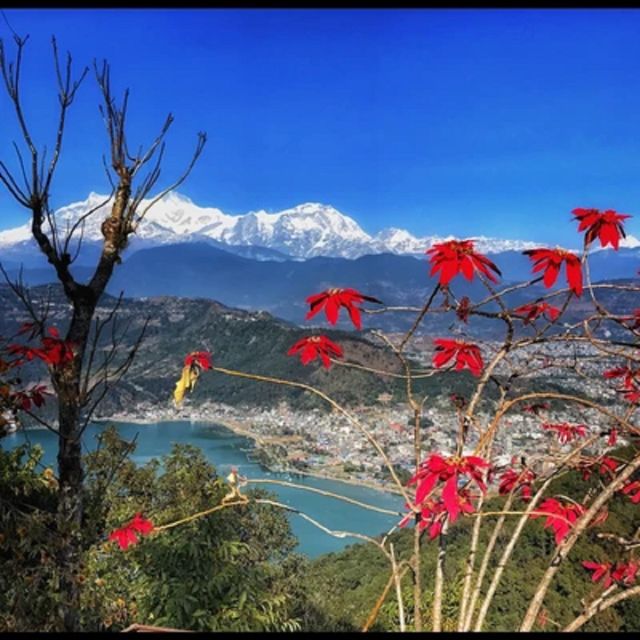
At $12 per person for a full day with pickup and drop-off, the value is in transportation efficiency. You’re not paying separately for multiple rides or tickets bundled into a single day of sightseeing. For many visitors, the biggest barrier in Pokhara is logistics: distances between sights, traffic, and figuring out where buses actually stop.
What you’re buying is access and time-saving, not luxury. The bus ride times between stops add up, but they’re still cheaper than cobbling together multiple private transfers. If your goal is to check off the main names—especially caves, Devi’s Falls (also called Davis Falls), and the World Peace Pagoda—this route can be a cost-smart way to do it.
One more value point: the tour includes multiple religious sites, which means you’re not stuck only on “photo stops.” You get a chance to experience the calmer atmosphere around worship areas and view points, which changes the feel of the day.
Getting started: Lakeside pickup and the “bus day” reality
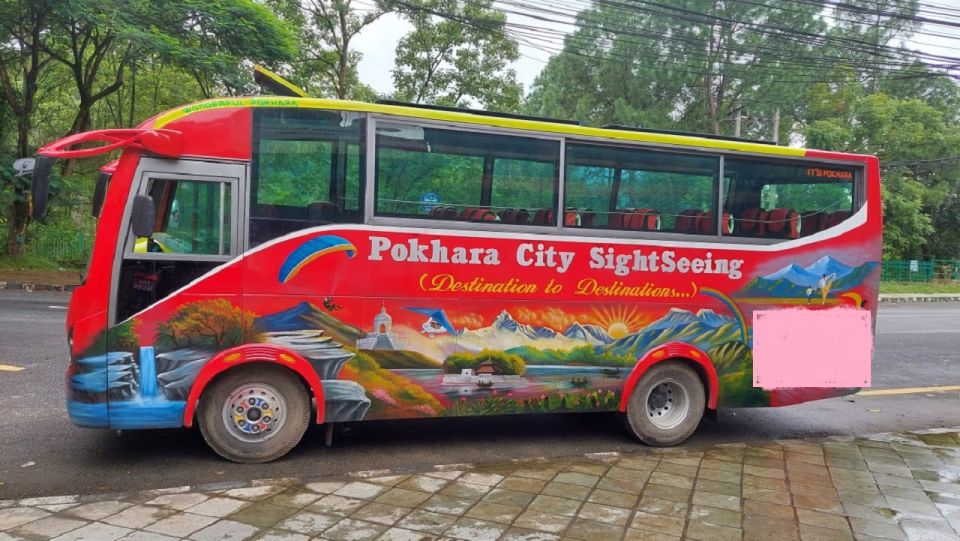
The pickup point is Lakeside Rd 6, which is handy because that’s where many visitors end up staying. You’ll take roundtrip transportation, and the driver is listed as English and Hindi, which helps if you need simple clarifications during the day.
The day runs on bus segments with short drives between stops. That matters because you’ll be spending part of the day seated, watching the route unfold. Also, this kind of sightseeing schedule is very sensitive to timing: if you get distracted and miss the return to the bus, you’ll feel it quickly when the next segment moves on.
Comfort-wise, treat the bus as a means of getting you there, not part of the experience. Some past travelers noted an older, crowded bus, while others mentioned a very good driver and enough time at sights. The safest approach is to pack light, keep your timing tight, and bring patience.
Devi’s Falls and Gupteshwor Mahadev Cave: water first, then stone
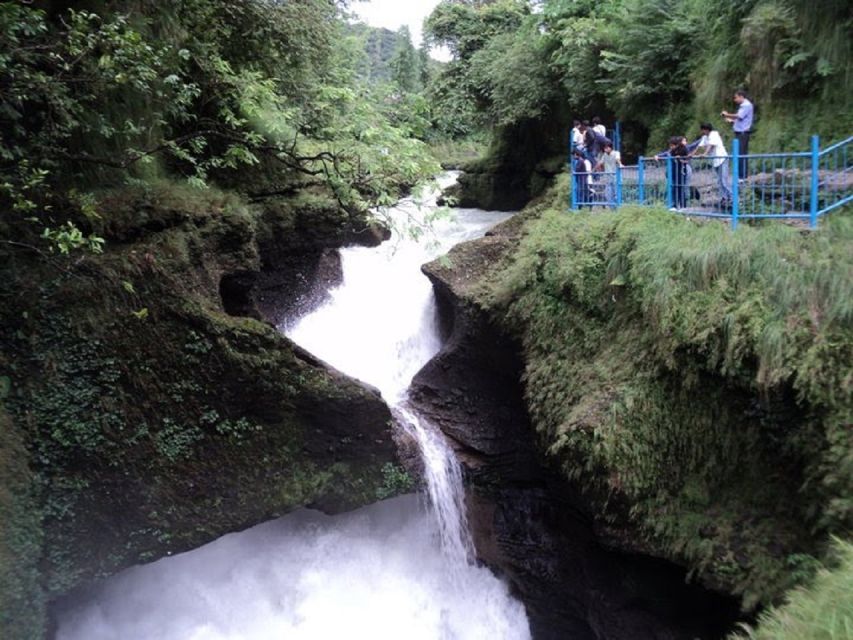
The day kicks off with Davis Falls (Devi’s Falls). It’s a famous spot because the waterfall has a distinctive, unexpected behavior. You’ll have time for a photo stop and self-guided viewing, plus scenic walking access from the nearby area. This is one of those locations where just standing and watching gives you a better sense than reading a description.
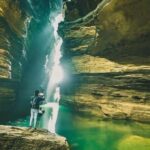
Next comes Gupteshwor Mahadev Cave, located near Devi’s Falls. This stop is different: you’re stepping into an interconnected cave system dedicated to Lord Shiva, and you’ll see natural rock formations along with stalactites and stalagmites. Even if you’re not a cave person, it helps to see how the site blends nature with ongoing religious significance.
Practical tip: caves can feel cooler and darker than you expect, so bring a light layer if you run cold. Also, slow down here. The formations are worth time, and rushing cuts out the best views.
Lord Shiva statue and the World Peace Pagoda viewpoint
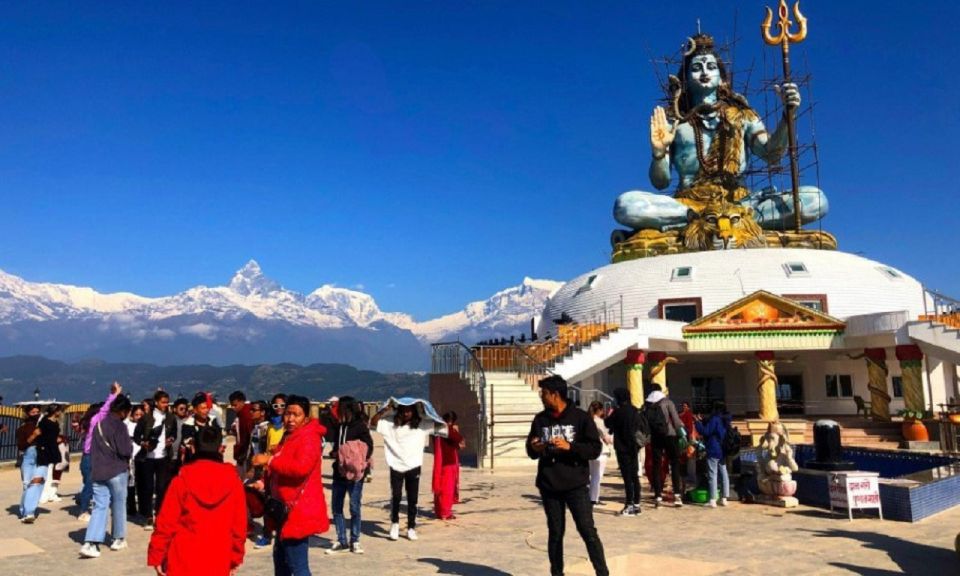
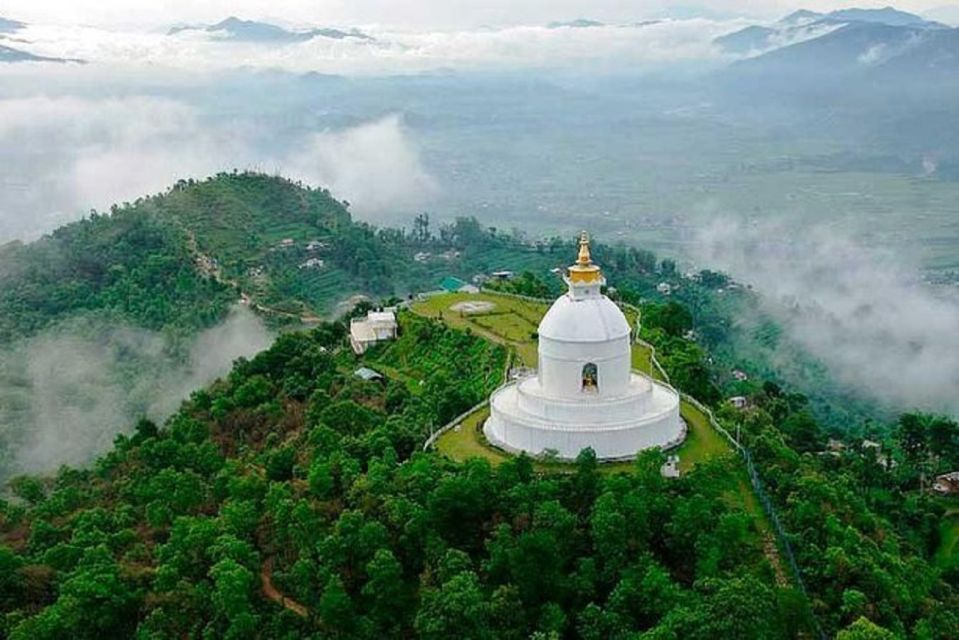
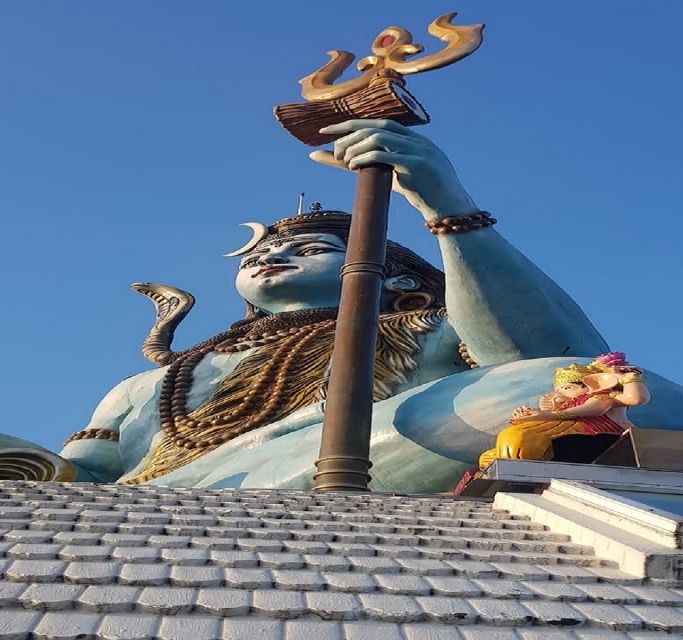
After the caves, you get photo stops at a Statue of Lord Shiva and then a bigger spiritual and scenic highlight: the World Peace Pagoda.
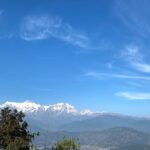
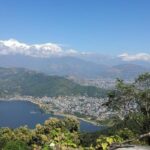
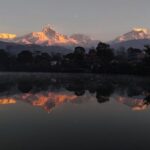
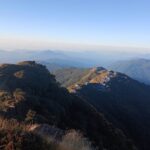
The pagoda is popular for a simple reason: height and views. You’ll be on a hill overlooking Pokhara and the Annapurna Mountain Range, with a tranquil atmosphere that feels different from the busy streets down below. This is where the bus schedule becomes an advantage. You’re rising to a viewpoint without needing to figure out local transport.
You’ll also have a self-guided time window. Use it to do the two things that matter most here: (1) take in the panorama, and (2) spend a little time around the peaceful zones so the pagoda doesn’t just become another checkbox.
If you’re sensitive to crowds, arrive with the mindset that it’s a tour stop. You can still enjoy it by stepping off to side angles and focusing on the view rather than the busiest photo spots.


Pumdikot Mahadev Temple: spiritual calm near Pokhara
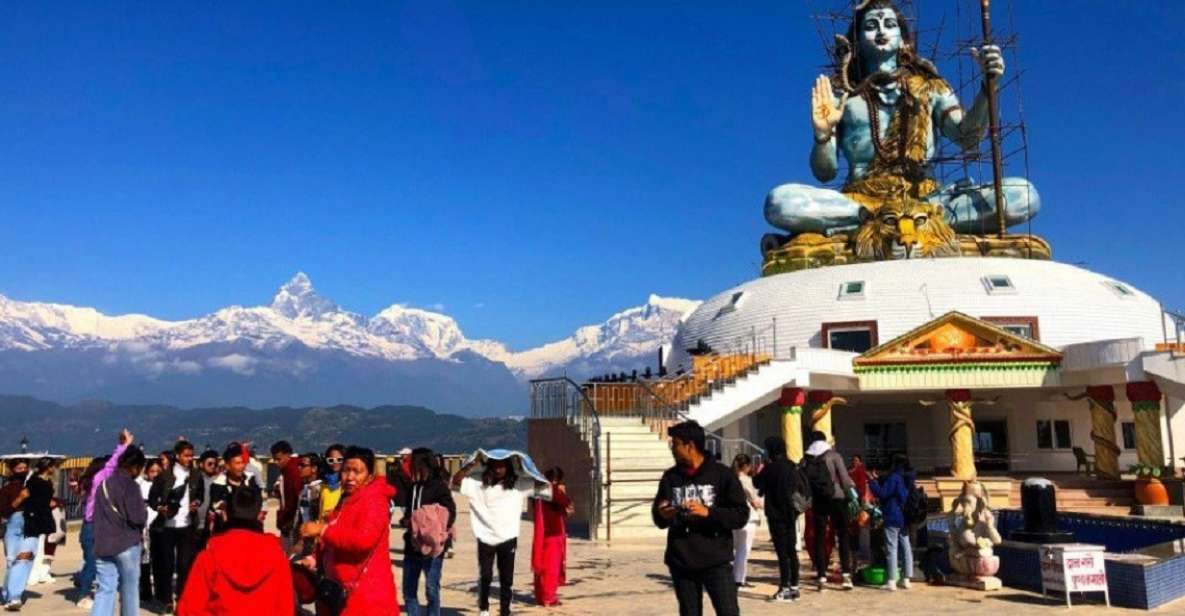
The tour also includes Pumdikot Mahadev Temple, a popular Hindu temple in the village area near Pokhara. This is a different kind of stop than the pagoda. Instead of a large, wide viewpoint experience, you get a more grounded spiritual atmosphere with panoramic views around the temple area.
This is the kind of stop I like when a day gets too “checklist-y.” You’re not just seeing scenery; you’re watching devotees and observing the slower rhythm of temple life. Even if you keep it brief, it gives the day more texture than only waterfalls and caves.
Practical note: temple areas usually involve respectful behavior and simple rules about movement and photography. If you’re unsure, follow what locals do—usually the easiest strategy.
KI Singh Pul break: why that lunch window matters
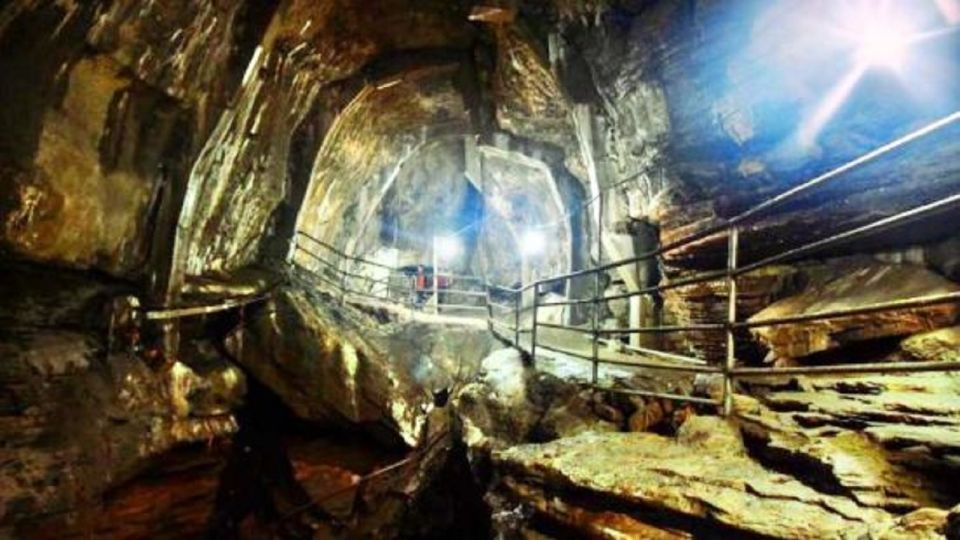
Midday, you get a break time around KI Singh Pul, with lunch allowed for about 45 minutes. This is more than just a food stop. It’s a chance to reset mentally before you return to sightseeing.
Because the day is structured with bus segments, food quality can swing depending on what’s close and open. You’ll get to choose what works for you within the time window. The smart move is to decide quickly once you arrive, so you don’t eat into your next segment.
If you’re carrying water, this is a good moment to refill or buy a bottle if needed. Also, if you’ve been taking lots of photos, this is the easiest place to pause, charge your phone if possible, and check you still have everything you need.
Mahendra Cave and the Bat Cave: when you want the cool factor
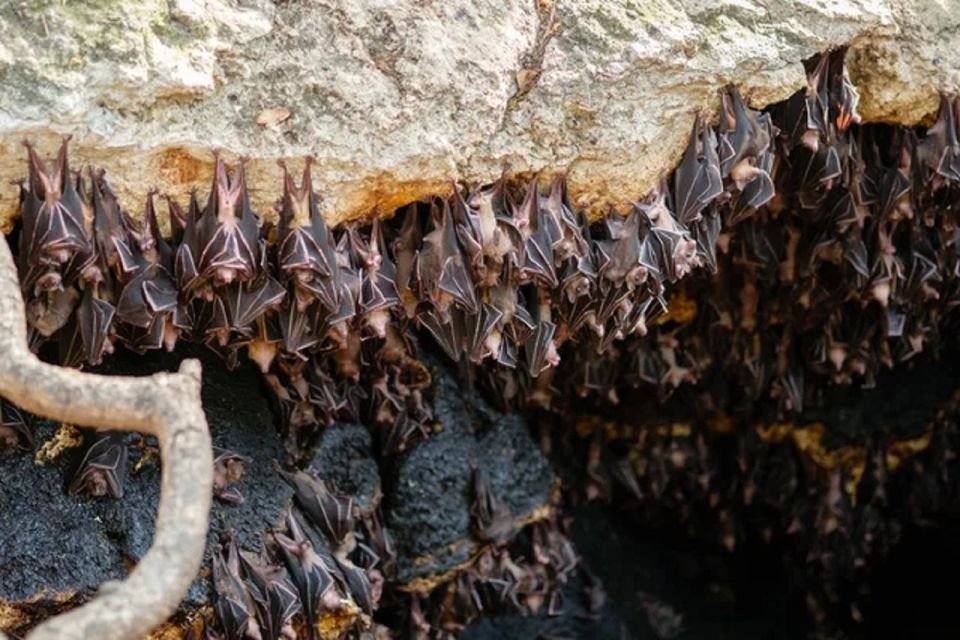
This tour really leans into underground sights with two cave experiences: Mahendra Cave and Bat Cave.
Mahendra Cave
Mahendra Cave is named after the late King Mahendra and is reached from the Batulechaur area via bus to Mahendrapul, followed by a short walk. Inside, you’re looking at limestone formations and underground chambers.
This matters because caves feel different depending on light and your movement speed. Give yourself time to look at the rock shapes and not just what’s immediately in front of you. Even a short visit becomes more satisfying when you slow down for one or two deeper look points.
Bat Cave
Then comes Bat Cave. The key idea here is that bat caves can vary in size, and the attraction is the cool interior and roosting spots. You should know that access might be regulated to protect bats and their habitat. Translation: you may not be able to go everywhere or take the exact path you expect.
This is also the stop that stood out most strongly in feedback from past visitors, especially for the “cool, different, memorable” factor. If you like offbeat nature encounters, this is your moment.
Practical tip: keep your voice down and move carefully. In caves, sudden movement can make it harder for you to see details and can also be stressful for animals.
Bindabasini Temple: Durga worship in the center of Pokhara
The day closes with Bindabasini Temple, dedicated to Goddess Durga and located in the heart of Pokhara. You’ll take a bus to Bagar and then walk a short distance to reach the temple.
This stop is worth it because it connects you to everyday religious life. You’ll see devotees offering prayers, and you can also enjoy panoramic views from the temple premises. That combination makes it more than a “quick photo.” You get a sense of what people come here for beyond tourism.
If your day has been mostly outdoor scenery and caves, this final temple stop brings it back to human scale. It’s also a good place to notice how the city relates to its surroundings from central viewpoints.
Common frustrations to avoid (and how to prepare)
Based on the range of experiences people reported, the biggest pitfalls aren’t the sights. They’re the day mechanics.
Here’s what you should plan for:
- Old or crowded bus risk: if you’re unlucky with seating, the day can feel longer. Pack a small comfort item like a neck pillow or light earplugs.
- Bus cleanliness: some travelers reported a dirty bus. You can’t control it, but you can control what you bring—wet wipes and a small towel go a long way.
- Other passenger behavior: one bad experience mentioned disrespectful travelers. You can’t change them, but you can reduce the stress by staying organized and keeping your own space in mind.
- Time at each stop: even when “enough time” is provided, the total schedule is tight. If you want more time in a single place, pick your priority and be ready to return quickly to the bus.
The flip side is important: many people also praised a good driver, and noted that the tour gets you to the major sites with a fair amount of time and a straightforward pace. So the experience can be smooth, just don’t assume it will feel like private touring.
Who this tour is best for
This tour makes the most sense for you if:
- You’re in Pokhara for a short stay and want a high-coverage day
- You like natural sights (falls and caves) mixed with temples and viewpoints
- You don’t want to plan multiple transport hops by yourself
- You’re okay with guided pacing and self-guided exploration at each stop
It may not be the best fit if you:
- Want extra-long time at each location
- Expect clean, roomy comfort on a bus all day
- Prefer a very flexible route without any schedule pressure
Should you book this Pokhara Highlights Tour by Bus?
If your priority is hitting Pokhara’s headline sights—Devi’s Falls, Gupteshwor Mahadev, Mahendra Cave, Bat Cave, the World Peace Pagoda, and Bindabasini Temple—this is a strong way to do it in one day. The price is low enough that you’re mainly paying for transportation and access, and the variety of stops keeps the day from turning repetitive.
Book it if you can handle a less-than-perfect bus day and you’re motivated by caves, waterfall scenery, and temple-and-viewpoint experiences. Skip it if comfort and quiet, uncrowded sightseeing matter more than coverage.
FAQ
What is the duration of the Pokhara Highlights Tour by Bus?
The tour lasts 1 day.
Where does the tour pickup at?
Pickup is listed at Lakeside Rd 6.
What’s included in the price?
Hotel pickup and drop-off and roundtrip transportation are included.
What should I bring for the tour?
Bring a passport or ID card.
Which languages will the driver speak?
The driver is listed as English and Hindi.
Can I cancel and get a full refund?
Yes. Free cancellation is available up to 24 hours in advance for a full refund.