Five UNESCO stops in a single Kathmandu day. The mix is what makes it work: I like how Swayambhunath sets the spiritual tone high above the city, and I like that Patan Durbar Square turns Newari temple architecture into something you can actually understand (not just snap photos and move on). The only real drawback is the pace—this is a “big hits” day, so you’ll want to treat visits as focused glimpses rather than long, slow wandering.
You roll out at 9:15 am with private transportation, and you’ll move between neighborhoods without wrestling traffic on your own. The value is strong for the cost, but you should plan on paying separate monument entrance fees and skipping lunch (both are not included).
In This Review
- Key highlights you’ll feel the moment you arrive
- What $40 gets you in Kathmandu Valley terms
- The route: Monkey Temple hilltops to temple squares
- Swayambhu Mahachaitya (Monkey Temple): where the city feels spread out
- Patan Durbar Square: Newari temple density you can actually read
- Bouddhanath Stupa: the slow rhythm of prayer
- Pashupatinath Temple complex: Hindu pilgrimage on the Bagmati River
- Kathmandu Durbar Square and Kumari Temple: the square comes alive
- Timing, walking, and how to plan your own day around it
- Price vs. value: when this tour makes sense
- Guides and the small extras that make the day feel personal
- What to watch for at religious sites (so your day goes smoothly)
- Who should book this tour
- Should you book this Kathmandu Valley UNESCO tour?
- FAQ
- Which UNESCO World Heritage Sites are included?
- How long is the tour?
- What time does the tour start?
- Is pickup available?
- Is the tour private or shared?
- Are entrance fees included?
- Is lunch included?
- Does the tour use a mobile ticket?
- Do I need good weather?
- What is the cancellation policy?
Key highlights you’ll feel the moment you arrive
- Monkey Temple viewpoints at Swayambhunath with a blend of Hindu and Buddhist sacred spaces
- Patan Durbar Square’s dense Newari temple architecture, including a museum inside the square
- Bouddhanath’s giant stupa and that unmistakable slow, prayer-ring atmosphere
- Pashupatinath on the Bagmati River, the major Hindu pilgrimage site in Nepal
- Kathmandu Durbar Square plus Kumari Temple, bringing temple-square life into the mix
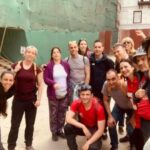
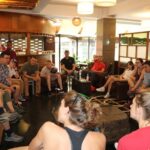
- Small group size (max 15) with an experienced guide and private transport
What $40 gets you in Kathmandu Valley terms
For $40, the biggest value is not the sightseeing itself—it’s the structure. You’re paying for a guide who can explain what you’re looking at while your transport handles the jumpy logistics between sites.
This matters in Kathmandu. UNESCO sites are spread across different corners of the valley, and going solo often means figuring out routes, timing, and where you can realistically fit everything. Here, you get private transportation and an experienced tour guide, so you spend more time observing and less time planning.
Just don’t confuse low price with “everything included.” Entrance fees for monuments are worth $30 USD and are not included, and lunch isn’t included. The tour is still a good deal because you’re buying time, local context, and a smooth day plan—not just rides.
You can also read our reviews of more historical tours in Kathmandu
The route: Monkey Temple hilltops to temple squares
Your day centers on five UNESCO Kathmandu Valley landmarks. In practice, the order may shift slightly depending on timing and what’s happening at each site, but the sweep stays the same: start with the stupa on the hill, then hit Patan’s palace-square temples, move to Bouddhanath, continue to Pashupatinath by the river, and finish in Kathmandu’s Durbar Square area (with Kumari Temple).
Expect a mix of:
- short guided stops (often around 30 minutes at the major squares and stupas listed)
- walking temple steps and moving through active religious spaces
- car rides between neighborhoods to save your feet for the viewpoints and squares
It’s a lot for one day, so the smart move is to pick a few moments to linger and let the rest be quick, meaningful looks.
Swayambhu Mahachaitya (Monkey Temple): where the city feels spread out
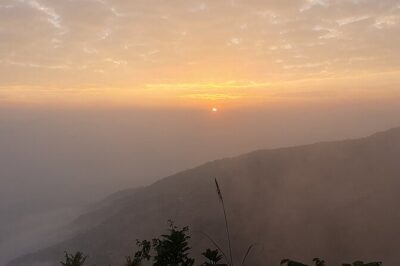
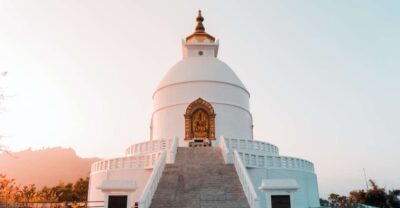
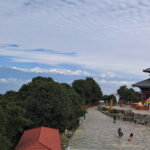
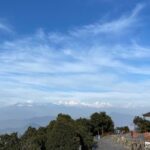
Swayambhu Mahachaitya—often called Monkey Temple—starts the day on high ground. I love this stop because it gives you immediate orientation. From the hilltop setting, Kathmandu Valley feels like a connected set of sacred zones, not isolated destinations.
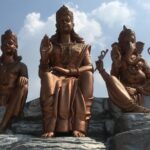
You’re not just looking at one monument. This is a holy place where Hindu and Buddhist traditions sit side by side, and the experience can feel layered rather than one-note. The legend you’ll hear also adds context: the site is described as having arisen spontaneously when the valley was created out of a primordial lake more than 2,000 years ago.
Practical tip: keep an eye on where you step. With temple traffic and the well-known monkey presence in the area, it’s an easy place to get distracted while you’re trying to photograph.
Patan Durbar Square: Newari temple density you can actually read
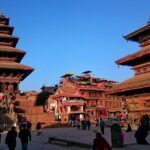
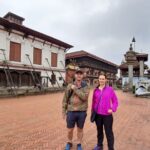
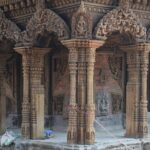
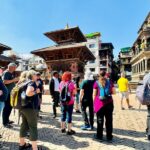
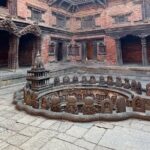
Patan Durbar Square is the kind of place where your brain needs help. Without context, it’s easy to see “lots of temples.” With a good guide, you start noticing the patterns—how the Newari architectural style clusters sacred forms into a concentrated palace-square scene.
The square is described as the royal palace of Patan, and what makes it special is the density: a visually stunning mass of temples in one area. There’s also a museum inside the Durbar Square, and that’s a smart add-on because it helps connect stone details to the bigger story of the city.
Food note (optional, not guaranteed): some guides have been known to steer people toward local bites during the day. One common example is stopping for momo around Patan and grabbing a quick taste before moving on.
If you like architecture, this is the stop that often feels most rewarding per minute.
Bouddhanath Stupa: the slow rhythm of prayer
Bouddhanath Stupa is a giant dome dominating the scene, and the atmosphere is different from Durbar Squares. Here, the sacred focus is on the stupa itself and the way people move around it.
The description you’ll hear frames it as one of the oldest monuments of Gautam Buddha, with references to construction around the 14th century. Whether you take the historical timeline literally or as tradition, the effect is the same: you’re standing at a major node of Buddhist devotion.
On-site, look for:
- the scale of the dome
- the Buddhist pyramid at the top of the dome (the shape is a key visual)
- people circling and pausing in a steady rhythm
This stop tends to be where you slow down naturally. Even if the day is packed, the stupa setting gives you a short reset.
You can also read our reviews of more tours and experiences in Kathmandu
Pashupatinath Temple complex: Hindu pilgrimage on the Bagmati River
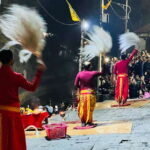
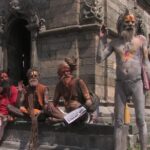
Pashupatinath Temple is Nepal’s major Hindu pilgrimage site, and it’s tied to the Bagmati River. It’s also the temple complex of Nepal’s national deity—so this isn’t just “a temple you pass by.” It’s a living religious center.
What I like about Pashupatinath is that it grounds the day in real worship, not only sightseeing. You’ll be surrounded by the scale and intensity of daily devotion and pilgrimage life.
Just plan for a more intense environment than at the other sites:
- more people moving around
- more rituals in view
- a stronger sense of ceremony
If you’re sensitive to crowds or close-up religious activity, keep your expectations flexible and focus on respectful viewing rather than trying to capture everything on camera.
Kathmandu Durbar Square and Kumari Temple: the square comes alive
Your final major stop is Kathmandu Durbar Square, where temple life isn’t separated from the city. The square visit is often paired with Kumari Temple, which adds a unique Kathmandu-only element to the day.
Durbar Squares are special because they’re not museum-style places. They’re working, meaningful environments, and you’ll notice the difference from the more open stupa settings. The square is where you see Kathmandu’s heritage living in the everyday flow of the neighborhood.
If you like city texture, this is a strong ending point. You’ll finish the tour with images that feel distinctly Kathmandu, not only Nepal-in-general.
Timing, walking, and how to plan your own day around it
The tour runs about 4 to 6 hours, starting at 9:15 am. That’s long enough to feel like you made progress, but short enough that you won’t burn the whole day.
Still, it’s a smart idea to plan the rest of your travel day like a local:
- Wear comfortable shoes. Temple steps and uneven ground are part of the deal in all these neighborhoods.
- Bring a light layer. Hills and open squares can feel different from street level.
- Carry water. Lunch isn’t included, and you’ll still be active.
If you can, schedule your more relaxed activities for later in the day. This tour is a “see it, understand it, move on” format. You’ll want downtime after.
Price vs. value: when this tour makes sense
At $40, this tour can be excellent value if you want:
- a fast, guided route through the big UNESCO hits in Kathmandu Valley
- private transport to save your time and energy
- a guide who can explain what you’re seeing at each site
It’s also a good fit if you don’t want to negotiate your own day plan, especially if it’s your first time in Kathmandu.
Where you might question value: if you already know the sites well and just want a do-it-yourself photo circuit, you could spend less on transport and guide time. But you’d be trading away the explanations and the time savings from private logistics.
Guides and the small extras that make the day feel personal
One of the best parts of this kind of tour is how much difference a guide makes. Names that show up include Mr. Ram, Shiva, Mr. Ramesh, Ajit, and Mr. Ganesh—and multiple comments highlight how guides explained details clearly and helped the day run smoothly.
You may also get small local-food suggestions. For example, some guides have steered people toward local favorites like momo, and there’s mention of lassi near Indra Chowk plus a stop connected to local street food around the Basantapur area. You can treat these as optional add-ons that depend on your guide and timing, not as guaranteed stops.
What to watch for at religious sites (so your day goes smoothly)
Because you’re visiting Hindu and Buddhist sacred places back to back, it pays to dress and behave with respect. While the tour info doesn’t spell out a dress code, you’ll feel the atmosphere shift at every stop, especially at Pashupatinath.
A few practical moves:
- Dress modestly (cover shoulders and avoid very short shorts).
- Keep your phone use respectful. If a ritual is underway, pause and let it play out.
- Move carefully around crowds. Don’t rush through tight areas where people are practicing devotion.
Also remember the key cost detail: monument entrance fees are not included, and budgeting that around the tour will prevent last-minute stress.
Who should book this tour
This full-day Kathmandu Valley UNESCO tour is a strong choice if you:
- want a structured way to see five UNESCO World Heritage Sites in one day
- prefer having an experienced guide instead of piecing sites together
- are okay with a packed schedule and short, focused visits
It’s less ideal if you:
- hate crowds or close-quarters religious environments
- want long stays at each monument with minimal moving around
- can only do slow walking with lots of breaks
Should you book this Kathmandu Valley UNESCO tour?
Yes, if you want the highest concentration of Kathmandu Valley UNESCO sites in a single day—and you value guide help that turns each stop into something you understand. The price is competitive for private transport, and the route covers the spiritual range of the valley: stupas, palace squares, and major pilgrimage.
Before you book, do two simple checks:
- Budget for the ~$30 USD entrance fees plus your own lunch.
- Keep expectations realistic: this is a 4–6 hour sampler, not a slow sightseeing retreat.
If you can handle a busy day with respectful attention, this is exactly the kind of tour that makes your Kathmandu time feel efficiently meaningful.
FAQ
Which UNESCO World Heritage Sites are included?
The tour includes Swyambhunath (Monkey Temple), Bouddhanath Stupa, Pashupatinath Temple, Basantapur Durbar Square (Kathmandu Durbar Square area), and Patan Durbar Square.
How long is the tour?
It runs about 4 to 6 hours.
What time does the tour start?
Start time is 9:15 am.
Is pickup available?
Pickup is offered.
Is the tour private or shared?
It’s described as having private transportation, and it’s a small group with a maximum of 15 travelers.
Are entrance fees included?
No. Monument entrance fees worth $30 USD are not included.
Is lunch included?
No, lunch is not included.
Does the tour use a mobile ticket?
Yes, there is a mobile ticket.
Do I need good weather?
Yes. The experience requires good weather. If it’s canceled due to poor weather, you’ll be offered a different date or a full refund.
What is the cancellation policy?
The experience is non-refundable and cannot be changed for any reason. If you cancel or ask for an amendment, the amount you paid will not be refunded.