REVIEW · KATHMANDU
Annapurna Base Camp Trekking
Book on Viator →Operated by himalayan sanctuary adventure private limited · Bookable on Viator
One word: altitude. Another: scenery. This private Annapurna Base Camp trek ties Kathmandu UNESCO sights to mountain walking with a private guide handling the heavy logistics.
I like the way the schedule mixes big moments with real breathing space: sunrise at Poon Hill, a stop in traditional villages, then the steady push to Annapurna Base Camp. I also like that accommodation and most meals are handled from start to finish, so you spend your energy on the trail instead of planning teahouse math. The one drawback to keep in mind: you do need a moderate fitness level, and several days involve steep sections and serious descents—your knees will remember them.
In This Review
- Key Things You’ll Notice on This Annapurna Base Camp Trek
- Kathmandu to Annapurna: The Real Value of This Route
- Day 1 Arrival in Kathmandu: Airport Pickup and a Soft Landing
- Day 2 Kathmandu Valley Stops: Pasupatinath, Boudhanath, Patan Durbar Square, Swayambhunath
- Day 3 to Pokhara: The Coach Transfer That Sets Your Pace
- Day 4 Trek to Ulleri: Nayapul, Modi Khola, and the First Valley Walk
- Day 5 Ulleri to Ghorepani: Forest Walking and the Altitude Climb
- Day 6 Ghorepani to Tadapani via Poon Hill Sunrise: Your First Major View Hit
- Day 7 Tadapani to Chhomrong: Rhododendron Down, Terraces Up
- Day 8 Chhomrong to Dovan: Bamboo Forest Cold and Valley Views
- Day 9 Dovan to Deurali: Steady Climb Along a Rocky Cliff
- Day 10 Deurali to Annapurna Base Camp, Then Down to Bamboo
- Day 11 Bamboo Back Toward Chhomrong: Steps, Descents, and a Familiar Route
- Day 12 Jhinu Danda Hot Spring: Warm Water After Cold Air
- Day 13 Trek Finish and Drive to Pokhara: Nayapul to Easy Roads
- Day 14 Return to Kathmandu: Bus Back After Breakfast
- Price and Logistics: Does $899 Really Make Sense Here?
- What Moderate Fitness Means on This Trek (and How to Prepare)
- Private Guide Care and Porter Support: Why It Feels Easier Than It Looks
- Should You Book This Annapurna Base Camp Trek?
- FAQ
- What is the meeting/start time for the trek?
- Are airport pickups included?
- What’s included during the trek itself?
- What permits are included?
- Do I get a porter?
- Are hot water and cold drinks included?
- Is tips for the guide and porter included?
Key Things You’ll Notice on This Annapurna Base Camp Trek
- Private guide for your group: you get undivided attention and flexibility if your pace or weather changes.
- Meals included on the trek: teahouse breakfast, lunch, and dinner so you’re not hunting for food each day.
- Porter support (2 trekkers : 1 porter): luggage gets carried by trained help, not your sore shoulders.
- Kathmandu UNESCO combo on Day 2: Pasupatinath, Boudhanath, Patan Durbar Square, and Swayambhunath.
- Poon Hill sunrise: the early hike is hard, but the payoff is built into the itinerary.
- Permits handled: ACAP and TIMS paper work included, along with local taxes.
Kathmandu to Annapurna: The Real Value of This Route
If you want the Himalayas without feeling like a project manager, this itinerary makes sense. You start with Kathmandu sightseeing and trek preparation, then shift into a classic Annapurna Base Camp rhythm—sleeping in teahouses, following established village routes, and gaining elevation in chunks.
What you’re paying for isn’t just the trek. It’s the scaffolding around the trek: airport pickup, hotel stays in Kathmandu and Pokhara (3-star category), coach transfers, permits, and guide/porter logistics. For many people, that’s the difference between enjoying the mountains and constantly worrying about the next step.
You can also read our reviews of more hiking tours in Kathmandu
Day 1 Arrival in Kathmandu: Airport Pickup and a Soft Landing
On arrival day, you get picked up from Tribhuvan International Airport and transferred to your hotel in Kathmandu. That matters more than you think, especially if you’re landing tired or jet-lagged.
You’ll overnight in Kathmandu, so you’re not trying to jump straight into walking the moment you arrive. It’s a small thing, but it helps you get your bearings fast and handle Day 2 sightseeing comfortably.
Day 2 Kathmandu Valley Stops: Pasupatinath, Boudhanath, Patan Durbar Square, Swayambhunath
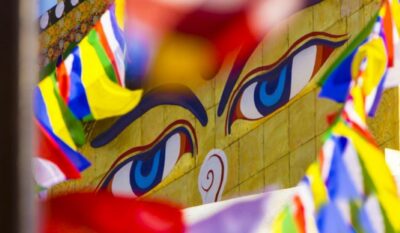
Day 2 is a full sightseeing day across major World Heritage sites: Pashupatinath Hindu Temple, Boudhanath Stupa, Patan Durbar Square, and Swayambhunath (Monkey Temple). This is Nepal’s spiritual and historic center in four different flavors—Hindu temple rituals, Tibetan Buddhist stupa culture, royal-era squares, and hilltop views.
Practically, this is also your trek prep day. You’ll be out and about, but you’ll also have your guide and team smoothing the transition into hiking mode. Keep in mind: entrance fees for sightseeing are not included, so budget for tickets separately.
Day 3 to Pokhara: The Coach Transfer That Sets Your Pace
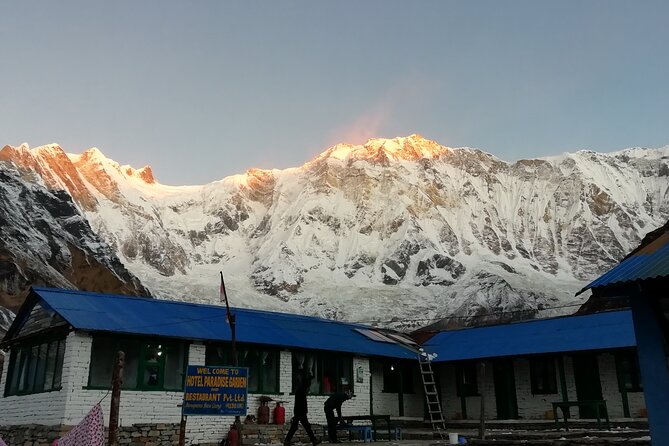
On Day 3, your trekking staff picks you up around 6:30 am and escorts you to the tourist bus station. The bus to Pokhara leaves around 7:30 am (or about 7:00 am per the schedule details).
This is a long day on paper, but it’s efficient. You spend the morning traveling and arrive in Pokhara ready for real mountain time. Pokhara also gives you that helpful mental shift: it feels calmer than Kathmandu and sits as the launchpad for the Annapurna region.
Day 4 Trek to Ulleri: Nayapul, Modi Khola, and the First Valley Walk
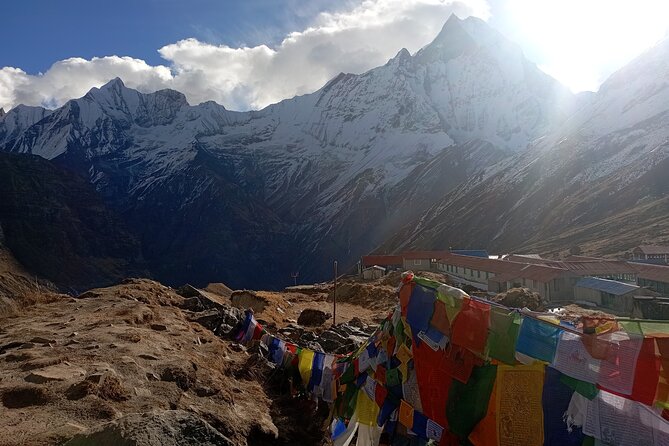
You begin your trek at Nayapul after the drive from Pokhara. There’s about a 15-minute walk along the Modi Khola to Birethanti (1,015 m), a village with shops and teahouses—useful if you want to grab small trek supplies or just settle in.
From Birethanti, you continue along the valley, climb toward Hille (1,495 m), then reach Tikhedhunga at around 1,570 m. This day is your warm-up. It’s short enough to get your legs working, but long enough to teach you how your body handles the rhythm of the trail.
A small consideration: because the day builds toward higher altitudes, even early fatigue can sneak in. Start steady and don’t try to win the day.
Day 5 Ulleri to Ghorepani: Forest Walking and the Altitude Climb
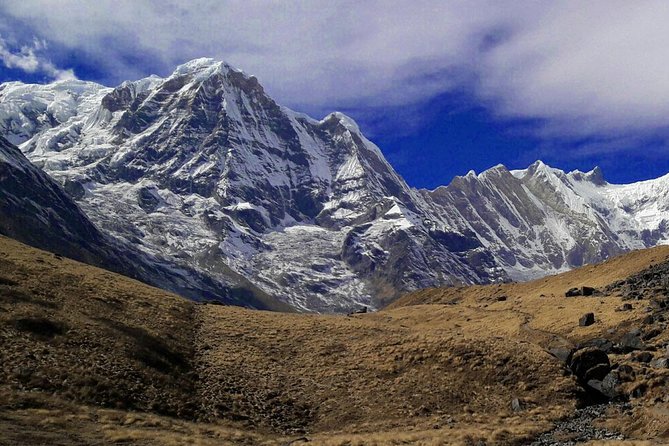
Day 5 climbs toward Ghorepani (around 2,840 m). You move through Ulleri and then trek across oak and rhododendron forests, which is a classic Annapurna feel—green in season, cool when the shade kicks in.
The schedule lists Banthanti and Nangethanti along the way, with a total trek time roughly in the 4–5 hour range. This is a good day if you like consistent climbing without the constant pressure of a huge summit day.
Day 6 Ghorepani to Tadapani via Poon Hill Sunrise: Your First Major View Hit
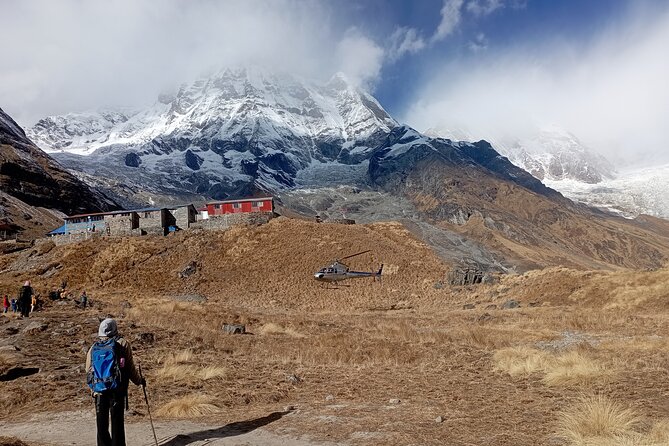
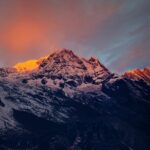
This is one of the most memorable parts of the whole trek. You wake up early to hike to Poon Hill (3,210 m) so you can catch sunrise over the Himalayas. Poon Hill is known for close-up views of the Annapurna and Dhaulagiri ranges, and the itinerary also notes broader sightlines toward Mustang and more than 20 high peaks.
After breakfast back in Ghorepani, you trek toward Tadapani (around 2,700 m) through ridges and rhododendron forests, then descend to waterfalls before reaching your night base. Expect it to feel like two mini-tours in one day: sunrise stamina, then a longer afternoon walk.
The trade-off is early mornings. If you hate alarms, this is where you’ll learn to negotiate with them.
Day 7 Tadapani to Chhomrong: Rhododendron Down, Terraces Up
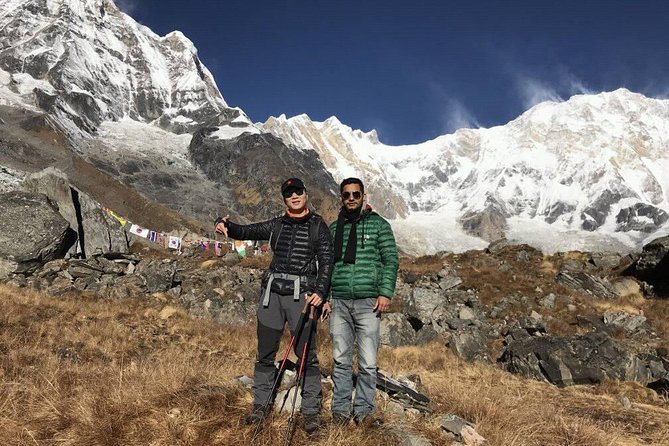
Today starts with descent through rhododendron forests, then opens into terraced fields and village trails. You’ll pass suspension bridges, which are common in this region and make the valley crossings feel more dramatic than the effort they require.
You finish in Chhomrong (around 2,170 m), a village positioned below the giant Annapurna massif. That location is part of why people love this leg: it helps the mountain start feeling real rather than theoretical.
Day 8 Chhomrong to Dovan: Bamboo Forest Cold and Valley Views
Day 8 leans into variety. You start by moving through a damp, cold bamboo forest and then continue uphill on a sometimes steep trail. The schedule notes that the forest opens up after reaching Himalaya Hotel, which likely means you get sunlight and wider views after the darker section.
As you continue, vegetation becomes more sparse, and you get those more open looks across the valley. The route also mentions Hinku Cave and crossing through a mix of river-adjacent walking and climbs toward Dovan, including views that can reach toward Dhaulagiri.
This is a good day to practice pacing. The trail changes feel often enough that you stay alert, not bored.
Day 9 Dovan to Deurali: Steady Climb Along a Rocky Cliff
Day 9 is another climb-focused day. You follow the valley trail on a steady ascent, and the description notes that the route sticks to a rocky cliff and can be steep.
The schedule also references Machhapuchhre Base Camp along the way before you reach Deurali. Even if your body doesn’t love every meter gained, the payoff is that this day helps set you up for the Base Camp effort by building your altitude tolerance gradually.
Day 10 Deurali to Annapurna Base Camp, Then Down to Bamboo
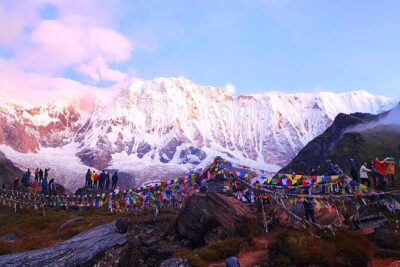
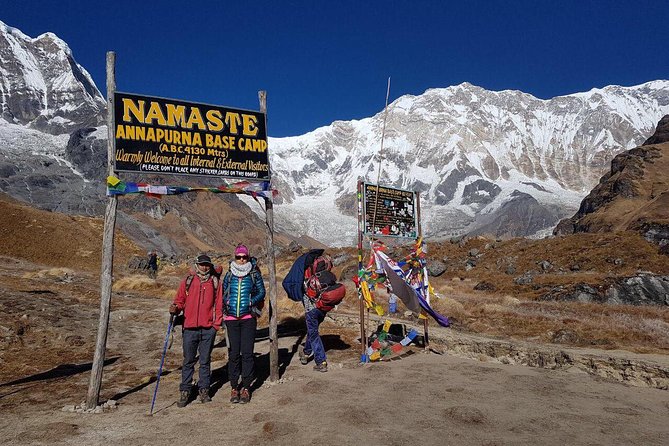
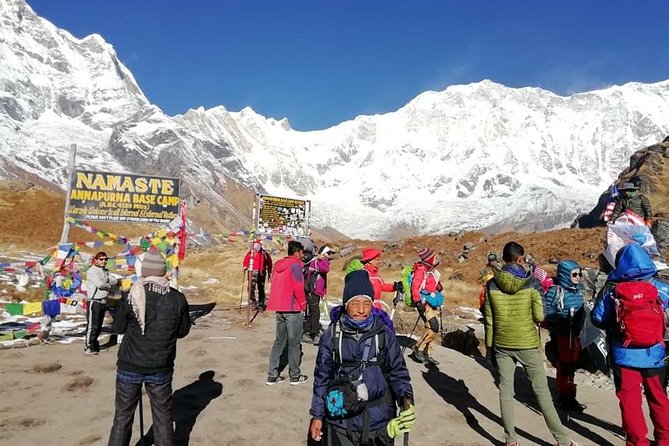
This is the big day: trekking to Annapurna Base Camp (the itinerary keeps the time window roughly 5–7 hours for the push). The description says the trail rapidly ascends to Base Camp.
Then comes the twist: Day 10 continues as you descend past Machhapuchhre Base Camp, Deurali, Himalayan Hotel, and Doban, finishing at Bamboo for the night. That means you’re not just doing a summit-style effort—you’re also doing a long downhill day.
Downhill is where trekking poles earn their keep. If you’re prone to knee pain, you’ll appreciate having your technique ready before you hit the steep sections.
Day 11 Bamboo Back Toward Chhomrong: Steps, Descents, and a Familiar Route
On Day 11, you retrace your steps back toward Chhomrong. The plan calls out a steep descent down to the Modi Khola valley and notes tricky stone steps.
This isn’t the “new scenery” day, but it’s a very useful recovery day in disguise. When you know the route again, you can focus on comfort and control rather than route-finding.
You’ll likely feel the cumulative impact of the trek by this point. Hydrate, snack on schedule, and keep your pace honest.
Day 12 Jhinu Danda Hot Spring: Warm Water After Cold Air
Day 12 shifts from mountain walking to bodily repairs. You reach Jhinu Danda and enjoy the hot spring experience. The description also highlights the surrounding hill landscape of western Nepal, which is a nice change from the more fixed mountain-wall feeling earlier in the trek.
This is the day that makes the trek feel complete. You don’t just arrive somewhere impressive; you reset your body after the altitude work.
Day 13 Trek Finish and Drive to Pokhara: Nayapul to Easy Roads
After completing the trek, you head to Nayapul and drive back to Pokhara. The plan notes a 5-hour drive, which feels like a reward compared to the walking days.
You get an overnight in Pokhara, which gives you time to eat like a normal human and enjoy a slower pace. This also helps if you want to do a little shopping for last-minute souvenirs or gear checks.
Day 14 Return to Kathmandu: Bus Back After Breakfast
On your final day, you take the tourist bus to drive back to Kathmandu after breakfast. The ride typically takes around 7–9 hours depending on conditions.
After a 14-day trek schedule, this day can feel long. But it’s also clean and predictable: you’re not changing plans constantly, and you’re moving with the same team structure that handled pickups and transfers earlier.
Price and Logistics: Does $899 Really Make Sense Here?
At $899 per person for an approximately 14-day trip, the value comes from what’s included—especially if you don’t want to handle permits, transfers, and meal logistics yourself.
Included items you’ll actually feel:
- Airport pickups and tourist coach transport between Kathmandu and Pokhara
- 3-star hotels in Kathmandu and Pokhara with breakfast
- Teahouse accommodation during the trek, with breakfast, lunch, and dinner
- An English-speaking trekking guide
- Porters (with a ratio of 2 trekkers to 1 porter) to carry luggage
- Paperwork and permits like ACAP and TIMS, plus local taxes
What’s not included (so you can budget without surprises):
- Hot water and cold drinks, phone calls, laundry, and beer/bar bills
- Entrance fees for sightseeing in Kathmandu
- Lunch and dinner in Kathmandu and/or Pokhara
- Tips for guides and porters
So the real question is: do you want the trek infrastructure done for you? If yes, this price can feel fair. If you’re planning to do everything budget-style on your own, you might find cheaper DIY options—but you’d also be trading away the coordination and support built into this plan.
What Moderate Fitness Means on This Trek (and How to Prepare)
The itinerary repeatedly uses 4–7 hour trek blocks and includes several steep sections and long descents. “Moderate fitness” here likely means you can handle daily walking and altitude gradually, not that every day is gentle.
To prepare, I’d focus on three things before you go:
- Steady hiking ability for multiple days in a row
- Comfort descending (knee-friendly training helps more than you’d think)
- Basic altitude awareness (pace slowly on climbs, take breaks when offered)
Also, remember that cold mornings are common for early starts like the Poon Hill sunrise. Bring layers you can actually manage while moving.
Private Guide Care and Porter Support: Why It Feels Easier Than It Looks
This trek is private for your group, which matters on a route like this. It means your guide can adjust pacing, and you’re not stuck watching a faster group pull away.
You also have trained porter help, with the schedule specifying a 2 trekkers : 1 porter ratio. That support can be the difference between enjoying the hike and carrying a bag that feels heavier every hour.
Another underrated part: paperwork is handled, including ACAP and TIMS. If you’ve ever dealt with permits in foreign countries, you know why that’s valuable. It’s one less stress layer while you’re already managing altitude and daily effort.
Should You Book This Annapurna Base Camp Trek?
You should book this if you want a classic Annapurna Base Camp route with private attention, full trek-meal coverage, and a team handling permits and transport. It’s a strong fit for first-time trekkers who still want the real mountain experience without turning it into a logistics scavenger hunt.
Skip it (or consider a different style) if you hate early mornings, dislike steep descents, or want a super flexible, DIY budget approach. The trek is built for people who can walk daily and handle some uphill grind—then get rewarded with big Himalayan moments, hot springs, and a clean finish back in Kathmandu.
If that sounds like you, this itinerary is a smart way to earn your Annapurna Base Camp day without burning your energy on everything around it.
FAQ
What is the meeting/start time for the trek?
The start time is 6:45 am.
Are airport pickups included?
Yes. You’re picked up from Tribhuvan International Airport and transferred to your hotel on arrival.
What’s included during the trek itself?
Teahouse accommodation and meals are included during the trek, including breakfast, lunch, and dinner.
What permits are included?
The tour includes paper work and permits including ACAP and TIMS.
Do I get a porter?
Yes. Porter support is included, with a ratio of 2 trekkers to 1 porter to carry luggage.
Are hot water and cold drinks included?
No. Hot water and cold drinks (including items like cola and mineral water) are not included.
Is tips for the guide and porter included?
No. Tips for guides and porter are not included.