REVIEW · KATHMANDU
Pikey Peak Trek
Book on Viator →Operated by Breeze Adventure Pvt Ltd · Bookable on Viator
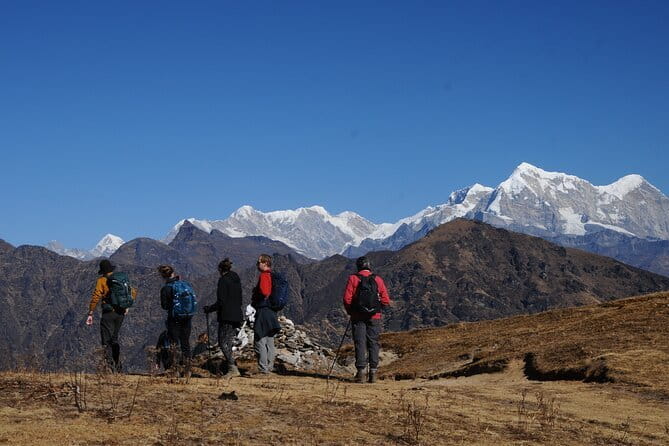
Sunrise over Everest, without the Everest crowds. The Pikey Peak Trek is a calmer way to get big-Himalaya views, with time on the Hillary Trail and a stop at the famous Tupten Choling Monastery. What I like most is the sense of space on the trail and the way that sunrise at Pikey Peak turns into a real payoff for your effort. Another big plus is the people: Breeze Adventure teams up with guides who focus on pacing and English-speaking support, so you’re not left to guess your way through mountain days. One drawback to consider is simple: you still have early mornings and some days that are mostly uphill, plus there’s a long travel day when you swing back to Kathmandu.
This trek also makes practical sense for a lot of travelers in Nepal. You don’t need to fly to Lukla, and the route is set up for a wide range of ages—from seniors to families—while still delivering the mountain drama you came for. And with a maximum group size of 20, it doesn’t feel like a busload of people chasing the same photo.
In This Review
- Key Highlights You’ll Feel on the Trail
- Why Pikey Peak Feels Different From Everest and Annapurna
- Price and Logistics: What $899 Buys You (and What It Doesn’t)
- From Kathmandu to Dhap: Your First Big Mountain Day
- Sunrise and Easy Walking Toward Jhapre
- Uphill Work to Pikey Peak Base Camp (and Why That Matters)
- Pikey Peak Sunrise: The 1-Hour Hike That Can Change Your Whole Day
- Junbesi and Tea-House Nights: Rhododendron Country Energy
- Tupten Choling Monastery near Phaplu: Culture Stop With Real Meaning
- The Long Return: Phaplu to Kathmandu and a Dhap Thade Break
- Who Should Book the Pikey Peak Trek (and Who Might Hesitate)
- Practical Tips for a Smoother Trek Day
- Should You Book This Trek or Skip It?
- FAQ
- How long is the Pikey Peak Trek?
- What is the meeting point and start time?
- How much does the trek cost?
- What meals are included?
- Is there WiFi during the trip?
- What is the cancellation window?
Key Highlights You’ll Feel on the Trail
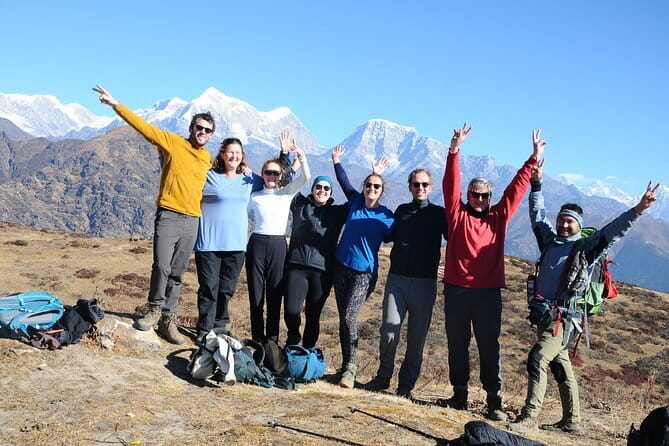
- Seven-mountain perspective from Pikey Peak: you’re chasing panoramic viewpoints rather than a crowded base-camp scramble
- Hillary Trail walking: you get that historic route vibe without the chaos of the best-known Everest paths
- A monastery visit that’s part of the journey: Tupten Choling (Tuptencholing) Monastery gives you a cultural pause near Phaplu
- Small group energy: up to 20 travelers keeps things manageable and human-scale
- Teahouse style comforts: nights are based around familiar trekking accommodations, with food built for trekkers
- Guides named Kishwor, Sabine, Geli, and Raj: supportive, hands-on help is repeatedly emphasized
Why Pikey Peak Feels Different From Everest and Annapurna
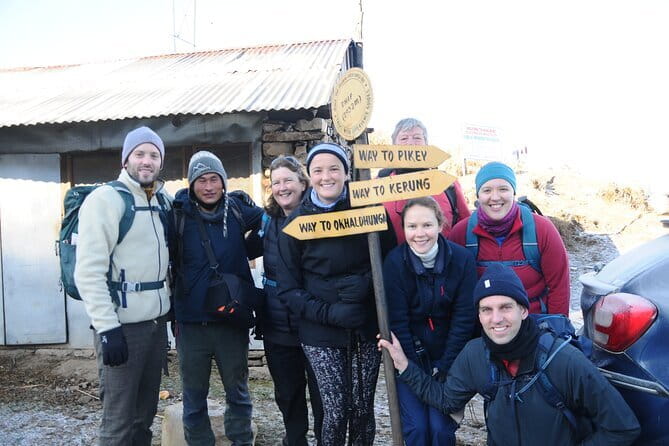
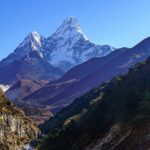
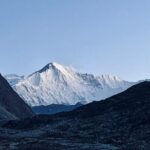
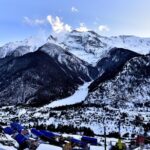
Pikey Peak sits in the Everest orbit, but it doesn’t run like the classic Everest funnel. The big promise here is that you can see Everest-area views and other towering peaks from the Pikey Peak viewpoint without trekking the most congested routes. The trek description also frames it as a way to avoid the higher-altitude struggle you may associate with some Everest itineraries.
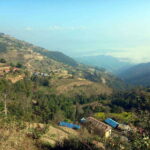
The result is a different emotional tone. Instead of constantly dodging other groups, you’re more likely to experience stretches of quiet walking—less rush, more rhythm. That matters because trekking is partly about lungs and partly about your attention. When your brain isn’t busy with crowds, you notice rhododendron forests, small villages, and the way mountain weather changes hour by hour.
You also get a “history in your steps” element. The itinerary includes trekking along the historic Hillary Trail, which gives the walk a deeper layer than just scenery hunting. Even if you don’t go heavy on historical reading, you’ll feel the route’s established place in Nepal trekking culture.
Finally, this trek isn’t only about altitude bragging. The itinerary leans into sunrise hikes and manageable day stages, which is why it’s often suggested for beginners and seniors, as long as you’re comfortable with steady walking.
You can also read our reviews of more hiking tours in Kathmandu
Price and Logistics: What $899 Buys You (and What It Doesn’t)
This trek costs $899 per person for a roughly 7-day itinerary in Nepal. At this price, you’re paying for guided organization, meals, and the back-and-forth transportation that turns a trek from an idea into a plan.
Here’s what’s included:
- Breakfast (7), Lunch (7), Dinner (6)
- WiFi on board (for at least part of your travel time)
- A guided structure with a small group (maximum 20 travelers)
- A mobile ticket
And what’s not included:
- Fuel surcharge
Value-wise, the meal package is a big deal on a trek like this. When meals are handled, you can focus on pacing and staying warm instead of hunting for food at the wrong time. Also, guided logistics help on a route that isn’t as mainstream as Everest Base Camp. If you’ve ever tried to DIY a “lesser-known” trek, you already know how quickly planning can eat your vacation.
From Kathmandu to Dhap: Your First Big Mountain Day
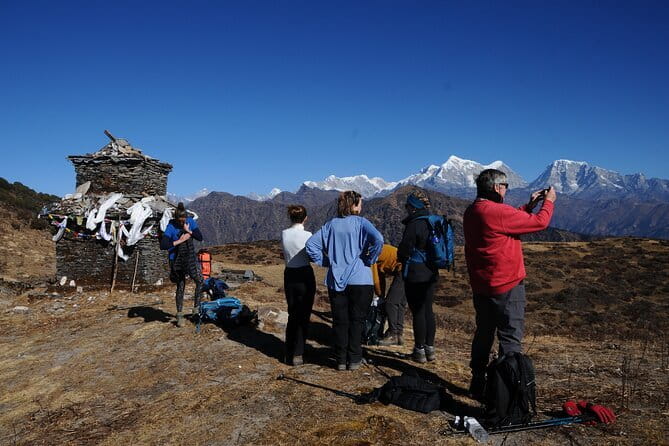
Day 1 is all about getting you into the right valley energy. You’ll drive from Kathmandu to Dhap (about 5 hours). This isn’t a trek day yet. It’s a long first look at the Himalayas, with glimpses of local villages and traditional lifestyles along the way.
The practical point: you start building altitude-awareness without your legs doing the heavy work immediately. Nepal roads can be long and stop-and-go, but the payoff is you begin the journey already seeing mountain ridgelines.
You’re also starting with a schedule that moves early. The tour start time is 6:15 am at Breeze Adventure Pvt. Ltd in Thamel, so plan on being ready before the city fully wakes up. The earlier start helps you avoid losing daylight for setup later.
Sunrise and Easy Walking Toward Jhapre
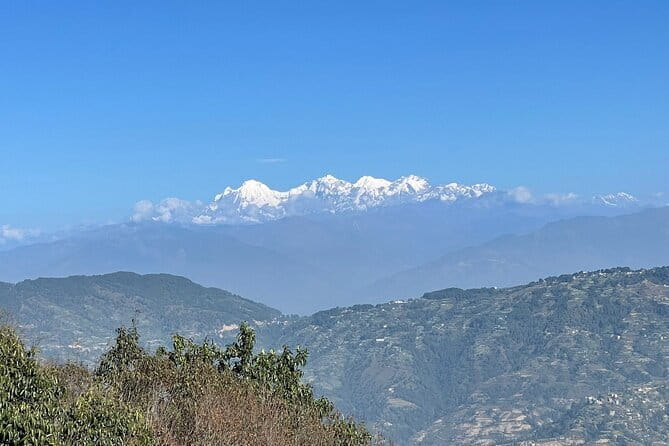
Day 2 begins with a sunrise-style moment. You’ll wake up to views of the Himalayas and get breakfast before starting the trek toward Jhapre. The walking is described as an easier day, much of it along a newly constructed road, which changes the feel of the route.
Road walking is not everyone’s dream. But here, it’s useful. It helps you settle into the rhythm of your pack weight and your breathing without the “steep all day” stress that can drain you early. It also means this day works well if you’re a family traveling with mixed fitness levels or if you’re coming from Kathmandu and still adjusting.
You’ll still get mountain views, and you’ll still pass through the rural rhythm of the region. You just aren’t forced into constant elevation punches on the first trek day.
Uphill Work to Pikey Peak Base Camp (and Why That Matters)
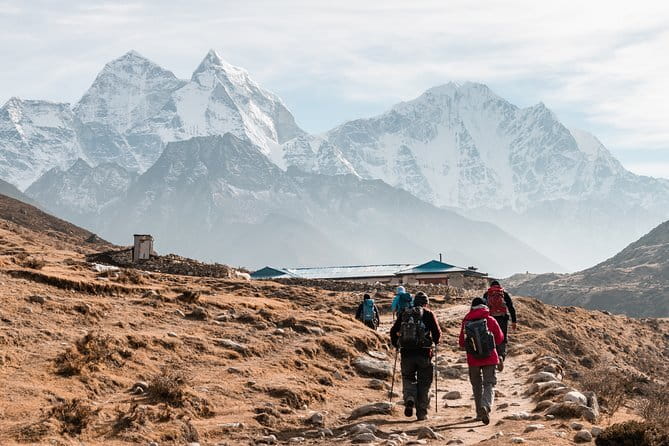
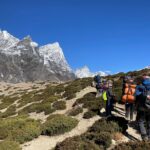
Day 3 is where the trail starts asking for more effort. After another sunrise and breakfast, you trek toward Pikey Peak Base Camp. This day is mostly uphill, with some downhill segments mixed in.
This matters because it positions you for the highlight. Pikey Peak morning is about a sunrise hike, and that kind of effort depends on you not arriving completely wiped out. A mostly uphill day can sound intense in a checklist way, but it’s also a pacing tool. You walk, you rest, you regain your breath, and you keep moving upward into better viewpoint territory.
Also, this is the part of the trip where you’ll likely feel the “calm route” advantage most. The scenery is doing the work, not crowds. If you want Everest views but don’t want the constant pressure of busy trail scenes, Day 3 is where that difference starts to show.
Pikey Peak Sunrise: The 1-Hour Hike That Can Change Your Whole Day
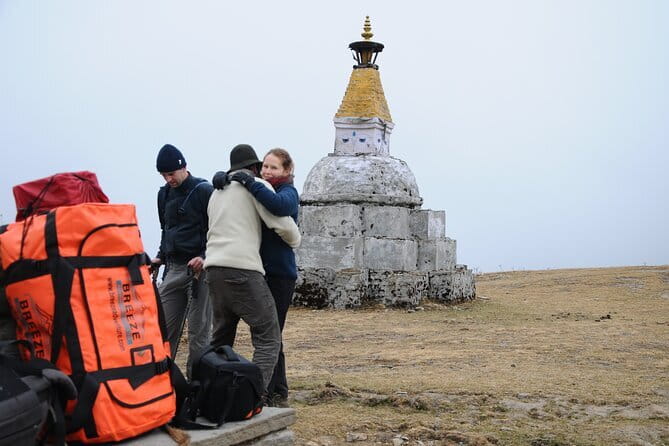
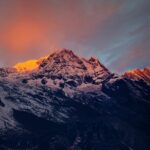
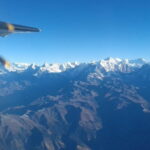
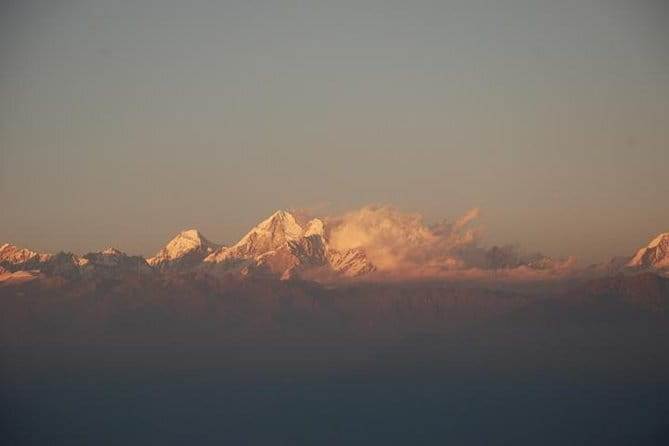
Day 4 is the highlight. You wake early, hike for about 1 hour to Pikey Peak, and go for the sunrise viewpoint experience. This is the moment the trek is built around: panoramic Himalayan views from a viewpoint known for its sightlines.
One review specifically mentions 4066m as the peak elevation experience. Even if you’re not tracking meters like a scientist, you’ll feel what that altitude means: colder air, crisp clarity (when weather cooperates), and a strong sense of being above the daily noise.
The 1-hour hike detail is important. For a trek built on big views, this is relatively short. You’re not spending your best energy climbing for hours before sunrise hits. Instead, you’re spending time getting into position, taking photos, and savoring the moment when the mountains finally look like they belong on a postcard.
If you hate early mornings, this day will still test you. But if you’re the kind of person who enjoys quiet reward moments, it’s the best trade-off on the entire itinerary.
Junbesi and Tea-House Nights: Rhododendron Country Energy
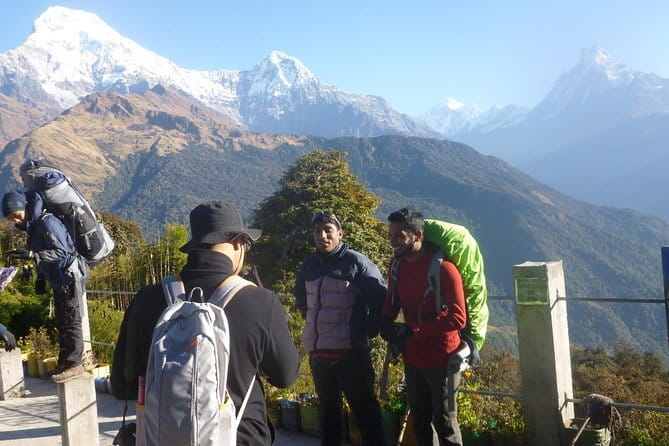
Day 5 takes you onward to Junbesi. You’ll wake up, eat breakfast, and trek to the village. The route is designed as a manageable day, typically around 5 hours, though the exact path can vary depending on where you stayed previously.
The plan notes an alternate beginning if you were in Jasmane Bhanjyang: you may trek first to Taktor for about 3.5 hours. That’s a reminder that this trek can adapt to earlier lodging choices, not just a single rigid path.
In terms of what it feels like, this is where the region’s plant life and color can do a lot of the talking. One guide described the walk through blooming rhododendron forests as a standout experience. Even if you don’t travel in peak bloom season, the area’s vegetation is part of why people describe Pikey Peak as peaceful and calm.
Accommodation is similar in style to other trekking routes: tea-house based nights. Reviews mention tea houses as comfortable, and the food is geared toward trekkers. You won’t get a luxury hotel vibe, but you do get the practical comfort that keeps you walking the next day.
Tupten Choling Monastery near Phaplu: Culture Stop With Real Meaning
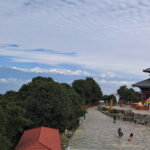
Day 6 shifts from pure trekking to a blend of walking and cultural visiting. After breakfast, you head toward the Phaplu area and make time for Tupten Choling Monastery (also written as Tuptencholing Monastery).
The monastery is described as one of the largest nun monasteries in the region, located at the foot of a mountain. It’s home to around 20 nuns (as indicated in the itinerary description), which gives you a sense of community scale rather than a quick photo stop.
Why this matters: trekking can start to feel like an all-sky, all-mountain experience. A monastery visit pulls you into the human side of the Himalayas. You’ll have a chance to observe devotion, daily routines, and the calm structure of life around the monastery, all without needing to change your trekking style.
This day also sets up the long return logistics on Day 7, since you’ll be positioned closer to the route back toward Kathmandu.
The Long Return: Phaplu to Kathmandu and a Dhap Thade Break
Day 7 is a long drive back to Kathmandu, roughly 10 hours in total. The itinerary emphasizes starting early because the road takes time. After about two hours of driving, you stop at Dhap Thade for breakfast, with views along the way.
This kind of day is the trade-off for trekking in a remote area without flying. When your trek ends, the journey isn’t over yet. The upside is you finish back where you started, at the original meeting point in Thamel.
A small tip that makes a difference: on this kind of travel day, eat the breakfast stop even if you’re not starving. Road time can be unpredictable, and you’ll feel better if you keep your energy stable.
Who Should Book the Pikey Peak Trek (and Who Might Hesitate)
This trek is designed for a wide range of people. The trek overview explicitly says it’s suitable for people of all ages, including senior citizens and families. The itinerary also includes easier pacing days and a viewpoint hike that’s about one hour on the big sunrise day.
It’s a good fit if:
- You want Everest-area views without the high-chaos Everest trail experience
- You like sunrise hikes and viewpoint days more than constant steep climbs
- You want a calmer trek that still feels meaningful, including the monastery stop
- Your group includes mixed ages or fitness levels
It might not be ideal if:
- You want a completely low-effort trek with no early starts
- You dislike uphill days (Day 3 is described as mostly uphill)
- You’re looking for the most famous, crowded trekking scene where there’s always someone around
Practical Tips for a Smoother Trek Day
A few practical things will help you get more out of the experience, especially because mornings start early.
- Dress in layers for sunrise. Mountain mornings can feel cold fast, and you’ll be moving, stopping, and waiting for views.
- Bring a warm layer you can actually wear during the viewpoint stop. The payoff is sunrise time, so comfort matters while you’re standing still.
- Plan for steady walking, not sprinting. The route includes mostly uphill sections, so pace beats pressure.
- Use the “calm trail” time well. If you’re taking photos, do it. If you’re just breathing and watching weather change, do that too. This trek rewards attention.
- Ask your guide about your pacing needs early. Breeze Adventure’s team includes people like Kishwor at the office and on-the-ground guides such as Sabine and Raj, who are known for helping people manage their physical condition and staying confident with English guidance.
Should You Book This Trek or Skip It?
Book the Pikey Peak Trek if you want big Everest-area views with a calmer trail feel, you like sunrise moments, and you’re comfortable with some uphill trekking over several days. The monastery stop adds a real human layer, and the tea-house style nights keep things practical.
Skip it if you need a very high-intensity mountain summit quest, or if you’re specifically chasing the most crowded, famous trail energy. This trek isn’t trying to be the Everest headline act. It’s trying to give you the mountains with breathing room.
If you’re on the fence, the decision rule is easy: do you want fewer crowds and a structured, supportive guide experience? If yes, this is a strong pick.
FAQ
How long is the Pikey Peak Trek?
It runs for about 7 days.
What is the meeting point and start time?
The tour starts at Breeze Adventure Pvt. Ltd, Thamel Marg, Kathmandu 44600, Nepal, with a start time of 6:15 am.
How much does the trek cost?
The price is $899.00 per person.
What meals are included?
Breakfast is included for 7 days, lunch is included for 7 days, and dinner is included for 6 days.
Is there WiFi during the trip?
WiFi on board is included.
What is the cancellation window?
Free cancellation is available up to 24 hours in advance for a full refund. If you cancel less than 24 hours before the start time, the amount paid is not refunded.