REVIEW · POKHARA
3-Day Poon Hill Trek from Pokhara.
Book on Viator →Operated by Eco Holidays Nepal · Bookable on Viator
Sunrise at Poon Hill is the kind of payoff that makes the early mornings worth it. This 3-day private trek from Pokhara also keeps things practical with teahouse meals and a provided sleeping bag, so you can focus on the hike instead of logistics. My other favorite part is the route pacing: it’s built for moderately fit hikers and it doesn’t push you into high-altitude drama. One drawback to keep in mind is that a porter isn’t included, so if you want help carrying your load you’ll need to plan for that cost.
You’ll see rhododendron forests, mountain villages, and rice fields as you move through the Annapurna region, and the whole trip is designed to fit into a short window. Guides named BK, Shiva, Bikram, Sagar, and Sudip Shrestha are repeatedly singled out for being kind, experienced, and solid at handling the day-to-day details on the trail. The consideration here is simple: because it’s teahouse style, your comfort level will depend on packing smart and accepting basic rooms along the way.
In This Review
- Key highlights worth waking up for
- Entering the Annapurna foothills fast from Pokhara
- Private transportation and pickup: why it matters for day 1
- What the trail feels like: forests, villages, and rice fields
- Poon Hill sunrise: the main event (and the cold reality)
- Teahouse nights: twin sharing, included meals, and what to expect
- Gear and comfort: the backpack math for a short trek
- Guide quality: why names keep coming up
- Price and value: what you’re paying for at $410
- Weather, timing, and altitude: how to stay sane
- Who should book this trek, and who might look elsewhere
- Should you book this 3-day Poon Hill trek?
- FAQ
- How long is the Poon Hill trek from Pokhara?
- What fitness level do I need?
- What kind of accommodation do you use?
- Are meals included?
- Is a sleeping bag provided?
- Does the price include transportation from Pokhara?
- What is not included in the tour price?
- What happens if weather is bad?
Key highlights worth waking up for
- Poon Hill sunrise as the main event with early-morning hiking and major panoramic payoff
- Teahouse accommodation + all meals included (breakfast, lunch, dinner) to cut stress
- Sleeping bag and duffel bag provided so you can travel lighter and pack faster
- Private transportation from Pokhara so you’re not guessing timing or routes
- Guide support that feels personal from people like BK, Shiva, Bikram, Sagar, and Sudip Shrestha
Entering the Annapurna foothills fast from Pokhara
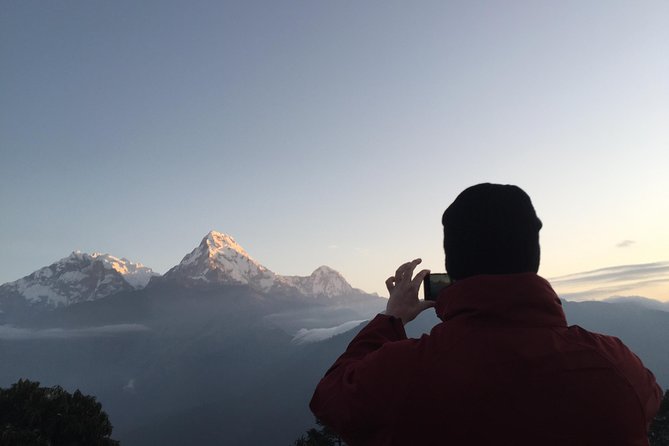
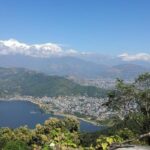
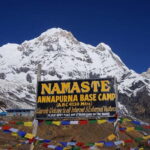
This trek is built for people who want classic Himalayan views without spending a week on the trail. Starting in Pokhara (the city of seven lakes) means you get a clean base before you head into the foothills. The vibe here is warm, local, and straightforward: walk, eat, sleep in teahouses, repeat.
The reason this 3-day format works is that you don’t need extreme fitness to enjoy it. The hike is described as moderately challenging, aimed at travelers with hiking experience who are comfortable moving uphill for stretches. Altitude is kept relatively reasonable, so you’re not signing up for a high-altitude expedition.
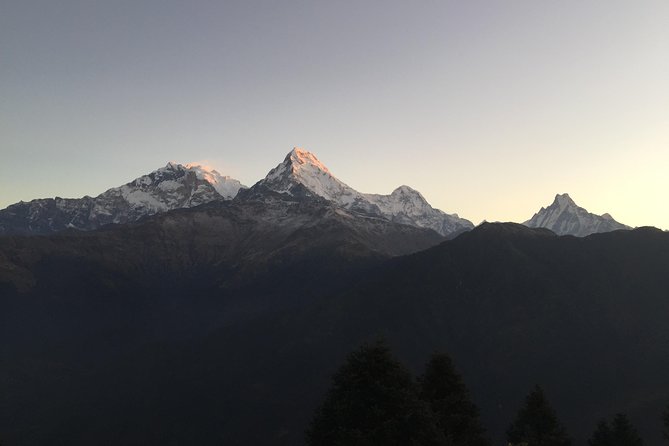
And yes, you’ll still get the signature Himalayan moment. Poon Hill is the sunrise lookout point, and the whole schedule is shaped around being there with the light. If you’re the type who hates alarms, this trek will test your loyalty to good views.
You can also read our reviews of more hiking tours in Pokhara
Private transportation and pickup: why it matters for day 1
A lot of short treks feel short because travel days get chaotic. This one reduces that. It includes private transportation and pickup is offered, which helps you start in the right rhythm instead of spending the morning hunting for the right vehicle.
You’ll also get a mobile ticket, and you receive confirmation at booking time. Those two things may sound small, but they cut down on the anxiety of last-minute coordination. When you’re about to hike for a few days, fewer moving parts is a real benefit.
Also, this is a private tour/activity, meaning it’s just your group. That matters if you don’t want your hiking pace forced into someone else’s schedule. In a short trek, that’s the difference between feeling relaxed and feeling rushed.
What the trail feels like: forests, villages, and rice fields
The walking is the heart of this experience, and it’s framed around variety. You’ll hike through rhododendron forests, which can add a cool, green feel when the air is warm. You’ll also pass through mountain villages where daily life is close by, so the trek doesn’t feel like a solo walk into nowhere.
Rice fields show up in the mix too, which helps the scenery stay grounded in human geography rather than only big peaks. The route is described as not rising too high in altitude, so you should be able to focus on steady movement instead of constantly watching your oxygen levels.
Practical note: “moderately challenging” still means you’ll sweat. Bring layers you can adjust quickly and a steady pace. Short treks punish heroics—go slower than you think you need to, and you’ll feel better at sunrise.
Poon Hill sunrise: the main event (and the cold reality)
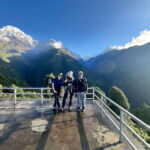
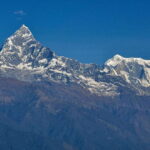
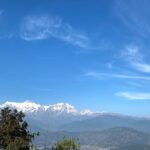
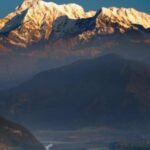
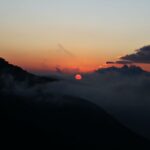
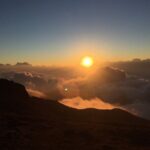
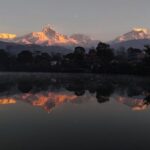
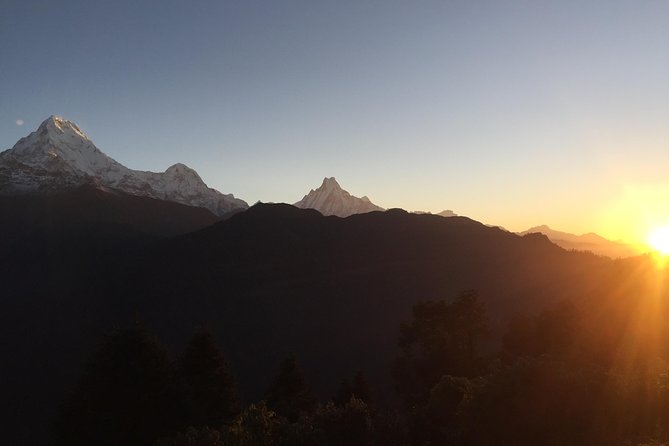
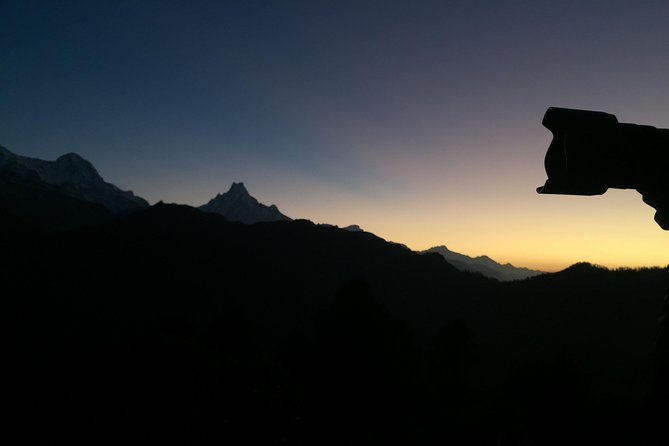
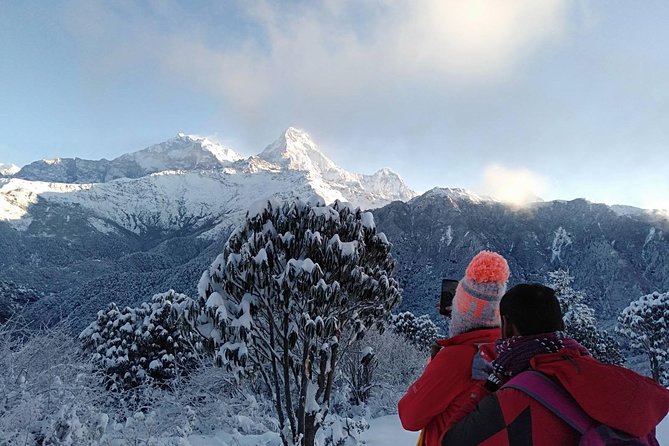
Poon Hill is the headline stop, and it’s timed for sunrise. That usually means an early start, and early starts are never cute. But the payoff is the entire point: up-close views of the Himalaya from the lookout point.
If weather is clear, the experience can feel like you’re watching the mountains light up from behind a curtain. If it’s cloudy, you may still get a memorable sunrise atmosphere, but your peak visibility can be limited. This is why weather sensitivity shows up in the cancellation/adjustment rules: the experience requires good weather.
So what should you do as a traveler? Plan to be flexible on timing and trust that the operators aim for the best possible conditions. When your main goal is sunrise, being slightly adaptable is part of the deal.
Teahouse nights: twin sharing, included meals, and what to expect
This trek uses teahouse accommodation on a twin sharing basis. That’s a big part of why this is a classic short trek: you’re not hauling your own camping setup.
Meals are included: breakfast, lunch, and dinner. When all meals are handled, you save time and reduce decision fatigue. On trail days, that means you can focus on walking, not hunting for food.
You also get a sleeping bag and duffel bag provided for your convenience. That’s a real value add, because trekking gear can get expensive and hard to pack. You can travel lighter, and you’re less likely to arrive unprepared for overnight chill.
A few practical considerations. Teahouses can be basic, and comfort varies by location and availability. If you want sleep that feels like a hotel bed, you’ll likely be disappointed. If you pack smart (warm layer for night, simple comfort items), you’ll be fine.
You can also read our reviews of more tours and experiences in Pokhara

Gear and comfort: the backpack math for a short trek
Since a sleeping bag and duffel bag are included, your job is mostly about personal comfort and trail essentials. A duffel bag also nudges you away from overpacking. For a 3-day itinerary, that’s good.
Because a porter is listed as not included, think carefully about what you carry yourself. If you’re bringing a jacket, water, snacks, layers, and a few small extras, it can add up quickly in your hands or on your back. If you don’t want weight on your shoulders, you’ll need to arrange porter support separately.
Also, bottled water isn’t included. That means you’ll buy water on the trail or handle hydration another way. WiFi and battery charging aren’t included either, so keep your phone battery strategy simple: charge before you go, accept limited connectivity, and use your phone for photos rather than streaming.
And bring a bit of humor for night-time logistics. You’ll likely be sharing a room with a stranger (twin sharing), but that’s also part of the social warmth of teahouse trekking.
Guide quality: why names keep coming up
This is a private trek, but the real difference is the human support. Guides such as BK, Shiva, Bikram, Sagar, and Sudip Shrestha appear in strong feedback, often praised for being experienced, helpful, kind, and attentive to what you need during the hike.
From your standpoint, that kind of guidance helps in obvious ways—route knowledge, timing, and good stop suggestions for eating and resting. It also helps in less obvious ways: a good guide can help you pace your day so you don’t blow your energy before sunrise.
You’ll also get a first aid kit included. That’s not glamorous, but it’s comforting. In the mountains, small safety support matters even on short treks.
Price and value: what you’re paying for at $410
At $410 per person, this is not a budget-only trek. But for a 3-day private experience, the price starts to make sense when you see what’s folded in.
What you’re getting includes:
- Breakfast, lunch, and dinner
- Teahouse accommodation (twin sharing)
- Sleeping bag and duffel bag
- Private transportation and pickup offered
- All fees and taxes
- First aid kit
What’s not included covers the stuff that can creep upward if you don’t plan: alcoholic beverages, snacks, bottled water, personal expenses, WiFi/battery charging, and tips. A porter is also not included.
So how do you judge value? I’d look at it like this: you’re paying to remove the decision burden. Meals are set. Sleeping gear is handled. Transport is arranged. In a short trek, reducing friction is worth real money.
One more detail: this trek is often booked about 55 days in advance on average. That suggests it has consistent demand. If you want a specific date, you’ll want to plan ahead rather than betting on last-minute luck.
Weather, timing, and altitude: how to stay sane
This experience requires good weather. That’s written plainly because sunrise treks can’t run on hope. If conditions are poor, you’ll be offered a different date or a full refund.
The altitude note is also helpful: the trek is described as not rising too high. That doesn’t mean there’s no climbing—there is. It means you’re less likely to feel the sort of altitude stress that changes how your body works. Still, take pacing seriously. Slow walking is not weakness; it’s strategy.
Also, consider what “moderately challenging” means for you personally. If you’re comfortable with hikes that build stamina, you’ll probably enjoy this. If you’re brand new to trekking, you’ll need extra patience and likely will benefit from choosing a slower pace—or building stamina first.
Who should book this trek, and who might look elsewhere
This trek fits well if you:
- want a classic Poon Hill sunrise experience
- like teahouse trekking and are okay with basic overnight rooms
- have moderate fitness and hiking experience
- want a short itinerary that still feels like a real Himalayan trip
It may be less ideal if you:
- expect hotel-level comfort on all nights
- don’t want to carry your own essentials (since porter isn’t included)
- need reliable WiFi and charging during the walk (these aren’t included)
Because it’s private, it also works for couples, friends, and small groups who want control over their pace and stops.
If you’re deciding between a short trek and a longer one, a longer itinerary can give you more time to acclimate and more walking variety. But for many people, the 3-day structure is the sweet spot: you get the core highlights without turning your vacation into a logistics project.
Should you book this 3-day Poon Hill trek?
If your goal is a short, rewarding taste of the Himalaya—especially the sunrise at Poon Hill—this is a strong choice. The big value is not just the views. It’s the way the trip handles the practical stuff: meals, teahouse stays, sleeping bag and duffel bag, plus private transportation.
I’d say book it if you’re comfortable with moderate hiking and you’re okay with carrying your own items (unless you add a porter). You’ll also want to commit to weather flexibility because sunrise visibility depends on conditions.
If those things fit your style, you’ll likely end up with exactly what you came for: early light over the mountains, a feeling of real effort, and nights spent in simple mountain hospitality rather than rushed hotels.
FAQ
How long is the Poon Hill trek from Pokhara?
It’s listed as a 3-day trek (approx.).
What fitness level do I need?
It’s best suited for moderately fit travelers with hiking experience.
What kind of accommodation do you use?
You’ll stay in teahouses on a twin sharing basis.
Are meals included?
Yes. Breakfast, lunch, and dinner are included.
Is a sleeping bag provided?
Yes. A sleeping bag is provided for your convenience.
Does the price include transportation from Pokhara?
Yes. The experience includes private transportation, and pickup is offered.
What is not included in the tour price?
Alcoholic beverages, snacks, bottled water, personal expenses, WiFi, battery charging, tips, and a porter are not included.
What happens if weather is bad?
The experience requires good weather. If it’s canceled due to poor weather, you’ll be offered a different date or a full refund. Free cancellation is available up to 24 hours in advance for a full refund.