REVIEW · KATHMANDU
Kathmandu: Pashupatinath Temple Evening Aarati Tour
Book on GetYourGuide →Operated by Breakfree Adventures Pvt. Ltd. · Bookable on GetYourGuide
Evening devotion at Pashupatinath is powerful. You’ll watch the Pashupati Bagmati Aarati by the Bagmati River, where oil lamps, chanting, and bhajans turn a simple riverside moment into something holy and human. I like that the ceremony is easy to follow even if your Hindu background is limited, and I especially like the way good guides help you find the right spot and make sense of what’s happening. The main drawback is crowding and smoke near the riverbanks, so you’ll want to plan for a tight, sensory experience around 6 pm.
This tour gives you a straightforward 3-hour window that starts right when the action begins. I also appreciate that you’re not stuck figuring out logistics on your own, with private A/C transport and a professional English-speaking guide like Razz, who’s praised for explaining Hindu and even Buddhism context clearly. If you’re not Hindu, you should know you can’t go inside the main temple, though you can view the Aarati from the Bagmati River banks.
In This Review
- Key things I’d zero in on before you go
- Pashupatinath at dusk: why this Aarati hits hard
- Getting there and timing: how the 3 hours usually play out
- Entering the sacred zone: what’s off-limits and what you can see
- Dress and etiquette (what keeps things smooth)
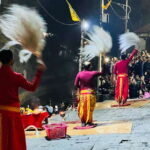
- The Aarati itself: oil lamps, chanting, and the circle motion
- Why the guide’s explanation matters (and how it changes your view)
- Cremation ghats nearby and the role of Tandav
- Price and value: is $22 a good deal for this specific evening?
- When the crowd is part of the deal (and how to handle it)
- A note on shopping pressure: stay focused on the ritual
- Who this evening Aarati tour suits best
- Should you book the Kathmandu Pashupatinath evening Aarati tour?
- FAQ
- What time does the Pashupati Bagmati Aarati start?
- Where do I watch the Aarati?
- Can non-Hindus go inside the main temple?
- What should I wear?
- Is there an entry fee?
- Is photography allowed?
- Where are pickup and drop-off locations?
- Are there cancellation options?
Key things I’d zero in on before you go
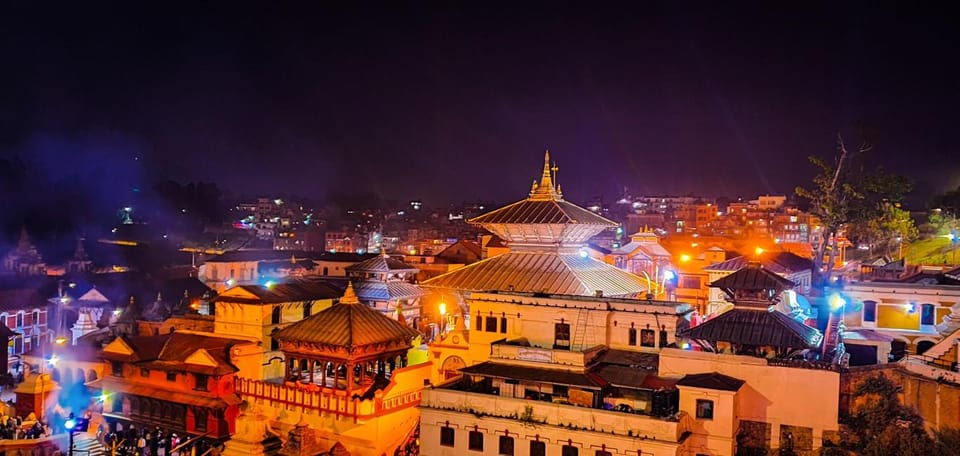
- The 6 pm timing: the Aarati usually starts around 6:00–6:30 PM, and timing shifts by season.
- Riverbank viewing: the Aarati is beside the Bagmati River, and that’s where you’ll want to focus your eyes.
- Guides can make or break it: people specifically mention guides like Razz and Shankar for clarity and getting a good seat on busy nights.
- Dress modestly, no exceptions: shoulders and knees covered keeps you respectful and comfortable.
- Know what’s included vs paid: monument entry fees are not included (NPR 1,000 per person).
- Watch for incense smoke and chanting: it’s part of the ritual, not something you can fully avoid.
Pashupatinath at dusk: why this Aarati hits hard
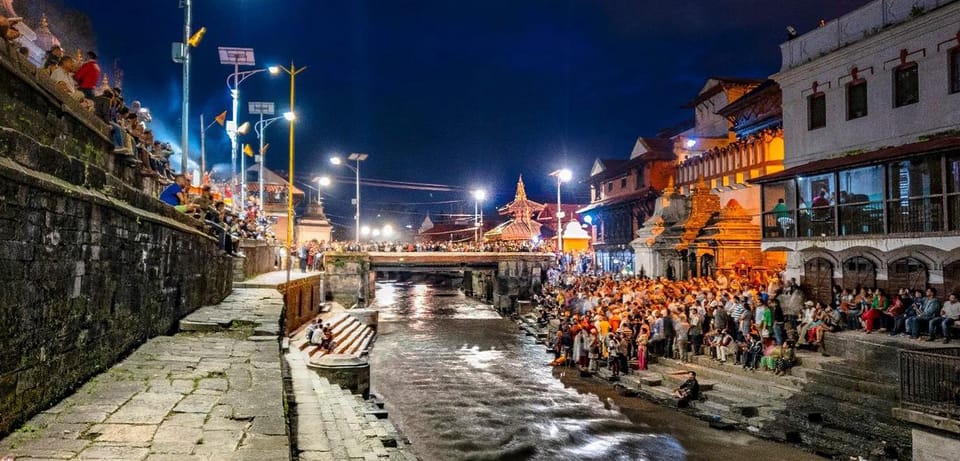
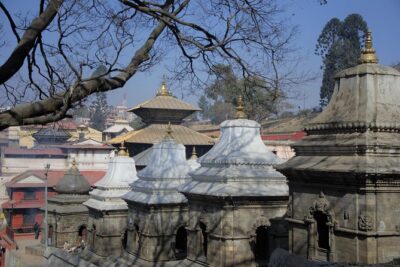
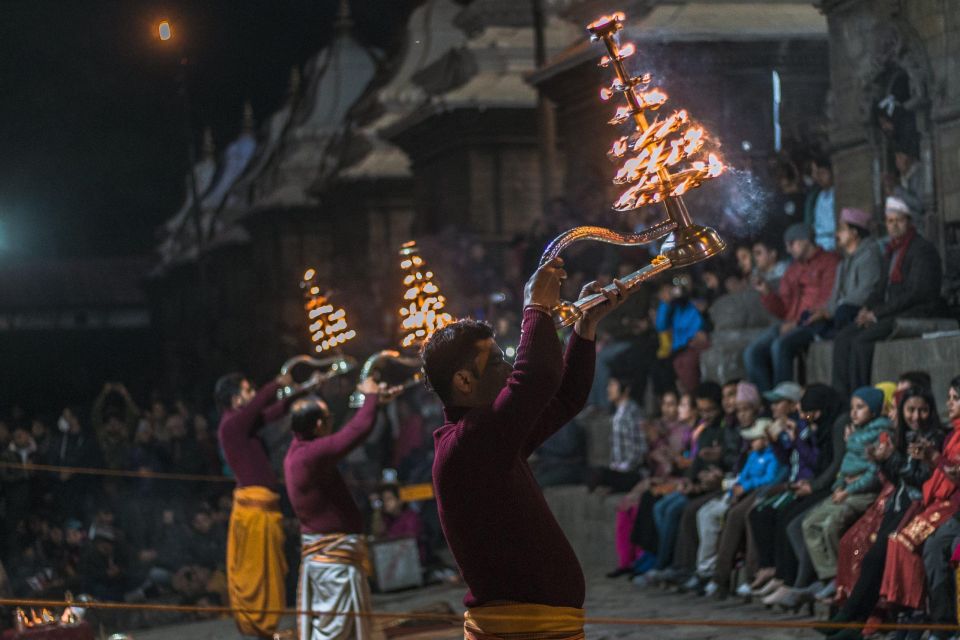
Pashupatinath isn’t just a sight. It’s a place people come to pray in real time. When the evening Aarati begins, you’re not reading about devotion—you’re standing next to it as priests move oil lamps in circular motions, while chants and bhajans roll across the riverfront.
The setting matters. The Bagmati River runs by the temple, and the ritual honors that holy river. In Hindu belief, bathing in the Bagmati is tied to purification—washing away sins—so the Aarati isn’t only about the temple walls. It’s about the water, the space, and the idea of cleansing.
I also like the rhythm of the experience. You start with guided context, then you watch the ritual unfold at the right moment. By the time the lamps start moving and the group chanting becomes steady, you’ll likely feel the calm and focus the ceremony is designed to create.
One more reason this tour feels worthwhile: the explanations. Several guides associated with this experience are praised for giving practical, respectful meaning to what you’re seeing—Razz is specifically called out for explaining rituals and symbolism in an easy way, and for adding broader context about religion. That kind of framing can turn a photo-op into something you actually understand.
You can also read our reviews of more evening experiences in Kathmandu



Getting there and timing: how the 3 hours usually play out
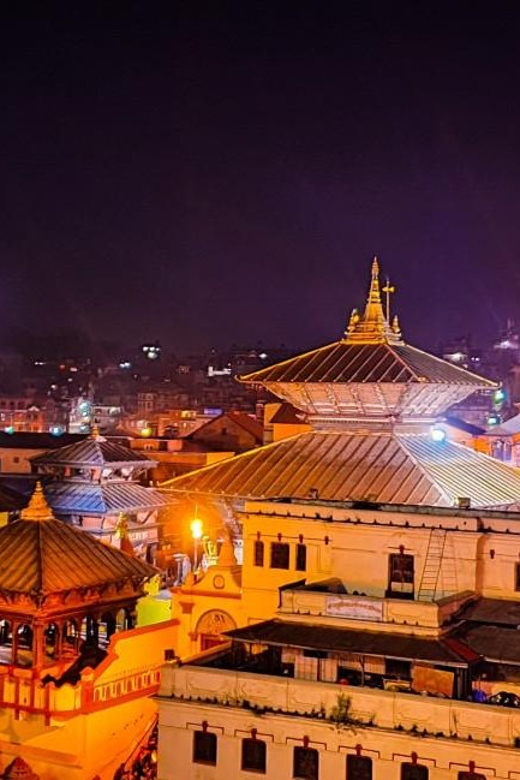
This is built as a simple evening plan: 3 hours total, with hotel pickup and drop-off by private A/C vehicle. You can choose pickup points in the central Kathmandu area, typically including Thamel and Boudhha, plus a Kathmandu city-center pickup option.
Why the timing matters: the Aarati usually starts around 6:00–6:30 PM, but it can shift with the season. If you show up late, you’ll still see the atmosphere, but you can miss the clean build-up of the ceremony.
You’ll also want to factor in crowd pressure. Even on a normal night, the riverbank area can get busy. On weekends and festival days—plus Mondays when more people gather—you should expect tighter space. One review specifically notes the guide getting a good place to sit on a very busy Saturday night, which is exactly what you want on a crowded event.
The tour includes transportation and an English-speaking guide, which is useful because temple rules and ritual flow can be confusing if you don’t know what to look for.
Entering the sacred zone: what’s off-limits and what you can see
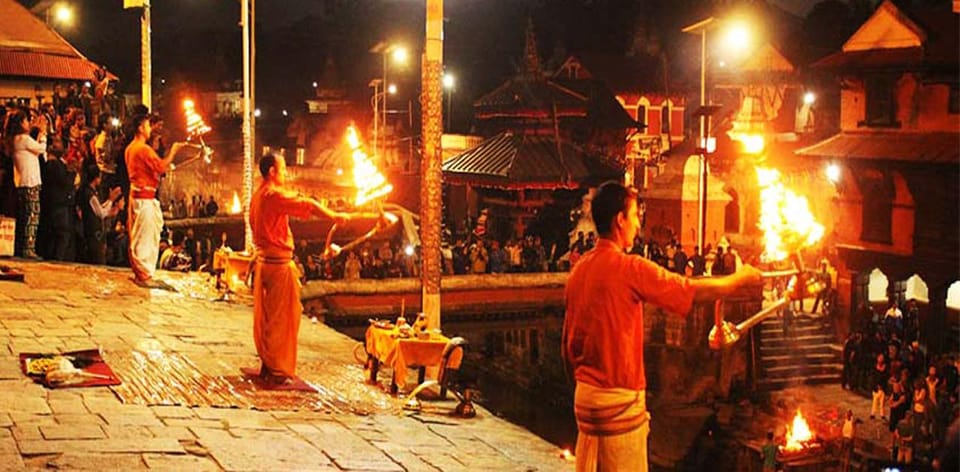
Here’s the key fact to plan around: non-Hindus are not permitted inside the main temple, but you can view the Aarati from the Bagmati River banks.
So think of your experience as riverside devotion from the outside edge of the complex, not a full inside-temple tour. That’s still valuable. The Aarati itself is performed beside the river, with priests and devotees gathered where the lamps and chanting can reach everyone.
At the same time, you’ll be close enough to feel the ceremony as a live moment. Oil lamps, chanting, incense smoke, and the motion of ritual objects can make you forget about the boundary details. You’ll just be there with the crowd, watching the ritual progress.
Dress and etiquette (what keeps things smooth)
Even if you’re just viewing from outside, follow the rules:
- Cover shoulders and knees (modest clothing is expected).
- Expect incense smoke and chanting; it’s part of the experience.
- Be respectful during the ritual. If you’re taking photos, aim for quiet, not disruptive.
Photography is generally allowed, but you should move carefully and keep your attention on the people conducting the worship.
The Aarati itself: oil lamps, chanting, and the circle motion
The main event is the Pashupati Bagmati Aarati. Priests conduct worship using oil lamps, and they chant sacred words while the lamps move in circular motions. Those circles are symbolic—devotion isn’t random movement; it’s structured, deliberate, and meant to focus attention.
Alongside the priests, devotees sing bhajans, which helps the atmosphere feel communal rather than like a staged performance. The bhajans also make it easier for you to follow the flow: when the singing settles into a rhythm, you’ll often feel the moment shift into something quieter and more contemplative.
One small but important point: the tour starts at the right time, so you’re not wandering around wondering where the ritual is actually happening. With the guide’s help, you can find where to stand and what to watch as the ceremony begins.
I also like that the ritual is framed with meaning, not just described. The tour information connects the Aarati to the Hindu belief that God is present in living beings and to prayers for collective well-being. That turns the Aarati into more than a visual show—it becomes a shared act of care.






Why the guide’s explanation matters (and how it changes your view)
Aarti nights can be confusing for first-timers. You see motion, hear chanting, watch priests handle lamps, and then there’s a lot going on around you. A good guide helps you connect dots fast.
In the feedback for this experience, guides like Razz are praised for being both kind and respectful, with clear explanations not only of Hindu temple traditions but also how Buddhism can add context. That kind of cross-cultural framing helps you notice patterns instead of just collecting sensory impressions.
Another guide mentioned in the reviews is Shankar, described as professional and able to explain religion, gods, and what’s happening in the area. One review even mentions getting a close look at cremations before the Aarati. That tells me the guide isn’t only pointing at the ceremony—they’re helping you understand the broader religious landscape around Pashupatinath.
Even if your guide doesn’t focus on the same details, the value is consistent: you’ll know what you’re looking at, why it matters, and what to do (and not do) while the ritual is underway.
Cremation ghats nearby and the role of Tandav
Pashupatinath sits within a complex religious geography. Along the Bagmati River, you may see cremation activity at nearby ghats, depending on what’s happening that evening. One review notes being able to see cremations in close view before reaching the ceremony. If you’re sensitive to this topic, consider it in advance.
The good news is that your tour stays respectful and guided. You’re not there to stare; you’re there to understand the ritual context that includes life, death, and devotion in the same river corridor.
You’ll also hear about Tandav, the divine dance linked to Lord Shiva. The tour information connects Tandav to honoring Shiva and situates it alongside the Aarati and temple worship. Even if you don’t witness a full dance performance during your specific evening, the explanation helps you understand why the temple complex holds such spiritual weight for devotees.
And yes, on major days like Maha Shivaratri or Haritalika Teej—plus holidays and Mondays—you can expect more people. That matters because the ritual becomes even more collective, but space becomes tighter.
Price and value: is $22 a good deal for this specific evening?
At $22 per person for about 3 hours, this tour can be good value because it bundles the things that usually cost you time: pickup, private A/C transport, a professional English-speaking guide, and taxes.
What you should budget separately:
- Monument entry fees: NPR 1,000 per person (paid on the day).
- Meals and drinks (not included).
Think of it like this: the ceremony itself is the centerpiece, and the tour ensures you get to the right place at the right time, with someone helping you interpret the ritual. If you’ve ever tried to navigate Pashupatinath on your own at dusk, you know why that matters—crowds, rules, and timing are real.
Also, the tour includes skipping the ticket line, which can help you lose less time before the ceremony starts. Just remember that even with line-skipping, the entrance fee still needs to be paid.
If you’re staying around Thamel or Boudhha, the pickup convenience is a big part of the value. If you’re farther out in the city outskirts, there may be an additional fee.
When the crowd is part of the deal (and how to handle it)
Let’s be honest: this is not a quiet, wide-open temple courtyard experience. You’re on the Bagmati River banks with other people, and the evening Aarati draws large crowds—especially on the nights when devotees come in higher numbers.
That can be uncomfortable if you’re expecting space to move around freely. But it can also make the ritual feel more authentic. The Aarati is collective prayer, and you’re there in the same current.
Practical tips that help:
- Arrive when your tour timing sets you up—don’t wait until you think it might already be starting.
- Keep your phone ready but don’t raise it every two seconds. The ritual needs attention.
- Expect smoke and chanting. If you’re sensitive, consider how close you’ll stand and how long you can comfortably stay.
And if you want a good viewpoint, trust the guide’s judgment. One review highlights how the guide got a good place to sit on a crowded Saturday night—this is exactly the kind of service you want paying for.
A note on shopping pressure: stay focused on the ritual
One negative review describes an unpleasant experience involving pushy behavior and a high-priced purchase. I can’t confirm anything beyond what was reported, but I can tell you what to do with that information: keep your priorities clear.
If your guide suggests an extra stop for shopping, you can politely redirect the focus back to the ceremony. You’re paying for an Aarati experience. If something feels off, speak up early rather than negotiating in the moment.
In general, the rest of the feedback is strongly positive about guide professionalism and explanation. Still, it’s smart to stay alert and keep the itinerary goal in front of you.
Who this evening Aarati tour suits best
This is a great fit if:
- You want a religious ritual experience in Kathmandu that’s guided and timed well.
- You like learning the meaning behind what you’re seeing, not only taking pictures.
- You’re comfortable with crowds and respectful temple rules.
It may be less ideal if:
- You need a fully inside-temple experience (non-Hindus can’t enter the main temple).
- You can’t handle incense smoke or close proximity to a large crowd.
- You’d rather avoid seeing cremation-related activity if it’s happening that evening.
If you’re a first-time visitor to Kathmandu and you want one evening activity that feels distinctly Nepal—spiritual, local, and alive—this works well.
Should you book the Kathmandu Pashupatinath evening Aarati tour?
Yes, I’d book this if you can handle crowds and you’re open to a real ritual atmosphere by the Bagmati River. The combination of private transport, an English-speaking guide, and a well-timed 6 pm–ish viewing window makes it an efficient way to experience something many visitors only hear about.
I’d also book it because the best version of this tour seems to hinge on guidance. People specifically praise guides such as Razz for clear context and for helping you get a good spot, and Shankar for professional explanations around the temple area. That’s exactly what helps first-timers understand what’s happening instead of just watching.
Just go in with the right expectations: view from the riverbank (especially if you’re non-Hindu), cover up modestly, and be ready for smoke, chanting, and a packed riverside.
FAQ
What time does the Pashupati Bagmati Aarati start?
It usually starts around 6:00–6:30 PM, though timing can vary by season.
Where do I watch the Aarati?
You can view the Aarati from the Bagmati River banks near Pashupatinath Temple.
Can non-Hindus go inside the main temple?
No. Non-Hindus are not permitted inside the main temple, but you can still watch the Aarati from the riverbanks.
What should I wear?
Dress modestly by covering your shoulders and knees for this sacred site.
Is there an entry fee?
Yes. The monument entry fee is NPR 1,000 per person and is paid on the day.
Is photography allowed?
Photography is generally allowed, as long as you remain respectful during the ritual.
Where are pickup and drop-off locations?
Pickup options include Boudhha, Thamel, and Kathmandu city centre. Drop-off options include Kathmandu, Thamel, and Boudhha. Outskirts of city centre may cost additional fees.
Are there cancellation options?
Yes. The tour offers free cancellation up to 24 hours in advance for a full refund.