REVIEW · KATHMANDU
Kathmandu Sunset Tour by Rickshaw Including Durbar Square Visit
Book on Viator →Operated by Intrepid Urban Adventures - India · Bookable on Viator
Dusk turns Kathmandu into a walking lesson. This sunset rickshaw tour lets you glide through the lanes above street life, then hop off to see Durbar Square when the light gets soft and the night crowd starts. I like that the ride itself gives you an angle most walking tours miss, and I like the way Durbar Square shifts from stone and carvings into a living place with shops and people watching.
One thing to plan for: after dark, lighting can be spotty in parts of central Kathmandu, so I’d rather you go in with a calm mindset and good expectations. Also, if you’re adding an extra ride before or after, make sure any side arrangements are crystal clear—one past guest warned about agreeing on price up front to avoid awkward surprises.
In This Review
- Key things I’d circle before you go
- Why the 6:00 pm start feels right for Durbar Square
- Thamel to Asan: where your night ride picks up speed
- The temple stops you actually get
- Riding a Kathmandu rickshaw at night: what to expect
- A quick reality check
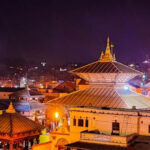
- Walking into Kathmandu Durbar Square: temples, palaces, and nighttime details
- Gaddhi Baithak is the one building to hunt for
- Shops, benches, and the 1960s vibe you can still spot
- The special shrine element
- The guides: what makes the small-group format work
- Price and value: what you’re really paying for
- When your evening might change: festivals and overlap
- Who should book this sunset rickshaw tour?
- FAQ
- What time does the tour start, and where do we meet?
- How long is the Kathmandu sunset rickshaw tour?
- What’s included in the tour price?
- Is food included?
- How large is the group?
- What if I need to cancel?
- Bottom line: should you book this tour?
Key things I’d circle before you go
- Rickshaw views, not just rickshaw transport: you sit higher and see shopfronts and crowd flow as you pass.
- Asan market area with temple moments: you stop near Annapurna Temple and pass other important local shrines.
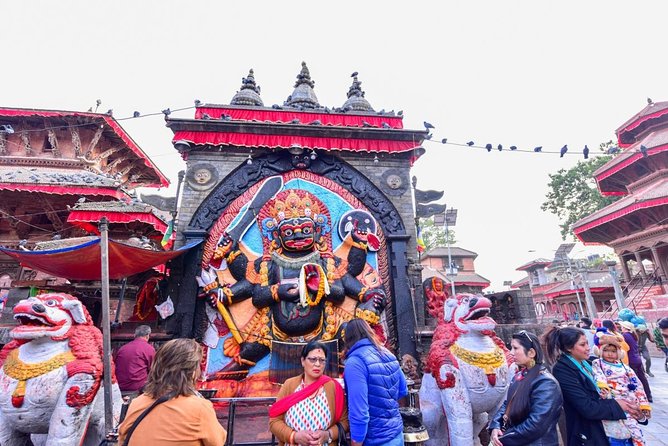
- Durbar Square after sunset energy: you get time on foot inside a UNESCO-listed complex.
- Gaddhi Baithak + Rana-era detail: a very specific building to look for as the guide points it out.
- Small group max of 12: easier questions, easier pacing, and less traffic-juggling stress.
- Carbon-neutral, B Corp approach: a feel-good layer to an otherwise very practical evening outing.
Why the 6:00 pm start feels right for Durbar Square
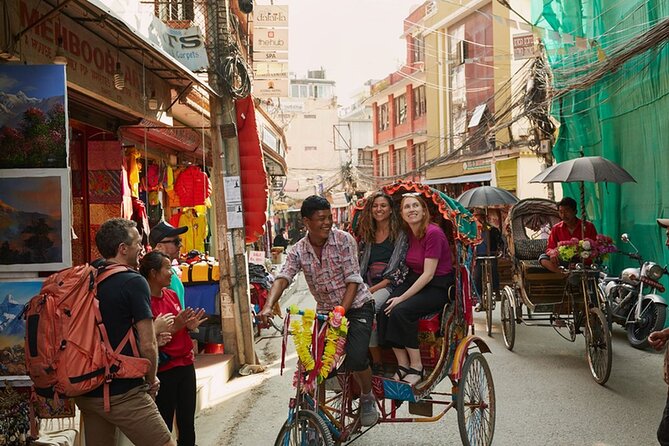
Start time is 6:00 pm, based at Hotel Marshyangdi in central Kathmandu. That timing matters more than you’d think. Mid-afternoon Kathmandu can feel loud and hot; late evening can feel busy and dark. This sweet spot gives you enough daylight for temple shapes and carvings to register, and enough nightfall for the streets to wake up with food stalls, chatter, and the glow of street activity.
You’ll ride with a guide and driver, and the group stays small (up to 12 people). That’s a real advantage in a place where lanes are tight and crowds form fast. You’re not trying to squeeze a big group through shoulder-to-shoulder movement; you’re moving at a human pace.
You can also read our reviews of more evening experiences in Kathmandu
Thamel to Asan: where your night ride picks up speed
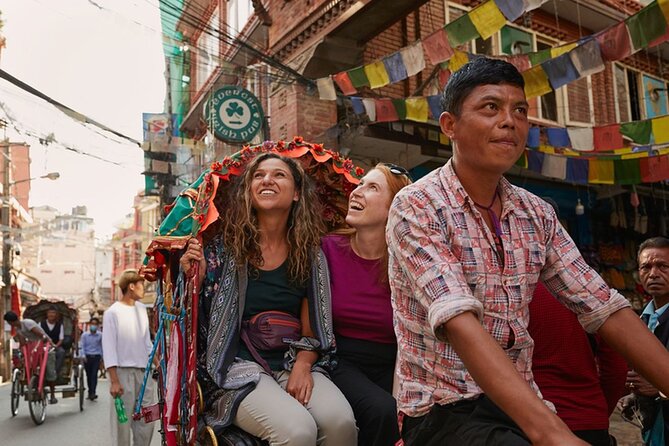
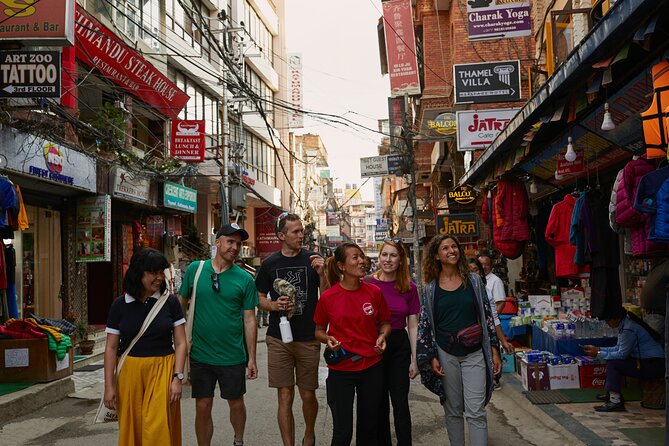
Your tour begins in Thamel, Kathmandu’s best-known tourist center—hotels, shops, restaurants, and people flowing in every direction. It’s a convenient meeting area, and it also works as a mental warm-up. You’ll hop onto your personal rickshaw setup right away and get your first look at how the city handles evening movement.
Then you head toward Asan, one of the oldest markets in the city, known especially for spices and vegetables. This isn’t a showroom stop. Expect a strong mix of colors, smells, and everyday commerce—herbs and spices, shop counters, shoppers bargaining, and pedestrians weaving around. If you like travel that feels lived-in rather than staged, this part delivers.
The temple stops you actually get
Asan isn’t only market stalls. You’ll stand near Annapurna Temple, which is associated with abundance (the guide explains the link between food and fulfillment). You’ll also hear about and pass several religious sites and deities worshiped by both Hindus and Buddhists, including Seto Machindranath (Janabaha Dyo) and Aakash Bhairab, tied to a first king in Nepal Bhasa traditions (the guide names the story as you go).
Practical note: you’ll spend time looking around here while your driver navigates narrow streets. If you’re the type who wants photos at every turn, give yourself permission to pause—watch first, then shoot. Evening light is forgiving, but crowd movement is not.
Riding a Kathmandu rickshaw at night: what to expect
This tour is built around a core experience: letting the rickshaw do the heavy work while you absorb what’s around you. Your seat is elevated, so you’re not just peering at feet and shop floors. You’ll see street traffic flow, pedestrians crossing, horns sounding, and motorbikes slipping into gaps—all of it from a slightly higher vantage.
That sounds simple, but it changes how you feel in the city. Instead of fighting your way through lanes, you get a guided line through them. It also helps if you’re traveling solo or you don’t want to spend your first evening figuring out navigation.
A quick reality check
Kathmandu streets can be uneven. You’ll be riding through narrow lanes and busy intersections where things happen fast. I’m not saying it’s scary—it’s just intense in a way you can feel in your shoulders. Keep a steady grip when the lane tightens, and don’t overthink it. A good driver chooses the least complicated path.
Walking into Kathmandu Durbar Square: temples, palaces, and nighttime details
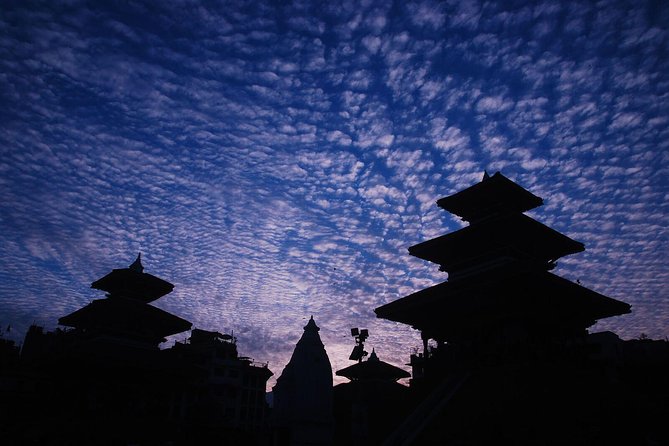
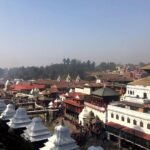
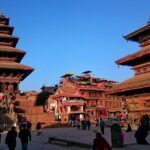
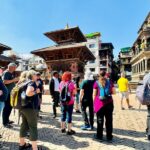
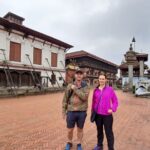
After the ride, you’ll get off and explore Kathmandu Durbar Square on foot. This is the main payoff: a UNESCO World Heritage site packed with temples and shrines. The area contains more than 50 religious structures within a few blocks, built roughly between the 12th and 18th centuries—a concentrated cluster you can’t really replicate with quick photo stops.
Your guide explains what you’re looking at before you move through the spaces. That’s key. Durbar Square can feel like a maze of carvings and courtytyards, and the difference between confused and impressed is usually one good explanation.
Gaddhi Baithak is the one building to hunt for
One standout detail your guide points out is Gaddhi Baithak, a white, European-influenced building connected to the Rana regime. It’s not just a facade to walk past. It’s associated with ceremonial programs from its balcony, and the tour uses it as a way to connect politics, architecture, and religious space.
If you only remember one object from Durbar Square, make it this one. It’s visually distinct, and it gives the site a human timeline beyond stone age-of-anything.
Shops, benches, and the 1960s vibe you can still spot
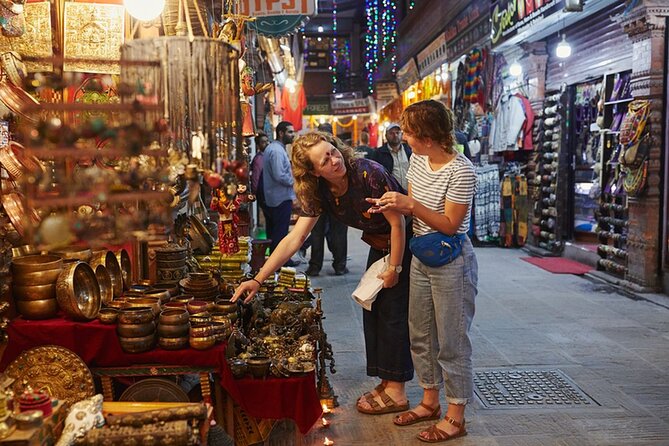
Durbar Square doesn’t shut down after sunset. You’ll find food stalls and shops operating in the evening. There’s also a section known as Freak Street, where the tour encourages you to look around and even imagine the hippie heyday of the 1960s as you browse storefronts.
This is where the experience becomes more than sight-seeing. If you take a seat on a bench for a few minutes, you’ll start to see patterns: who gathers where, how people move between temple courtyards and snack spots, and how local worship blends into everyday life.
If you want a quick break, you may be able to get chai from a local vendor nearby. Food isn’t included, but it’s an easy add if you want to keep your evening smooth.
The special shrine element
The tour includes a Buddhist Sigal Shrine visit as part of the on-foot exploration. Your guide weaves this into the broader temple complex, so it’s not just a random stop. It helps you understand that the area serves more than one religious tradition and how those traditions appear in the architecture around you.
The guides: what makes the small-group format work
This tour runs with small groups capped at 12. That matters because the route isn’t a wide boulevard where everyone follows at once. You’re moving through dense lanes and then into a complex of courtyards.
In past outings, guides like Nikita have been praised for being able to explain what you’re seeing while also keeping the group moving calmly through uneven, busy streets. Another guide, Sanjeeb, has been noted for a warm, welcoming style and for leading with clear knowledge and genuine affection for the country.
You don’t need a perfect memory if the guide is good. You need someone who turns a place from confusing into understandable, and who helps you know where to look next.
Price and value: what you’re really paying for
The price is $50.30 per person, and the tour lasts about 2 hours 30 minutes. You’re paying for three big chunks of value:
- Rickshaw hire for a guided route through central Kathmandu
- A guide who explains what you’re seeing at Asan and Durbar Square
- Durbar Square entrance fee included
That’s why it can feel reasonable compared with a DIY evening. Kathmandu’s central attractions aren’t far, but getting there and getting the context on the ground is where time gets spent. This tour bundles the transport + ticket + explanation into one timed evening plan.
What’s not included: food and drinks. That’s normal for this kind of tour, and it’s actually useful because it lets you choose what you’re comfortable eating. Still, budget a little extra for chai or a snack so you don’t end up searching while everyone else has moved on.
Also worth noting: the operator states the tour is carbon neutral and run by a B Corp certified company committed to using travel as a force for good. That doesn’t change the street sounds, but it does add a layer of ethics if that matters to you.
When your evening might change: festivals and overlap
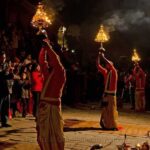
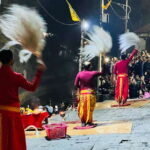
One review mentioned a festival happening that evening—drums, chanting, and people dancing. If your date lines up with local celebrations, expect more crowding and more noise. The upside is energy. The practical move is patience and flexibility: plan for slower movement and bring water if you run warm.
Another helpful warning: if you’re also doing a general Kathmandu city tour on the same trip, you may see some overlap in central areas. That doesn’t make this tour pointless. This one adds the rickshaw angle and the evening pace, plus that guided walk through Durbar Square. But it’s smart to avoid scheduling three near-identical evenings back-to-back.
Who should book this sunset rickshaw tour?
Book it if you want:
- A first proper intro to central Kathmandu without spending hours figuring out routes
- A night plan that mixes ride time and walk time
- Temple-and-market context, not only photo stops
- A small-group experience where your guide can answer questions
Skip it (or adjust expectations) if:
- You hate anything faintly crowded and loud, even for a short time
- You need bright, easy-to-photograph lighting all night (some areas can look dim after dark)
- You’re only seeking a quick checklist of famous sights and nothing more
FAQ
What time does the tour start, and where do we meet?
The tour starts at 6:00 pm. You meet at Hotel Marshyangdi, Chaksibari Marg, Kathmandu 44600, Nepal.
How long is the Kathmandu sunset rickshaw tour?
It runs for about 2 hours 30 minutes.
What’s included in the tour price?
You get a guided rickshaw ride (rickshaw hire included), a guide, time at Kathmandu Durbar Square with the entrance fee included, and a Buddhist Sigal Shrine visit. You’ll also wander through the temple and shrine areas on foot.
Is food included?
No. Food and drinks are not included.
How large is the group?
The tour is limited to a maximum of 12 travelers.
What if I need to cancel?
You can cancel for free up to 24 hours in advance for a full refund.
Bottom line: should you book this tour?
Yes—if you want a practical, high-value evening plan that mixes local markets, temples, and Durbar Square without making you work for transportation or context. The combination of rickshaw views plus guided walking is the winning formula here, and the included Durbar Square entrance makes it feel like a complete package rather than an add-on. Just go in ready for uneven lanes and night lighting, and you’ll come away with a strong sense of how central Kathmandu feels after the day heat fades.