REVIEW · POKHARA
Ghorepani – Poon Hill Trek 3N-4D
Book on Viator →Operated by Sisne Rover Trekking · Bookable on Viator
Stair climbs start fast in Nepal. This private Ghorepani–Poon Hill trek gives you teahouse nights instead of camping, plus the big payoff of sunrise views from Poon Hill. I also like how the trip is organized end-to-end with pickup from Pokhara, a government-licensed English-speaking guide, and your meals handled. One consideration: the first day can feel like a stair workout (with dusty road time before the scenery really settles in).
You’ll trek for about four days through the Annapurna foothills at a moderate level of fitness, and it’s set up so you don’t have to chase logistics. You’ll also come away with a souvenir t-shirt (Hike More, Worry Less) and a completion certificate, which is a nice touch after the big sunrise push.
In This Review
- Key Things I’d Bank On
- Entering the Trek: Pokhara to Nayapul, then the long day to Ulleri
- Ulleri Hill and teahouse life: comfort without camping gear
- What teahouse nights usually mean on this route
- Ghorepani Village: where you sleep before the sunrise sprint
- The real Ghorepani checklist
- The 3,210m Poon Hill sunrise climb: steep, early, and worth your effort
- What to expect on the climb
- Your best strategy
- Tadapani descent through rhododendron forest: where the trek slows down and feels atmospheric
- Why the descent is mentally different
- Guides, permits, and the stuff you do not want to handle yourself
- Why that’s real value
- Guide style you might notice
- Price and logistics: is $321.34 good value for a private 4-day trek?
- So what does this mean for you?
- Pace, fitness, and packing basics that match this route
- What I’d bring for comfort
- Weather reality: planning for clouds without ruining the trip
- Who this trek suits best, and who should rethink it
- Should you book the Ghorepani–Poon Hill trek?
- FAQ
- How long is the Ghorepani to Poon Hill trek?
- Is camping required for this trek?
- What meals are included?
- What is the altitude of Poon Hill viewpoint?
- Do I get an English-speaking guide and trekking permits?
- Is transportation included from Pokhara?
- What happens if poor weather stops the trek?
Key Things I’d Bank On
- Teahouse accommodation each night so you can travel light and sleep warm-ish in mountain style
- Pickup and return from Pokhara keeps the trek from turning into a transportation scavenger hunt
- Early sunrise climb to Poon Hill (3,210m) is the signature moment, even if clouds steal the view
- Rhododendron forest descent from Tadapani adds a darker, cooler feel plus waterfalls along the way
- Permits and paperwork handled with ACAP and TIMS, guided by an English-speaking government-licensed trek leader
- Small-group/private feel means you can move at your pace without negotiating your day around strangers
Entering the Trek: Pokhara to Nayapul, then the long day to Ulleri
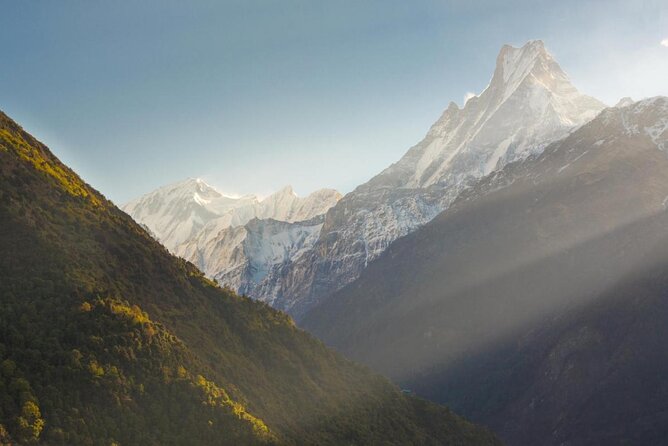
Most Poon Hill trips start the same way: you leave Pokhara, drive to Nayapul, and then transition onto trails that steadily replace roads. Here, your day begins with about an hour drive to Nayapul, then you pass through sub-tropical valley forests and cross the Bhurungdi Khola by bridge.
After that, you’re into the classic building-block section: Tikhedhunga, then the climb toward Ulleri Hill. This is where you’ll want to mentally prepare for step-heavy hiking. One of the most specific things to know before you go is that Day 1 can finish with a lot of stairs—some groups report around 3,500+ steps on Ulleri. If you’re not used to stair rhythm, it helps to treat it like interval training: slow uphill breathing beats sprinting that ruins your legs.
A practical note: the first part can feel more dusty and road-like than cinematic. The payoff comes as you gain altitude and the trail starts to look more like a mountain trek than a walk through a valley town.
You can also read our reviews of more hiking tours in Pokhara
Ulleri Hill and teahouse life: comfort without camping gear
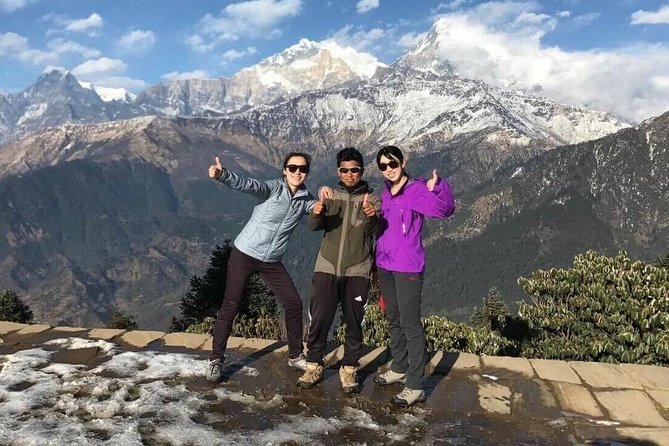
This trek is designed as a teahouse experience, which means you’re not carrying a tent, stakes, or sleeping systems. Instead, you sleep each night in a comfortable teahouse room. That changes the whole vibe of Poon Hill. You’re hiking for views and company, not for gear hauling.
What teahouse nights usually mean on this route
You can expect:
- Simple rooms you can rest in after dinner
- Meals included throughout the trek (breakfast, lunch, and dinner per the itinerary)
- The guide coordinating the schedule so you’re not constantly asking where to sleep next
Even with no camping, the mountains still demand respect. You’ll be walking on rugged Himalayan paths, and night temperatures can drop quickly once you’re higher in the Annapurna foothills. The upside is that you’re not stuck in cold gear decisions. You just show up, hike, eat, and sleep.
If you’re a first-time trekker, this setup tends to feel welcoming because the day-to-day decisions are reduced. The biggest work is the walking, and the biggest uncertainty is weather.
Ghorepani Village: where you sleep before the sunrise sprint
On Day 2, you’ll ascend to Ghorepani. This village is more than a point on a map—it’s a working hub with small shops and stalls for local products and crafts. It’s split across areas on the hillside (so you’ll feel like you’re stepping into more than one mini-community rather than a single flat town).
Why this matters: Ghorepani is where you reset your energy for the sunrise push. You’ll have time to settle, drink something warm, and understand how the next morning will likely feel. If you’re traveling in colder months or during cloudier weeks, Ghorepani is also where you’ll notice how fast conditions can change once people start moving early.
The real Ghorepani checklist
Before you sleep, think through:
- Getting your layers ready so the sunrise climb isn’t a rummage-fest
- Keeping water planning simple (you’ll handle this personally with your own supplies—bottles and boiled water aren’t listed as included)
- Charging devices if you need to, since personal power needs aren’t included
This isn’t glamorous travel. It’s mountain routine. And that routine is exactly why Poon Hill works for many people: the climb is big, but the planning is manageable.


The 3,210m Poon Hill sunrise climb: steep, early, and worth your effort
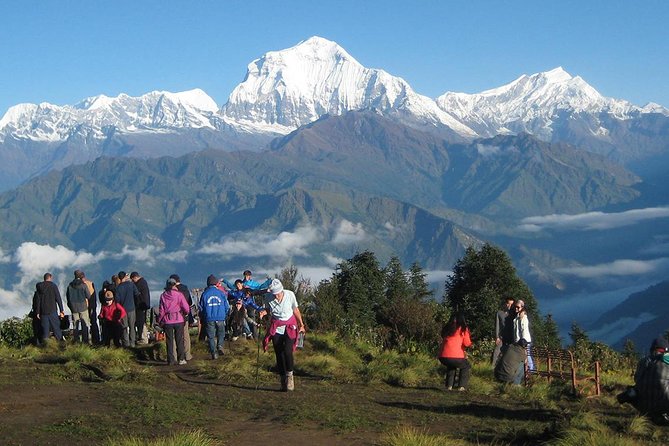
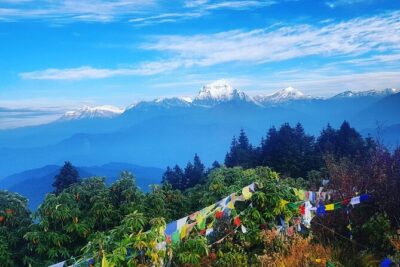
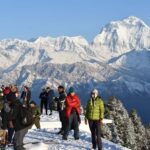
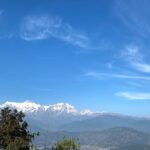
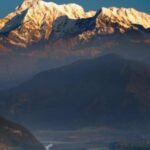
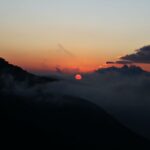
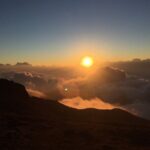
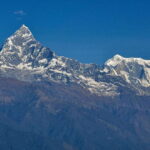
Day 3 is the centerpiece. You’ll wake up early and climb a steep trail to Poon Hill viewpoint at 3,210m. The goal is sunrise over the Annapurna mountain range, and this viewpoint is one of the most popular in the region for a reason.
What to expect on the climb
Even when you know it’s steep, it can still surprise you. The trail goes up quickly, so plan on slow steps and steady breathing. This isn’t about speed. It’s about timing and posture.
Also, manage your expectations. Sunrise viewing depends on weather. Clouds and rain can happen, and when they do, you still get a mountain morning experience—it just might not deliver sharp peaks at first light. In some past groups, the mountains were partly or mostly hidden due to cloudy and rainy conditions, yet the trekking day still felt like a meaningful adventure. Think of Poon Hill as a high-stakes moment, not a guaranteed postcard.
Your best strategy
- Start with a calm pace from the bottom.
- Let the guide set the rhythm, especially if you have any knee or breathing concerns.
- Bring what keeps you warm for early starts, since you’ll be higher and moving in colder air.
When the sky cooperates, the payoff is big: you get wide Himalayan views, and on clearer days the horizon can reach impressively far.
Tadapani descent through rhododendron forest: where the trek slows down and feels atmospheric
Day 4 shifts your focus from climbing to descending. From Tadapani, you make a steep descent through a dense, dark forest of old rhododendron trees. This is the kind of forest section that feels cooler and quieter than the earlier village stretches, with a tunnel-like trail feel at times.
The overview also highlights waterfalls along the route, which matters because it breaks up the monotony of just walking downhill. Water noise can be a huge comfort on steep sections—it anchors your sense of place.
Why the descent is mentally different
Even when you’re happy to go downhill, steep descents can be tough on quads and knees. The guide becomes important here: good pacing keeps your knees safe and keeps your feet from sliding on uneven ground.
This is also the day where you’ll move from mountain pace back toward the road-to-Pokhara logistics. The tour includes transportation back to your Pokhara hotel or guesthouse, so the end of the trek isn’t another full-day slog.
Guides, permits, and the stuff you do not want to handle yourself
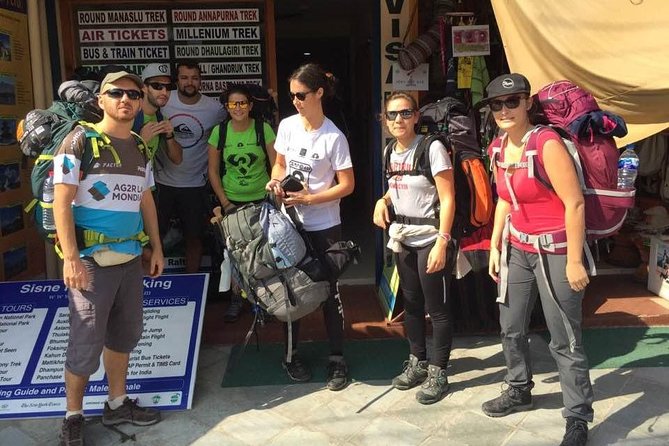
This trek includes an experienced English-speaking trekking guide who is government-licensed, plus the permits needed for the region: ACAP and TIMS.
Why that’s real value
On routes like these, permits and paperwork are not the part you want to guess at. When a licensed guide handles it, you reduce hassle and remove a layer of uncertainty.
You also get a medical kit carried by your guide. That doesn’t mean you should take risks. It means help is organized, not improvised.
Guide style you might notice
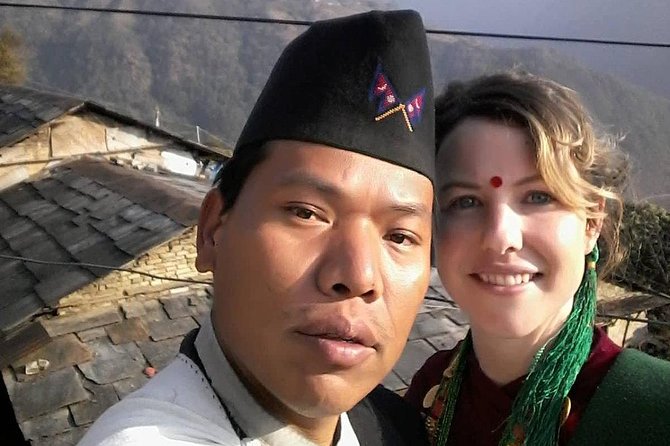
Past groups on this trek have highlighted guides like Diwan, Anil (Pai), and Milan, with notes about friendly, patient support—especially for slower pacing. That’s not a small detail. On Poon Hill treks, pace is everything: it decides whether the stair sections feel manageable or miserable.
If you’re someone who needs to go slower—due to stamina, altitude sensitivity, or just preference—the private format and attentive guide style can make the day feel like it’s built around you, not against you.
Price and logistics: is $321.34 good value for a private 4-day trek?
Let’s talk money like a human. This trek is priced at $321.34 per person and is booked about 22 days in advance on average. That price includes a lot of the things that usually cost extra in Nepal treks if you plan badly.
Here’s what you’re paying for, in plain terms:
- Private trek structure (your group only)
- Pickup and return from Pokhara (not just a starting point)
- Teahouse accommodation during the trek
- Three-meal setup across the itinerary (the included details list breakfast, lunch, and dinners)
- An English-speaking government-licensed guide
- Permits (ACAP and TIMS) and required paperwork
- A completion certificate and a souvenir t-shirt
Not included: your Nepal visa fee, travel/medical insurance, personal expenses (like laundry, charging, and water handling), and tips for guide/porter/driver.
So what does this mean for you?
If you’re the type who wants a turnkey trek—where meals happen on schedule, beds are arranged, and permits are not a scavenger hunt—this price can feel fair. If you already know how to handle guides, permits, and teahouse scheduling yourself, you might shop cheaper.
But for most people, $321.34 is buying the kind of calm that lets you focus on hiking and sunrise.
Pace, fitness, and packing basics that match this route
The experience is listed for moderate physical fitness. That’s a good fit if you can handle:
- A steep, stair-heavy first day
- An early morning uphill climb to 3,210m
- A steep descent through forest on the final day
What I’d bring for comfort
Even though teahouses reduce gear pressure, you still want to be comfortable on uneven trails and cold mornings:
- Layers for early sunrise hours
- Comfortable hiking shoes with grip for rocky steps
- A water plan for daytime needs (not included as a blanket item)
- A light rain layer, because weather can turn the trek into wet work
The most important packing is the stuff that prevents you from getting cold or distracted. When you’re tired, comfort failures snowball fast.
Weather reality: planning for clouds without ruining the trip
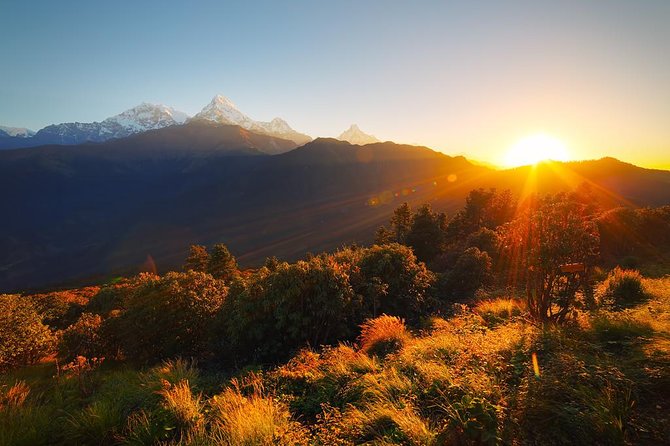
Poon Hill is famous for sunrise. But Nepal mountains can be fickle. Some past trekkers experienced cloudy or rainy conditions that reduced mountain visibility.
Here’s the honest travel lesson: you can treat sunrise as a bonus, not the only reason to go. Even on a day with weaker views, you’ll still get:
- The steady rhythm of mountain trekking
- Teahouse nights and included meals
- Forest walking through rhododendron sections
- A memorable early-morning challenge that feels like a real achievement
If you’re the kind of traveler who needs perfect views to feel satisfied, you may get frustrated. If you’re happy hiking in changing weather, you’ll likely still enjoy this one.
Who this trek suits best, and who should rethink it
This is a strong match for:
- First-time trekkers who want structure and teahouse comfort
- People who don’t want to manage permits and day-by-day lodging
- Travelers who enjoy sunrise culture and mountain mornings
It may be less ideal if:
- You have knee issues that struggle with steep stair descents and uphill steps
- You’re expecting a mostly flat walk—this route includes steep sections on multiple days
- You need guaranteed peak visibility regardless of weather (sunrise views depend on conditions)
Still, the guide component and private setup can make a big difference for pacing and comfort, especially if you communicate what you need.
Should you book the Ghorepani–Poon Hill trek?
If you want a classic Annapurna foothills trek with a simple setup—teahouses, meals, guide, permits, and transfers—this itinerary makes sense. The best reasons to book are practical: it reduces planning stress while delivering the signature Poon Hill sunrise experience and a memorable rhododendron forest descent.
I’d book it if:
- You’re okay with stairs and steep hiking for a few days
- You like structured days that end at a planned teahouse
- You value a licensed guide and handled permits
I’d skip or adjust expectations if:
- You’re injury-prone on downhill sections
- You can’t handle cold mornings or weather swings
In the end, Ghorepani–Poon Hill is a short trek with a big emotional payoff—because you’re earning the early start, not buying it. If you go in ready for the climb, it’s the kind of mountain experience that sticks.
FAQ
How long is the Ghorepani to Poon Hill trek?
It runs for about 4 days (3–4 nights depending on the exact itinerary flow), starting from Pokhara and returning back to your Pokhara hotel or guesthouse.
Is camping required for this trek?
No. You do not need tents. You stay in teahouses each night during the trek.
What meals are included?
Meals included are breakfasts (3), lunches (4), and dinners (3), served during the trek.
What is the altitude of Poon Hill viewpoint?
The Poon Hill viewpoint is at 3,210 meters.
Do I get an English-speaking guide and trekking permits?
Yes. The trek includes an experienced, English-speaking, government-licensed trekking guide, and the permits/paperwork are included (ACAP and TIMS).
Is transportation included from Pokhara?
Yes. Transportation is included, including the drive to Nayapul to start trekking and return to your Pokhara hotel or guesthouse at the end.
What happens if poor weather stops the trek?
The experience requires good weather. If it’s canceled due to poor weather, you’ll be offered a different date or a full refund.