REVIEW · KATHMANDU
Kathmandu: Mt Everest Scenic Flight by plane (window seat)
Book on GetYourGuide →Operated by Kathmandu City Tours · Bookable on GetYourGuide
Some mornings in Kathmandu come with a front-row seat to the Himalayas. This Everest scenic flight is the fast, low-effort way to see Mount Everest and a chain of major peaks—without trekking or long stays in cold mountain villages. It’s built around clear-air timing, a small aircraft, and the kind of views that make your camera feel underdressed.
What I especially like is the guaranteed window seat for each passenger, which matters when the whole point is seeing the mountain line tick by outside your glass. Second, the experience feels thoughtfully handled from start to finish, including hotel pickup options in Thamel and a simple rhythm at Tribhuvan International Airport with an English-speaking host/greeter from Kathmandu City Tours.
The main thing to consider is motion and cold: if you’re uneasy with heights or sensitive to flying, this won’t feel relaxing. And since flights run early and can be affected by weather, you’ll want warm layers ready.
In This Review
- Key things to know before you go
- Kathmandu pickup and the easy airport rhythm
- The 6:00–8:30 AM window (and why it matters)
- Boarding a small plane for Everest’s big entrance
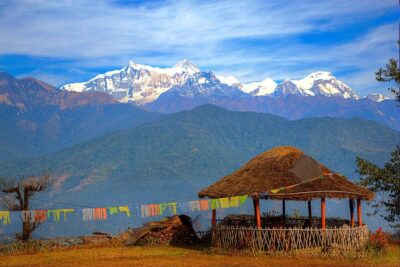
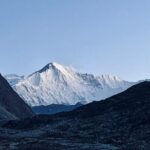
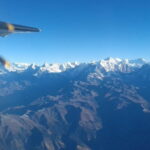
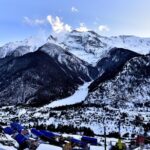
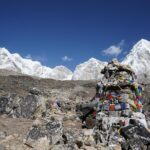
- What you’ll actually see: Everest (Sagarmatha) and the peak chain
- Which side should you sit on?
- The Everest viewing window: sunrise timing without the trekking
- Photo tips that work on a mountain plane
- Cockpit peek option and the flight certificate souvenir
- Return transfer back to Thamel
- Who should book this Everest scenic flight (and who shouldn’t)
- Price and value: why $295 can make sense here
- Should you book this Kathmandu to Everest scenic flight?
- My quick decision rule
- FAQ
- How long is the Kathmandu Everest scenic flight experience?
- How long is the flight time in the air?
- What does the price include?
- Where are the pickup and drop-off locations?
- What time do flights usually depart?
- Which side of the plane is best for views?
- What should I bring for the flight?
- Is there free cancellation?
Key things to know before you go
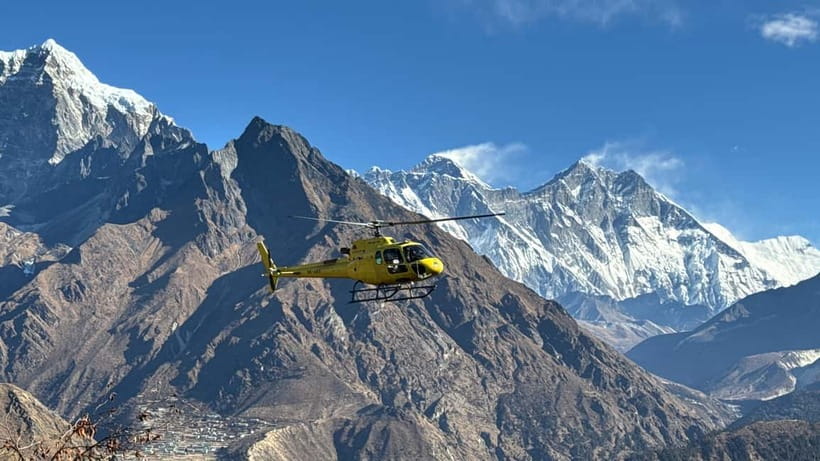
- Guaranteed window seat: you’re not guessing whether you’ll get a view.
- Early flight timing: departures typically fall between 6:00 AM and 8:30 AM.
- Best side for views: sitting on the left side of the plane is the usual recommendation.
- A short flight, a long wow: the air time is about 50–60 minutes, folded into a total 3-hour experience.
- Souvenir built in: you receive a flight certificate, plus there’s an opportunity to visit the cockpit.
Kathmandu pickup and the easy airport rhythm
This starts the way good Nepal tours should: you get picked up from Thamel Narsing chowk or Thamel Marg. That’s handy because Thamel is where most first-time visitors end up, and it keeps you from wrestling with extra transport before you even board the plane.
From there, it’s a straightforward transfer to Tribhuvan International Airport, with a typical around 15-minute pass-by time. The flight itself is the headline, so what you’re really checking for here is a calm handoff: getting you to the right place, in time, without turning your morning into a scavenger hunt.
One small practical note: bring a camera and dress for cold. Even if Kathmandu feels mild in the morning, you’ll be higher and closer to real winter air during takeoff and climb.
You can also read our reviews of more tours and experiences in Kathmandu.
The 6:00–8:30 AM window (and why it matters)
You’ll want to treat this as a morning mission, not a casual late start. Flights operate every morning, but only weather permitting, and the typical departure window is 6:00 AM to 8:30 AM.
Why so early? Clear visibility and better light for photography. You’re chasing the look of snow-capped peaks against a bright sky, and that usually means you’re up before the city fully wakes. If you’re doing this on a tight itinerary, that early timing is exactly what makes it valuable—you get a world-class view without spending days trekking.
Best travel timing is September to May, so plan around that if you can.
Boarding a small plane for Everest’s big entrance
Once you’re at the airport, you’ll board a small aircraft operated by airlines such as Buddha Air, Yeti Airlines, or Shree Airlines (the operator can vary). Expect an atmosphere that feels less like a huge terminal and more like a direct hop into the sky.
Each passenger is guaranteed a window seat, which is a big deal on mountain flights. On a normal flight, views can be random. Here, the design is “you came for the peaks, so you get the glass.”
You’ll take off and head over the eastern Himalayas on a journey of about 50–60 minutes in the air. That’s short enough to keep it comfortable and easy on your schedule, but long enough to see multiple landmarks rather than only one peak.
What you’ll actually see: Everest (Sagarmatha) and the peak chain
Here’s the heart of the experience: you fly past a lineup of enormous mountains, and the names help you identify what you’re looking at.
During the flight, you can expect views including:
- Mount Everest (Sagarmatha)
- Lhotse
- Makalu
- Gauri Shankar
- Langtang Lirung
- Cho Oyu
- and more snow-capped giants
Most airlines also provide a map of the Himalayas, which helps you follow along instead of just staring at white lines that blur together. If you’re the type who likes labels (I am), this makes the flight feel more like sightseeing than just scenery.
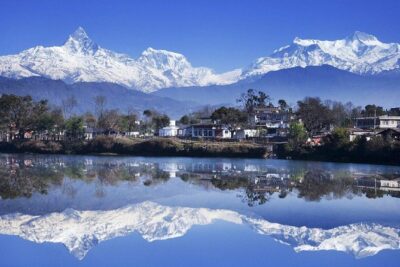
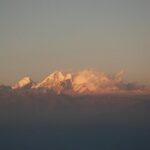
And yes, you’re likely to catch the mountain look at its best when skies are clear. Golden light on snow can turn the whole range into a postcard. Your best photos often happen during takeoff and early climb, before cloud cover builds or haze reduces contrast.
Which side should you sit on?
You’ll get the best chance at prime views by choosing the left side of the plane. If seat selection is possible on your flight, aim for left. If it’s not, don’t panic—the flight is still meant to deliver views—but this is the smart default.

The Everest viewing window: sunrise timing without the trekking
The experience is structured around the kind of timing that gives you that sunrise-and-snow look. You won’t be trekking or traveling to altitude camps. Instead, the tour focuses on the viewing period when the light and angles tend to be most dramatic.
That’s where this flight becomes such a strong “value for time” option. If you only have a few days in Nepal, you can still see the world’s most famous peak in a way that feels real—not via a distant photo from far away.
It also suits people who want the mountains but can’t do the physical or logistical commitment of trekking. You’re trading days on the trail for a morning in the air.
Photo tips that work on a mountain plane
You’ll come away with images, but only if you’re ready for the quirks of photographing through aircraft windows.
A few practical tricks:
- Wear something warm and secure your camera strap. When you’re freezing, you’ll handle your gear more clumsily.
- Shoot short bursts. Peaks move fast from window to window, and the best moments can last only seconds.
- Use the plane’s provided Himalaya map as a guide, so you’re framing the right peak while it’s in view.
- If your flight timing lines up with clear morning skies, aim for the brighter light moments when snow looks crisp and high-contrast.
Also, keep your expectations grounded: you’re working in a moving aircraft, and windows are not photography studios. Still, the views are the point, and the scenery is bold enough that even imperfect conditions usually deliver a wow photo.
Cockpit peek option and the flight certificate souvenir
This experience doesn’t just stop at the view.
There’s an included opportunity to visit the cockpit. On some flights, you might be able to do it, and when that happens it’s a rare chance to see how the flight runs up close. Even if you don’t go in, you’ll still get the sense that this is organized and handled by a team that knows the routine.
Then there’s the flight certificate. It’s a small paper keepsake, but it matters emotionally. It turns a once-in-a-lifetime moment into something you can hold onto after you’re back in Kathmandu, planning your next stop or uploading your mountain photos with a permanent grin.
Return transfer back to Thamel
After the flight, you head back to the airport and then get a convenient transfer back to your hotel area, with drop-off at Thamel Narsing chowk or Thamel Marg.
This is one of the reasons I like this format: you don’t have to solve transportation after the sky part is over. You finish with enough time to continue your day in Kathmandu—whether that means a slow breakfast, a museum, or just staring out a coffee shop window like you’re still watching the Himalayas go by.
Who should book this Everest scenic flight (and who shouldn’t)
This flight is a great fit if:
- You want to see Mount Everest and major Himalayas peaks without trekking
- You have limited time in Nepal and want a high-impact experience
- You care about photography and want the advantage of a guaranteed window seat
- You prefer early morning “one big thing” plans over long itineraries
It may not be your best choice if:
- You’re afraid of heights. Even though it’s a short flight, you’re still airborne and close to open views over mountainous terrain.
- You’re expecting a relaxed all-day outing. This is a compact morning experience, and the whole schedule is built around that.
Also, the rules are simple: no alcohol or drugs. For safety and comfort, stick to the basics.
Price and value: why $295 can make sense here
At $295 per person, it’s not a budget activity. But the price is doing something specific: buying you access to an Everest view day without the cost in time, gear, and logistics that comes with trekking.
For many people, this becomes the “smart spend” option when:
- you’re short on days,
- you want a guaranteed viewing setup (window seat for each passenger),
- and you’d otherwise have to travel far or commit to a demanding plan.
You also get more than just the flight: hotel pickup and transfer, a flight certificate, an English host/greeter, and an opportunity for cockpit access. When you add up all those pieces, the cost starts to look less like a random splurge and more like a packaged way to buy a rare view.
Should you book this Kathmandu to Everest scenic flight?
If you want the Everest “direct view” experience and you don’t have the days (or desire) to trek, I think this is an excellent choice. The guaranteed window seat, early-clear timing, and the peak map setup make it feel purpose-built rather than accidental sightseeing.
If heights make you nervous, skip it. And if you’re sensitive to cold, pack warm layers like you mean it.
My quick decision rule
Book it if you’re chasing mountains over hassles. Don’t book it if flying makes you uncomfortable. For everyone else, this is one of the cleanest ways to see Everest from Kathmandu without turning your vacation into a logistics project.
FAQ
How long is the Kathmandu Everest scenic flight experience?
The total experience runs about 3 hours, including pickup, airport time, the flight, and the return transfer.
How long is the flight time in the air?
The scenic flight itself is about 50–60 minutes.
What does the price include?
It includes the scenic flight over the Himalayas, guaranteed window seat, an opportunity to visit the cockpit, a flight certificate, and airport pickup and drop-off.
Where are the pickup and drop-off locations?
Pickup and drop-off are available at Thamel Narsing chowk and Thamel Marg.
What time do flights usually depart?
Flights typically depart between 6:00 AM and 8:30 AM.
Which side of the plane is best for views?
Sitting on the left side of the plane is recommended for best views.
What should I bring for the flight?
Bring warm clothing, a camera, and your passport (a copy is accepted).
Is there free cancellation?
Yes. You can cancel up to 24 hours in advance for a full refund.