REVIEW · THIMPHU
4 Day Bhutan at Glance
Book on Viator →Operated by OMSHA Travel - Travel Guide to Bhutan · Bookable on Viator
Four days, and Bhutan hits fast. This tight loop links Thimphu, Punakha, and Paro with temple visits, local crafts, and one big spiritual hike.
I love how the day-to-day rhythm mixes everyday Bhutanese devotion (like the Memorial Chorten) with hands-on culture stops (like traditional paper making). I also like the practical setup: airport pickup/drop at Paro, bottled water in the car, and meals plus entrance fees built in.
The only catch: some stops are quick hit walks (often 30–50 minutes), so if you want extra time at any one monastery, or more time for sightseeing beyond the main highlights, you may feel slightly rushed.
In This Review
- Key highlights worth planning around
- Thimphu, Punakha, Paro in 4 days: the geography behind the highlights
- Day 1 in Thimphu: Chorten worship, takin viewing, and weekend farmers market
- From Buddha Point to Tashichho Dzong: how the Thimphu spiritual stops fit
- Day 2 to Punakha: Dochula Pass views and the river-and-dzong setting
- Day 3 for Tiger’s Nest: Rinpung Dzong, hot stone bath, and Namgay brewery
- Day 4 in Paro: airport bird’s-eye point and a smooth departure
- What’s included in the $750 rate, and what you still need to budget
- How the guided pacing feels: short stops vs the big hike
- Good to know before you go: weather, walking, and the Everest question
- Should you book this Bhutan at a glance tour?
- FAQ
- What is included in the $750 per person price?
- What fees are not included in the tour price?
- Where does the tour start and end?
- Is airport pickup and drop-off included?
- Is this tour private?
- How does cancellation work?
- How much walking should I expect on this 4-day trip?
Key highlights worth planning around
- Licensed guide, real explanations: multiple guides have been praised by name, including Sonam, Namgay, Ngawang Loday, and Tashi Tenzin, with thoughtful pacing and support
- Tiger’s Nest is the main event: Paro Taktsang takes about 6 hours on the schedule, so plan your energy for that day
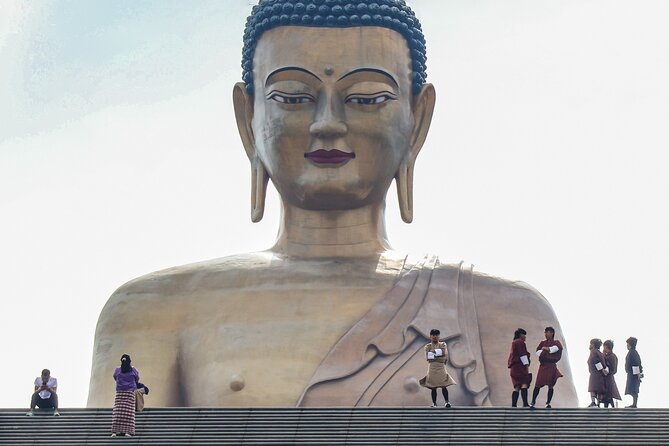
- Thimphu’s blend of nature and devotion: takin at Motithang, then worship stops like Tashichho Dzong and Buddha Dordenma
- Punakha’s scenery has a built-in story: the dzong sits between the Pho Chu (Male River) and Mo Chu (Female River)
- Short, efficient sightseeing: you’ll see a lot in 4 days, but some time is intentionally brief at each stop
- Included food lowers the hassle: breakfast, lunch, and dinner are part of the package, plus water in the car
Thimphu, Punakha, Paro in 4 days: the geography behind the highlights
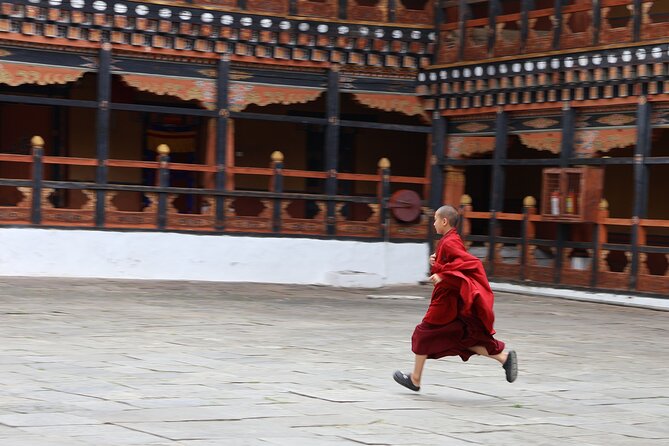
This tour is built for people who want Bhutan in a short window. You’ll move through three key areas: Thimphu (the capital), Punakha (old power center and famous dzong scenery), and Paro (home to Tiger’s Nest and other iconic sites). That geography matters because each place feels different: Thimphu leans cultural and everyday religious life, Punakha is about rivers and fortress temples, and Paro is where Bhutan’s cliffside spirituality steals the show.
The pacing is also a clue about what this experience is best at. You’ll get a taste of many highlights, but the time per stop is limited. That works well for first-timers who want a solid overview without turning the trip into a full-time job.
You can also read our reviews of more tours and experiences in Thimphu.
Day 1 in Thimphu: Chorten worship, takin viewing, and weekend farmers market
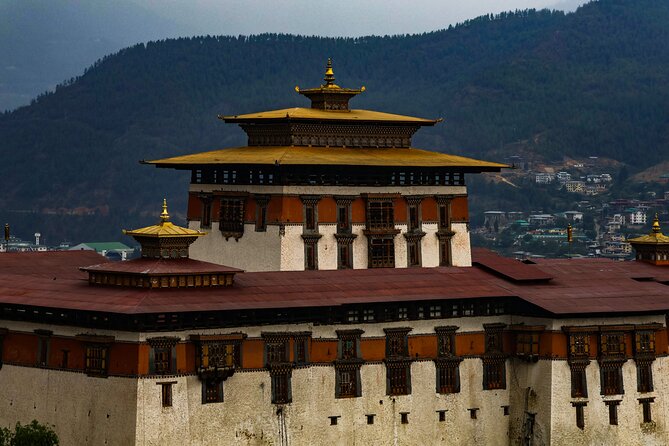
Day 1 is a classic Thimphu starter loop: a little scenery, then religion, then nature, then crafts, then a taste of local daily life.
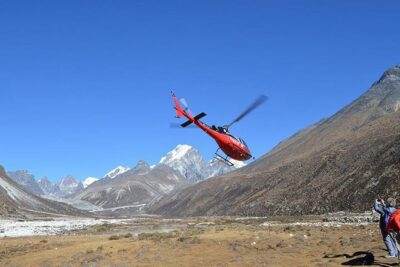
Tachogang Lhakhang Bridge starts things off with a quick scenic stop, and the travel day framing includes a flight segment toward Paro. When weather allows, the route can offer views that go as high as Mt. Everest, plus other Himalayan ranges. The key thing to know is that visibility depends on conditions, so don’t build a promise in your mind that you’ll see Everest on cue.
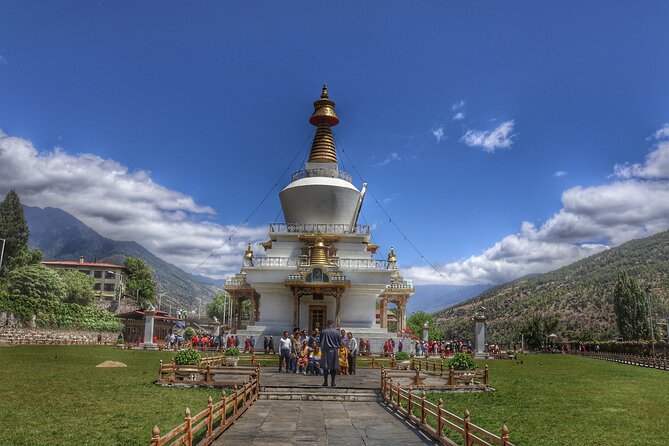
Next comes Thimphu Chorten (Memorial Chorten), a centerpiece for everyday worship. Unlike some sites that feel purely tourist-focused, this chorten is described as a daily place of worship. That gives you a more authentic feel, especially if you arrive with the mindset to observe rather than just photograph.
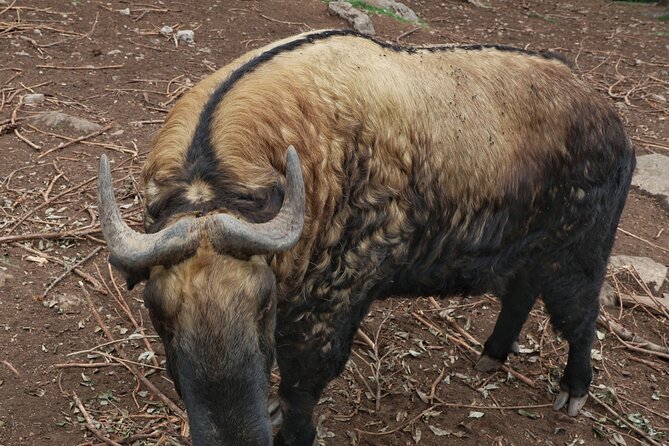
From there, you shift to something fun and very Bhutan: Motithang Takin Preserve (often called the mini zoo). It’s a small preserve for takin, Bhutan’s national animal. If you enjoy animals that are tied to a place’s identity, this stop makes Bhutan feel personal fast.
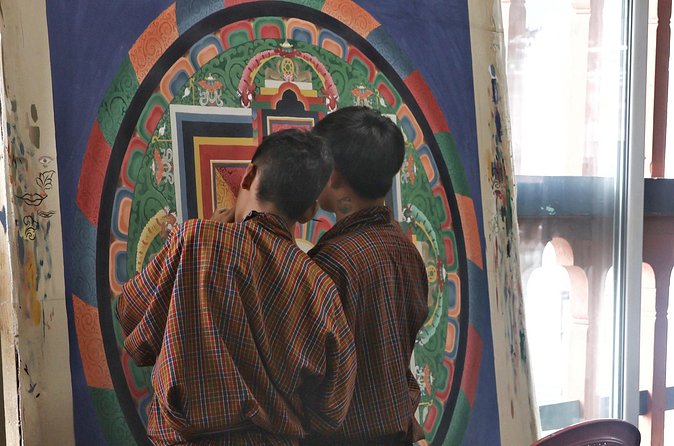
Then comes a hands-on cultural craft: Jungshi Handmade Paper Factory. This is the kind of stop that’s easy to skip on paper, but it’s worth it because you get a demonstration of traditional paper making using an older method rather than modern shortcuts. If you like seeing process over product, this one clicks.
After that, you can catch the Centenary Farmers Market (it runs every weekend in Thimphu). It’s a hub for local farmers, artisans, and vendors, and even with limited time, it’s a good way to understand how people feed and supply their capital.
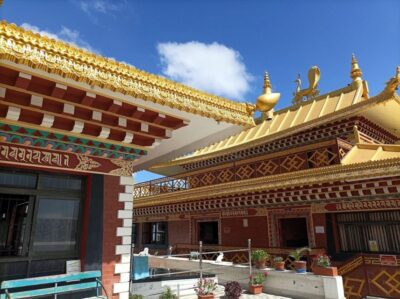
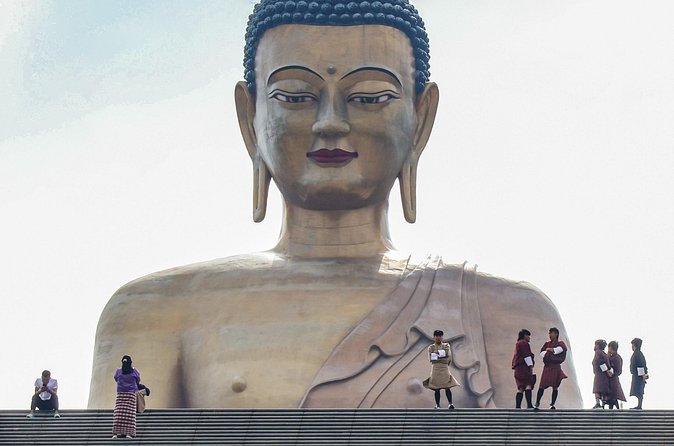
Finally, you get a strong spiritual finale in Thimphu: Tashichho Dzong Buddhist Monastery and Buddha Dordenma. The dzong has deep historical roots in the area, and Buddha Dordenma is a massive Buddha statue of Shakyamuni. On a first Thimphu day, this combo works: you go from worship in a chorten to powerful Bhutanese spiritual symbols in the city.
From Buddha Point to Tashichho Dzong: how the Thimphu spiritual stops fit
If Day 1 feels packed, it’s because Thimphu’s religious sites are meant to be layered. You’re not just stacking monuments—you’re seeing how Buddhism shows up in daily routines and major civic spaces.
Tashichho Dzong is one of the big ones in the capital, and the tour frames it with background on the dzong’s origins and later history. Even if you only have about 50 minutes here, you’ll likely notice the site’s role as a living religious center rather than a museum piece.
Buddha Dordenma adds a different feeling: it’s monumental, designed to be seen from afar, and it gives you a breather from smaller courtyard-level details. It’s the kind of stop that helps you reset mentally, especially after the market and paper-making demo.
Practical tip: plan for photo time, but don’t treat the religious sites like a checklist. The best value comes when you slow down for a minute or two and watch how people move through the spaces—what’s casual, what’s ritual, what’s practiced daily.
Day 2 to Punakha: Dochula Pass views and the river-and-dzong setting
Day 2 shifts the scenery and the scale. It starts with Dochula Pass, located around 3,100 meters (10,200 feet). The pass is described as free to enter on this schedule, and it’s timed like a viewpoint moment—about 50 minutes—so you can take in the wider mountain context. The elevation means weather can change quickly, and you may get better views when the air is clearer.
Then you head into the heart of Punakha: Punakha Dzong. This fortress-monastery sits between the Pho Chu (Male River) and Mo Chu (Female River), and that location gives it a built-in sense of story. If you like places where geography helps explain meaning, Punakha delivers.
You also cross Punakha Suspension Bridge, described as the longest suspension bridge across the dzong. It’s a short stop, but it’s the kind of bridge walk that turns from simple transit into a mini experience because you get views tied to the dzong complex and the river setting.
The day finishes with a walk to Chimi Lhakhang Temple, a 15th-century fertility temple. The tour describes it as a temple of fertility blessed by Lam Drukpa Kuenley, often nicknamed the Divine Madman for his eccentric behavior. You’ll do farm-house walking to reach it, and the stop is listed at about two hours. That makes it the most unhurried part of the day, especially compared with some of the shorter city-style stops.
One consideration: the temple walk is longer than some other segments. Even when something is listed as a single stop, it can still involve steady walking. Comfortable shoes matter.
Day 3 for Tiger’s Nest: Rinpung Dzong, hot stone bath, and Namgay brewery
Day 3 is the dramatic center of this Bhutan trip, and you should plan for it like you would plan for a major hike day. Paro Taktsang (Tiger’s Nest) is listed for about 6 hours, and it’s described as a wooden monastery structure perched on a cliff. The story shared with visitors includes Guru Rinpoche arriving on the back of a tigress and establishing the monastery there. Even if you don’t memorize every legend detail, the cliffside setting carries the meaning on its own.
This is also the day when your energy budgeting matters most. If you’re coming from a previous day packed with sites, pace yourself early and keep your focus on steady steps rather than speed. You’ll thank yourself later when you reach the monastery area.
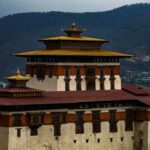
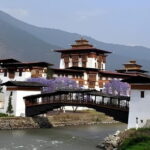
After that, you shift to a more classic fortress vibe with Rinpung Dzong in Paro Valley (about 40 minutes). It’s one of Bhutan’s iconic fortresses, and the tour notes its translation as Fortress of the Heap of Jewels. That short stop is a useful contrast to the cliffside feel of Taktsang—it’s more valley and structure, less vertical drama.
Next is a genuinely relaxing cultural reset: Tshering Farmhouse Hot Stone Bath. You’ll visit Bhutanese homes for this experience, listed around 50 minutes. The tour presents it as a way to relax and wind down after a long day of sightseeing, and it also notes it’s believed to have benefits (the specifics aren’t spelled out in the details you have, so just think of it as traditional recovery, not a spa guarantee).
Then you get an unexpected but very practical add-on for people who like downtime with local flavor: Namgay Artisanal Brewery. It’s listed at about 50 minutes, and the tour frames it around Bhutanese brews. Even if you don’t drink alcohol, this can be a good break because it changes the day’s rhythm from walking and looking to learning and tasting.
Finally, you end Day 3 with Paro town (about 1 hour). The goal here is simple: stroll downtown, check out shops and handicrafts, and pause for coffee or tea. It’s also where your trip starts to feel like you’re living in Bhutan for a day rather than just visiting monuments.
Day 4 in Paro: airport bird’s-eye point and a smooth departure
Day 4 is intentionally light. It starts with Paro Airport Bird’s Eye View Point before you head out.
That bird’s-eye viewpoint is about 20 minutes and works like a last-chance check of what you’ve just experienced. It’s short, but it helps you stitch together the trip visually—mountain walls, river valleys, and the way Paro sits in its bowl.
Then you drive to Paro airport for departure. The tour ends back at the meeting point, so you’re not left trying to coordinate transport at the last moment.
What’s included in the $750 rate, and what you still need to budget
Let’s talk value the way you’ll actually feel it in your wallet.
The headline price is $750 per person, and included items are strong for a 4-day Bhutan plan: 3-star accommodation, a licensed Bhutanese tour guide for your stay, all transport (airport pickup/drop and sightseeing), bottled water in the car, and entrance fees for monuments and museums. Meals are also included: breakfast (3), lunch (3), and dinner (3).
But Bhutan travel has mandatory add-ons, and the tour data clearly lists them:
- Sustainable Development Fee (SDF): $300 per person
- Visa fee: $40 per person
- Flight cost is not included
So your realistic planning budget is more than the sticker price. Still, the “included” part covers a lot of what usually expands in cost on short trips—car service, guide time, entrances, and most meals. If you hate doing arithmetic mid-planning, this package structure helps.
How the guided pacing feels: short stops vs the big hike
This tour is a classic “see a lot without getting lost” structure. Many stops are around 30 minutes: bridge/photo moments, city chorten time, takin viewing, and so on. That’s not automatically bad. It often means you’ll move efficiently while a guide handles routing, timing, and on-the-ground context.
Where the pacing changes is on Paro Taktsang, which is dramatically longer. That’s the trade-off for a short trip: you get a deep, memorable day of hiking and a handful of other highlights that are more like well-paced previews.
The guides and drivers seem to be a standout part of the experience in feedback tied to this operator. Names that show up include Sonam, Namgay, Ngawang Loday, and driver names like Tashi and Ugyen Wangchuk. Even without overpromising details, the pattern is clear: people felt well looked after and supported with explanation and comfort.
One more value point: the tour notes it’s private for your group. In practice, that matters because Bhutan sightseeing depends on schedules and local flow. A private setup can make the day feel less rushed than a big bus experience.
Good to know before you go: weather, walking, and the Everest question
A few practical things can affect how satisfying this trip feels.
Weather controls visibility. You might get scenic mountain views on flight routing and at Dochula Pass, and the chance of seeing Mt. Everest is explicitly mentioned as weather-dependent. Build your excitement around the possibility, not the guarantee.
Walking is part of the deal, especially on Day 2 (Chimi Lhakhang Temple walk across farmhouses) and Day 3 (Taktsang, around 6 hours). You don’t need to be a mountain athlete, but you should come ready for steps and sustained movement.
Dress for cool mountain conditions and variable air, and bring layers. Even if you’re not given a full packing list, the elevation at Dochula Pass (3,100 meters) is a strong reason to expect temperature swings.
Should you book this Bhutan at a glance tour?
Book it if you want a high-signal first taste of Bhutan in 4 days: Thimphu culture and crafts, Punakha’s river-and-dzong scenery, and the big spiritual hike at Tiger’s Nest. The package value is also strong because key costs are handled up front—guide, transport, entrances, and most meals.
Skip it or consider a longer stay if you’re the type who needs lots of time at each major site. This plan intentionally limits many stops to short windows, and the trade-off is that you’re sampling more than you’re lingering.
If you’re deciding between “a busy sampler” and “slow travel,” this one is the first option. Just make sure you reserve your energy for Day 3, and you’ll leave Bhutan with memories that feel bigger than the number of days on the calendar.
FAQ
What is included in the $750 per person price?
The price includes 3-star accommodation, a licensed Bhutanese tour guide for the extent of your stay, all transport for transfer and sightseeing with pickup/drop at Paro Airport, bottled water in the car, entrance fees (monument and museum fees), and meals: breakfast (3), lunch (3), and dinner (3).
What fees are not included in the tour price?
You’ll need to budget for the flight cost, the Sustainable Development Fee (SDF) of $300 per person, the visa fee of $40 per person, and personal expenses such as laundry and tips.
Where does the tour start and end?
The tour starts at Paro International Airport on Airport Road, Paro 12001, Bhutan, and it ends back at the same meeting point.
Is airport pickup and drop-off included?
Yes. The tour includes pickup and drop-off at Paro Airport.
Is this tour private?
Yes. It’s listed as a private tour/activity, meaning only your group participates.
How does cancellation work?
Free cancellation is offered. You can cancel up to 24 hours in advance for a full refund. If you cancel less than 24 hours before the experience’s start time, the amount paid is not refunded.
How much walking should I expect on this 4-day trip?
Most travelers can participate, but expect walking at multiple sites. The schedule includes a long day at Paro Taktsang (about 6 hours) and a temple visit with a walk across farmhouses to reach Chimi Lhakhang (about 2 hours).