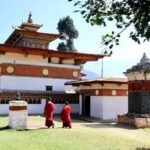
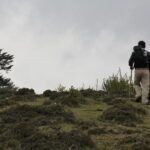
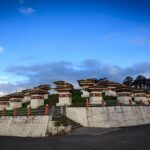
Your camera will work harder than you. This photo tour strings together Thimphu, Punakha, and Wangdue valleys with built-in chances to shoot iconic sites like Punakha Dzong and the 108 stupas of Dochula Pass. I especially like how the day mixes big-picture mountain views with up-close temple and fortress photography, and I also like the practical flow: air-conditioned transfers, plus lunch and coffee or tea so you’re not running on fumes. One possible drawback: the itinerary time is spread across multiple stops, and the best views depend on weather.
This is also a smart pick if you want your photos to look more intentional than random snapshots. A good guide matters in Bhutan, and this one has a track record of clear English and careful, efficient driving—names like Karma and Dawa show up in people’s stories about how smooth the day felt. If you’re bringing a serious camera (or even just a phone you treat like one), you’ll appreciate the structured rhythm: arrive, shoot, walk a bit, shoot some more, then move on.
Because it’s private, you won’t be herded with strangers. You’ll have your own group time, and the pickup option makes the start less stressful in Thimphu.
In This Review
- Key highlights to plan around
- Thimphu to Punakha: why this photo route feels efficient
- Getting started in Thimphu: pickup, mobile ticket, and a workable timeline
- Punakha Dzong: the 1-hour fortress stop that photographs like a dream
- Chimi Lhakhang: quick 30-minute Temple of Divine Mad Men photos
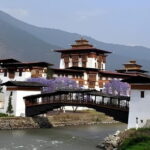
- Punakha Suspension Bridge: the free walk for long-span perspective
- Sangchhen Dorji Lhuendrup nunnery: a 1-hour prayer moment (and how to handle it)
- Dochula Pass: the 108-stupa view that steals the show
- Food and drink breaks: built-in recovery for better shots
- Price and value: is $400 worth it?
- What kind of traveler should book this?
- Should you book this Thimphu and Dochula Pass photography tour?
- FAQ
- What time does the tour start?
- How long is the tour?
- Is pickup included?
- Is this a private tour?
- What’s included in the price?
- Are drinks included besides coffee or tea?
- Is the nunnery admission included?
- What happens if weather is poor?
Key highlights to plan around
- Dochula Pass’s 108 stupas for dramatic, wide views and strong composition opportunities
- Punakha Dzong photo time (1 hour) at one of Bhutan’s best-known fortress landmarks
- Chimi Lhakhang quick stop (30 minutes) focused on the Temple of Divine Mad Man
- Punakha Suspension Bridge (free) for motion shots on the longest iron suspension bridge in Punakha
- A chance to sit with nuns at Sangchhen Dorji Lhuendrup nunnery (1 hour), when prayers are happening
- Lunch, coffee/tea, and bottled water included so you can keep shooting without hunting for snacks
Thimphu to Punakha: why this photo route feels efficient
Bhutan distances can surprise you. The clever part of this tour is that it doesn’t waste the driving time. You’re moving between valleys (Thimphu first, then warmer Punakha and Wangdue areas) while building in picture stops that match the scenery.
I like that the day is designed around change: temple facades and fortress angles in Punakha, a bridge walk for perspective, and then the big “wow” factor from Dochula Pass. That mix is exactly what makes a photo series look like a story instead of a grab bag.
Another quiet win is comfort. Transfers are air-conditioned, and the tour includes bottled water plus lunch and coffee or tea. That matters because Bhutan is cooler in the morning and changes as the day goes on. If you’re warm, hydrated, and not fighting hunger, you’ll shoot better and with more patience.
You can also read our reviews of more tours and experiences in Thimphu.
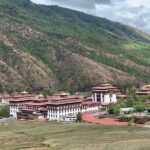
Getting started in Thimphu: pickup, mobile ticket, and a workable timeline
The tour starts at 9:00 am, which is a great time for Bhutan photography. You get daylight before things get hazy, and you’re less likely to feel rushed at the major photo stops later.
You can also expect pickup offered, which is one of those details that sounds small until you’re trying to navigate a new city with camera gear. The tour uses a mobile ticket, so you don’t have to worry about printing anything.
Duration is listed as 4 to 9 hours depending on how the day flows. That’s a wide range, so think of this as flexible: if the weather is good and the driver can keep momentum, you may feel like the tour is quicker. If there’s fog or mist (common around passes), you might spend more time waiting for views.
And since it’s private, your group pace matters. If you like to linger for dusk-like light, you can ask for time. If you’re more of a “quick hit, clean frames” photographer, you’ll likely appreciate a guide who keeps the day moving.
Punakha Dzong: the 1-hour fortress stop that photographs like a dream
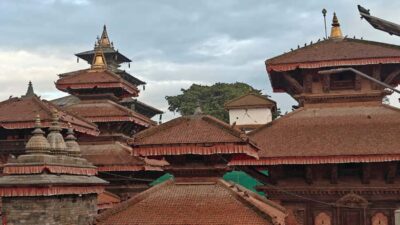
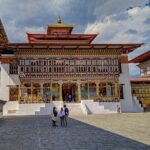
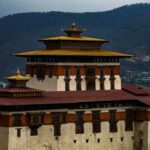
Punakha Dzong is one of those places where the architecture does half the work. You get fortress-style walls, temple-like forms, and a dramatic setting that naturally gives you layered compositions—foreground, midground, and that “Bhutan mountain frame” effect people travel for.
You’ll have about 1 hour here, and the admission ticket is included. That hour is important. Ten minutes is not enough for real photography. A full hour lets you:
- Try a few angles without feeling trapped
- Step back for wider fortress shots
- Move to a better position as light shifts
The only practical drawback with Dzong photography is crowds at peak times, if they happen. A private tour helps, but if you arrive when others are also there, you may need to work around people in the background. The best fix is simple: wait for a gap, change your angle slightly, or focus on details like doors, roof lines, and stone textures rather than only wide shots.
Chimi Lhakhang: quick 30-minute Temple of Divine Mad Men photos
Next up is Chimi Lhakhang, known as the Temple of Divine Mad Man. You get about 30 minutes, and the admission ticket is included.
This is a shorter stop, so I treat it like a focused “grab what you came for” moment. The value here is variety. If your earlier frames were fortress-and-valley wide shots, this one gives you a different texture: sacred space, temple details, and Bhutan’s distinct spiritual visual language.
Practical tip: keep your camera ready but don’t rush. A temple visit is also a moment to slow down, even if you’re shooting. If you’re using a tripod or larger gear, keep it compact and be mindful of where you stand so you’re not blocking pathways.
Punakha Suspension Bridge: the free walk for long-span perspective
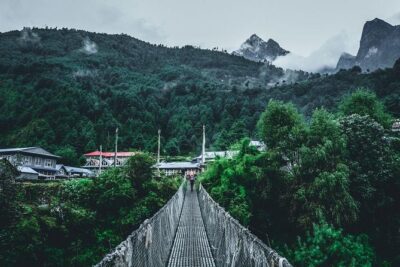
Then it’s Punakha Suspension Bridge, with 30 minutes and admission noted as free. It’s described as the longest iron suspension bridge in Punakha, and that detail matters for photos.
A bridge is built for perspective shots. You can frame the span leading lines toward the far side, and you can also shoot motion—people walking, wind moving clothing, or even a slower shutter effect if you’re set up for it.
The main consideration is movement and footing. Bridges can feel bouncy, and you don’t want camera straps pulling at awkward angles while you’re walking. Keep your steps steady, keep your gear controlled, and focus on what the bridge is doing visually: lines, distance, and the way the valley setting wraps around it.
And yes, a bridge walk is also a nice reset. It breaks up the heavier temple time with something more outdoors and less rigid, which is great if you’re traveling with friends who might not want to spend hours looking at buildings.
Sangchhen Dorji Lhuendrup nunnery: a 1-hour prayer moment (and how to handle it)
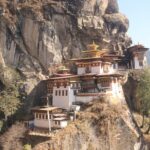
One of the most moving parts of the day is Sangchhen Dorji Lhuendrup nunnery. You’ll spend about 1 hour here, and the admission ticket is not included.
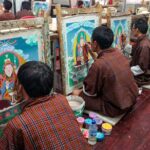
This stop is not just for photos. The tour notes that you can interact with the nuns and sit in with them during their morning and evening prayers. That’s a very different vibe than most sightseeing stops. If you want cultural access with context, this is where you’ll feel it most.
How to make it work for photography:
- Expect the mood to be quieter, with less posed time
- Think in terms of respectful framing rather than dramatic close-ups
- Be ready to keep your camera down when you’re watching and listening
If you love human moments in your photo work, this nunnery stop can add emotional weight to the whole set. Just remember: the best photos come after you’ve adjusted to the space and given it the right level of attention.
Dochula Pass: the 108-stupa view that steals the show
Dochula Pass is the day’s big scenery payoff. You’ll be clicking away at high, lofty mountain views from there, and one standout detail is 108 stupas—a strong, graphic pattern you can use for both wide landscapes and more minimal compositions.
A pass like this is all about timing and weather. If the sky is clear, you’ll get those dramatic panoramic mountain views that make you stop mid-sentence and just look. If clouds roll in, you may still get atmosphere, but it won’t hit the same way.
Here’s what I’d plan for with a camera:
- Shoot wide first, before you get “stupa tunnel vision”
- Then zoom out enough to include the stupas as foreground geometry
- Be ready to change your position as visibility shifts
Also, the pass area is described as having biodiversity and a monastery element, which hints that it’s not only about one view. If you have time, wander a little. You’ll often find a different angle that turns a similar scene into a fresh photo.
One last practical point: this is a pass, so bring layers and plan for cooler air, especially if you’re out after the morning start.
Food and drink breaks: built-in recovery for better shots
This tour includes lunch, coffee and/or tea, and bottled water. That’s more valuable than it sounds, because it protects your pace and your mood.
Photography days go sideways when you’re hungry and impatient. Here, you’re fed, and you get a warm drink break. That helps you stay focused when you’re waiting for good light at a stop or dealing with changing mountain conditions.
If you’re traveling with someone who doesn’t want to spend the entire day in camera mode, food and drink breaks make the group easier to manage. Everyone gets a reset, and you can come back to shooting feeling refreshed.
Price and value: is $400 worth it?
The listed price is $400, and that number needs to be judged against what’s included. In this case, you do get meaningful value built in:
- Lunch plus coffee/tea and bottled water
- Air-conditioned transfers
- Admission tickets included for Punakha Dzong and Chimi Lhakhang
- The suspension bridge stop is free
- You’re also paying for a private format, which typically means less time wasted and more flexibility for your photo pace
That said, there’s an important real-world note: at least one traveler found the actual price differed from what was initially shown, and they were asked to pay the remaining amount via a follow-up link. I’d recommend you double-check the final total you’ll pay at booking, not just the first number you see.
Also remember what’s not included: alcoholic beverages and all fees and taxes. Some smaller extras can show up at the margins, depending on the day.
So is it worth $400? If you want a private guide to place you at the right spots for photography, cover multiple major stops, and include meals, it can feel like a fair deal. If you’re the type who likes to self-drive and already knows Bhutan routes well, you might spend less on your own transport—but you’d lose the time-saving guidance and photo-oriented stop planning.
What kind of traveler should book this?
This tour fits best if you:
- Want photos of Thimphu and Punakha/Wangdue valleys without figuring out logistics on your own
- Like temple and fortress architecture, plus at least one outdoors walk (the bridge)
- Appreciate guides who communicate clearly and drive carefully, so you can focus on shooting
It’s also a strong fit for first-time Bhutan visitors who want a representative mix of Bhutan’s spiritual sites and major scenic viewpoints in a single day.
If you’re traveling with a family or mixed interests, the structure helps. Temples and bridges give you different “camera challenges,” and lunch plus coffee/tea keeps the day friendly.
One more angle from past experiences: guide names like Karma (with strong English) and drivers like Dawa have been praised for making people comfortable and helping the day feel smooth. That kind of care is not just nice. It can decide whether your photos feel rushed or calm.
Should you book this Thimphu and Dochula Pass photography tour?
I’d book if you want a day that’s built for photos, not just sightseeing. The combination of Punakha Dzong, Chimi Lhakhang, the Punakha Suspension Bridge, and then Dochula Pass with 108 stupas is exactly the kind of lineup that makes a coherent photo set.
I’d hesitate only if you’re extremely weather-dependent in your expectations. The tour notes it needs good weather, and passes can be moody. If you have flexibility in your dates, you’re in a better position to get the views.
If your priority is comfort and guidance—someone to handle timing, transfers, and the flow—this private format at this price can make sense. You’ll spend your energy composing instead of coordinating.
FAQ
What time does the tour start?
The tour starts at 9:00 am.
How long is the tour?
It runs approximately 4 to 9 hours.
Is pickup included?
Pickup is offered.
Is this a private tour?
Yes. It’s a private tour/activity, so only your group participates.
What’s included in the price?
Lunch, coffee and/or tea, and bottled water are included. Admission tickets are included for Punakha Dzong and Chimi Lhakhang, while the suspension bridge is free.
Are drinks included besides coffee or tea?
Alcoholic beverages are not included.
Is the nunnery admission included?
No. The Sangchhen Dorji Lhuendrup nunnery admission ticket is not included.
What happens if weather is poor?
The experience requires good weather. If it’s canceled due to poor weather, you’ll be offered a different date or a full refund.
If you want, tell me your travel dates and whether you’re shooting mostly smartphone or a camera with a tripod—then I can suggest what to pack and what kind of shot plan to aim for at each stop.