REVIEW · THIMPHU
Bhutan: 5 Day All Inclusive Bhutan Tour
Book on GetYourGuide →Operated by Maebar Travel · Bookable on GetYourGuide
A place with so many temples feels like a different planet. This 5-day all-inclusive Bhutan tour connects the big sacred sights—Thimphu, Punakha, Paro, and Tiger’s Nest—into a schedule that feels manageable and well-paced. I especially like that all meals are included so you’re not hunting for food between stops, and I also like that you travel with a live English guide plus a driver so questions never pile up.
One thing to weigh: the day at Tiger’s Nest (Taktsang) includes a steep hike that takes about 4–5 hours round trip, so your fitness and comfort with heights matter. Add in Bhutan’s temple dress rules (no shorts or sleeveless tops), and plan to pack for a mix of walking and sacred-site etiquette.
In This Review
- Key points you’ll care about
- What you really get for $1,670 in Bhutan
- Day 1: Paro arrival to Thimphu acclimatization with royal culture and giant Buddha
- Day 2: Dochula views, Punakha Dzong, and a fertility temple that feels human
- Day 3: Paro’s museums, ancient lhakhangs, and Bhutan’s national sport energy
- Day 4: Taktsang Tiger’s Nest, hillside lunch views, and a village home farewell
- Day 5: Departure from Paro with no last-minute scramble
- How to pack and prep so you don’t fight the trip
- Who this Bhutan tour suits best
- Should you book this Bhutan 5-day all-inclusive tour?
- FAQ
- Where is the tour starting point?
- How long is the Bhutan tour?
- What’s included in the all-inclusive price?
- What is not included?
- Is there an English-speaking guide?
- Is the group private?
- Is it wheelchair accessible?
- What is the most physically demanding day?
- Are there any clothing rules for temples?
- Can I cancel and get a full refund?
Key points you’ll care about
- All meals included for five days, plus tea, coffee, snacks, and mineral water
- Private group with an English guide and driver so you can ask questions and move at a human pace
- Do-chu pass and valley switching: high viewpoints in the morning, lower Punakha temperatures at night
- Tiger’s Nest is the star: steep, long, scenic, and optional ponies are mentioned
- Real temple variety across Thimphu, Punakha, and Paro, from old lhakhangs to major dzongs
- Flexibility shows up in the experience based on guide comments and the way alternatives get offered when plans shift
What you really get for $1,670 in Bhutan
At $1,670 per person for five days, the headline is simple: you’re buying a lot that usually costs extra—hotel nights, all meals, transport, entrance fees, and a guide—not just sightseeing. You also get visa-related fees and SDF handled, which is a small detail that can otherwise turn into a big headache.
This is the kind of tour that works best when you want your brain to stay on vacation. You’ll still walk, climb, and follow temple etiquette, but you’re not coordinating buses, tickets, or meal plans between towns. The trade-off is that you’re on a fixed route, so you get fewer chances to wander off script for hours.
If you love first-timer Bhutan energy—big icons, major dzongs, and a real mix of nature and sacred culture—this route makes sense. If you hate group schedules, you might feel the tight timing on the days packed with stops.
You can also read our reviews of more tours and experiences in Thimphu.
Day 1: Paro arrival to Thimphu acclimatization with royal culture and giant Buddha
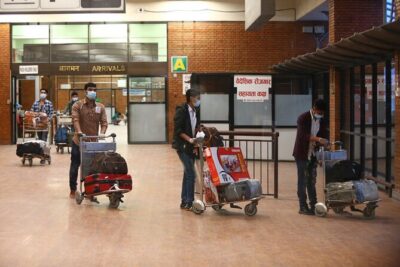
You land at Paro International Airport, then get driven about an hour into Thimphu (around 60 km). This first day is built for settling in. Thimphu sits at roughly 2,320 meters, so it’s a smart move that you’re not throwing yourself into a huge hike right away.
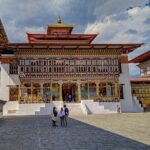
In Thimphu, I like how the sights cover different parts of Bhutan fast: animals, religion, everyday life, and monarchy. You start at Mothithang Takin Preserve, where takin are Bhutan’s national animal. From there, the Buddha Dordenma statue gives you scale in a way pictures can’t—this huge seated Buddha is described as the biggest sitting Buddha in the world.
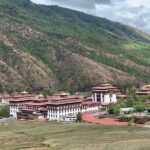
Then it gets more local. The General Post Office lets you make personalized postage stamps using your own photos, which is a fun souvenir you can actually use later. You’ll also see a memorial chorten tied to the memory of Bhutan’s third king, and the Tashichhoe Dzong, which is the main secretariat building and the king’s office.
The day wraps with a walking tour around Thimphu, so you’re not stuck staring at scenery from a bus window. Overnight is in Thimphu, which is convenient because you’re sleeping where you already spent the day.
Practical note: temple rules show up early. You’ll want to dress so you can enter temples and monasteries comfortably, since shorts and sleeveless shirts aren’t allowed.
Day 2: Dochula views, Punakha Dzong, and a fertility temple that feels human
Day 2 runs from Thimphu down toward Punakha and Wangdue (about 78 km, roughly 2.5 hours). This is the part of the itinerary that gives your body a break after the higher elevation start. Punakha is listed at about 1,240 meters, so nights should feel easier than Thimphu.
First stop is Dochula Pass at 3,150 meters—the point where the views are the whole payoff. The plan is to enjoy the eastern Himalayan mountain range if the weather is clear, and it’s worth knowing that clear skies matter here. When visibility is good, it’s the kind of moment where everyone goes quiet.
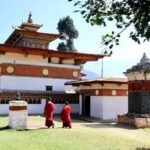
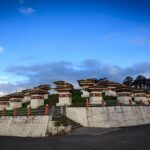
Next you move through religious sites that don’t feel repetitive because they each have a different role. You stroll around 108 stupas, then visit Drukwangyel (Royal Temple). After that comes Chimi lhakhang, known as a solitary fertility temple. It’s specifically where childless couples who come to pray are usually blessed with a child, and that detail adds a grounded, personal weight to what you’re seeing.
Then you get the classic Punakha icon: Punakha Dzong, called the Palace of the Great Happiness. You’ll learn why it’s so dramatic—this fortress sits between two rivers, the Pochu and Mochu, male and female rivers. It’s easy to imagine why it became such an important spiritual site when the setting is this built-for-symbolism.
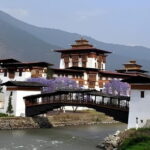
A unique touch is the 200-meter suspension bridge over the Phochu river to Gidagom village. This is not just a photo stop; it adds a simple walking rhythm before you settle into the evening.
Overnight is in Punakha, which helps you spend less time changing hotels and more time getting to know the place you’re in.
Day 3: Paro’s museums, ancient lhakhangs, and Bhutan’s national sport energy
Day 3 is a longer drive (about 135 km, roughly 3–4 hours), and it’s paced as a Paro day so you don’t feel like you’re just passing through. On the way, you may stop at Dochula again if weather is clear, which is a nice touch when your Day 2 skies weren’t perfect.
After you check in, Paro sightseeing gives you Bhutan in a more compact, historic form. You start with Ta Dzong, originally an ancient watch tower, now one of the best museums of Asia. It’s a smart choice because it explains the region in a way you can’t get from a quick exterior view.
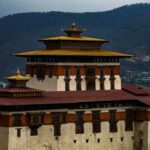
Next is Rinpung Dzong, described as the Fortress of the heap of Jewels. Dzongs are always impressive, but here you’re also seeing how they function in the bigger story—Bhutan’s power, defense, and faith all tied together in the same place.
Then you head to Kichu lhakhang, built in 629 AD by a Tibetan king. That age matters. Older sacred sites like this tend to slow your pace, even when you’re on a tight schedule, because you can feel continuity in the architecture and ritual spaces.
A fun break comes with archery at the national stadium, played by locals with a lot of energy. Bhutan takes its sport seriously, and watching locals do it is one of the best ways to cut through the tourist bubble.
The day ends with free time in Paro town for souvenir shopping and hanging out with local life. Overnight is in Paro (listed around 2,280 meters), so you’ll feel the altitude again, but at least it’s not as steep on this day as Tiger’s Nest.
Day 4: Taktsang Tiger’s Nest, hillside lunch views, and a village home farewell
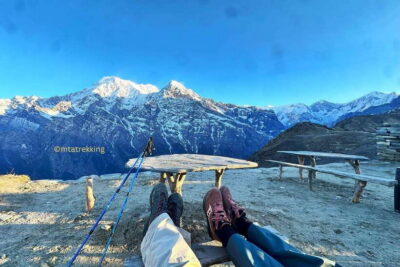
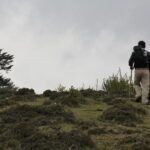
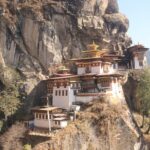
This is the day you’ll remember. After breakfast, you hike up the forested path to Taktsang Monastery, also called Tiger’s Nest. The monastery is described as clinging to sheer cliffs about 900 meters above Paro valley, which is exactly why people talk about it so much.
Be ready for the effort: the climb is steep and takes about 4–5 hours round trip. Ponies and horses are optional, so if you’re worried about stamina, ask early and decide based on how your body feels that morning.
I like that the plan includes a lunch stop at a hillside cafe with close Tiger’s Nest views. You’re not just sprinting up and rushing back. You get time to pause, even if you’re still catching your breath.
Then comes a more intimate Bhutan ending: an authentic farewell dinner at a typical village home. The local liquor called Ara is part of that evening, and it gives the dinner a real cultural flavor rather than a generic restaurant send-off.
There’s also an optional hot stone bath using river rocks heated and dunked in a large wooden tub with herbs. It’s described as having medicinal properties for healing. Even if you skip it, the fact that it’s offered tells you this tour isn’t only about big monuments—it’s also about the everyday rituals people take seriously.
Overnight is again in Paro, so you don’t lose time moving after the hardest day.
Day 5: Departure from Paro with no last-minute scramble
On the final day, you head to Paro International Airport for departure. The itinerary keeps it simple: your representative bids you farewell, and you go.
This last-day calm matters. When a trip is full of sacred sites and hikes, you don’t want to end with chaos. The schedule lets you recover after the Tiger’s Nest day so you’re not rushing while tired.
If you still want a little momentum, use any spare time the day before to grab necessities and small souvenirs. On this kind of trip, you’ll often find the most useful purchases are practical ones: stamps you made yourself, small temple-friendly items, or something that reminds you of a specific stop.
How to pack and prep so you don’t fight the trip
Bhutan is strict about temple attire, and the tour info makes it clear: no shorts or sleeveless shirts in temples and monasteries. I’d treat that as non-negotiable. Bring layers so you can adjust for weather changes between high passes and lower valleys.
Also bring your passport, and only handle visa details through the proper process since the tour covers visa fee and SDF. If you already know you’ll need a visa, keep your documents ready so there’s no scramble later.
Finally, remember you’re hiking one day that’s steep by design. Even if you use optional ponies, you’ll still be dealing with altitude and walking time. Choose shoes you trust. Don’t show up with day-0 blisters and hope for the best.
Who this Bhutan tour suits best
This tour fits you if:
- You’re a first-time Bhutan visitor and want the main sacred sites in one loop.
- You care about smooth logistics: transport handled, tickets/entrance fees handled, guide in English.
- You like a mix of culture and short-to-medium movement, not only driving and sitting.
It may be less ideal if:
- You hate long drives and a packed schedule.
- You’re not comfortable with the steep 4–5 hour round-trip Tiger’s Nest hike.
The private group format helps. In the past, the experience is described as having an attentive guide such as Sangey (credited for being flexible and knowledgeable in one English-guided experience) and also Dorji (praised for being knowledgeable, kind, and patient in another). One group also mentions the owner Tsenrig meeting them, and the driver Kezang being attentive about safety and care—so the human side seems to be taken seriously, not treated like a checkbox.
Should you book this Bhutan 5-day all-inclusive tour?
I’d say book it if you want Bhutan without the stress. The best part is that the trip is built around complete days—meals, transport, key temple and dzong stops, and a real signature experience with Tiger’s Nest. For the price, you’re not only paying for sights; you’re paying for coordination: hotels, entry fees, guide time, and the fees handled for visas and SDF.
Hold off if your top priority is wandering freely or you can’t handle the Tiger’s Nest climb. This itinerary is designed for you to do it, with ponies optional, but it still centers on that hike.
If you’re ready to follow a smart plan and soak up Bhutan’s sacred places with less friction, this is a strong, first-timer-friendly way to do it.
FAQ
Where is the tour starting point?
The tour meeting point is Paro International Airport.
How long is the Bhutan tour?
The duration is 5 days.
What’s included in the all-inclusive price?
Included are visa fee and SDF, accommodation in 3-star hotels and resorts minimum, all meals (breakfast, lunch, dinner), all ground transportation, entrance fees to various museums and temples, and a guide with a company driver, plus government contributions, royalties, and taxes. You also get complimentary tea, coffee, snacks, and mineral water.
What is not included?
Not included are international airfare, travel insurance, personal shopping, alcohol and beverages, and laundry bills.
Is there an English-speaking guide?
Yes, the tour includes a live English guide.
Is the group private?
Yes, the tour is listed as a private group.
Is it wheelchair accessible?
The tour is marked wheelchair accessible.
What is the most physically demanding day?
Day 4 includes the hike to Taktsang Monastery (Tiger’s Nest). The climb is steep and takes about 4–5 hours round trip. Ponies and horses are optional.
Are there any clothing rules for temples?
Yes. Shorts and sleeveless shirts are not allowed in temples and monasteries.
Can I cancel and get a full refund?
Yes. It says free cancellation up to 24 hours in advance for a full refund.