REVIEW · KATHMANDU
Experiential Career Break trip to Nepal for Gap year and Sabbatical travelers
Book on Viator →Operated by Sabbatical Explore Nepal (Social Tourism Nepal) · Bookable on Viator
A pause in Nepal can feel like a reset button. This 9-day, career-break-style route uses Kathmandu’s biggest sacred sights, then keeps going with lesser-known temples, monastery time, and village life—so you’re not just ticking boxes. You’ll also get pickup and a private group setup, which makes the days feel smoother when you’ve got limited time.
I especially like how the tour mixes big, famous landmarks with more personal spiritual stops. On Day 1 you hit Swaymbhunath (Monkey Temple) and Kathmandu Durbar Square area sights, then later you’re walking markets and stopping for smaller shrines like Shobha Bhagawati. It’s a balanced blend of architecture, daily religion, and street-level Nepal.
One consideration: this kind of itinerary moves at a steady pace and involves multiple hikes. Also, language support can be a mixed bag—one past participant reported that their guide struggled with English when they requested an English-speaking guide.
In This Review
- Key highlights worth planning around
- A sabbatical-style Nepal route that doesn’t feel like a checklist
- Price and logistics: what you’re really paying for
- Day 1 in Kathmandu: Swayambhu, shrines, and the Durbar Square mood
- Day 2: Boudha Stupa and Bajrayogini, where spirituality gets specific
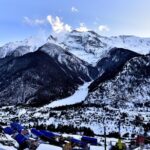
- Day 3: Nagarkot panoramic trail and the Ghimire Gaun village welcome
- Day 4: Tukucha Nala monastery time and the Dhulikhel hill-walk
- Days 5 and 6: Namo Buddha, monks, and meditation in daily rhythm
- Day 7: Panauti’s 15th-century temples and the stone-and-wood museum
- Day 8: Bhaktapur’s Durbar Square and Nyatapola temple details
- Day 9: Kathmandu free time for shops and your own pace
- So, should you book? My take for gap-year and sabbatical travelers
- FAQ
- FAQ
- What is the price of this Nepal experience?
- How long is the trip?
- Where does the experience take place?
- Is pickup offered?
- Is this a private tour?
- What meals are included?
- Are admission tickets included for all stops?
- What’s not included in the price?
- What cancellation policy applies?
- Is the guide English-speaking?
Key highlights worth planning around
- Bajrayogini Temple: a less common spiritual stop tied to local storytelling about strong female yogis
- Monastery mornings at Namo Buddha: time with monks plus meditation in the daily routine
- Village-life blocks: Ghimire Gaun village time, plus a slower, local rhythm around the foothills
- UNESCO hits: Kathmandu Durbar Square area sights and Bhaktapur Durbar Square with Nyatapola
- Short, varied hikes: viewpoints and hill trails like Jarsing Pauwa and the Nagarkot route
- Most meals included: breakfast daily (7), plus lunches (6) and dinners (6), which helps budgeting
A sabbatical-style Nepal route that doesn’t feel like a checklist
This trip is designed for people who aren’t on a tight “see everything in one week” schedule. It’s built around the idea that when you have a gap year or sabbatical, you don’t only want views—you want context. In Nepal, that means religion you can watch up close, temples you can approach with local routines, and community time where you see how people live when tourists aren’t around.
The other smart move is the balance of locations. You start in Kathmandu’s core sacred sites, then you swing into nearby hills (Nagarkot, Dhulikhel), then you return to calmer towns (Panauti), and finish with Bhaktapur’s historic Newari center. That keeps the trip from feeling like constant travel days with no breathing room.
If you’re the kind of traveler who likes to understand what you’re looking at—why a stupa matters, what a temple symbolizes, how daily prayer works—this format fits well.
You can also read our reviews of more tours and experiences in Kathmandu.
Price and logistics: what you’re really paying for
At $980 for roughly 9 days in Kathmandu, the value comes from the package structure, not just the destinations. You get private transportation and all fees and taxes listed as included, plus a large share of meals (7 breakfasts, 6 lunches, 6 dinners). That’s a big deal in Nepal because entry costs and food can add up quickly once you start moving every day.
It’s also a private tour/activity, meaning you’re traveling with only your group. For a career-break trip, that matters. You can keep a steady pace, ask questions without the pressure of a big group, and spend more time where you’re actually interested.
What’s not included is equally important. Travel insurance and personal expenses are your responsibility. And note that at least one major sight is marked as not included in the day’s admissions: Kathmandu Durbar Square. Meanwhile, Hanuman Dhoka is listed as included. So, expect that you might pay for a site ticket or two depending on the stop.
Day 1 in Kathmandu: Swayambhu, shrines, and the Durbar Square mood
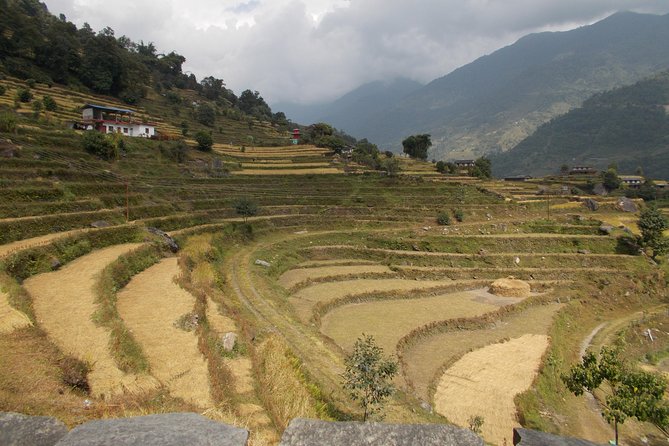
Your first day reads like a fast-but-not-chaotic Kathmandu orientation—starting high, then working down into street-level religion.
- Swayambhunath (Monkey Temple): You’re taken to a stupa atop a hill in Kathmandu Valley, with records pointing to its consecration centuries ago. It’s a major pilgrimage site, so you’ll feel the place as a living religious hub, not just a photo spot. The admission is free.
- Shobha Bhagawati Bridge: Next comes a pagoda-style shrine to the Hindu goddess Bhagawati, with an important celebration during Dashain. Around this area, you’ll also see nine statues mentioned as part of the scene.
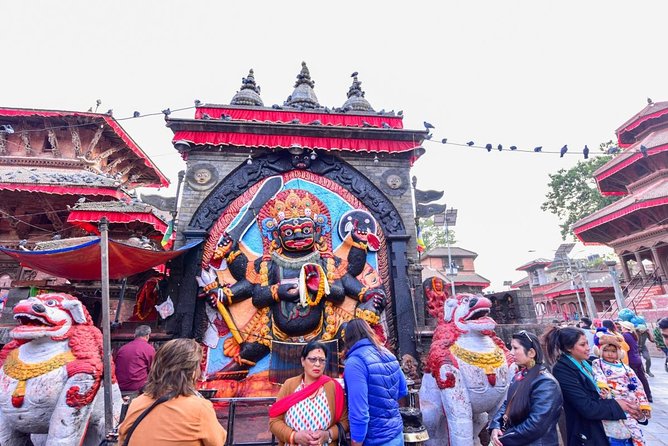
- Bijayashwari and Kathmandu Durbar Square area: This is where your guide helps connect dots between smaller, less-visited stops and the bigger UNESCO-listed setting nearby. Kathmandu Durbar Square is a “palace of old Kathmandu kingdom” style square—multiple temples and shrines in one place. Admission is marked not included for this stop.
- Nardevi and the Ayurveda street smell: You get a fun, very Kathmandu detail here: a street that leads toward the Durbar Square area where Ayurveda medicine shops line both sides. If you want to pop into a store and ask questions, this is the moment.
- Kumari Chowk: You can visit the living goddess Kumari’s home/temple, and there’s a note about possible meeting timing if you arrive at the right moment. Admission is free.
- Hanuman Dhoka: This historical museum of the Kantipur (Kathmandu) kingdom is listed as included, with 45 minutes scheduled.
- Asan local market: You end with a walking market for fruits, vegetables, dried goods, meats/fish, pickles, and everyday supplies. It’s a great way to learn what locals buy when they’re not in “tour mode.” Admission is free.
What I like about this day is the rhythm. You’re not only looking at monuments—you’re also seeing how people shop, pray, and move through their own neighborhood routes.
Day 2: Boudha Stupa and Bajrayogini, where spirituality gets specific
Day 2 starts with Boudha, one of the world’s biggest Tibetan Buddhist stupa settings. It’s described as surrounded by monasteries and a silk thangka painting school. That pairing matters: you’re seeing both the spiritual center and the cultural craft ecosystem around it.
Then you head to Bajrayogini, described as a very interesting local story tied to the meaning of Bajrayogini: Bajra as strong and Yogini as female yogi. Admission is free here as well.
This day is a good choice if you want more than generic sightseeing. There’s enough structure to keep it meaningful, but not so rigid that it feels like you’re being rushed through. After that, you hike toward a viewpoint.
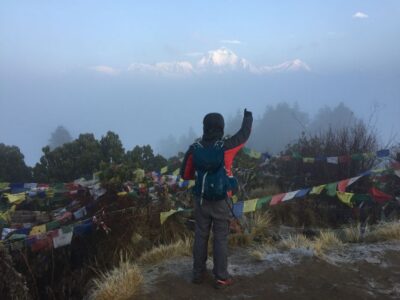
- Jarsing Pauwa View Point: This is a hike to a famous hill station near Kathmandu. The payoff is planned as panoramic views of the Himalayas and surrounding scenery. Admission is listed as included and the hike is around 1 hour.
Day 3: Nagarkot panoramic trail and the Ghimire Gaun village welcome
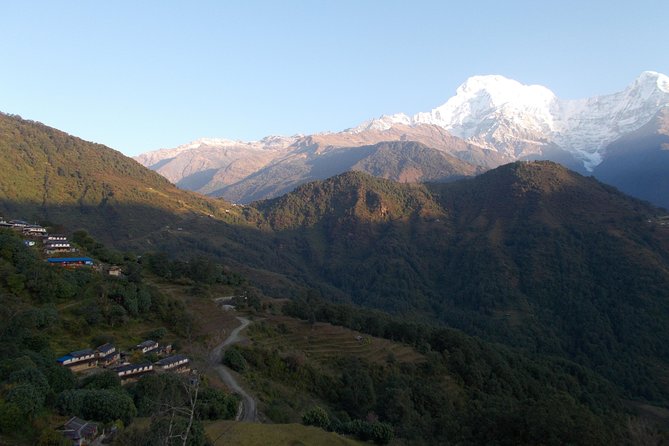
If Kathmandu is the “start here” chapter, Day 3 is your first real shift into foothill life.
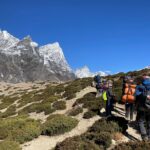
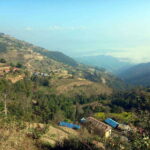
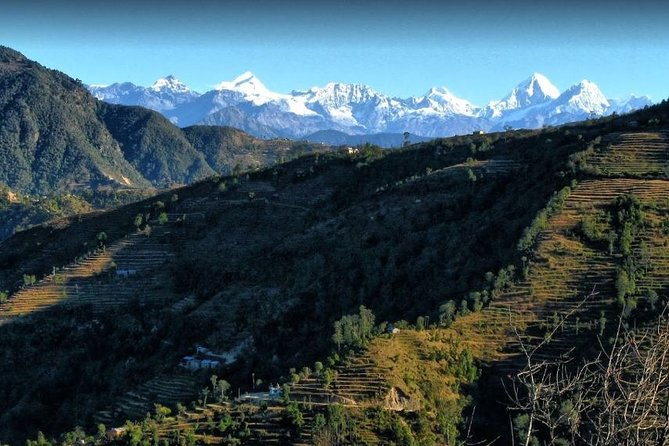
- Nagarkot panoramic hiking trail: You start in the morning and hike toward Nagarkot, stopping along villages, terrace fields, and woods. The tour frames Nagarkot as one of the most popular hill stations near Kathmandu, and you’ll reach it after walking through those human-scale scenes rather than only roads.
- Sunset view into the village: After enjoying the sunset view from Nagarkot, you hike to Ghimire Village.
- Ghimire Gaun: This is the more personal part. You’re scheduled for about 3 hours and described as a village experience with a friendly welcome—living local village life alongside locals.
This is exactly the kind of “career break” detail I look for. You’re not only in religious sites; you’re in ordinary life. And since it’s a relatively short transfer day, the village time doesn’t feel tacked on.
Day 4: Tukucha Nala monastery time and the Dhulikhel hill-walk
Day 4 keeps the hills theme going, but adds a temple-and-monastery flavor.
- Tukucha Nala: The morning starts with visits to a monastery and several historical local temples. What stands out is that locals guide you and explain interesting facts. Then you wander near the village toward places described as virgin and hidden—so it’s more walking-and-learning than “line up and look.”
- Nagarkot to Dhulikhel hiking: The afternoon/evening becomes a hike via villages and valley greenery. On a clear day, you can also see mountain backdrops.
If you’re someone who hates being trapped in vehicles all day, you’ll appreciate how this day is designed around walking. It’s also a good pacing choice: a slower start, a meaningful stop, then a hill-walk that sets you up for the next monastery days.
Days 5 and 6: Namo Buddha, monks, and meditation in daily rhythm
By Day 5, the tour shifts into monastery mode with Namo Buddha at the center.
- Namobuddha hike from Dhulikhel: You hike from Dhulikhel to reach a monastery setting described as tied to Thrangu Tashi Yangtse Monastery. The focus is learning about monks’ life and spending tranquil time at the monastery. Admission is free in the tour notes.
- A second Namo Buddha morning: Day 6 includes morning panorama and then a descent to a nearby village for a morning hike with the monks. Afterward, you return to the monastery to learn daily lifestyle details, including meditation.
What I like about this pairing is that it’s not just one visit. Two separate days let you notice changes in mood and routine. You’ll likely leave with a more grounded idea of how monastery life moves, not just what a temple looks like.
If you’re interested in spirituality without turning it into a performance for photos, this part of the trip delivers.
Day 7: Panauti’s 15th-century temples and the stone-and-wood museum
Day 7 slows down into a calmer town.
- Panauti Village: You explore a historical town with temples dating to the 15th century. The tour description highlights 40 iconic temples dedicated to different deities, plus the feel of explorability through houses and streets. Admission is free.
- Panauti Museum: You also visit the museum inside Indreshwor Temple. This is where the focus shifts to craft and materials—stone and wooden arts developed in the community. Admission is included.
This day is a strong match if you like the “how it’s made and why it matters” angle. It’s also a nice change after several days of hills and monastery-focused time.
Day 8: Bhaktapur’s Durbar Square and Nyatapola temple details
Bhaktapur is a major historic Newari center, and the trip uses it well.
- Bhaktapur (City of Devotees): You drive to the city and experience heritage and Newari culture, with food and tradition framed as part of the visit.
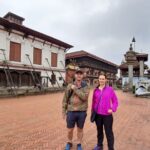
- Bhaktapur Durbar Square (UNESCO): The tour includes an amount of time for temples and architecture, with Nyatapola called out as a major five-storied temple. Admission is listed as included for the durbar square stop.
A walk here can feel like stepping into a dense architecture lesson. And because Bhaktapur’s historic core is compact, you can enjoy it without needing constant repositioning.
Day 9: Kathmandu free time for shops and your own pace
Your final day is intentionally open-ended. You spend time in Kathmandu as you wish, with the note that you might want to revisit places and that local shops are available for souvenirs. Admission is listed as free for this scheduled portion, and the time block is shorter (about 2 hours).
I like this kind of landing. After hikes and monastery days, it’s a chance to reset your energy, do a final walk, and pick up small items you actually want—rather than being forced into one last stop on someone else’s schedule.
So, should you book? My take for gap-year and sabbatical travelers
I’d book this experience if your goals match its shape: spiritual sites plus walking, plus village life and monastery time, all under a private setup with pickup and most meals taken care of. The itinerary makes sense for a career break because it gives you context, not just movement. And the two-day Namo Buddha block is a standout if you want more than one quick look at religion.
I’d hesitate if you’re very sensitive to guide communication or language support. One participant report flagged an English communication problem when an English-speaking guide was requested. If that would frustrate you, make language needs clear before you go. Also, be honest with yourself about the walking days: there are several scheduled hikes ranging from about an hour to multi-hour village/hill segments.
If you want a Nepal trip that feels like a thoughtful chapter of your life, this one fits.
FAQ
FAQ
What is the price of this Nepal experience?
The price listed is $980.
How long is the trip?
It runs for 9 days approximately.
Where does the experience take place?
The experience is in Kathmandu, Nepal, with day trips and hikes around the Kathmandu Valley area.
Is pickup offered?
Yes, pickup is offered.
Is this a private tour?
Yes. It’s described as a private tour/activity where only your group participates.
What meals are included?
Breakfast is included for 7 days, and lunches (6) and dinners (6) are included as well.
Are admission tickets included for all stops?
Not always. Some places are listed as free (many temples and market areas), Hanuman Dhoka is listed as admission included, but Kathmandu Durbar Square is listed as not included.
What’s not included in the price?
Travel insurance and personal expenses are not included.
What cancellation policy applies?
Free cancellation is available if you cancel up to 24 hours in advance for a full refund.
Is the guide English-speaking?
The information provided does not guarantee English. One past participant reported that their guide could not communicate in English when they asked for an English-speaking guide, so it’s smart to confirm language needs at booking.