REVIEW · KATHMANDU
Everest Base Camp Trek with Helicopter Flight Back
Book on Viator →Operated by Bold Himalaya Treks and Travels Pvt Ltd · Bookable on Viator
Everest Base Camp has a way of rewriting your calendar. This version keeps the big moments and cuts the long walk back with a helicopter return from the high country.
I love the way this trip blends classic trekking days with real acclimatization planning, especially the pause-and-climb rhythm around Namche, Dingboche, and the high viewpoint day at Kala Patthar. I also like the human side: the guide team names you in the details, like Surendra leading the trek and porter support from Uncle Doma Ghale, plus a hands-on manager in Kathmandu (Sobit) who answers questions early and stays attentive when plans change.
One thing to consider: the air portion of the plan depends on weather, and the helicopter piece needs a careful confirmation—your day-10 description includes it, but the fine print also lists the helicopter flight as not included. If you don’t verify this up front, you could end up paying more than you planned.
In This Review
- Key highlights before you pack your bag
- Why Everest Base Camp with helicopter return is such a smart trade
- Kathmandu setup: pickup, briefing, and that first-night reset
- Lukla flight and the Phakding downhill: getting your legs moving
- Namche Bazaar: Sherpa villages, a river crossing, and an Everest primer
- Tyangboche and Dingboche: monasteries, rhododendrons, and altitude rising
- Nagarjun Peak acclimatization day: the climb that makes the harder days possible
- Lobuche and Thukla Pass: memorials and glacier-close reality
- Everest Base Camp and Gorak Shep: where the icefall changes your sense of scale
- Kala Patthar sunrise and the helicopter finish: confirm the cost, then enjoy the payoff
- What you’re really paying for: value beyond the headline price
- The staff layer: why guides and support make the difference
- Comfort vs. challenge: lodge nights, cold mornings, and meal rhythm
- Who this trip fits best (and who might want a different plan)
- Should you book this Everest Base Camp trek with helicopter return?
- FAQ
- What start point is used in Kathmandu?
- Which flights are included?
- What gear does the trek include?
- How high do you hike?
- Are meals included?
- Is the helicopter from Gorak Shep to Kathmandu included?
Key highlights before you pack your bag
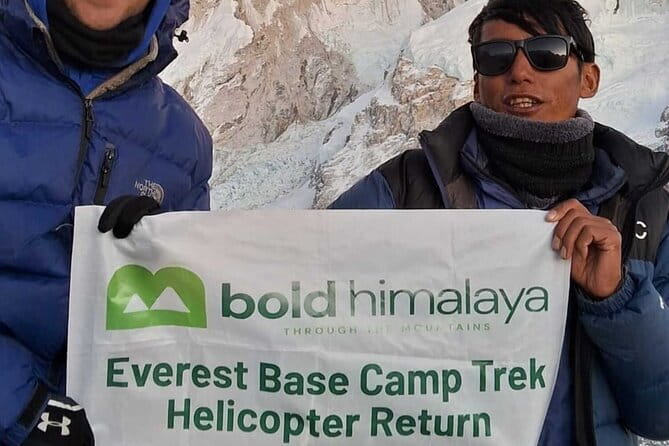
- Lukla flight + downhill start to Phakding sets the pace fast, without “too much” early uphill.
- Namche and Everest View Hotel give you a strong Everest hit while you’re still learning the altitude.
- Nagarjun Peak acclimatization helps your body adjust before the harder high days.
- Kala Patthar sunrise is built in, so you’re not gambling on timing at the last minute.
- Staff support that names people matters here: Surendra and Uncle Doma Ghale are specifically mentioned in past feedback, with Sobit in Kathmandu handling details.
- Hotel comfort in Kathmandu is included for the first night (Hotel Thrive or similar), not just a basic crash pad.
Why Everest Base Camp with helicopter return is such a smart trade
If you want Everest Base Camp but don’t want to spend extra days trekking downhill back to Kathmandu, this style of trip is a practical compromise. You still walk the Khumbu steps that people talk about—Lukla into the Sherpa towns, the long valley days, and that last grind toward the glacier zone.
The helicopter return shifts the stress in a good direction: instead of spending another chunk of time hiking back, you get a clean finish. That matters if you have limited vacation time, if you’re traveling in shoulder season, or if you’d rather save your energy for the hardest altitude days.
The real value here is balance. You get the emotional payoff of reaching Base Camp (and seeing what’s around it), plus the “logistics relief” of not doing a full return trek. Just keep your budget honest by confirming what’s actually covered for the helicopter flight.
You can also read our reviews of more hiking tours in Kathmandu
Kathmandu setup: pickup, briefing, and that first-night reset
Your trip starts at Tribhuvan Airport in Kathmandu with pickup and a transfer to your hotel. Then you get time to reset from travel, get organized, and attend an evening briefing where the trek rhythm is explained.
For me, this is one of those small but important things. A good briefing helps you avoid two classic problems: showing up under-prepared (wrong layers, wrong expectations) and misunderstanding how the high-altitude days are paced. The included Kathmandu program also includes one cultural show and dinner, so you’re not stuck on a “do nothing” night after arrival.
You’ll stay one night in Kathmandu—Hotel Thrive or similar—in twin sharing with breakfast. That gives you a comfortable base before the flights and the cold.
Lukla flight and the Phakding downhill: getting your legs moving
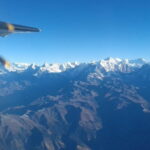
Day two is the jump from Kathmandu to Lukla, with breathtaking Himalayan views on the way. Lukla flight days can be exciting and a little nerve-wracking, but that’s part of the deal. You land at one of the most famous small airports in the world and then immediately start trekking downhill to Phakding through alpine forest.
This “downhill first” matters. It lets you get into trekking mode without immediately hitting steep climbs. It’s also a gentle way to start thinking about what your body needs—steady pace, frequent water sips, and layers that handle changing temperatures.
A practical note: Lukla flights are weather-dependent. If delays happen, the itinerary may need to flex. The tour operator’s past support style (including keeping comfort options going during messy weather) is a good sign, but you still want a calm mindset on flight day.
Namche Bazaar: Sherpa villages, a river crossing, and an Everest primer
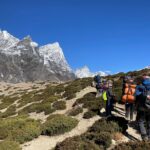
From Phakding, you continue toward Namche Bazaar, walking through Sherpa villages and crossing the Dudhkoshi River via suspension bridges. This day typically feels like it blends trail scenery with cultural life—you’re not just walking through “nature,” you’re moving through communities that orbit Everest.
Namche is also where your acclimatization logic starts to click. The trip plans time for rest and exploration, not just marching onward. One day includes visiting the Sherpa Museum, which is a helpful way to understand what you’re looking at—gear, history, and how Sherpa life intersects with Everest’s world.
Then comes the afternoon hike to Everest View Hotel for panoramic Everest views. If you’re wondering whether you’ll get enough Everest scenery before the high altitudes, this day answers that. You also get used to the idea of “short uphill effort with big payback.”
Tyangboche and Dingboche: monasteries, rhododendrons, and altitude rising
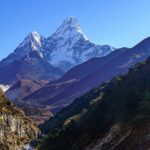
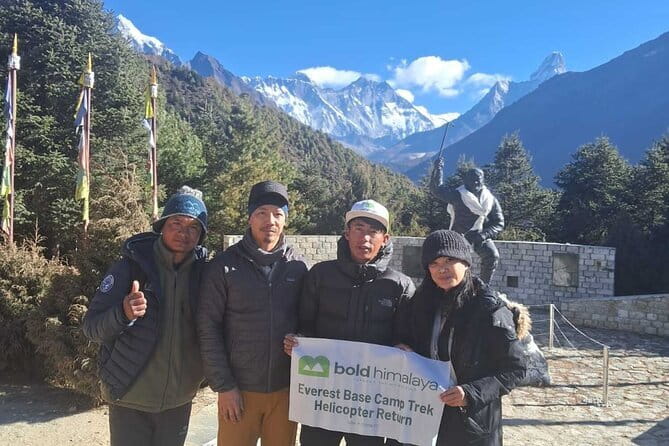
Next you trek onward to Tyangboche, with views of Everest and Lhotse in the mix. You also stop for lunch in Phungi Thanga before continuing. Tyangboche (often spelled with variations) is famous for the monastery atmosphere, and you can feel the shift from “town walking” to more spiritual mountain-facing life.
Then the route continues to Dingboche, crossing a suspension bridge over the Imja Khola. The walk through rhododendron forests and passing villages like Pangboche and Somare is a reminder that the Khumbu isn’t just a line of famous peaks—it’s lived-in valley geography.
Dingboche is your next altitude anchor. The town itself feels like a staging area: you’ll start hearing more talk about oxygen, wind, and how fast you should move. This is where the trip transitions from scenic trekking to more strategic high-day prep.
You can also read our reviews of more tours and experiences in Kathmandu
Nagarjun Peak acclimatization day: the climb that makes the harder days possible
You get a dedicated preparation day in Dingboche, and it includes exploring the Dingboche Valley and hiking up to Nagarjun Peak. This climb is used for acclimatization, and it’s also one of those days where the views (360-degree style, when conditions cooperate) are part of the effort.
I like this approach because it turns acclimatization into something active, not just sitting around. But the key is pacing: you want steady movement and smart breaks, not a “race to the summit” attitude. At these heights, how you climb matters more than how fast you climb.
If you tend to push when you feel okay, this is a day to practice restraint. The reward comes later when your body is ready for the high, colder zone.
Lobuche and Thukla Pass: memorials and glacier-close reality
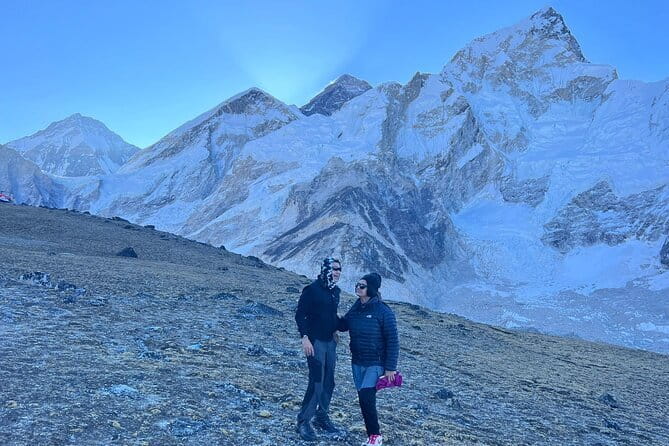
The route to Lobuche includes crossing Thukla Pass, with memorials to climbers along the way. That moment can hit harder than people expect. It’s not “just sightseeing”—it’s a reminder that this region has a human story tied to risk.
From there you reach Lobuche, where you get close-up views of surrounding glaciers. The altitudes are creeping up fast, and nights can feel long and cold.
This day is about accepting that the environment is changing. You’ll be dealing with thinner air, colder temperatures, and the kind of stillness that makes you notice every sound. It helps to keep your routine simple: warm layers on early, water intake consistent, and sleep treated like part of the plan—not something you only do when you finally get tired.
Everest Base Camp and Gorak Shep: where the icefall changes your sense of scale
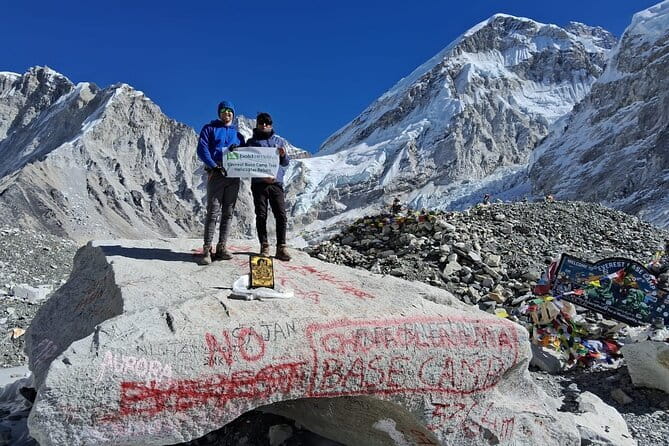
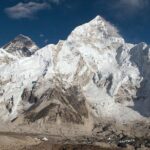
Day nine is the big achievement day: trekking to Everest Base Camp (around 5,364m) and overnight in Gorak Shep (around 5,170m). The route often feels like a slow closing of distance. Then you reach Base Camp, step back, and suddenly the scale of the Khumbu Icefall becomes real.
A practical detail that helps: you trek to Gorak Shep first, leave your gear, and then continue to Base Camp. This design keeps you from carrying everything at the highest, most tiring part of the day.
Base Camp itself is not a place for rushing. Take time to look around. You’ll notice how the terrain and the ice formations don’t behave like typical “mountain rocks.” It’s a reminder that Everest is a moving system of ice and weather.
Kala Patthar sunrise and the helicopter finish: confirm the cost, then enjoy the payoff
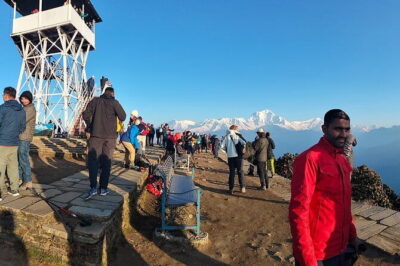
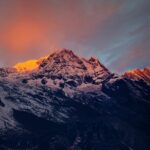
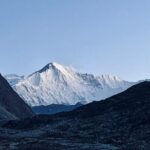
On the final day, you hike early to Kala Patthar (around 5,550m) for sunrise and panoramic views. This is the kind of early start that tests your motivation, but it’s also why people do this route. When visibility is good, the payoff is immediate: you see Everest in a way that feels more like structure than a distant image.
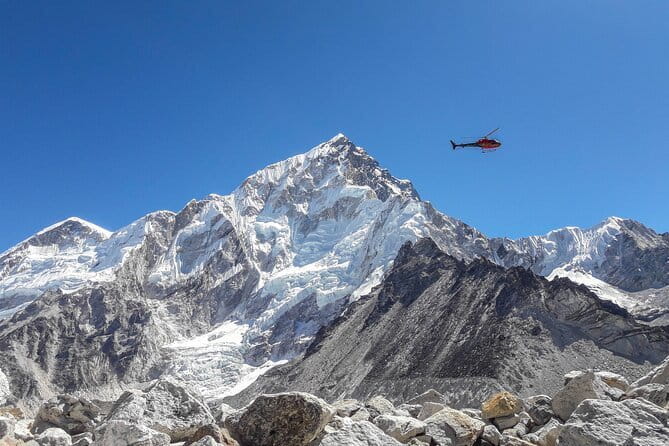
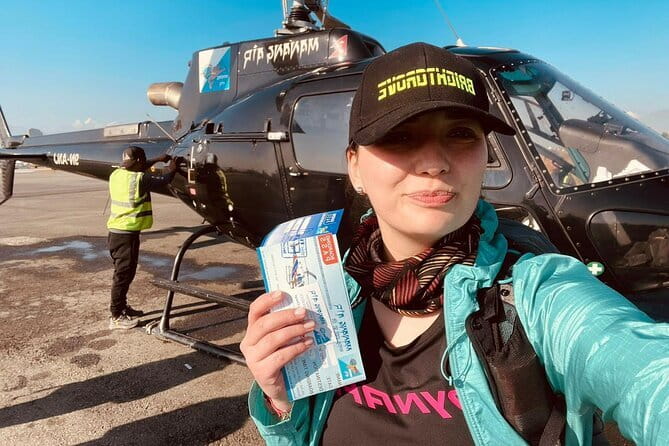
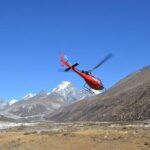
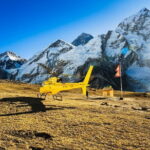
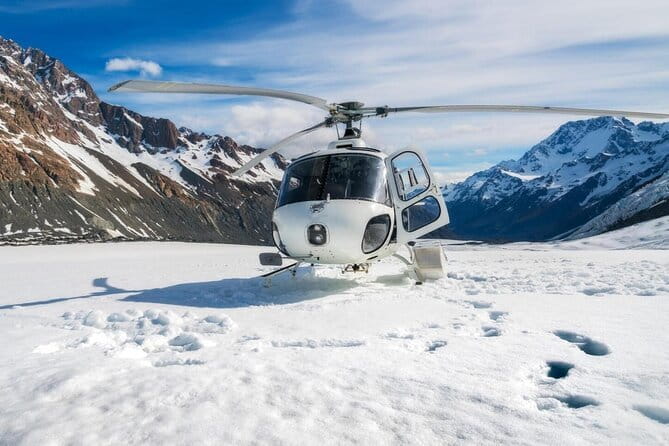
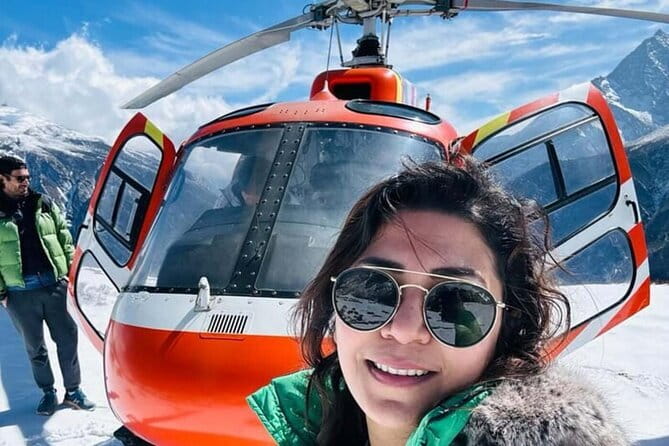
After Kala Patthar, you return to Gorak Shep and then board a helicopter to Kathmandu, with transfers included. That part is the heart of the “base camp without the return trek” concept.
But here’s the budgeting reality check: the trip summary describes the helicopter return, while the fine print lists the helicopter flight from Gorak Shep to Kathmandu as not included. That means your price could be correct for trekking-only, with the helicopter as an add-on. I strongly suggest you confirm in writing what you’re paying for before you go, so there are no surprise line items at the end.
Also keep in mind that helicopters need good weather. The experience plan states good weather is required, and if weather disrupts operations, you’ll be offered another date or a full refund. That’s a strong safety net on paper, but it also means you should stay flexible with your travel dates.
What you’re really paying for: value beyond the headline price
The listed price is $446.50 per person for about 10 days, which is tempting—especially for a trip branded as trekking plus helicopter return. The value becomes clearer when you look at what’s included.
You’re getting:
- An experienced trekking guide with salary, insurance, food, and accommodation.
- Domestic flight from Kathmandu to Lukla (or Ramechap to Lukla, depending on itinerary).
- Private transportation.
- One night in Kathmandu (Hotel Thrive or similar) with breakfast.
- Park and management fees, including Sagarmatha National Park entrance fees, TIMS, and Pasang Lhamu Rural Municipality entrance fee.
- Meals during the trek: 9 breakfasts, 8 lunches, and 8 dinners.
- Trek gear support: sleeping bag, down jacket, trekking poles (if you need them), plus a duffle bag, cap, and trip certificate.
- Some seasonal fruit and dry nuts during the trek.
- One cultural show and dinner program in Kathmandu.
Meanwhile, you’re not getting (based on the details provided):
- International airfare and travel insurance.
- Tips for trekking crew.
- Porters.
- Bar and dessert bills.
- And, importantly, the helicopter flight is listed as not included in the fine print.
So the “value” depends on whether the helicopter cost is truly part of your final total. If it is, then you’re getting a lot for the money: flights, guiding, fees, gear, and food. If it isn’t, you’ll need to budget separately. Either way, the included guide and gear support are meaningful—especially for first-time Everest trekkers who don’t want to rent everything and guess at sizing.
The staff layer: why guides and support make the difference
For Everest Base Camp, the equipment matters, but the teamwork matters more.
You’ve got named support in this package style. Surendra is mentioned as a guide who kept people safe and helped them finish the journey. Uncle Doma Ghale is mentioned as a porter who supported consistently. That kind of stable partnership helps on tough days where your brain wants to be dramatic.
You also have Sobit, a Kathmandu manager who’s described as attentive from the first email and careful about details. That’s not “nice to have.” Kathmandu days are where paperwork, flight timing, and last-minute changes happen. A manager who stays on top of details makes the whole trip feel less stressful.
Finally, there’s a real-world element: when weather chaos happens, comfort still counts. Past experience notes hot water and lodge comfort were maintained even with disruptions. You don’t do Everest for hot showers, but you’ll appreciate them more than you think.
Comfort vs. challenge: lodge nights, cold mornings, and meal rhythm
This trek is not a hotel vacation. The big win is that you’re not left to figure everything out. You get meals scheduled, a guide managing the pace, and gear support like down jackets and sleeping bags if you need them.
What to expect day to day is a pattern:
- Mornings can start cold, especially toward the high zone.
- Days involve walking for several hours, often with altitude doing some of the work for you.
- Nights are about warm layering and sleeping well enough to repeat the process.
You can also expect that the trip is group-based, but described as private for your group only. That can be a real advantage. It means you’re not forced into a slow-first/fast-last split with a random crowd. Still, your pace will be constrained by trail conditions and your acclimatization schedule.
Who this trip fits best (and who might want a different plan)
This is a strong fit if you want:
- Everest Base Camp without the full return trek.
- A guided trek with gear support and meals handled.
- A structured acclimatization rhythm (Namche, Dingboche, and the dedicated prep day).
- A major viewpoint day at Kala Patthar, planned for early sunrise.
It might not fit as well if:
- You’re very short on budget and the helicopter is an add-on you’d struggle to cover.
- You don’t handle cold well, since the high mornings can be sharp.
- You hate any schedule flexibility at all, because weather can affect flights and helicopter operations.
The data also notes you should have moderate physical fitness. That’s reassuring, but remember: Everest Base Camp isn’t hard only because it’s steep. It’s hard because the air thins out.
Should you book this Everest Base Camp trek with helicopter return?
I think you should book if you want the classic Everest experience, but with a smarter finish. The combination of Lukla flights, Sherpa towns, acclimatization climbs, Base Camp day, and Kala Patthar sunrise is a solid “greatest hits” path.
Before you pay, do two things:
- Confirm whether the helicopter flight is included in your final price. Your plan description and fine print don’t perfectly agree.
- Pick your dates with some flexibility for weather. The plan requires good weather, and operations may shift.
If you verify the helicopter cost and you’re ready for altitude discipline, this is a practical way to reach Everest Base Camp and still save time and energy for the finish back in Kathmandu.
FAQ
What start point is used in Kathmandu?
The start point is Tribhuvan Airport in Kathmandu, Nepal, with pickup provided.
Which flights are included?
The trip includes a domestic flight from Kathmandu to Lukla, or from Ramechap to Lukla depending on the itinerary.
What gear does the trek include?
You’re provided a sleeping bag, down jacket, and trekking poles if needed. You also receive a duffle bag, cap, and a trip certificate.
How high do you hike?
You hike to Kala Patthar (about 5,550m) and also trek to Everest Base Camp (about 5,364m) during the trip.
Are meals included?
Yes. The plan includes 9 breakfasts, 8 lunches, and 8 dinners during the trek.
Is the helicopter from Gorak Shep to Kathmandu included?
Your day-10 description says you’ll take a helicopter back to Kathmandu, but the details also list the helicopter flight from Gorakshep to Kathmandu as not included. Confirm what is covered for your booking before you go.