REVIEW · KATHMANDU
Kathmandu: Traditional Momo Making Class & Pickup
Book on GetYourGuide →Operated by Kathmandu Cooking Academy · Bookable on GetYourGuide
A dumpling class that starts in the market. I love this Kathmandu momo experience because you get hands-on momo shaping and a guided ingredient hunt so you’re not guessing. The main thing to watch is that the whole class is short, so you’ll want to pay close attention during the dough and folding steps to get the pleats looking right.
I also like the convenience: you can walk to the Kathmandu Cooking Academy from Thamel, or choose optional pickup anywhere in Kathmandu Valley. With a small group (max 10) and an English-speaking instructor, you’re not stuck watching from the side.
You’ll learn how to make authentic momos with options for veggie, vegan, or chicken fillings, plus a choice between normal momos and soup momo. At the end, you’ll eat what you make with a complimentary cup of Nepali masala tea, which makes the whole 2-hour experience feel like more than a demo.
In This Review
- Key things I’d zero in on
- Why Kathmandu momo skills beat another food tour
- Getting to Kathmandu Cooking Academy (and why location helps)
- Optional pickup within Kathmandu Valley, and timing that actually matters
- The market/shop stop: how fresh ingredients change your momo
- Dough, filling, shaping, steaming: what the hands-on class teaches
- Regular vs soup momo: learning two Nepalese dumpling habits
- Tasting momos and Nepali masala tea: how to judge the result
- Guide style in a small group: where you get real coaching
- Equipment, supplies, and what you should bring
- Price and value: why $4 makes sense for what you get
- Who should book this class (and who shouldn’t)
- Should you book Kathmandu: Traditional Momo Making Class & Pickup?
- FAQ
- How long is the Kathmandu momo making class?
- Where do I meet for the class?
- Is hotel pickup available?
- What kinds of momo can I learn to make?
- Do I get to taste what I make?
- Is the class taught in English?
- Is this a large group class?
- What should I bring and tell them ahead of time?
Key things I’d zero in on
- Market/shop ingredient tour so you can connect the recipe to real Kathmandu produce and pantry staples
- Hands-on instruction for dough, filling, shaping, and steaming, even if it’s your first time
- Veg, vegan, and chicken options so you can match the class to your diet
- Regular vs soup momo so you learn two styles of Nepal’s dumplings
- Small group size (up to 10) which keeps the teacher focused on your technique
- Masala tea plus tasting so you can judge doneness and flavor right away
Why Kathmandu momo skills beat another food tour
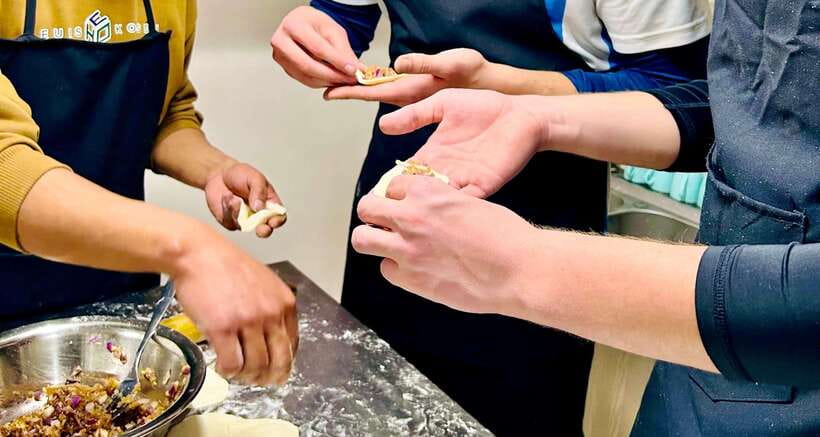
Momo is one of Nepal’s signature foods, and learning it by hand is a fast way to understand why people love it. The dough texture, the filling ratio, and even the way you fold the dumplings all matter. A class like this takes you past eating and into technique.
I like that the lesson isn’t just “watch and hope.” You shape, steam, and taste your own momos. That’s the point: once you’ve made one batch, you start recognizing what good momo should feel like before you even take a bite.
There’s also a practical payoff. If you’re going to eat momo in Kathmandu anyway, this gives you a way to compare places you visit later. You’ll know what to look for: thin or thick wrappers, sealed pleats, and whether the filling is seasoned enough.
You can also read our reviews of more tours and experiences in Kathmandu

Getting to Kathmandu Cooking Academy (and why location helps)
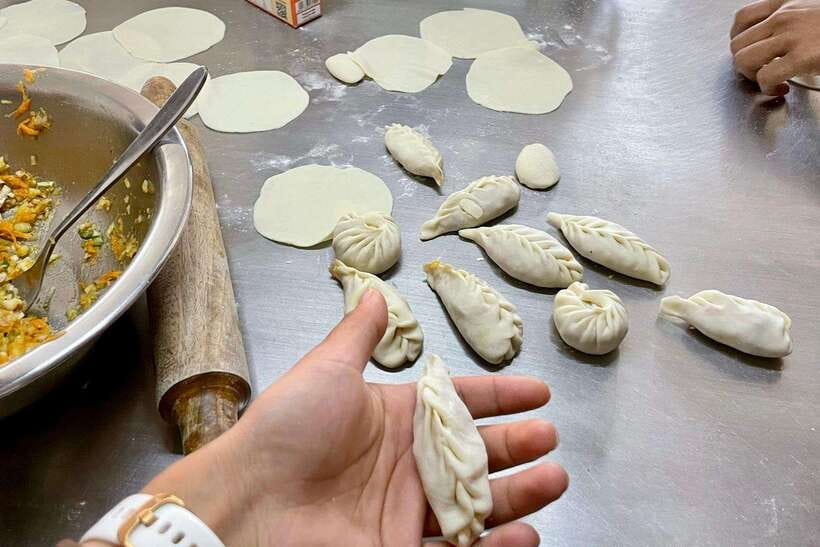
The meeting point is the Kathmandu Cooking Academy, and it’s about a 10–15 minute walk from Thamel. That matters because you can build this into your day without stress. If you already plan to wander Thamel, a nearby activity is a lot easier than hauling across town.
When you arrive, look for the signboard outside the building and check in with staff at the entrance. Bring a camera if you want photos of the cooking setup and the final dumplings. (Nothing fancy required, just something you’ll actually use.)
If you hate last-minute scrambling, aim to arrive a few minutes early. A class like this runs on a tight time window—1 PM start is the anchor—so you’ll get more out of it if you’re settled before the dough work begins.
Optional pickup within Kathmandu Valley, and timing that actually matters
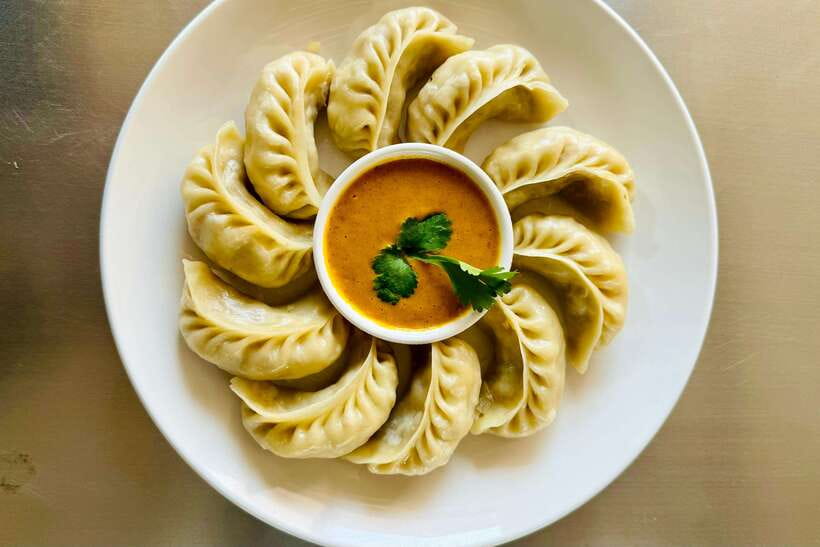
This class can be taken as a direct arrival at the academy or with optional hotel pickup within Kathmandu Valley. Pickup is great if you’re tired from sightseeing, carrying bags, or traveling with someone who doesn’t want to walk.
Timing is straightforward: it starts at 1 PM, and the experience runs about 1.5 to 2 hours. If you’re trying to fit it between other plans, I’d treat the activity like a real appointment, not an “around lunchtime” suggestion.
If you pick the pickup option, you’ll need to share your hotel details ahead of time so transport can be arranged smoothly. It’s a small step that prevents the classic travel problem: arriving and realizing you’re in the wrong place at the wrong time.
The market/shop stop: how fresh ingredients change your momo
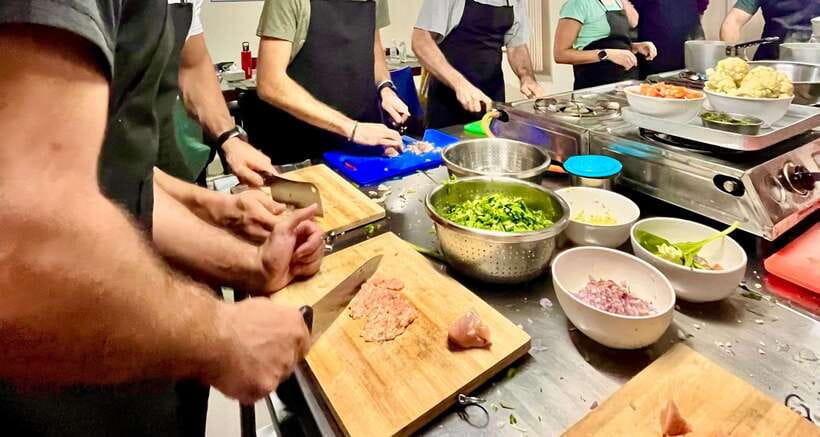
Before the cooking starts, you’ll join a guided market/shop tour to choose fresh momo ingredients. The class offers options for veggie or chicken fillings, so you’ll select ingredients based on the filling style you want to make.
This ingredient step is more than a scenic add-on. You’ll get the connection between what you buy and what you put in the wrapper. For first-timers, that clarity is gold because momo technique is easier when you understand what each component should look and feel like.
It also gives you a Kathmandu food-sense moment. You’re not just eating Nepalese flavors—you’re learning where the inputs come from. Even if you don’t remember every ingredient name later, you’ll remember the process of choosing them.
Dough, filling, shaping, steaming: what the hands-on class teaches
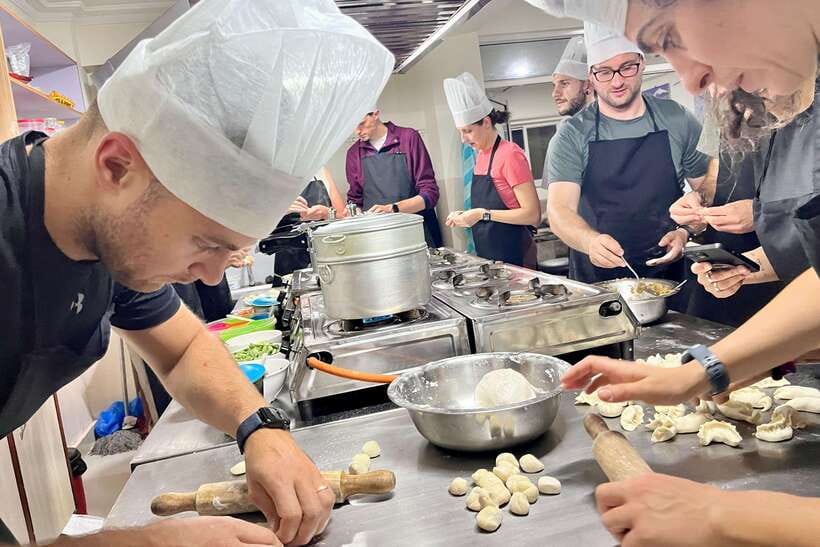
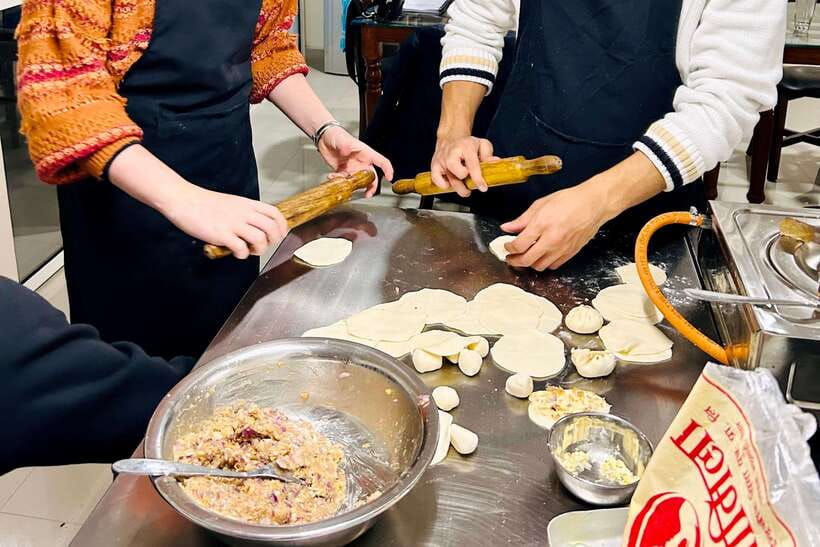
The core of the session is the step-by-step cooking lesson, led by an English-speaking instructor and supported by the academy team. You’ll make dough, prep your filling, shape the dumplings, and steam them until they’re done.
You’ll be able to choose your style of momo filling: veggie, vegan, or chicken. That’s a big deal if you’re strict about diet. It means you’re not stuck with one option and then figuring out swaps after the fact.
You’ll also choose between normal momos and soup momo. Normal momos are the classic steamed dumplings you can dip and eat. Soup momo changes the experience because you’re making dumplings designed for broth-style serving, which affects how you think about portioning and assembly.
The academy provides the cooking equipment and accessories you need. That’s a practical win. You don’t have to worry about carrying kitchen tools or learning on a setup that’s missing the basics. The whole point is to give you a usable, repeatable method.
In terms of skill level, the class is designed to work for beginners and more confident cooks. The technique is learnable, but you do have to focus during shaping—this is where small mistakes add up.





Regular vs soup momo: learning two Nepalese dumpling habits
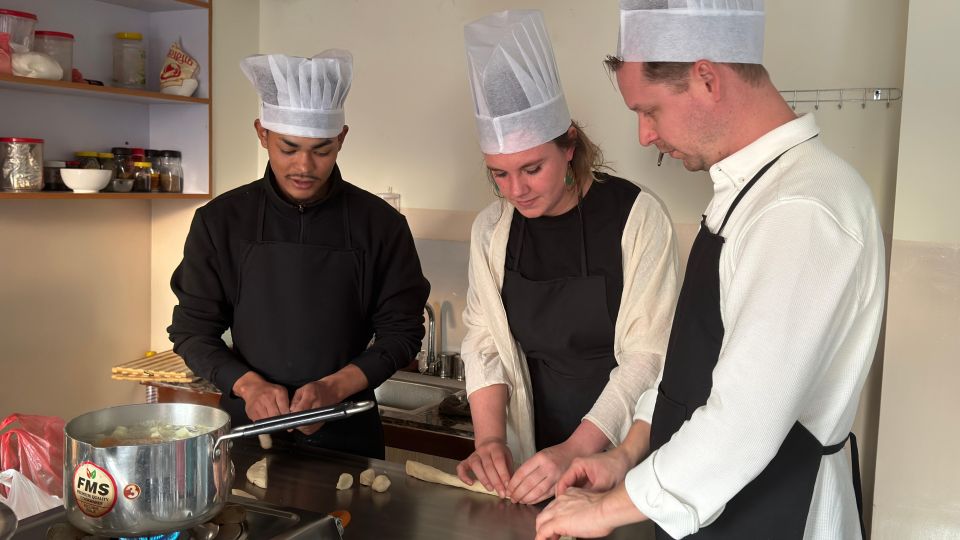
Most people try momos and never think about style differences. Here, you get a choice between regular and soup momo, so you learn that momo isn’t one single thing.
Regular momo tends to be about balance: wrapper thickness, sealed pleats, and filling seasoning so every bite works cleanly. Soup momo shifts the goal toward serving style, where the dumpling becomes part of a bowl experience. You’ll get a feel for how dumplings behave and how the overall result changes.
This matters because it makes your future restaurant orders smarter. Instead of ordering randomly, you can decide what you’re craving: dumplings for dipping versus dumplings meant to be part of a soupy meal.
It also gives you more variety from the same class. You’re not just repeating one method. You’re learning how the same dumpling idea adapts to two common Nepalese formats.
Tasting momos and Nepali masala tea: how to judge the result
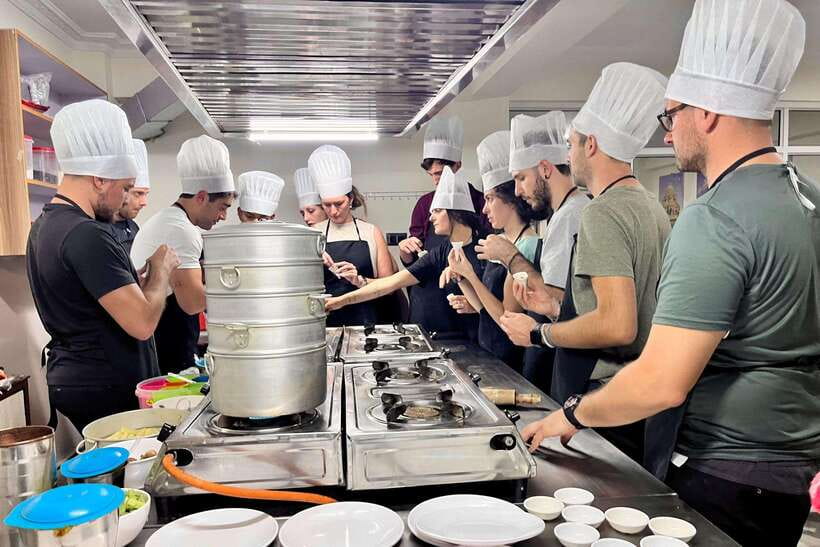
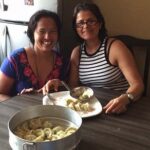
At the end of the session, you’ll have a tasting of the momos you made. This is one of the best parts of the schedule because it closes the feedback loop. You can connect what the instructor taught with what you’re actually eating.
You’ll also get a complimentary cup of Nepali masala tea. It’s a comfort-food pairing after hands-on work, and it rounds out the experience in a very Nepalese way: steamed dumplings plus warm spice tea.
When you taste, pay attention to a few things you can actually control next time:
- Wrapper texture: does it feel tender and cooked through, not doughy
- Seams and pleats: do they hold up and stay sealed
- Filling flavor: does it taste seasoned, not flat
- Overall balance: is it satisfying without needing extra help
That quick self-check is what turns a fun afternoon into a skill you can reuse later.
Guide style in a small group: where you get real coaching
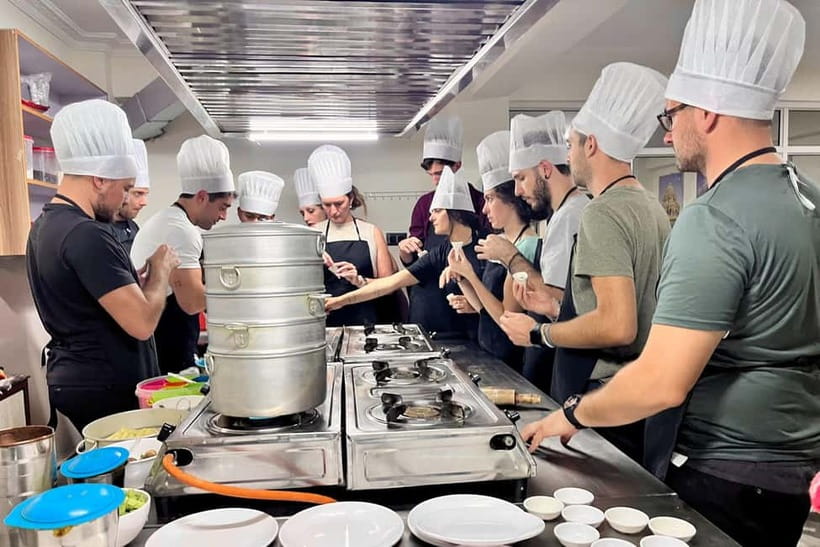
The class runs as a small group limited to 10 participants. That size changes everything. If you get stuck, you’re more likely to get direct feedback instead of waiting your turn while everyone else finishes.
English instruction helps too, especially for hands-on technique where you need to understand small details like how to press seams or how to fold evenly. And from what’s been described about the teaching style, patience is a theme—people get time to practice their momo shape instead of being rushed.
If your instructor is the kind of teacher known for patient step-by-step help (names like Birfan and Bikram have come up in past class experiences), you’ll likely feel more confident during the shaping stage. That matters because the first batch can feel awkward. The good news is you learn by doing, not by memorizing.
Equipment, supplies, and what you should bring
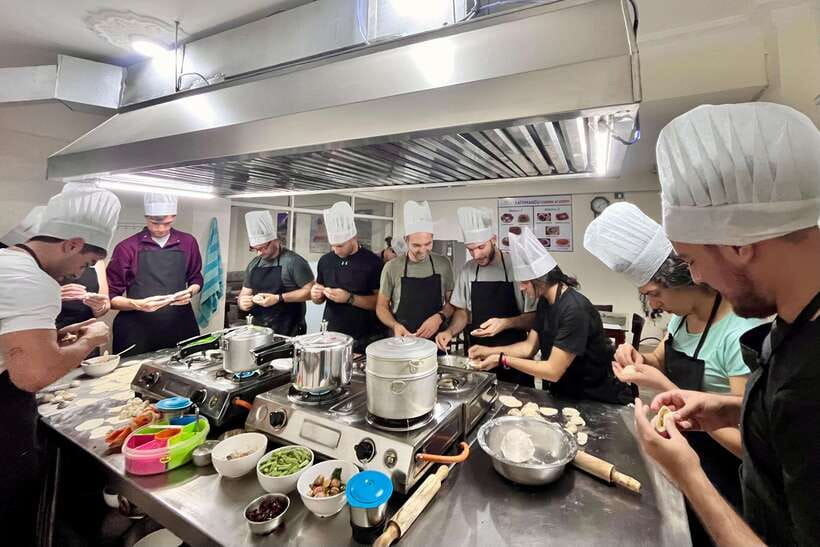
One of the easier parts of planning is that the academy provides the needed equipment and accessories. That means you’re mainly bringing yourself and your appetite.
Bring a camera if you want photos. That’s the only item specifically called out, and it’s worth it if you want to remember how the process looked at different stages: dough, filling, pleating, and steaming.
Also, if you have dietary restrictions or allergies, tell the team ahead of time. The class notes that you should inform them in advance, and doing it early helps the kitchen plan the right filling approach.
Price and value: why $4 makes sense for what you get
At $4.00 per person, this is one of the most cost-effective ways to learn a real Kathmandu cooking skill. The value isn’t just the final meal. You’re paying for instruction, ingredients selection via a guided market tour, steaming and shaping practice, and a tasting with Nepali masala tea.
You’re also getting equipment use and access to a small-group format. For many food experiences, you pay mostly for the meal. Here, you’re paying for the method, which is what makes it worth repeating later.
Optional hotel pickup is available within Kathmandu Valley. If you’d otherwise spend time navigating traffic and distance, pickup can quietly turn the price from good value into very smart value.
The only cost “risk” is your attention span. A short class can be great, but it means you won’t have hours to correct everything. If you treat it like an active learning session, $4 feels like a bargain.
Who should book this class (and who shouldn’t)
This momo making class fits best if you want hands-on Nepalese cooking without needing previous kitchen experience. It also works well if you care about veggie, vegan, or chicken options and want that choice handled by the class rather than by substitutions.
It’s a good fit for:
- First-time visitors who want a Kathmandu food skill, not just a snack
- People who like cooking as a social activity in a small group
- Travelers staying near Thamel who want a convenient 1 PM activity
It may not be a fit if you’re traveling with very young children. The class isn’t suitable for children under 5, and there’s an upper age limit noted as over 95. If you fall outside those ranges, it’s worth checking with the provider before booking.
Should you book Kathmandu: Traditional Momo Making Class & Pickup?
Book it if you want a short, practical Nepal skill you can carry home. You’ll start with a market ingredient tour, then get step-by-step guidance for dough, filling, shaping, and steaming, and you’ll finish with a real tasting plus Nepali masala tea.
I’d skip it only if you’re looking for a long, slow cooking experience or you dislike focusing on hands-on technique. The time window is tight, so the best results come from staying engaged while you’re learning the momo folds and steaming rhythm.
If your goal is to leave Kathmandu with more than photos—if you want a repeatable way to make Nepal’s dumplings—this is the kind of value that’s hard to beat.
FAQ
How long is the Kathmandu momo making class?
The class runs about 2 hours. It starts at 1 PM and lasts roughly 1.5 to 2 hours.
Where do I meet for the class?
You meet at the Kathmandu Cooking Academy. It’s about a 10–15 minute walk from Thamel. Look for the signboard outside and check in at the entrance.
Is hotel pickup available?
Yes. Hotel pickup and drop-off within Kathmandu Valley are optional. You’ll need to provide your hotel details in advance if you choose pickup.
What kinds of momo can I learn to make?
You can make veggie, vegan, or chicken momo. You can also choose between normal momos and soup momo.
Do I get to taste what I make?
Yes. The class includes a tasting session of the momos you prepared, plus complimentary Nepali masala tea.
Is the class taught in English?
Yes. The instructor is English-speaking.
Is this a large group class?
No. It’s a small group with a limit of 10 participants.
What should I bring and tell them ahead of time?
Bring a camera if you want photos. Also inform the team ahead of time about any dietary restrictions or allergies so they can prepare appropriately. If you have special requests like vegan, share them before booking.