REVIEW · DHARAMSALA
7 Days Dharamsala – Dalai Lama home Trek
Book on Viator →Operated by India Trekking Tours · Bookable on Viator
Steep mornings, big mountain views, and temples in between. This 7-day Dharamsala – Dalai Lama home trek blends trekking with cultural time so your days feel like more than just walking. I like that you get a private guide and included camping/lodging, which makes the hard parts easier to manage.
What really stands out for me is the mix of spiritual stops and trail rhythm. You start with sightseeing in Dharamsala, including time at the Dalai Lama temple, then you hike through pine forests and village paths with your guide leading the way. A second plus is how smoothly the trip tends to run, with easy communication from Sachin and a strong guiding style from Anil.
One consideration: you’ll be trekking with a camp-style setup, and the tour states you must bring your own sleeping bag. If that’s a hassle for you, plan ahead so it doesn’t become the stress of the trip.
In This Review
- Key Points to Know Before You Go
- A Trek With Temple Time, Not Just Trail Time
- Price and Value: Is $381.30 Reasonable?
- Private Transport and Pickup: Smooth Starts Matter
- Your First Day in Dharamsala: Temple, Town, and Breathing Room
- Day 2: From Satobari Village Down Into Pine Forests
- Day 3: Ascend Through Villages, Meadows, and Forest
- Day 4: Crossing a Bridge, Then Rhododendron and Chai
- Day 5: Kunal Pathri Devi Temple and Big Triund Views
- Day 6: Snow-Capped Views on a Grassy Ridgeline to Bahgsu Nallaha
- Day 7: Return Transfer and One Last Morning Reset
- Accommodation, Food, and the Human Touch
- Who This Trek Is Best For
- Practical Tips for Making It Feel Easy
- Should You Book This Dharamsala Trek?
- FAQ
- What is the start time for the tour?
- Does the tour include pickup from the airport or bus station?
- How long is the trekking trip?
- Are meals included in the price?
- Do I need to bring my own sleeping bag?
- Is this a private tour?
- Are permits and fees included?
- What if weather is poor?
Key Points to Know Before You Go
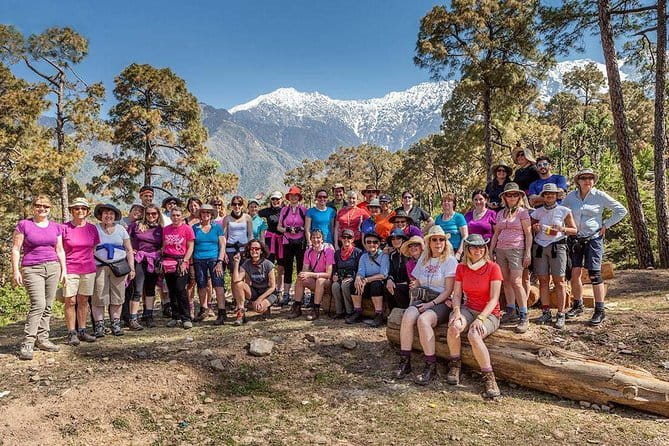
- Private guiding all the way means you’re not stuck following a random pace or route
- Dharamsala temple time on Day 1 sets a calm, meaningful tone before the hikes start
- Camping nights + included permits take real logistics off your plate
- Good food and helpful staff are a recurring highlight, including praise for Sky Heaven Resort
- Ridgeline views toward Triund and Kangra valley give you payoff days, not just workdays
A Trek With Temple Time, Not Just Trail Time
Dharamsala is a place where spiritual life and mountain life sit side by side. You feel that immediately in the way the itinerary starts: you arrive, get time in town, and fit in sightseeing tied to the Dalai Lama’s presence. Then the next day, you shift from town streets to pine forest trails, and the pace starts to feel more “mountain.”
I also like the structure: you’re not thrown onto the trail with no buffer. Day 1 is your orientation day—morning pickup, then time to explore, then trekking begins the following morning. That matters because a Himalayan trek goes smoother when your body and mind get a day to reset first.
You can also read our reviews of more hiking tours in Dharamsala
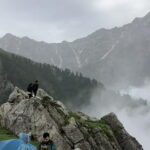
Price and Value: Is $381.30 Reasonable?
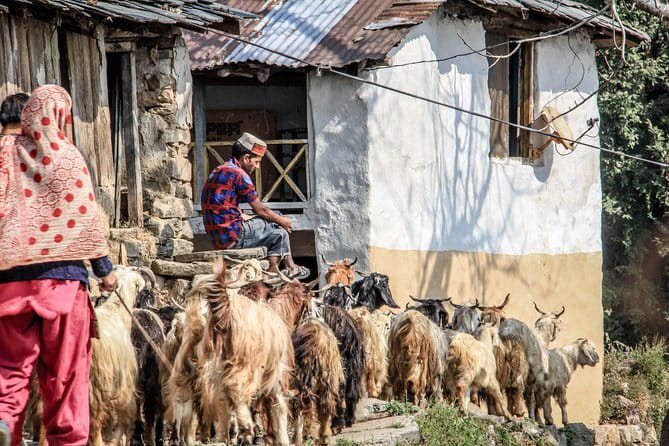
At $381.30 per person for about 7 days, you’re paying for more than walking. The tour includes English-speaking guiding, trekking and camping/lodging arrangements, permits, and private transportation, plus a set number of meals.
Here’s how that adds up in practical terms:
- Accommodation is included (the tour covers “all accommodation”)
- Permits are included (you’re not hunting paperwork)
- Most meals are included, with breakfast on 6 days and lunches/dinners on multiple days
- The sleeping bag is not included, but that’s a normal exclusion for camping trips
So the value is strongest if you want a guided, “someone else handles the planning” trek. If you were already planning to arrange guides, permits, transport, and camp stays yourself, this bundled approach usually feels more efficient. If you want maximum free time to roam independently, the private format will still be helpful, but you may feel the structure more than you’d like.
Private Transport and Pickup: Smooth Starts Matter
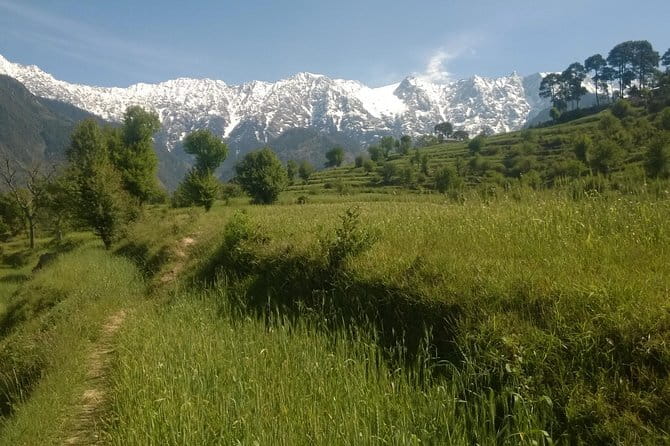
You meet the group at 6:00 am, and pickup is arranged from the airport or bus station, then you’re transferred to the hotel. That early start is common on this kind of trekking itinerary, but the benefit is simple: you start working toward your trail rhythm right away.
Private transportation also helps on days when you’re tired. Instead of juggling local buses or taxis after a long hike, you’re moving with the tour plan. It’s not glamorous, but it’s one of those details that quietly saves energy.
Your First Day in Dharamsala: Temple, Town, and Breathing Room
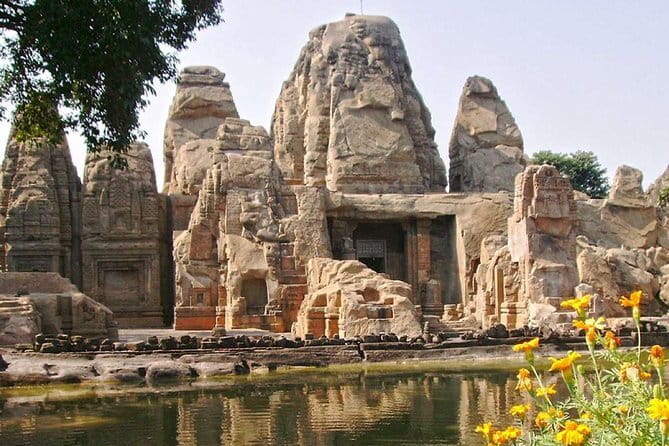
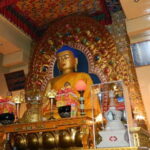
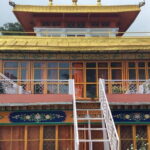
Day 1 is built to settle you in. After pickup and transfer to the hotel, you get free time to explore Dharamsala. The tour frames Dharamsala as the spiritual home of the Dalai Lama, and that theme continues with time to visit the Dalai Lama temple.
This is the day you should treat as orientation. If you’re new to Indian mountain towns, you can use this time to get your bearings fast—where you can grab water, how the streets feel, and what kind of food timing matches trekking days. I also like that the trek doesn’t start the moment you arrive. You’ll be more comfortable on the trail when you’ve had that first night in place.
Day 2: From Satobari Village Down Into Pine Forests
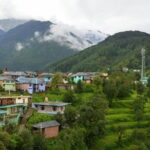
Day 2 starts with breakfast at the hotel, then transfer to the start point. Your first few kilometers are described as undulating, then you reach Satobari Village. From there, you begin a descent through pine forests toward Ghe (the stop name is listed as Ghe, though the full detail is shortened in the itinerary).
Why this day matters: it’s a controlled transition. Undulating terrain teaches your body how the trail feels before you commit to longer climbs later in the week. The pine forest descent also gives you a “cooler” walking environment, which can make a noticeable difference when the sun climbs.
Day 3: Ascend Through Villages, Meadows, and Forest
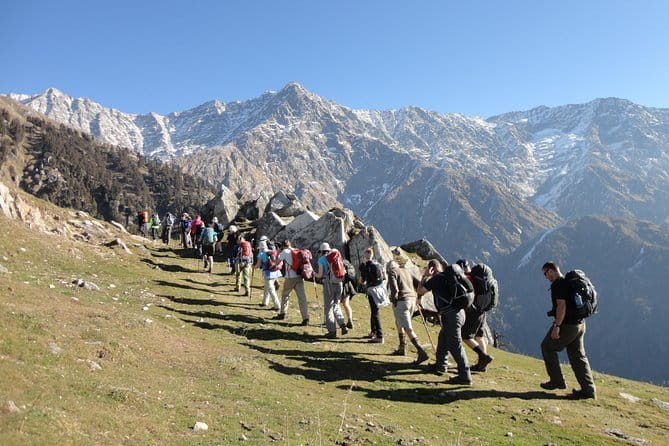
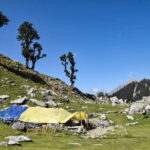
After your first night under the stars, you keep moving on a gradual trail. You’ll pass villages, open meadows, and pine forests, then take a short descent as you reach the next area.
This is one of those days where the trekking feels scenic but still practical. Village paths mean you’re not completely cut off from local life, and meadows usually make the walking feel less monotonous. The short descent at the end also helps you avoid going into the next camp with your legs fully cooked.
Day 4: Crossing a Bridge, Then Rhododendron and Chai
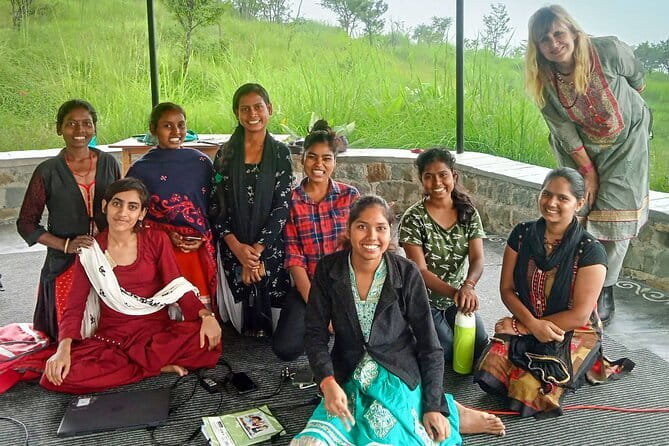
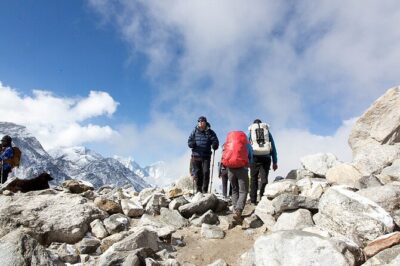
Day 4 begins with crossing a bridge, then climbing through rhododendron and pine forests for about two hours. After that you come across a local chai shop where you can take a rest (the itinerary mentions the chai shop as a stop point).
This is a good day for enjoying pauses. The bridge-and-climb sequence tends to settle into a steady effort, and the chai stop breaks the rhythm in a friendly way. You get a moment to warm up, drink something, and reset before you continue toward the next campsite.
One practical note: rhododendron season can change the feel of the trail from year to year. If flowers are blooming, you’ll notice the color more; if not, you still get the forest shade and the sense of moving through an actual living ecosystem.
Day 5: Kunal Pathri Devi Temple and Big Triund Views
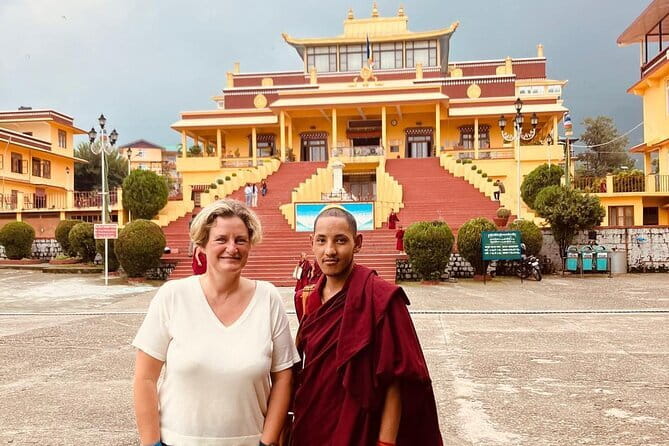
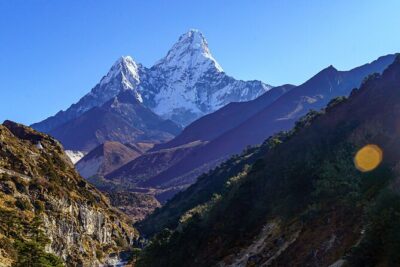
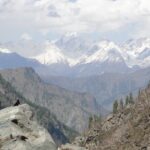
Day 5 is framed as a challenging ascent to Kunal Pathri Devi Temple. Once you reach the temple, you get stunning views of Triund and Kangra valley beside Dharamsala, with Dhauladhar Mountain feeling very close.
That temple payoff is exactly why I like itineraries that include specific points of arrival. It gives your day a clear target, and the view reason is stated directly in the route: you’re not climbing “because it’s there,” you’re climbing to reach a high point with a payoff.
After that, the trek continues (the itinerary text cuts off after reaching Sno…), and you’ll head to the next camp area for the night. For you, the key is to pace the ascent steadily—temple climbs are often more tiring than they look on paper because the final portion tends to demand focus.
Day 6: Snow-Capped Views on a Grassy Ridgeline to Bahgsu Nallaha
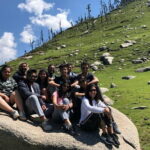
Following breakfast in camp, the trek moves over a grassy ridge that offers lasting memories of snow-capped peaks around you. After that, you trek continues with a steep descent to Bahgsu Nallaha.
This day is both the reward and the leg workout. The ridgeline sounds like a photographer’s dream, and the description focuses on snow-capped peaks in the surrounding area. Then comes the steep descent, which is where good trekking technique matters more than speed—shorter steps, controlled pace, and staying relaxed in your upper body.
If you’re sensitive to knee strain, plan to treat the descent like the real event of the day. It’s the part that can affect how you feel on Day 7 and even the next day after you return.
Day 7: Return Transfer and One Last Morning Reset
Day 7 finishes with breakfast in the morning, then you’re transferred back to Dharamsala airport or bus station. There’s no more trekking after that, so you can treat this as a “let it flow” morning.
For me, the best part of finishing trips like this is knowing you’ve ended cleanly—no scrambling for transport after a long week. You leave with your body tired in a good way and your mind full of viewpoints and temple moments, not logistical stress.
Accommodation, Food, and the Human Touch
The tour includes all accommodation, plus multiple included meals. That matters in practice because a trek like this isn’t just about endurance—it’s about staying fueled and sleeping well enough to keep going.
One of the most positive notes tied to the lodging side is praise for Sky Heaven Resort, with comments about delicious food and kind staff members. I take that seriously, because good food and considerate service can be the difference between a trek that feels manageable and one that feels like a grind.
And on the people side, communication and organization matter too. In feedback, Sachin is described as easy to communicate with and efficient at organizing the adventure. Your guide Anil is highlighted as great, which matters because on trekking days, your guide isn’t just showing a route—they’re pacing, adapting to conditions, and helping you stay confident on the trail.
Who This Trek Is Best For
This is a strong fit if you want:
- a private, guided trekking experience rather than joining a large group
- a mix of nature and cultural time, not only hiking
- included lodging and permits so you can travel lighter on planning
You’ll likely enjoy this more if you’re comfortable with gradual ascents and descents across several days, including a day described as a challenging ascent and another with a steep descent. The tour also says most travelers can participate, but you should be honest with yourself about your trekking base.
If you hate early mornings or you want a completely self-paced vacation, the structure may feel tight. The tour’s start time is set at 6:00 am, and the trail days follow a deliberate rhythm.
Practical Tips for Making It Feel Easy
The tour’s biggest “make-or-break” item is the sleeping bag you need to bring. Don’t wait until the last minute to source one, and plan to keep it dry since your camp nights are part of what you’re paying for.
Also, pack your patience for changing trail conditions. You’re moving through pine forests, rhododendron areas, village paths, grassy ridges, and steep descents. Even with a guide, mountain weather can affect how hard a day feels.
Finally, take the chai stop on Day 4 seriously. It’s not a random break; it’s placed right after a two-hour forest climb. A short reset there can help you finish the day better.
Should You Book This Dharamsala Trek?
Book it if you want an organized, private trek that includes meaningful cultural time and trail payoff. The temple visit focus, the snow-capped ridgeline day, and the stated views toward Triund and Kangra valley are the kinds of moments that make a trek memorable long after the stairs in your home neighborhood.
Skip it or reconsider if camping logistics stress you out—especially if bringing your own sleeping bag is a dealbreaker. Also, if you prefer slower, less structured days, the early starts and guided schedule will feel like a commitment.
If you like having a guide who can handle the pacing and the route while you enjoy the views, this one is built for you.
FAQ
What is the start time for the tour?
The meeting point is set for 6:00 am.
Does the tour include pickup from the airport or bus station?
Yes. There is a morning pickup from the airport or bus station, followed by a transfer to the hotel in Dharamsala.
How long is the trekking trip?
The duration is 7 days (approx.).
Are meals included in the price?
Yes. The tour includes breakfast on 6 days, plus lunch (4) and dinner (4). It also notes that there are no meals at the hotel.
Do I need to bring my own sleeping bag?
Yes. The tour specifies that you have to bring your own sleeping bag.
Is this a private tour?
Yes. It’s described as a private tour/activity, meaning only your group participates.
Are permits and fees included?
Yes. Permits and all fees and taxes are included.
What if weather is poor?
The experience requires good weather. If it’s canceled due to poor weather, you’ll be offered a different date or a full refund.