REVIEW · DHARAMSALA
Historical Tour, Kangra fort &Rock cut temple from Dharmasla
Book on GetYourGuide →Operated by Himachalbylocals · Bookable on GetYourGuide
Stone meets myth in Kangra. This 6-hour private trip strings together rock-cut temples, a giant hilltop fortress, and a real-world market stop with an English-speaking guide who brings the stories to life. I especially like the photo-ready views from Masroor, and I like how the day links epic legends to places you can actually stand in front of. One thing to plan for: monument fees and meals aren’t included, so your day can cost a bit more than the base price.
You’ll start with hotel pickup from McLeod Ganj or Dharamshala, then head toward Kangra with stops that mix sight-seeing and spirituality. Expect short drives through the Kangra Valley and a look at village life along the way. If you want a very detailed, tightly paced explanation, bring a few questions for your guide—some guides vary in how much depth they choose to share at each stop.
In This Review
- Key Highlights You’ll Care About
- Masroor Rock Cut Temple: Where Devotion Meets Panoramic Views
- Kangra Fort and the Big Question: Why This Fortress Still Matters
- Brajreshwari Devi Temple: The Shakti Peeth Legend Made Local
- Kangra Valley Drive: Small Villages, Real Rhythm
- Kangra Market Stop: Souvenirs With a Real Taste Test
- English-Speaking Guides: The Difference Between a Good Tour and a Great One
- Price and Logistics: What $104 Really Buys You
- Who This Tour Is Perfect For (and Who Should Think Twice)
- Should You Book This Kangra Fort and Rock Temple Tour?
- FAQ
- How long is the Kangra fort and Rock cut temple tour?
- Where does pickup happen?
- Is the tour private?
- What temples and sights are included?
- Are monument entry fees included in the price?
- Are meals included?
- What transportation is provided?
- Is there free cancellation?
Key Highlights You’ll Care About
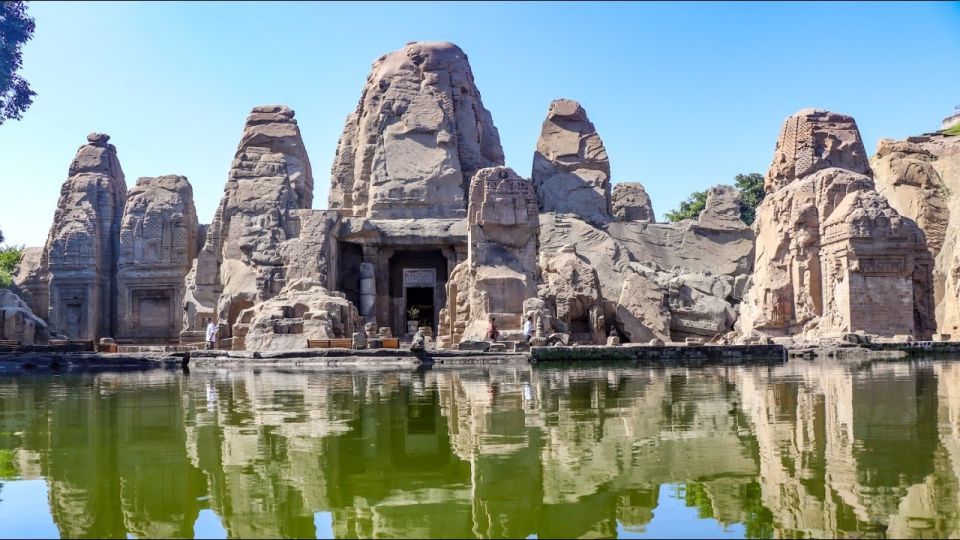
- Masroor Rock Cut Temple: Rama, Laxmana, and Sita shrines carved into stone, plus panoramic views toward the Dhauladhar Range
- Kangra Fort: a major Rajput stronghold tied to the Katoch dynasty and connected to Mahabharata-era references
- Brajreshwari Devi Temple: a Shakti Peeth legend tied to Sati, Shiva’s Tandav, and Vishnu’s chakra dividing the 51 parts
- Drive through Kangra Valley: a practical way to see the region beyond the main sights without complicated logistics
- Kangra market stop: time to browse local goods and pick up small gifts, with a chance to try local lemon soda
Masroor Rock Cut Temple: Where Devotion Meets Panoramic Views
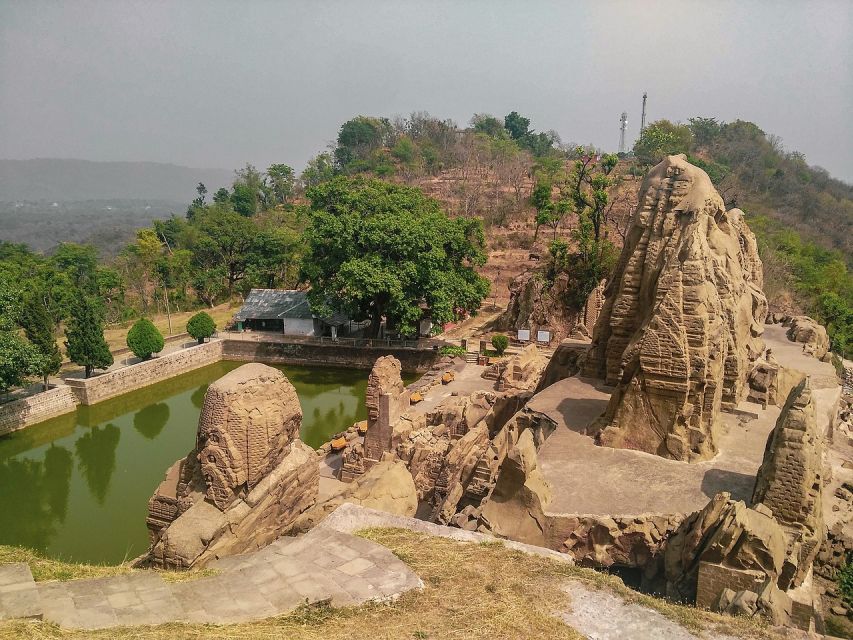
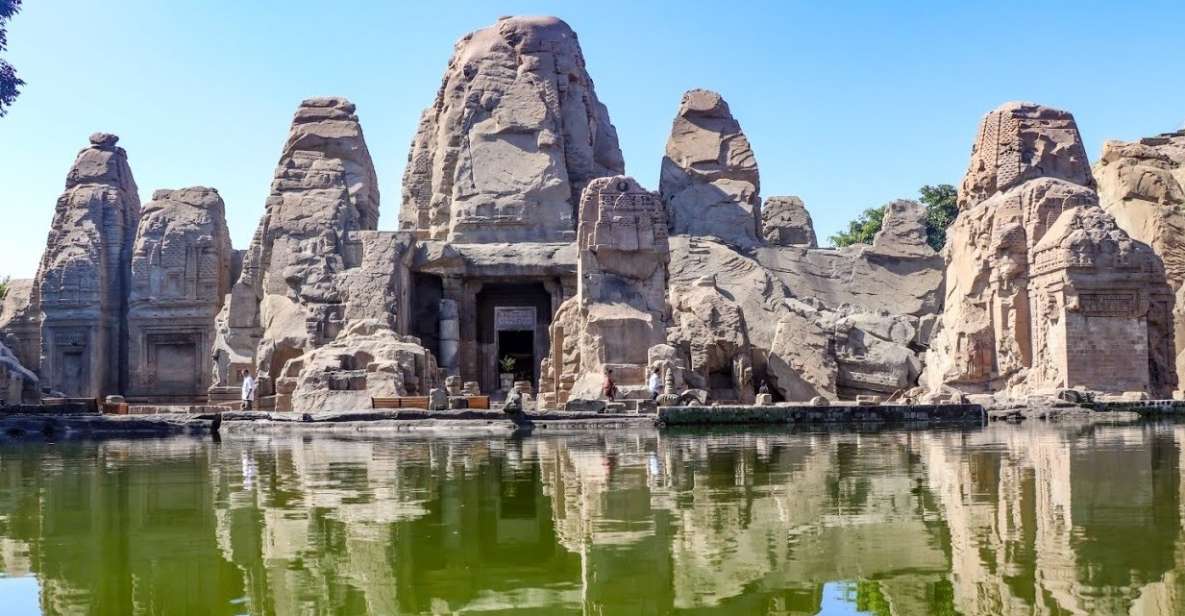
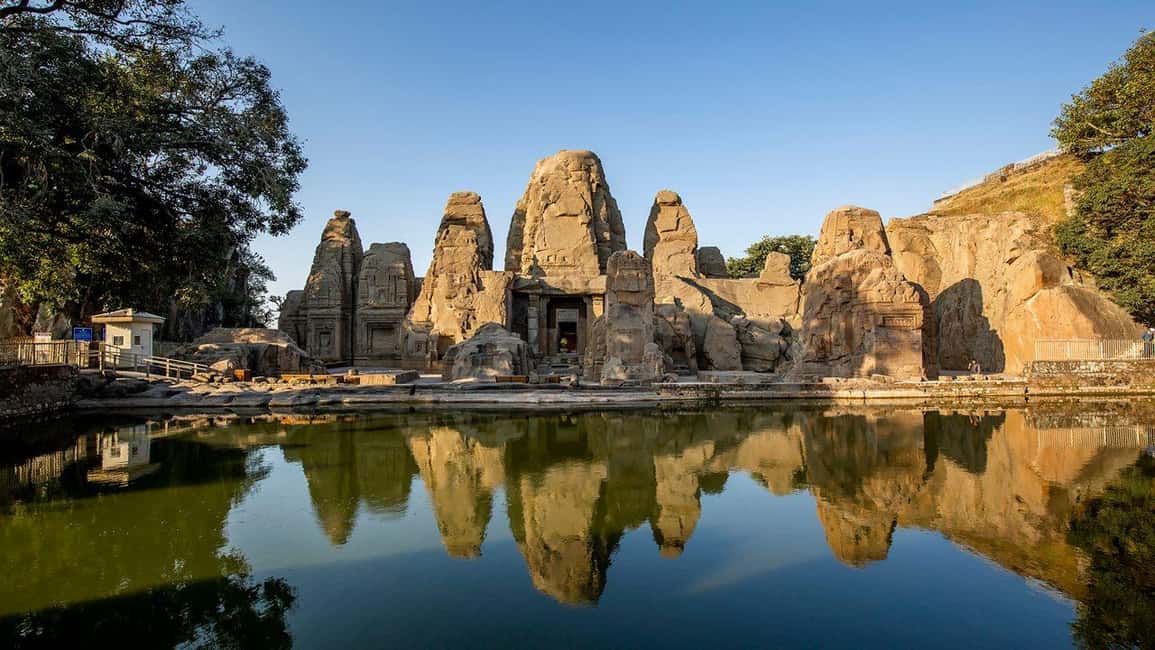
Start your Kangra day with the Masroor Rock Cut Temple complex, dedicated to Rama, Laxmana, and Sita—figures from the Mahabharata era whom Hindu devotees still worship today. The temples are carved into rock and arranged with a sense of layout and ritual space. Even if you’re not a deep Sanskrit scholar, the guide’s explanation helps you see how the shapes and placements connect to worship.
One practical reason I like Masroor: it’s built on a water pond and placed on a hill. That means you’re not just staring at carvings. You’re also looking outward—often toward the higher peaks of the Dhauladhar Range, and on clear days that view adds a whole extra layer to the visit. Bring your camera, but also pause and look up from the screen for a minute. The setting makes the carved stone feel less like an isolated artifact and more like part of a lived landscape of worship.
What to watch for: the area is outdoors and you’ll move around to view different angles. Wear comfortable footwear. And if the crowd is light, ask your guide to point out the best viewpoints for photos before you start wandering.
You can also read our reviews of more historical tours in Dharamsala
Kangra Fort and the Big Question: Why This Fortress Still Matters
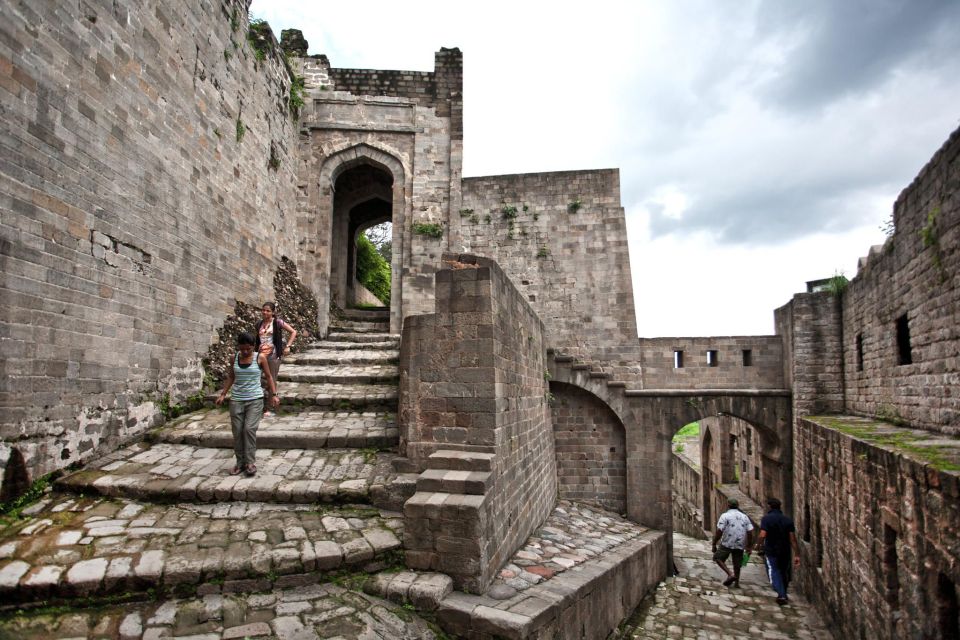
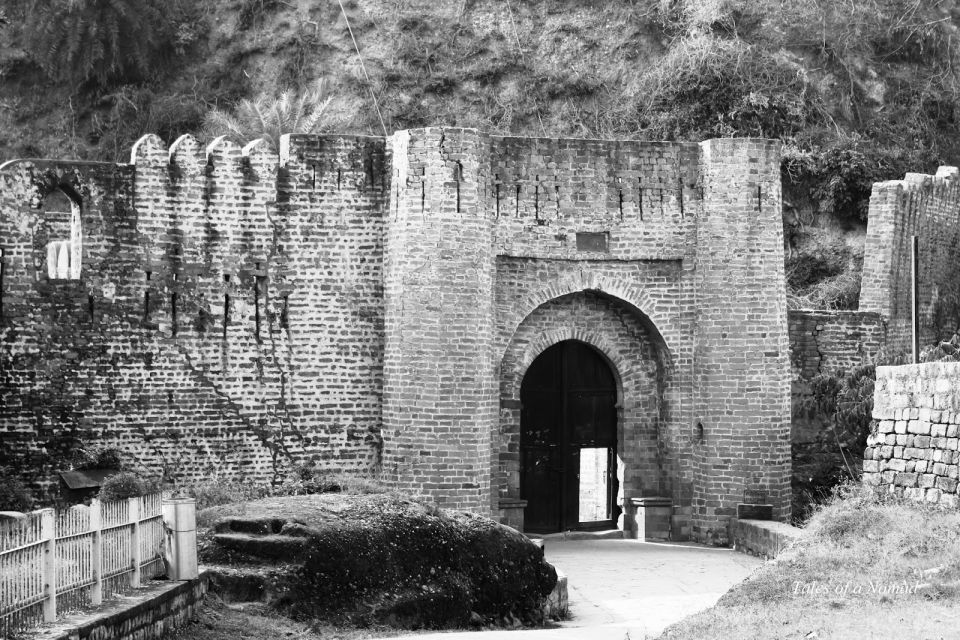
Next up is Kangra Fort, built by the royal Rajput family of Kangra State, known as the Katoch dynasty. Their roots are traced back to the ancient Trigarta Kingdom, mentioned in the Mahabharata epic. That link matters because it’s not only a fortress story—it’s a long string of cultural memory wrapped into stone walls.
The fort’s reputation is serious: it’s described as the largest fort in the Himalayas and possibly the oldest dated fort in India. Even if you take history claims like that with a grain of salt, the bigger point holds. This is a place where you can feel how power, protection, and politics worked in a rugged region.
Then come the big timeline beats that your guide should cover:
- The fort resisted Akbar’s siege in 1615.
- Jehangir later subdued it in 1620, which pushed the Raja of Chamba to submit.
If you like historical conflict stories (and who doesn’t, in a PG-rated way?), ask your guide how those events shaped what you see today. You’ll likely hear details about the fort’s strategic location and why it was hard to break.
Also: the fort visit often includes some movement uphill and a climb for viewpoints. Plan for that. If you’re short on energy that day, you can still enjoy the main perspectives without sprinting up every slope. The views are part of the reward.
Brajreshwari Devi Temple: The Shakti Peeth Legend Made Local
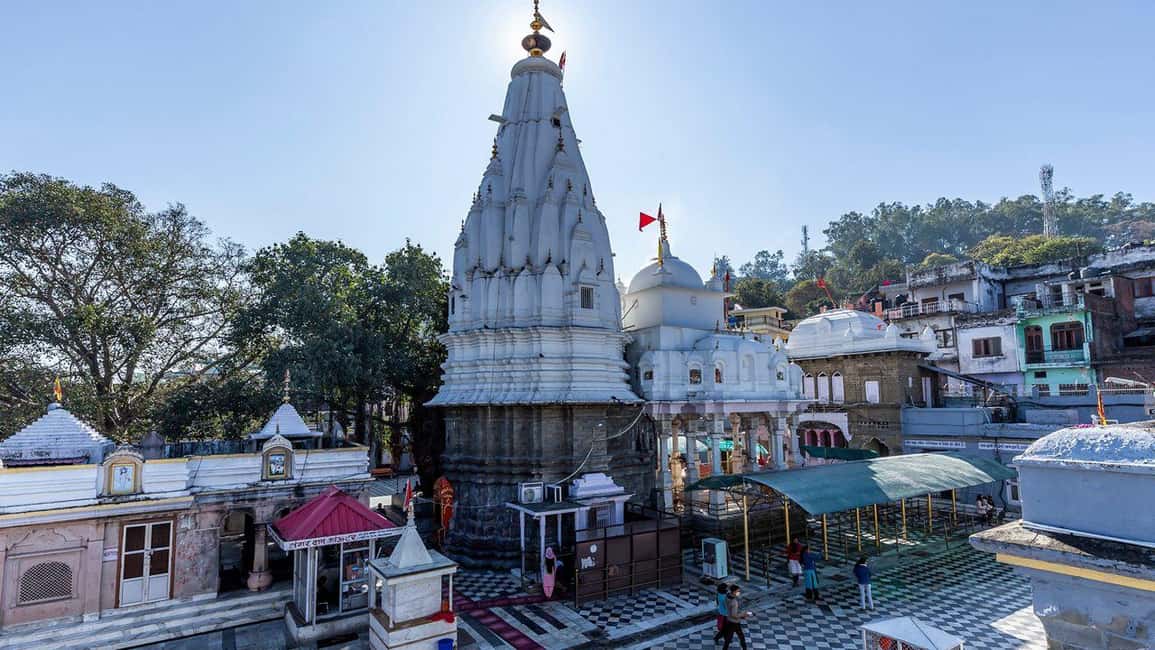
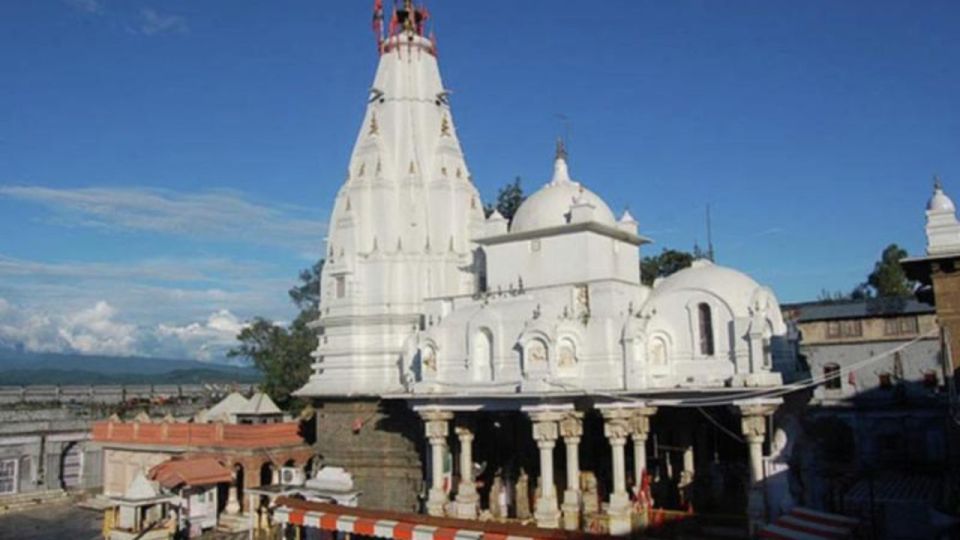
After the fort, your day turns more devotional with a stop at Brajreshwari Devi Temple. This is where the story gets myth-heavy, in the best way—because the legend explains why this specific spot became important.
Here’s the legend you’ll hear:
- Goddess Sati sacrificed herself in honor of Lord Shiva’s father’s Yagya.
- Shiva carried her body during Tandav.
- To stop destruction, Lord Vishnu divided Sati’s body into 51 parts using his chakra.
- The left breast of Sati fell at this location, making it a Shakti Peeth.
You’ll also hear that the original temple was built by the Pandavas around Mahabharatha time. Even if you treat myth and history as different categories, it still helps you understand how local belief systems map onto real places and why pilgrims keep returning.
What to do here: go in with a bit of respect and curiosity. Look at how people move through the space and how the guide frames the story. If you’re the type who likes to ask questions, this is a good moment to ask your guide what a Shakti Peeth means in everyday worship.
Kangra Valley Drive: Small Villages, Real Rhythm
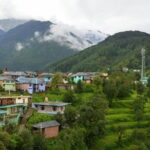
Between temples and fort, you’ll drive through the Kangra Valley area and pass local village scenes. This part is valuable because it’s not staged. You get glimpses of daily life—how people go about chores, how villages sit in relation to the road, and what the region feels like beyond the main monuments.
This is also where your guide can add color. In the feedback I’ve seen from guides working this route, the stronger ones connect the sights to small details: local food habits, what people do during the day, and how weather and terrain influence daily life. It makes the drive feel like part of the tour, not just a bus ride.
Tip: bring a light layer. Hill regions can shift temperature quickly, and sitting in a moving vehicle can feel cooler than you expect.
Kangra Market Stop: Souvenirs With a Real Taste Test
Your tour includes time in the Kangra market to browse local goods for gifts and souvenirs. This is a nice break from temples and stone stairs. You’re not just buying. You’re observing what locals sell, how stalls are set up, and what products seem most popular.
One detail worth calling out: you might get a chance to taste lemon soda (a local-style drink) during the market time. It’s the kind of simple stop that turns the day from purely sightseeing into something more personal.
How to use this market window:
- If you want gifts, decide what category you’re shopping for first (snacks, small crafts, everyday items).
- Keep an eye on prices and packaging—especially for food items you might carry back.
English-Speaking Guides: The Difference Between a Good Tour and a Great One
This is a private guided tour, and the guide quality can make or break the experience. Some guides on this route are excellent at connecting the site facts to the stories people actually repeat. Names that come up often include Hemant, Onkar, Ashok, and driver Manoj, with comments focused on clear English and strong historical and cultural context.
If you land with a guide who has a lot to share, you’ll likely get:
- crisp explanations of why Masroor is dedicated to Rama, Laxmana, and Sita
- the fort’s Katoch dynasty background and the Akbar/Jehangir timeline
- the Shakti Peeth legend for Brajreshwari Devi Temple
If you don’t get that level of detail, you can still rescue the day easily. Ask simple questions early, like:
- What’s the one story I should remember at Masroor?
- Which part of the fort matters most for understanding its past?
And yes, it’s okay to be a bit direct. A good guide wants you engaged.
Price and Logistics: What $104 Really Buys You
The listed price is $104 per group up to 1 for a 6-hour private experience. You’re paying for the core value stack:
- hotel pickup and drop-off in McLeod Ganj or Dharamshala
- a private car (vehicle size depends on group size)
- an English-speaking guide
- parking fees
What’s not included is equally important: monument fees and breakfast/lunch/dinner. So if you’re budgeting tightly, plan for extra spending once you’re there. Also, lunch can be a mixed bag depending on what’s available and what the guide chooses. Build in flexibility and bring a bit more than you think you need.
If you’re comparing this to cheaper options, remember what you get with a private day: less hassle, fewer timing headaches, and a guide who can answer questions while you’re standing at the site.
Who This Tour Is Perfect For (and Who Should Think Twice)
This tour is a great fit if you want:
- one focused day that covers major Kangra sights
- a blend of temples + fort + market
- real explanations in English, not just signboards
- an easier route from McLeod Ganj/Dharamshala without self-driving
It’s less ideal if you’re expecting a long, leisurely pace with lots of free time. The day is built around visits, views, and transitions. Also, if you’re extremely sensitive to walking on uneven temple areas and stair steps, you’ll want to slow down and plan for it.
Should You Book This Kangra Fort and Rock Temple Tour?
Yes—if you want a solid, history-focused day where the guide can connect legends to stone and explain why these sites matter. The strongest parts of this experience tend to be the guide-led storytelling, the photo-worthy setting at Masroor, and the feeling that Kangra’s major landmarks are part of one connected route.
Before you hit confirm, do two smart checks:
- Budget a little extra for monument fees and meals.
- At pickup, tell your guide what you care about most—fort history, temple legends, or best viewpoints for photos. That simple request usually pays off fast.
FAQ
How long is the Kangra fort and Rock cut temple tour?
The duration is 6 hours.
Where does pickup happen?
Pickup is included from city hotels only, with two pickup options: McLeod Ganj and Dharamshala.
Is the tour private?
Yes. It’s a private group with a live English-speaking guide.
What temples and sights are included?
You visit Masroor Rock Cut Temple, Kangra Fort, and Brajreshwari Devi Temple, and you also get time in the Kangra market.
Are monument entry fees included in the price?
No. Monument fees are not included.
Are meals included?
No. Breakfast/lunch/dinner are not included.
What transportation is provided?
You travel by private car as per the itinerary, with options depending on group size: Medium Car (up to 2 pax), Innova Car (up to 6 pax), or Tempo Traveler (up to 10 pax), plus parking fees.
Is there free cancellation?
Yes. You can cancel up to 24 hours in advance for a full refund.