REVIEW · POKHARA
7-Day Trek to Annapurna Base Camp from Pokhara
Book on Viator →Operated by CAN Travels · Bookable on Viator
Seven days, one giant mountain goal. This Pokhara-to-Annapurna Base Camp trek is built around English-speaking trekking guidance and real village days through Ghandruk, Sinuwa, and Chomrong, so you get more than just photos. I also like that the itinerary includes guesthouse accommodation during the trek—simple, expected, and easier to plan around.
One thing to plan for: food and drinks are not included. You’ll buy most meals along the way, so budget for lunches, snacks, and hot drinks on the trail.
In This Review
- Key Things I’d Mark Before You Go
- Why Annapurna Base Camp Is Worth 7 Days (Not Just a Day Trip)
- Getting Started From Pokhara Lakeside (And Actually Staying Organized)
- Day 1 to 3: Ghandruk, Upper Sinuwa, Deurali—The Slow Build Up
- Day 1: Into Ghandruk via Siwai and the Modi River
- Day 2: From Ghandruk to Upper Sinuwa (7 hours, with a workout vibe)
- Day 3: Upper Sinuwa to Deurali toward Annapurna Sanctuary
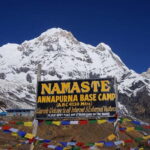
- Day 4: Annapurna Base Camp and Machhapuchhre Base Camp (The Big Day)
- Day 5 to 7: Bamboo, Jhinu Danda, Chomrong, and Back to Pokhara
- Day 5: Down to Bamboo (watch your footing)
- Day 6: Jhinu Danda and the forest-and-bridge rhythm
- Day 7: Short downhill, long suspension bridge, then Pokhara
- The Guide Makes a Real Difference (Biru, Amrit, Shiva, and the “right kind of support”)
- Value for Money in the $345 Package
- What You’ll Still Pay for: Food, Drinks, Porters, and Tips
- Difficulty Level: Who This Is Best For (And Who Should Reconsider)
- Should You Book This 7-Day Annapurna Base Camp Trek?
- FAQ
- What’s included in the $345 price?
- Is food and drink included?
- Do I need a porter, and what does it cost?
- What time does the trek start?
- Where does the trek start and end?
- Can I cancel for a full refund?
Key Things I’d Mark Before You Go
- English-speaking guide support throughout, plus a normal first aid kit with the guide
- Guesthouse stays each night during the trek (no tent drama required)
- Transfers are covered: Pokhara to Siwai, and Samrung Khola back to Pokhara by shared jeep or bus
- Trekking poles provided (one per person), which helps on descents
- Private trek for your group, with pickup/drop within Pokhara Lakeside
- Time on the Annapurna Base Camp climb: a 730 m ascent on Day 4 after reaching higher base points
Why Annapurna Base Camp Is Worth 7 Days (Not Just a Day Trip)
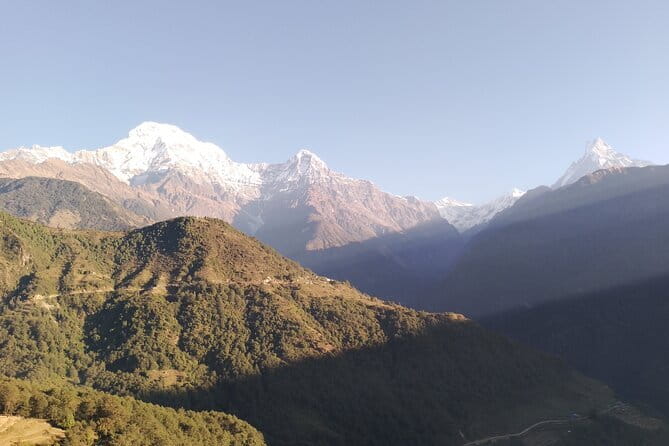
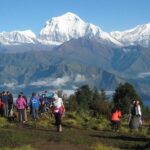
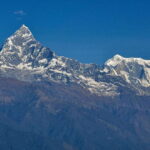
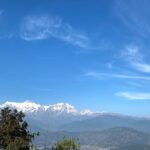
Annapurna Base Camp has a special pull because you don’t just “arrive.” You build toward it. Day after day, you move from village trails to higher paths where the air feels cooler and the world gets quieter. By the time you reach the base camp area, you’re not walking through a postcard—you’re standing inside the Annapurna massif’s big wall of rock and snow.
And this trek doesn’t treat culture like an extra stop. Your route passes through everyday places like Ghandruk and Chomrong, where the trail is close to home life, local communities, and small mountain routines. That means your days can feel equal parts exertion and connection—especially when your guide explains what you’re seeing and why it matters.
You can also read our reviews of more hiking tours in Pokhara
Getting Started From Pokhara Lakeside (And Actually Staying Organized)
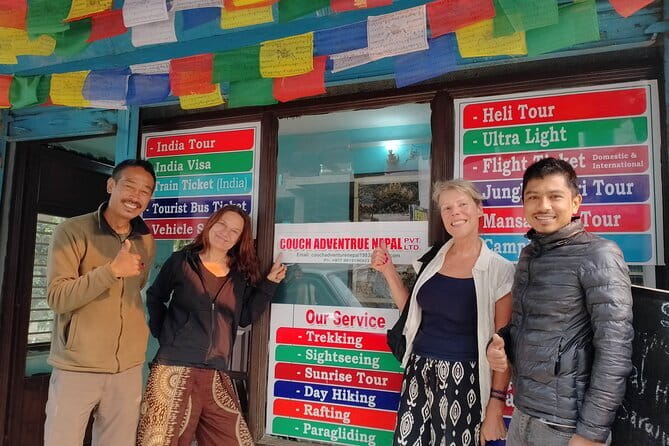
You’ll meet the trip with a 2:15 pm start time, and the operator offers hotel pickup and drop-off within the Lakeside area. That matters more than it sounds. Pokhara can be busy and spread out, so having a local pickup reduces the usual scramble of finding offices, sorting documents, and trying to guess transport timing.
Day 1 includes a drive to Siwai, then you hike into the Ghandruk area. That structure helps because you’re not burning your first day on unnecessary city travel.
On the way back, Day 7 ends with you hiking toward Samrung Khola, then taking a local jeep to Pokhara (with shared jeep or bus options included). It’s a practical finish: you get daylight walking, then a real-world transport back to town when your legs are done bargaining.
Day 1 to 3: Ghandruk, Upper Sinuwa, Deurali—The Slow Build Up
Day 1: Into Ghandruk via Siwai and the Modi River
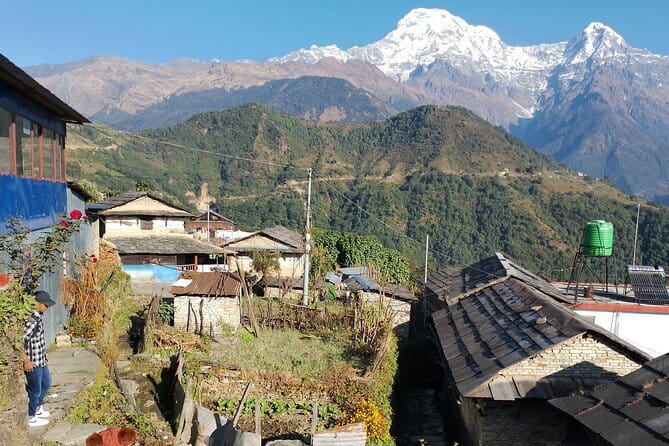
After pickup, the plan is to drive to Siwai and trek to Ghandruk. The path follows the Modi River and threads through authentic villages with uphill sections that open up the Annapurna valley view. I like Day 1 because it eases you into the rhythm: you get enough hiking to feel like you started something, but you’re not thrown straight into maximum altitude effort.
What to watch: Day 1 still includes trekking time (about 7 hours in the schedule). If you’re coming off a long travel day, go easy with your pace early.
Day 2: From Ghandruk to Upper Sinuwa (7 hours, with a workout vibe)
Day 2 climbs toward Upper Sinuwa, starting after breakfast. The walk is described as a strenuous, fluctuating trail and takes around 7 hours (with lunch time noted separately). This is the day where you feel the “mountain trek” feel in your calves. The upside is you’re walking through changing terrain and settlement patterns, not just climbing switchbacks.
Potential drawback: this is not a “wander and admire” day. If you’re fitter than average, you’ll enjoy it more. If you’re not, take breaks often and keep your breathing steady.
You can also read our reviews of more tours and experiences in Pokhara
Day 3: Upper Sinuwa to Deurali toward Annapurna Sanctuary
After spending the night in Upper Sinuwa, Day 3 is the winding uphill day that leads toward Annapurna Sanctuary. You’re told to expect cooler, fresher air as the trail rises.
The big value here is pacing. Day 2 asks for effort; Day 3 builds momentum toward the Sanctuary zone without pretending it’s a flat stroll. You’ll likely get more “oh wow” moments as the vegetation and light change.
Day 4: Annapurna Base Camp and Machhapuchhre Base Camp (The Big Day)
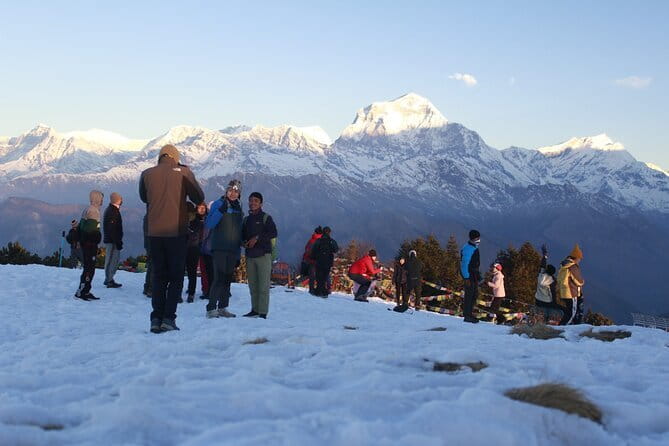
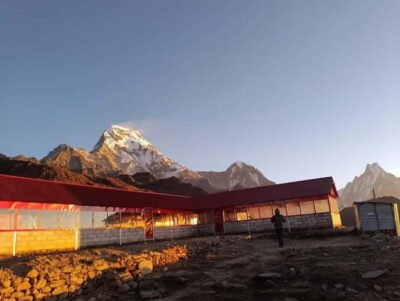
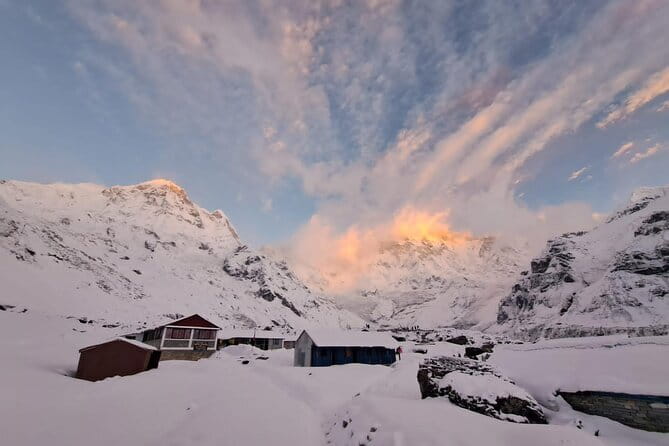
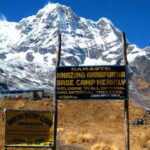
Day 4 is the headline: after breakfast you trek up to the Machhapuchhre Base Camp area, then continue to Annapurna Base Camp. The schedule notes that Machhapuchhre Base Camp lies around 3900m, and that today includes a 730 m climb to reach Annapurna Base Camp.
This is where the Annapurna experience goes from “cool hike” to “stand here and absorb it.” Base camp is crowded enough to feel alive, but still wild enough to remind you this is mountain country, not a theme park. I also like that the itinerary frames today as a climb with a measurable effort, so you can mentally prepare.
Practical tip: take it slow on the ascent. Even with a guide and a supported pace, your job is to avoid sprinting uphill. Save your energy for enjoying the view when you finally stop.
Day 5 to 7: Bamboo, Jhinu Danda, Chomrong, and Back to Pokhara
Day 5: Down to Bamboo (watch your footing)
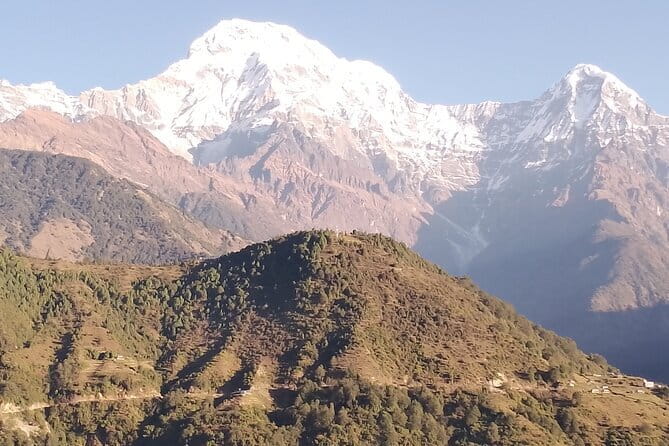
After time at Annapurna Base Camp, you head back down to Bamboo. The route is described as a decent descent, but it’s still a descent you need to respect. You’ll pass through places named Deurali, Himalaya, and Dovan on the way toward Bamboo.
This is where trekking poles help. Your schedule includes poles for each person, and they’re especially useful for steep, rocky, or slippery downhills.
Consideration: descents can be more tiring than the climb. Plan for sore knees and go careful around trail edges.
Day 6: Jhinu Danda and the forest-and-bridge rhythm
Day 6 is a mix of short climbs, forest walking, and village scenery. The route goes to Jhinu Danda, includes a short steep up to Khuldighar, then descends through forest to Sinuwa-Danda. From there, you descend to Chomrong Khola, cross a bridge, then climb briefly to Chomrong village.
This day feels like a transition toward civilization again. Chomrong is a common “checkpoint” on Annapurna routes because it gives you that classic sense of shelter and warmth after higher sections.
Day 7: Short downhill, long suspension bridge, then Pokhara
On the last day, you hike a short downhill and cross a long suspension bridge toward Samrung Khola. After that, you catch the included local jeep back to Pokhara.
I like this ending. It’s active enough to feel complete, but not so long that you stagger into town. You’ll be able to reset quickly—shower, dinner, and a well-earned lie-down.
The Guide Makes a Real Difference (Biru, Amrit, Shiva, and the “right kind of support”)
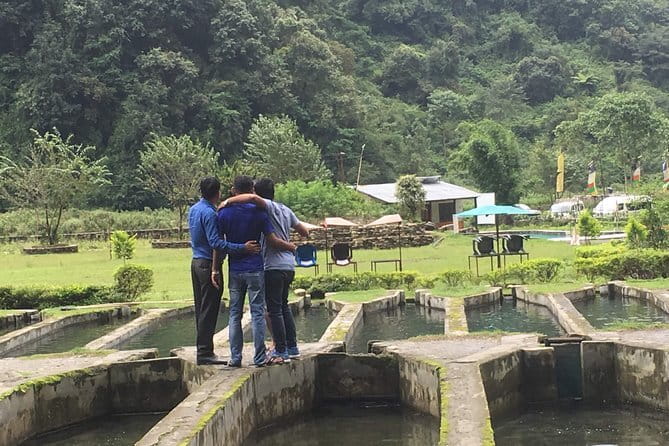
One of the most praised parts of this trek is the guide experience. Multiple guides are named in real feedback—Biru, Amrit, and Shiva—and the common thread is style: friendly, patient, and focused on keeping you comfortable and safe on a route that gets serious at altitude.
That matters because Annapurna isn’t just about walking. It’s also about decision-making: when to rest, how to handle slower hikers, what to pay attention to, and how to keep morale up when the trail drags. A good guide helps you read the day. The included English-speaking guide setup is the backbone of that.
What you can do to get the most out of your guide: ask questions about the villages you pass and what you should notice on climbs and descents. Even with an organized plan, curiosity turns a trek into understanding.
Value for Money in the $345 Package
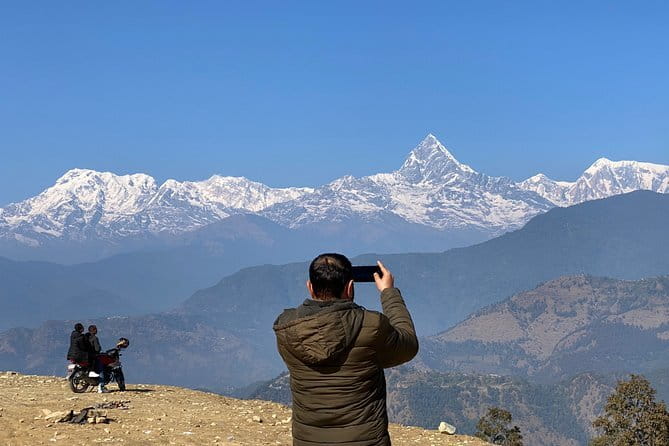
At $345 per person for a 7-day trek, the value mostly comes from what’s already handled for you. This package includes:
- Permits and official documents
- Hotel pickup/drop within Lakeside
- English-speaking trekking guide
- Guesthouse accommodation during the trek
- Pokhara ↔ Siwai and Samrung Khola ↔ Pokhara transfers (shared jeep or bus)
- Trekking poles (one per person)
- A private trek setup for your group
When you compare this to a DIY approach, the savings aren’t only about money. It’s also about friction. Permits, local transport timing, lodging coordination, and knowing the right trail segments can burn time fast. Here, you’re paying to remove that guesswork.
About “private trek” vs group discounts: the tour format is private for your group, while the broader booking setup may still offer group discounts. Either way, you should confirm how your group size affects pricing.
What You’ll Still Pay for: Food, Drinks, Porters, and Tips
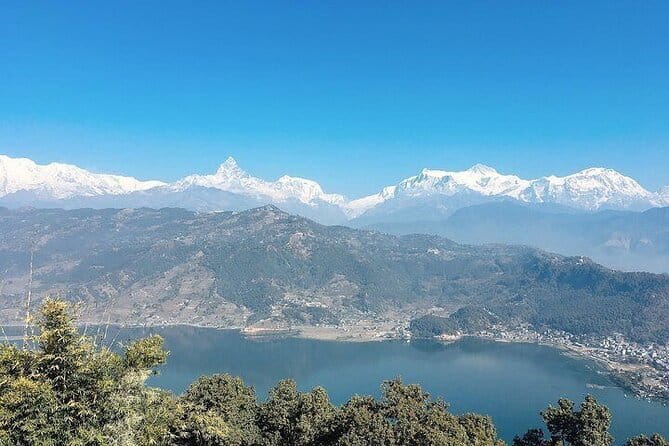
Even with a solid package, you should expect extra costs:
- Food and drinks are available for purchase, not included. Budget for meals and warm drinks, especially on colder higher sections.
- Porter add-on: listed at $25 per day, with one porter for two people. This can be a big quality-of-life upgrade if you don’t want to carry much beyond essentials.
- Gratuities are optional.
My practical advice: decide early whether you want to carry everything. If you’re planning to bring extra layers, snacks, and water, a porter can keep your hike enjoyable rather than just survivable.
Difficulty Level: Who This Is Best For (And Who Should Reconsider)
This trek is not marketed as gentle. The schedule includes long walking days (notably Day 2 around 7 hours and multiple 6–7 hour days), and Day 4 includes a 730 m climb. You’re also told you should have a strong physical fitness level.
That doesn’t mean you need to be an athlete. It does mean you should be comfortable with hours of walking, steady climbs, and careful descents. If you’re the type who loves hiking but hates knee strain, take the descent days seriously: go slow, use your poles, and drink water.
Should You Book This 7-Day Annapurna Base Camp Trek?
Book it if you want:
- A well-paced, guided trek focused on getting to Annapurna Base Camp with less logistics stress
- Guesthouse accommodation and practical daily structure
- A guide-led experience where the human side matters as much as the views, with guides like Biru, Amrit, or Shiva often praised for safety and good energy
Skip it or choose a different style if:
- You dislike planning for extra daily costs, since food/drinks are not included
- You want a shorter or easier trek with fewer long hiking days
If you’re ready to work for it, this is the kind of Annapurna route that turns into the highlight of a Nepal trip—because it’s not just about reaching a dot on the map. It’s the steady climb, the village trail feel, and that final stand at base camp.
FAQ
What’s included in the $345 price?
The price includes hotel pickup and drop-off within the Lakeside area, an English-speaking trekking guide, trekking permits and official documents, guesthouse accommodation during the trek, Pokhara to Siwai and Samrung Khola to Pokhara transfers by shared jeep or bus, trekking poles (one per person), a private trek setup, and a normal first aid kit with the guide.
Is food and drink included?
No. Food and drinks are available on purchase along the trek.
Do I need a porter, and what does it cost?
Porter support is optional. The listed porter cost is $25 per day, with one porter for two people.
What time does the trek start?
The meeting start time is 2:15 pm.
Where does the trek start and end?
It starts with pickup in Pokhara Lakeside and begins trekking after a drive to Siwai. It ends in Pokhara after the final hike toward Samrung Khola and a jeep or bus ride back.
Can I cancel for a full refund?
Yes. There is free cancellation, and you can cancel up to 24 hours in advance for a full refund. If you cancel less than 24 hours before the start time, the amount paid is not refunded.