REVIEW · POKHARA
Annapurna Base Camp Trek from Pokhara 7 Days
Book on Viator →Operated by My Dream Adventure (MDA) · Bookable on Viator
Hiking to Annapurna Base Camp is the kind of plan you remember. This 7-day trek from Pokhara is built for real contact with mountain villages, guided route-finding, and mountain-view payoff, with hotel pickup and local logistics handled. You’ll follow the Modi Khola valley up through forests and farmland, then finish with a proper warm-water reset in Jhinu Danda.
What I like most is the real-world support: an English-speaking trekking guide, permits (including TIMS), and guesthouse stays along the way. The second big win is the pacing that still feels active: days are long enough to make progress, but you’re also given time to enjoy key stops like Chhomrong, Deurali, and finally the base camp area.
One consideration: this route includes steep descents, especially the day down to Bamboo, so knees matter. If you’re newer to trekking or know your knees get grumpy, you’ll want to go slowly and stay conservative on footing.
In This Review
- Key points to know before you go
- Pokhara to Jhinu Danda: permits, pickup, and your first hiking day
- Day-by-Day walk: Modi Khola to Chhomrong to Deurali
- Day 1: Along the Modi Khola and into the village route
- Day 2: The uphill to Chhomrong and dense forest trekking
- Day 3: Deurali and the view-focused lunch break
- Day 4 is the centerpiece: Machhapuchhare Base Camp and Ablation Valley to Annapurna Base Camp
- Days 5 and 6: the Bamboo descent, knee care, and Jhinu hot springs
- Day 5: Down to Bamboo, a real test for knees
- Day 6: Panoramic valley walking to Jhinu Danda
- Day 7: A farmland walk to Nayapul and back to Pokhara
- Price and logistics: what the $395 covers and where costs may pop up
- Guides and the small stuff that changes the trek
- Who should book this Annapurna Base Camp trek (and who should think twice)
- Should you book Annapurna Base Camp from Pokhara with My Dream Adventure (MDA)?
- FAQ
- FAQ
- How long is the Annapurna Base Camp trek from Pokhara?
- What does the trek cost?
- Is pickup from my hotel included?
- Do I get help with permits and TIMS?
- Is there an English-speaking guide?
- What kind of lodging is included?
- Is the trek private or shared?
- Do transfers happen by jeep?
- Is there a hot springs stop?
- What is not included in the package?
Key points to know before you go
- Hotel pickup plus sharing jeep transfers keeps day one from feeling like chaos in Pokhara
- Permits and TIMS are included, so you’re not scrambling right before the trail
- Guesthouse nights in Jhinu Danda, Chhomrong, Deurali, and Bamboo mean less logistical work for you
- Day 4 route includes Machhapuchhare Base Camp and Ablation Valley, not just a straight line to the goal
- Jhinu Danda hot springs are built in on day six for recovery and morale
- English-speaking guides with strong communication show up repeatedly in trek experiences credited to guides like Biru, Dadi, Bikram, Prakash, and Krishna
Pokhara to Jhinu Danda: permits, pickup, and your first hiking day
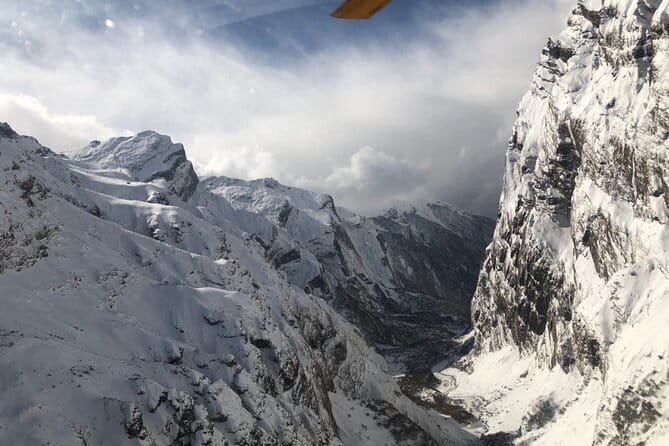
This trek starts with hotel pickup in Pokhara and a transfer to the trail’s starting area. The day includes permit checks and getting yourself set with the right gear before you head onto the path. That matters more than it sounds. When you’re on a tight schedule, paperwork delays turn into wasted daylight, and daylight in the Himalaya is everything.
Your first walking day is focused on easing into the route along the Modi Khola River, passing through small villages as you go. It’s a gentle start compared with the later push, and it’s also your first chance to get a feel for how village life and trekking trails overlap here. You’re not just “walking in nature” — you’re moving through inhabited spaces, where the trek is part of local rhythm.
Day 1 also sets the tone for the kind of trek you’re signing up for: guided, structured, and designed so you don’t have to figure out what’s next. If you like having a plan, this format will feel reassuring.
You can also read our reviews of more hiking tours in Pokhara
Day-by-Day walk: Modi Khola to Chhomrong to Deurali
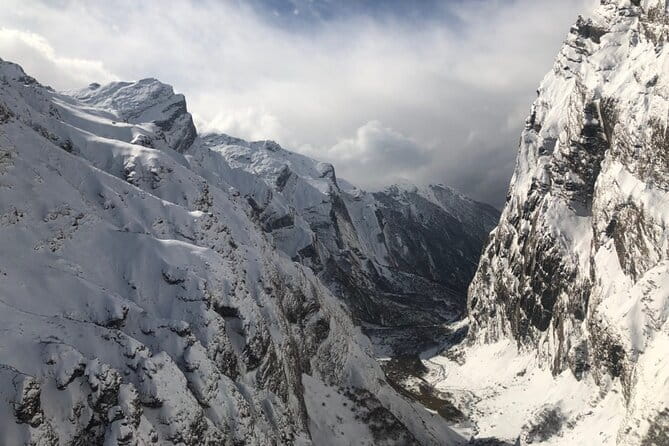
Day 1: Along the Modi Khola and into the village route
Expect around 9 hours on the move. That includes the transfer and the initial trek along the river valley. Even if the pace feels steady, this is where you’ll start building the trekking rhythm: stop, breathe, look up at the peaks when you get a break in the trees, then keep going.
One smart mindset for day one: treat it as calibration. Your legs learn fast, but only if you don’t spend day one sprinting.
Day 2: The uphill to Chhomrong and dense forest trekking
Day 2 is a clear step up. You’ll do an uphill trek to Chhomrong, described as one of the largest villages on the route. From there, you continue through dense forest landscapes before reaching your second-night accommodation.
Chhomrong tends to be a psychological milestone on this trek. You’ve been moving village to village, but Chhomrong signals you’re getting closer to the higher, more dramatic terrain. It’s also a good place for rest and people-watching, because trekking crowds (and local movement) concentrate here.
Day 3: Deurali and the view-focused lunch break
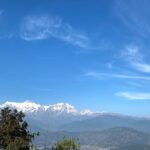
Day 3 becomes more scenic in a big way. You trek to Deurali, with time set aside for mountain views and a lunch stop with Himalayan scenery. You also continue through dense forests, which means the day is not just about looking up — it’s about transitioning between vegetation zones as you gain ground.
Reaching Deurali for the night keeps your route balanced. You’re getting a night in a place that feels tied to the trail, not a far-off detour. For many people, that’s the sweet spot: guided, simple, and built around the same route you came for.
You can also read our reviews of more tours and experiences in Pokhara
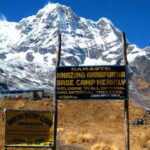
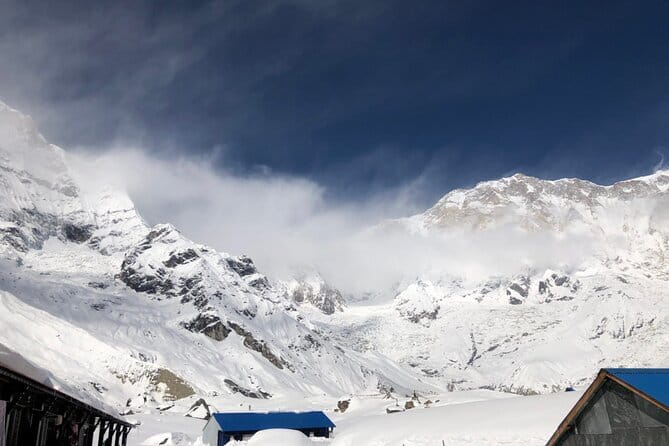
Day 4 is the centerpiece: Machhapuchhare Base Camp and Ablation Valley to Annapurna Base Camp
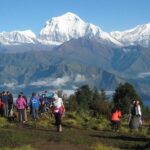
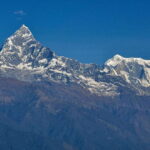
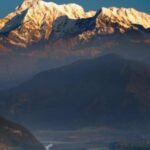
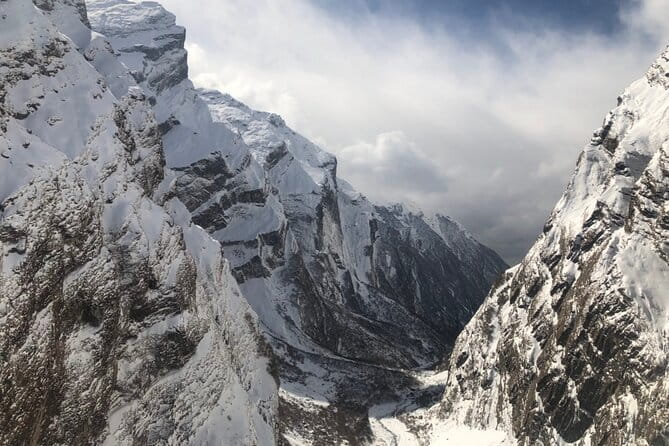
Day 4 is the day you remember on purpose. You’ll follow the trail across several streams toward Machhapuchhare Base Camp, then hike to Ablation Valley, described as a hollow corridor between the glacier and the mountain. After that, you cross hills to reach Annapurna Base Camp.
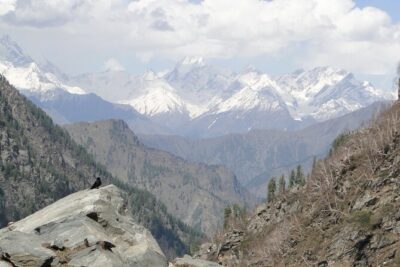
This is more than “arrive at a viewpoint.” The route adds variety. Streams mean you’ll be walking different ground types, and the Ablation Valley segment sounds like the kind of place where the scenery changes character — the mountain shapes feel closer, and the corridor effect makes your sense of scale adjust quickly.
You’ll also see that day 4 is the one listed with an admission ticket included. Even without obsessing over details, that’s a clue that the base camp area has more formal access than the earlier village stages.
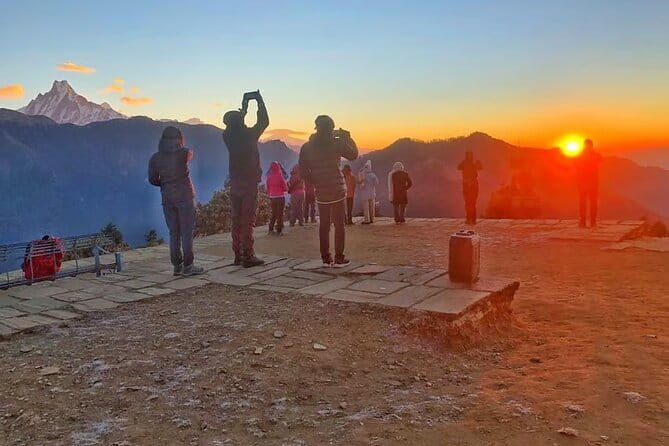
If you’re trying to photograph this day (and many people do), build in patience. The best shots usually come after you stop for a moment and let the light settle. A good guide helps too, and multiple trek experiences through this operator give credit to guides for practical support and helping solo trekkers with photos along the way.
Days 5 and 6: the Bamboo descent, knee care, and Jhinu hot springs
Day 5: Down to Bamboo, a real test for knees
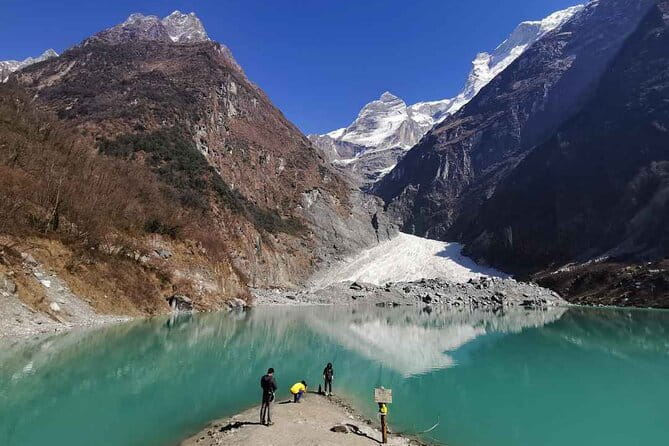
Day 5 is the “your legs will talk to you” day. You hike down from Annapurna Base Camp to Bamboo, which is listed as 1,600 meters lower. It’s about 6 hours of trekking, and the route is specifically called out as challenging for knees.
Here’s the practical takeaway: treat this as a downhill training day. That means slower steps, steady foot placement, and fewer rushed breaks. If you feel fine at the start, don’t assume it will stay that way. Downhill fatigue creeps in.
Still, the reward is big. You’ve gone from the high-intensity goal day to a controlled descent through different scenery, which can feel like a mental release.
Day 6: Panoramic valley walking to Jhinu Danda
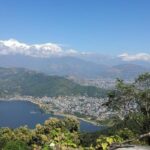
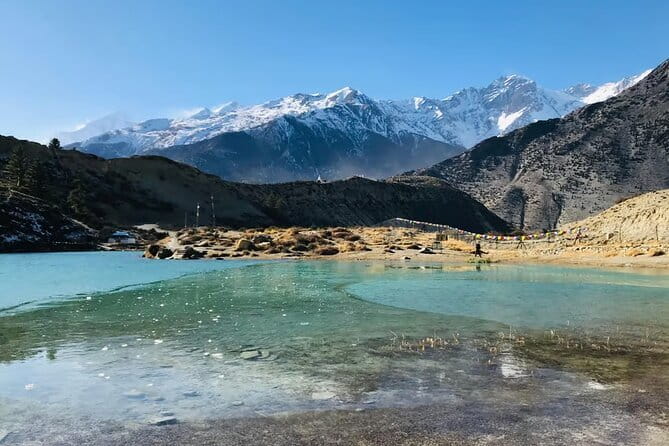
Day 6 continues the descent through the valley, including panoramic views, and you descend to Chhomrong and then Jhinu Danda. The highlight is that you end the trekking day with a well-deserved rest in hot spring baths in Jhinu.
This is one of those details that’s easy to overlook until you’re actually tired. Warm water after a long, knee-heavy day can make the rest of your travel day feel normal again instead of swollen and stiff. It’s also a morale booster: the trek has a real ending ritual.
Day 7: A farmland walk to Nayapul and back to Pokhara
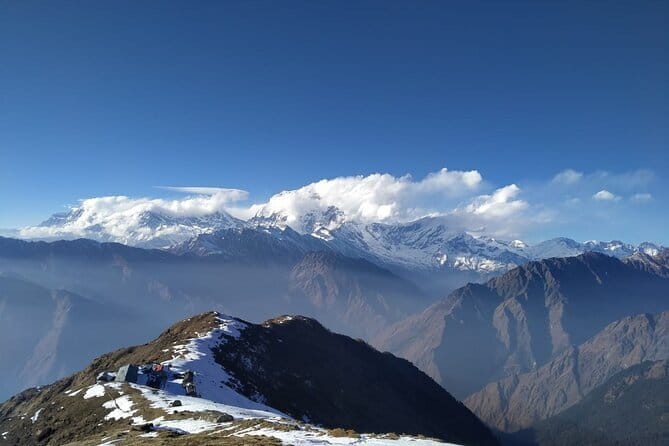
Day 7 is about transition and closure. You take a short morning trek passing farmland along the river, reach Nayapul, and then return to Pokhara for drop-off.
This is your chance to walk without the mental pressure of a big climb or a base camp push. It’s a softer landing, and it helps you shift from trekking mode to travel mode. If you’ve been sitting in a lodge most nights, this is also where you get a more local feel again, with farmland and everyday movement returning to center stage.
At about 7 hours, it’s long enough to feel like a full day, but short enough that it won’t undo the previous week’s recovery.
Price and logistics: what the $395 covers and where costs may pop up
This trek is listed at $395 per person for around 7 days. Value here comes from what’s included:
- Hotel pickup and drop-off (so you’re not solving first-day timing alone)
- Round trip transfer by sharing jeep (practical, and usually faster than doing everything by local transport)
- English-speaking trekking guide
- Trekking permit and TIMS
- Accommodation in guest house
- Private trip (your group participates together)
A big “value” point is the permits and TIMS. Many trip budgets go wrong because people forget how critical those items are until the last minute. Having them handled in the package reduces stress.
That said, there are typical costs not included: personal expenses and optional gratitude. Also, the listing notes group discounts, while also stating private trip. If you’re traveling with friends, ask directly how pricing works for your group size so you don’t miss savings.
One more detail worth noting: the tour summary says you get a mobile ticket. That’s useful if you prefer digital confirmations over paperwork on the road.
Guides and the small stuff that changes the trek
You don’t just buy miles. You buy route decisions, pacing, and the ability to handle small problems without turning them into big ones.
In trek experiences tied to this operator, guides are repeatedly praised by name: Biru, Dadi, Bikram, Prakash, and Krishna. Common threads in those credits include helpfulness, kindness, professionalism, and being able to support solo trekkers with photos and arrangements.
Even if you never need those services, it helps to know they’re part of how the trek tends to run. An English-speaking guide also makes it easier to understand what’s happening on each day, rather than guessing based on signs and word-of-mouth.
Guesthouses are included, and that’s the other practical win. Trek logistics can balloon when you’re hunting for rooms. Here, the accommodations are part of the plan, with stops that match the day structure.
Who should book this Annapurna Base Camp trek (and who should think twice)
This trek fits you if:
- You want a guided experience with permits handled and an English-speaking trekking guide
- You like cultural route-walking through villages like the Chhomrong stop
- You’re aiming for Annapurna Base Camp as the central goal, with a route that includes Machhapuchhare Base Camp and Ablation Valley
- You’re comfortable with long hiking days that range around 6 to 9 hours
Think twice if:
- Your knees struggle on downhill travel. Day 5 is explicitly described as challenging for knees
- You’re expecting a short walk. This is a real multi-day hike, not a quick weekend outing
Also, the trek calls for moderate physical fitness. That’s encouraging for many people. It doesn’t mean it’s easy; it means it’s not designed for extreme technical trekking.
Should you book Annapurna Base Camp from Pokhara with My Dream Adventure (MDA)?
If you want a structured, value-focused trek that handles permits, guide support, and guesthouse nights, this package looks like a solid choice. The itinerary is built around clear milestones — Chhomrong, Deurali, and then a full-on day to Annapurna Base Camp — with the hot springs in Jhinu Danda as a real finishing reward.
I’d book it if you can say yes to two realities:
1) you’ll be doing long days on foot, and
2) downhill portions, especially the Bamboo descent, will demand slower, careful steps.
If that sounds manageable, you’ll likely appreciate the way the trek balances village life, forest walking, major mountain-view days, and a practical recovery moment at the end.
FAQ
FAQ
How long is the Annapurna Base Camp trek from Pokhara?
It’s scheduled for about 7 days.
What does the trek cost?
The price is $395.00 per person.
Is pickup from my hotel included?
Yes, hotel pickup and drop-off are included.
Do I get help with permits and TIMS?
Yes. Trekking permits and a TIMS card are included.
Is there an English-speaking guide?
Yes. The package includes an English speaking trekking guide.
What kind of lodging is included?
Accommodation in guest houses is included.
Is the trek private or shared?
It’s listed as a private trip, meaning only your group participates.
Do transfers happen by jeep?
Yes. Round trip transfer by sharing jeep is included.
Is there a hot springs stop?
Yes. On day six, you’ll have time to rest in hot spring baths in Jhinu Danda.
What is not included in the package?
Personal expenses and optional gratitude are not included.