REVIEW · POKHARA
Experience Mardi Himal Trek
Book on Viator →Operated by Himalayas On Foot - Day Tours · Bookable on Viator
Stepping into the Annapurna foothills feels surprisingly real here. I love the way this trek mixes forest mornings with major viewpoints like Machhapuchhre, and I also like that the logistics are handled end to end with a licensed guide and permits. One thing to consider: you’ll reach 4,500m at Mardi Himal Base Camp, so you need to take altitude seriously and pace your effort.
Over six days, the route walks you from rhododendron and oak woods up toward the high, open air above the tree line. You get cultural contact on the descent through village terrain, then you’re back down to Pokhara and onward to Kathmandu. If you hate early starts, plan to adjust your expectations since sunrise views are part of the day at altitude.
In This Review
- Key Highlights Worth Getting Excited About
- Mardi Himal Trek: The Value Story Behind the $760 Price
- Day-by-Day Walk Through the Annapurna Foothills (and Beyond)
- Day 1: Pokhara to Kande, then Forest Camp (2,600m)
- Day 2: Forest Camp to Low Camp (3,150m) with Machhapuchhre Glimpses
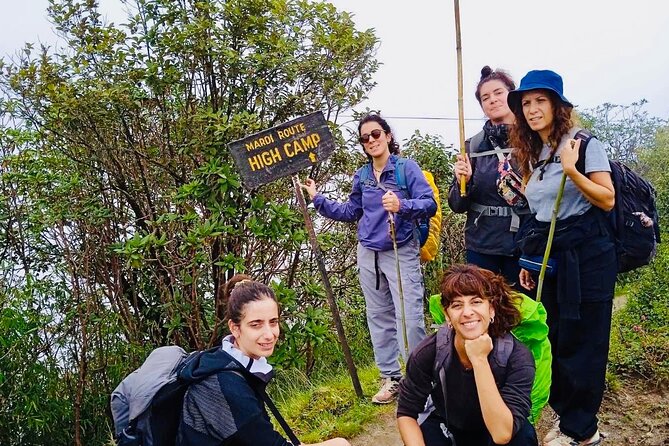
- Day 3: Low Camp to High Camp (3,580m) Above the Tree Line
- Day 4: Sunrise Effort to Mardi Himal Base Camp (4,500m) and Back
- Day 5: Descent Through Terraced Fields to Siding Village (1,700m)
- Day 6: Pokhara to Kathmandu by Tourist Bus
- What the Daily Schedule Feels Like (The Practical Reality)
- Guides, Support, and Why Organization Matters on a Trek
- Packing and Comfort: What’s Included, What You Still Must Bring
- Views You Actually Get, Not Just Marketing Ones
- Who This Trek Suits Best (and Who Should Adjust Expectations)
- Quick Tips That Make the Trek Go Smoother
- Should You Book Mardi Himal Trek with Himalayas On Foot?
- FAQ
- How long is the Mardi Himal Trek?
- What is the highest point on this trek?
- Does the price include transportation from Pokhara and back to Kathmandu?
- Is the Annapurna Conservation Area Permit included?
- Are meals included during the trek?
- What gear is provided for cold weather?
- Is travel insurance included?
Key Highlights Worth Getting Excited About
- Pokhara-to-Trek routing that actually runs on time with car transfer to Kande and later a private jeep ride back from Siding Village
- Tea house lodging on a straightforward 6-day profile, with gradual steps from Kande (1,770m) upward
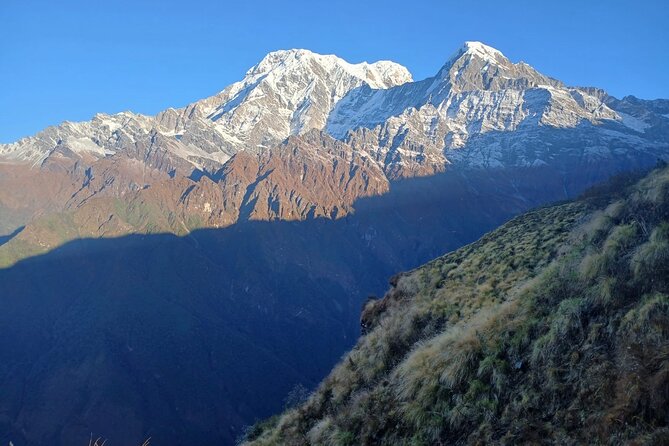
- The Machhapuchhre payoff: you get views as you climb, not just at the top
- Guided support from Surendra’s team, including a guide named Yaka mentioned in feedback
- ACAP permit included, plus a first aid kit and an oximeter in the mix
Mardi Himal Trek: The Value Story Behind the $760 Price
At $760 per person, this isn’t a bare-bones do-it-yourself trip. You’re paying for the parts that usually eat up time when you plan solo: a licensed trekking guide (with insurance), transport segments, permits, and a structured schedule that gets you from Pokhara into the trail system without last-minute chaos.
Here’s what that cost is covering that matters on the ground. You get the flight to Pokhara and a tourist bus back to Kathmandu, plus a night in Pokhara at a 3-star hotel. On the trek itself, your accommodation is in tea houses or lodges, and you’re also covered for key items like the ACAP (Annapurna Conservation Area Permit).
You’ll also notice the trip includes a practical comfort layer: if you need them, you can get a sleeping bag, down jacket, and duffle bag for use during the trek (returned after). That’s not just convenience. Cold at altitude can be the difference between tolerable and miserable, so it’s worth taking the offer seriously if you’re under-equipped.
The main trade-off is that tips and some personal spending aren’t included, and you still have to bring your own travel insurance. But as a package that organizes the altitude trek plus the city hops, this looks like solid value.
You can also read our reviews of more hiking tours in Pokhara
Day-by-Day Walk Through the Annapurna Foothills (and Beyond)
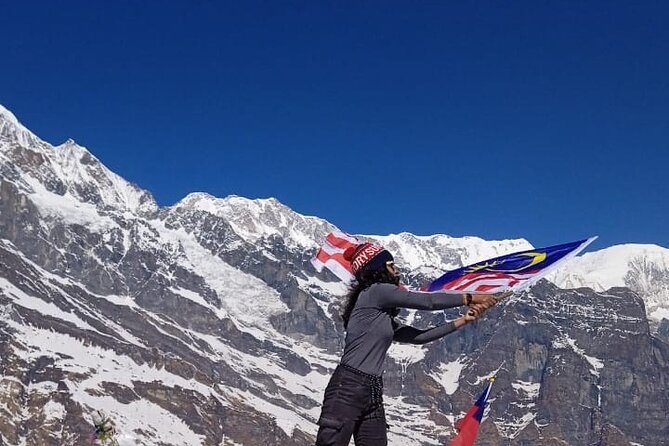
This trek is built around a steady climb with a clear rhythm: forest → higher camps → base camp effort → descent through settled terrain. Distances are reasonable for a Himalayan trek, and you get enough time at each level to adjust.
Day 1: Pokhara to Kande, then Forest Camp (2,600m)
Your day starts with a scenic drive from Pokhara to Kande, about 1.5 hours. Then you begin walking—8 km over roughly 5 hours—climbing from Kande (1,770m) up to Forest Camp (2,600m).
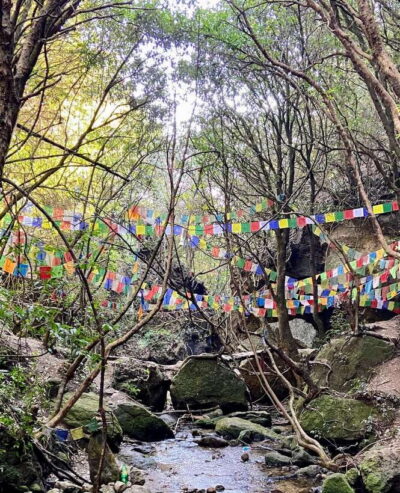
This is the forest day, and it’s a good one to ease into the trek. Expect lush sections with rhododendron and oak trees, plus a calmer feel early on. I like days like this because they set the tone without asking you to fight your lungs.
Day 2: Forest Camp to Low Camp (3,150m) with Machhapuchhre Glimpses
Day two covers 6 km, usually 4–5 hours, heading from Forest Camp (2,600m) to Low Camp (3,150m). The ascent is described as gradual through dense forest, and that matters because it helps you avoid a too-fast start.
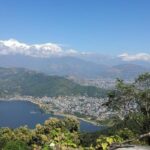
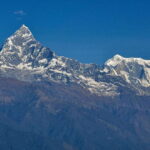
This is also where the big views begin to show up. You get stunning sightlines toward Machhapuchhre (Fishtail) and nearby peaks. Even if the sky changes day to day, you’ll likely feel like the trek is turning a corner.
Day 3: Low Camp to High Camp (3,580m) Above the Tree Line
You’ll walk 7 km in about 4–5 hours from Low Camp (3,150m) to High Camp (3,580m). The highlight here is the transition: you go above the tree line, and the air gets sharper.
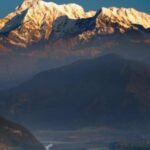
Views open up in a big way. You’ll be staring out toward the Annapurna and Dhaulagiri ranges, with dramatic high-alpine scenery as the trail climbs. This is usually the day where your breathing becomes more noticeable, so take breaks before you feel forced to slow down.

Day 4: Sunrise Effort to Mardi Himal Base Camp (4,500m) and Back
Day four is the longest effort: 10–12 km, typically 6–7 hours, climbing from High Camp (3,580m) to Mardi Himal Base Camp (4,500m) and then returning.
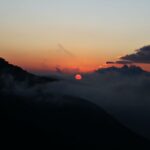
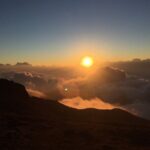
You should plan for an early push. There’s a sunrise view described for this day, and sunrise at altitude can be both magical and a bit demanding. The payoff is close-up scenery—especially the Mardi Himal approach—and views that connect you to the surrounding Annapurna area.
This is the day to keep your pace steady and your focus simple: step, breathe, drink, repeat. Don’t sprint for the base camp. Getting there is only half the goal; feeling okay enough to descend is the other half.
Day 5: Descent Through Terraced Fields to Siding Village (1,700m)
On day five, you drop back down in a meaningful way. It’s 8 km, about 4–5 hours of walking, from High Camp (3,580m) down to Siding Village (1,700m). After that, there’s also a 2-hour drive to Pokhara.
This is the cultural and agricultural day. You’ll pass through terraced fields and traditional villages, and you get interaction with local Gurung people. I like this contrast: high, cold, open mountain air in the morning, then human-scale life and village rhythms as you descend.
Day 6: Pokhara to Kathmandu by Tourist Bus
The last day is transportation—about 7 hours by tourist bus to Kathmandu. After six days of climbing and descending, this isn’t glamorous, but it is straightforward. The structure here matters: it keeps your trip from stretching into extra days just to move between cities.
What the Daily Schedule Feels Like (The Practical Reality)
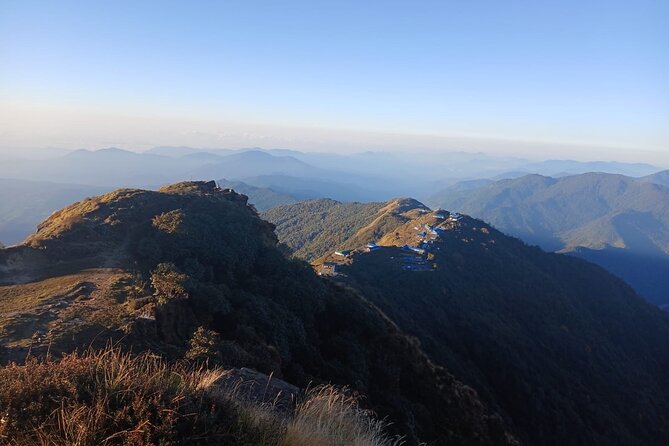
One of the biggest reasons this trek works for many people is that the altitude steps are staged. You’re not jumping from low elevation straight into a huge height. Even with the challenge of 4,500m, the profile spreads your climb across multiple days.
The tea house rhythm also helps. Tea houses mean you’re not carrying everything for camping life. Your daily routine is typically: walk, stop for food and rest, then settle in for the evening meal and sleep. Included meals on the trek help keep your day-to-day costs predictable.
Your itinerary also has built-in transitions: car ride to Kande on day one, then later a jeep ride from Siding Village to Pokhara. Those short bursts of road time keep the trek from feeling like pure, endless footwork.
Guides, Support, and Why Organization Matters on a Trek
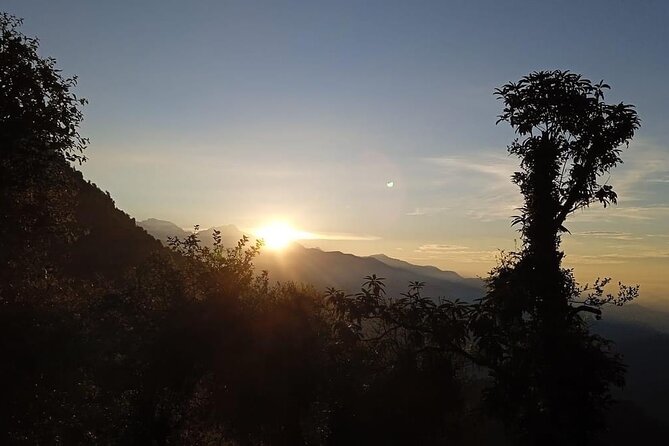
This kind of trek is where “easy on paper” becomes “important in real life.” Weather can shift. Trail conditions can vary. Your body might react differently than expected. That’s where having an organized team pays off.
The guide is described as professional, licensed, and insured, and your guide also has food as part of the support structure. You’re not trying to negotiate logistics daily while also dealing with fatigue and altitude.
In feedback, the experience is credited to specific people, including Surendra (manager) and Yaka, who helped keep the trek smooth. That kind of named support is a good sign: it suggests you’re not just buying a route; you’re getting a real human plan executed well.
The trip also includes essentials for safety: a well-equipped first aid kit and an oximeter. You should still use common sense—slow down, drink water, and tell your guide if you’re feeling off—but it’s reassuring to know those tools are in the kit.
Packing and Comfort: What’s Included, What You Still Must Bring
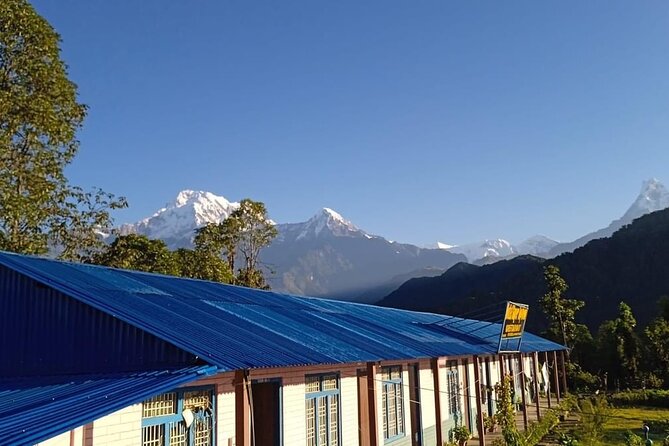
This is the part I think about most before any high trek. The cold changes your decision-making. You’ll feel it even if you’re fit.
Included gear (if necessary) can cover the basics:
- Sleeping bag
- Down jacket
- Duffle bag
That reduces the risk of showing up underprepared. If you already own good cold-weather gear, you’ll still want layers and reliable hiking footwear. The listing doesn’t spell out exact brands or conditions, so I’d treat this as a “support system” rather than a guarantee you can travel light with only a T-shirt.
Also plan for the simple stuff that adds up on trek days: personal spending, drinks beyond included meals, and charging needs. Those are not included.
Views You Actually Get, Not Just Marketing Ones
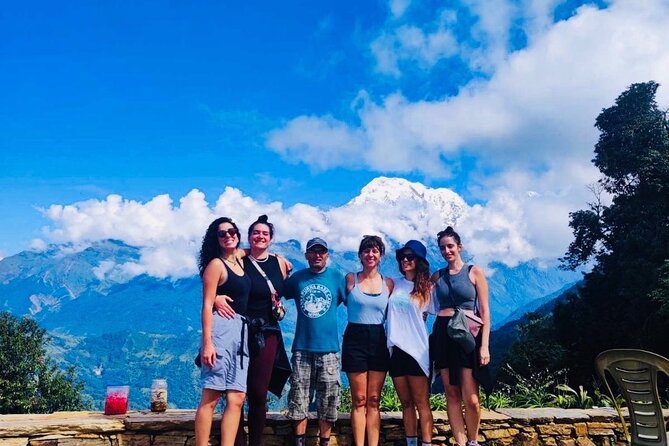
Mardi Himal is famous for making you feel close to the mountains without requiring technical climbing. In this route, you earn the views gradually.
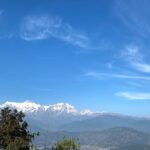
You get Machhapuchhre (Fishtail) framed during the middle ascent days. As you move toward High Camp, you’re set for broader, higher-altitude panorama toward Annapurna and Dhaulagiri. Then on day four, Mardi Himal Base Camp gives the best chance for that direct, staring-at-the-wall feeling where the mountains look strangely close.
Weather matters. Even a well-run trek can be limited by cloud cover. The good news: this itinerary builds viewpoints into multiple days, so you’re not gambling everything on a single morning.
Who This Trek Suits Best (and Who Should Adjust Expectations)
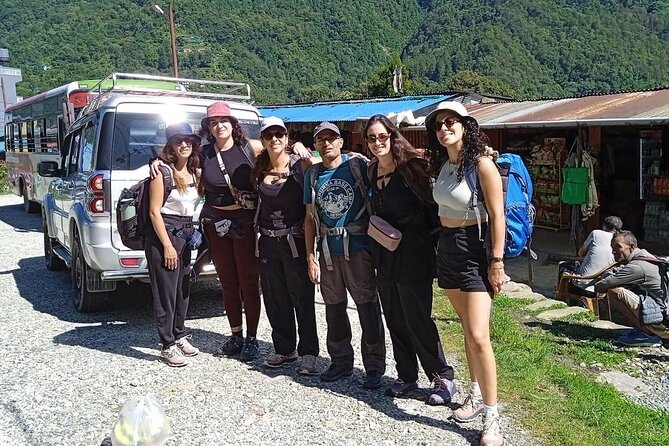
This trek is a strong fit if you want:
- A manageable 6-day structure
- A guide-led plan with permits handled
- Big mountain views that come through as you climb
- Some culture on the descent, especially through Gurung village terrain
It’s also a good choice for beginners who are willing to listen and pace. Feedback specifically mentions anxiety turning into a good first mountain trekking experience with detailed planning advice. That’s encouraging if you’re new and want a plan that doesn’t assume you already know how your body handles altitude.
One consideration: the trek goes up to 4,500m. Most people can do it if they take it slow and don’t treat it like a fitness challenge. But if you’re prone to altitude problems, you’ll need to be extra cautious and talk with a medical professional before going.
Quick Tips That Make the Trek Go Smoother
- Use the slow days as training. The forest segments are your warm-up for the higher effort.
- Stay consistent with rest stops. If you wait until you feel awful, it usually takes longer to recover.
- Treat sunrise as real work, not a free show. Dress for cold and move carefully in low visibility.
- On the descent, don’t rush just because you’re lower. Your knees still need respect.
And yes, bring a positive attitude. This trek rewards patience.
Should You Book Mardi Himal Trek with Himalayas On Foot?
I’d book this if you want a well-organized, guide-led Mardi Himal trek with the important overhead handled: transport between Pokhara and Kande, meals and lodging structure, ACAP permit, and the drive and bus legs that get you back to Kathmandu.
I’d think twice if you hate early mornings, dislike shared tea house lodging, or have limited flexibility around altitude pacing. Also make sure you budget for what’s not included: visa fee, porters if you want one (porter cost not included), travel insurance, and personal expenses.
If you value the combination of a structured climb to Mardi Himal Base Camp (4,500m) plus practical support on the way, this package makes a lot of sense. And if plans change, cancellation is free up to 24 hours in advance for a full refund.
FAQ
How long is the Mardi Himal Trek?
The experience runs for about 6 days.
What is the highest point on this trek?
The highest point listed is Mardi Himal Base Camp at 4,500m.
Does the price include transportation from Pokhara and back to Kathmandu?
Yes. You get a flight ticket to Pokhara and a tourist bus to Kathmandu. There’s also a car transfer from Pokhara to Kande and a private jeep ride from Shiding (Siding Village) back to Pokhara.
Is the Annapurna Conservation Area Permit included?
Yes. The ACAP permit is included.
Are meals included during the trek?
Breakfast (5), lunch (5), and dinner (4) are included. Meals like lunch and dinner in Pokhara are not included.
What gear is provided for cold weather?
A sleeping bag, down jacket, and duffle bag are provided if necessary, and they are returned after the trek.
Is travel insurance included?
No. Travel insurance is compulsory but not included in the price.