REVIEW · KATHMANDU
Kathmandu Heritage Day Tour
Book on Viator →Operated by Blissful Himalayas · Bookable on Viator
Four sacred stops, one easy plan. This Kathmandu Heritage Day Tour is interesting because it strings together major Hindu and Buddhist landmarks in a tight 4–6 hour window, with a car and driver to keep the day from turning into traffic math. I like that the schedule builds in time at each site and lists admission tickets for the attractions you visit.
I’m also taken by how much local guidance matters here. People who connect with the operator describe forming a real rapport with Rajan, the proprietor, and using his advice to make the rest of their Kathmandu stay smoother. If you’re starting from Thamel, pickup at Thamel Marg also helps you avoid the usual first-day scramble; it’s a practical win.
One thing to watch: the day moves at a half-day pace, so it won’t feel like slow exploring. Also, the package notes entrance fees as both included and not included depending on what you look at, so it’s smart to confirm what’s covered before you go—especially if you’re planning any extra stops.
In This Review
- Key Highlights You’ll Care About
- Why This Kathmandu Heritage Loop Works in One Half-Day
- Price and What You Really Get for $45
- Start in Thamel: Pickup, Car With Driver, and Timing Tips
- Stop 1: Pashupatinath Temple by the Bagmati River
- Stop 2: Boudhanath Stupa, Prayer Flags, and Buddhist Ritual Sound
- Stop 3: Kathmandu Durbar Square and the Royal Palace Area
- Stop 4: Swayambhunath (Monkey Temple) Hilltop Views
- How the Four Stops Tell One Kathmandu Story
- What the Blissful Himalayas Approach Adds (Beyond Transportation)
- What to Bring and How to Prepare for a Shrine-Focused Day
- Who This Tour Suits Best
- Should You Book Kathmandu Heritage Day Tour with Blissful Himalayas?
- FAQ
- Where does the Kathmandu Heritage Day Tour start?
- How long is the tour?
- Is pickup included?
- Is this tour private?
- What’s included in the price?
- Are entrance fees included?
- Is lunch included?
- Are tips and donations included?
- Is the mobile ticket included?
- What’s the cancellation policy?
Key Highlights You’ll Care About
- A fast Hindu-and-Buddhist route through four of Kathmandu’s most recognizable sacred sites
- Car with driver + parking fees included, so you’re not dealing with directions or meter guessing
- Rajan’s local advice can shape what you do beyond the formal stops
- Mobile ticket convenience for a smoother arrival
- Each stop gets about an hour, a good balance between seeing and not rushing
Why This Kathmandu Heritage Loop Works in One Half-Day
If you only have a few hours in Kathmandu, this kind of tour makes sense. Instead of hopping between locations on your own, you get a car with driver for the entire outing, and that instantly removes the hardest part of city touring: timing. In a city where plans can slip, having a set route helps you actually see things.
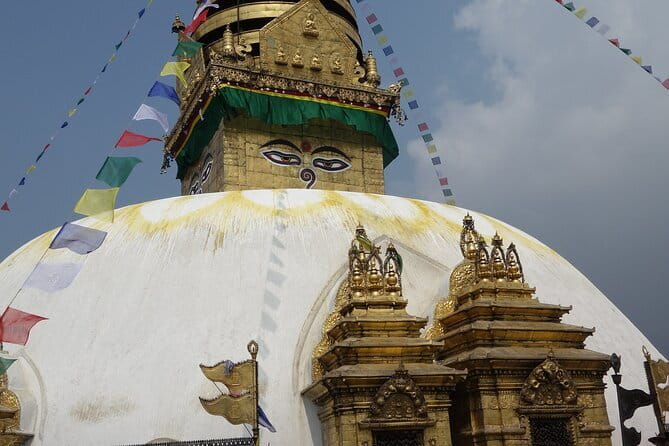
What I like about this loop is the variety. You start at Pashupatinath, a major Hindu temple complex by the Bagmati River. Then you pivot to Boudhanath Stupa, one of the most important Buddhist stupas in Nepal. After that, you go to Kathmandu Durbar Square, where the royal story is written into the palace area and surrounding temples. Finally, Swayambhunath finishes the day with its hilltop views over the Kathmandu Valley.
The biggest value for your money is the structure. You get a focused day that stays within a realistic time budget, which is especially helpful if you’re fighting jet lag, a busy itinerary, or limited sightseeing hours.
You can also read our reviews of more historical tours in Kathmandu

Price and What You Really Get for $45
At $45 per person, this tour sits in the “good value” category for Kathmandu sightseeing. Why? Because it bundles the expensive time-savers: private transport and the driver’s time, plus parking. Even without going fancy, that usually costs more if you arrange it day-of.
The other value point is the admission coverage listed for the attractions in the itinerary. Each stop shows admission tickets included and a planned 1-hour visit. That matters because religious heritage sites can have varying entry rules, and you don’t want your day to stall while you figure out what’s paid at the gate.
The only caution is wording. The tour’s included items mention tickets for the attractions you visit, but the “not included” section also references entrance fees for attraction entrance fees. That contradiction isn’t uncommon in travel listings, but it is something you should verify with Blissful Himalayas before you start. Ask them what’s fully covered for each of the four stops, and you’ll remove any last-minute surprises.
Start in Thamel: Pickup, Car With Driver, and Timing Tips
This tour starts at Thamel Marg, Kathmandu (44600). If you’re staying in Thamel, you’ll appreciate the convenience because Thamel is where most visitors base themselves, and getting to an agreed pickup point is usually painless.
Pickup is offered, and you’re also traveling with a car and driver for the entire day, plus parking fees. That means you’re not paying separate rides between stops. It also means your guide can plan around the time you have, not just the distance.
Duration runs about 4 to 6 hours, which is long enough to see each major site without turning it into a sprint. Still, remember: each stop is about one hour, so you’ll get time to look around and take photos, but you won’t have unlimited wandering.
One more practical note: you’ll use a mobile ticket, and confirmation is received at booking. That combination typically makes check-in less stressful, especially on your first day in a new country.
Stop 1: Pashupatinath Temple by the Bagmati River
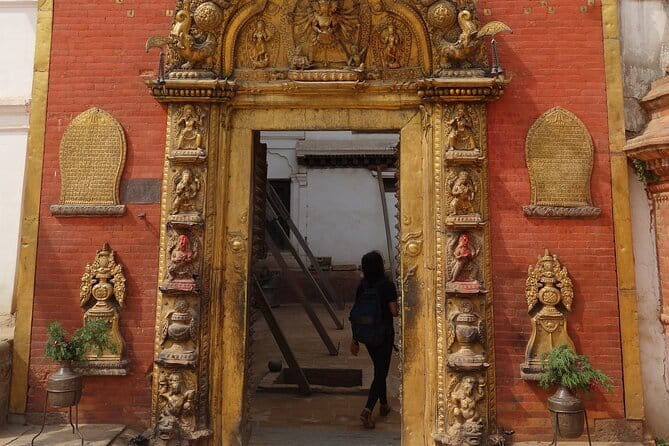
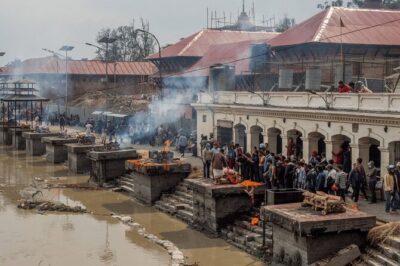
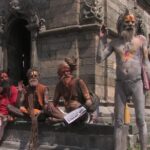
Pashupatinath Temple is one of the most important Hindu temples in Nepal, dedicated to Lord Shiva. The big draw here is the setting: it sits on the banks of the Bagmati River, so you’re not just viewing a building—you’re experiencing a sacred riverside atmosphere.
On this tour, you get about one hour here, and the itinerary says your admission ticket is included. That’s a useful detail because it lets you spend more time focusing on what you’re seeing: the scale of the temple complex, the significance of a major pilgrimage site, and the way the river location shapes the whole experience.
What to consider: this is an active religious place. Even when a tour is scheduled neatly, you’ll want to move at the pace of the site—look, pause, respect what’s happening around you. If you’re hoping for totally quiet viewing time, you may not always get it. But if you want authenticity, Pashupatinath delivers.
If you’re curious about Hindu pilgrimage culture, this is a strong first stop because it gives you a clear religious anchor early in the day.
Stop 2: Boudhanath Stupa, Prayer Flags, and Buddhist Ritual Sound
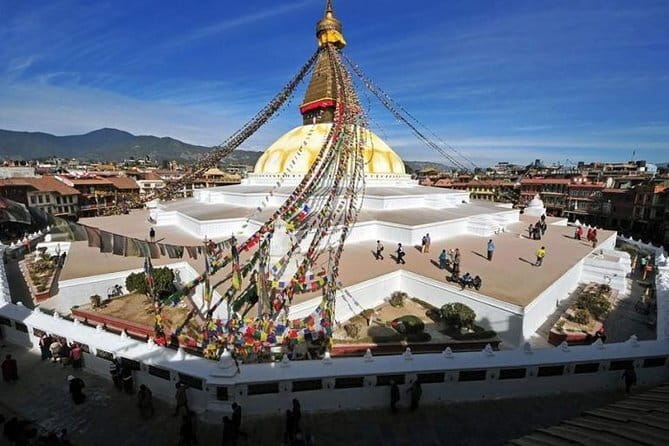
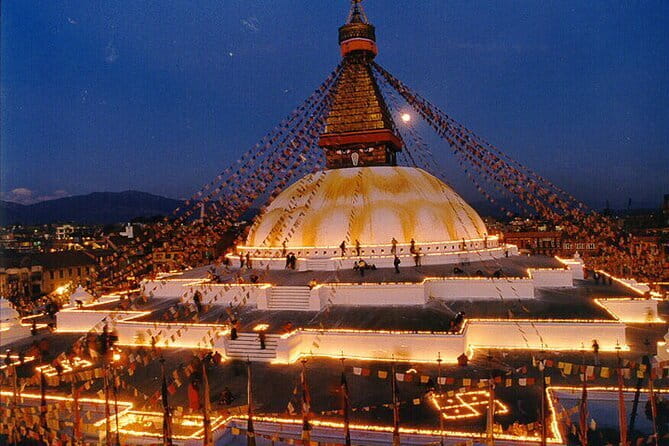
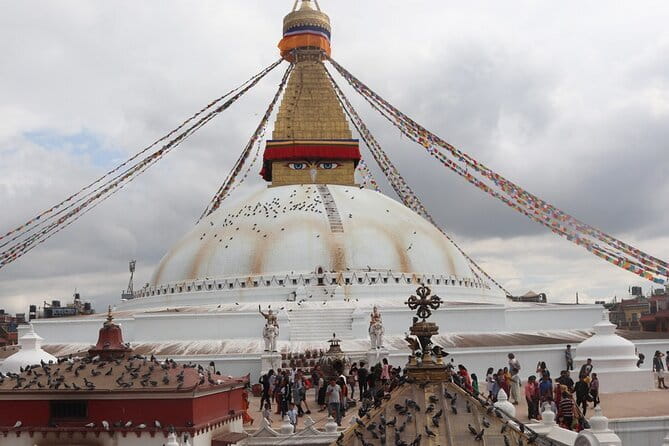
Then you head to Boudhanath Stupa, which is described as one of the largest and most important Buddhist stupas in Nepal. As you approach, the experience is designed to feel obvious and immediate: prayer flags show up, and you can hear chanting monks.
In other words, you get more than architecture. You get the soundscape and the visual rhythm of a functioning religious center. The tour allocates about an hour here, with admission ticket included again, so you can actually slow down for a bit and take in the details.
This stop is also valuable for your understanding of Nepal’s culture because it contrasts with the Hindu focus of Pashupatinath. Same city valley, but different religious expression. If you only ever focus on one tradition during your trip, this kind of switch helps you see Nepal as it really is: layered.
Possible drawback: if you’re sensitive to noise, the chanting and general activity may feel intense. But if you’re there for lived religion rather than museum-style stillness, this is a highlight.

Stop 3: Kathmandu Durbar Square and the Royal Palace Area

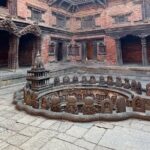
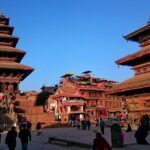
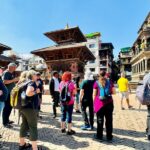
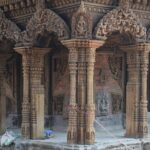
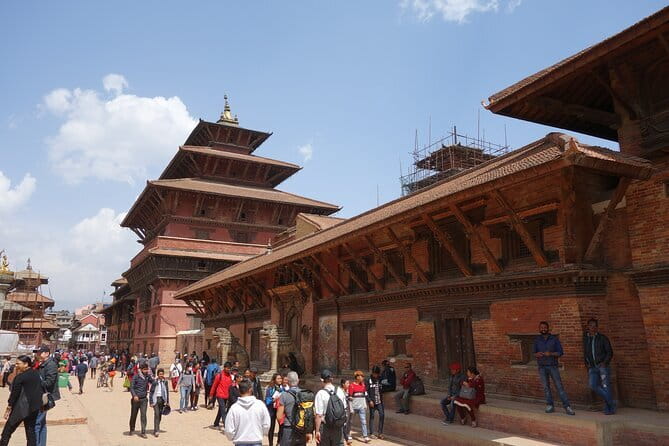
Next up is Kathmandu Durbar Square, described as the historical heart of the city. The star of this area is the Royal Palace, and the tour notes it was built in the 1880s with influences of British architecture.
That detail matters because it helps you read what you see. Durbar Squares aren’t just temples and stones; they’re political and cultural spaces that record how power and outside influence blended over time. When you stand in this area, you’re looking at a built environment that reflects shifting history, not just spiritual tradition.
You’ll also find spectacular temples around the palace area, and the tour includes about one hour here with an admission ticket.
The practical consideration at Durbar Square: it’s a major heritage zone, which usually means steady foot traffic. Your best approach is to keep your expectations flexible—take your time at the moments that hold your interest most, and don’t stress if you can’t see everything from every angle.
This is the stop I’d recommend if you want “where Kathmandu’s identity was shaped” to feel real rather than abstract.
Stop 4: Swayambhunath (Monkey Temple) Hilltop Views
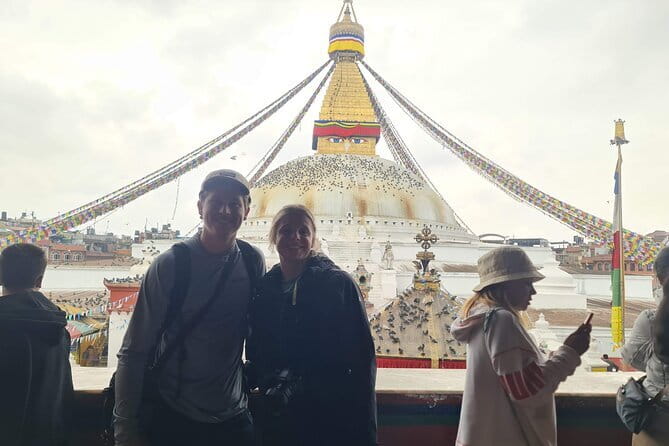
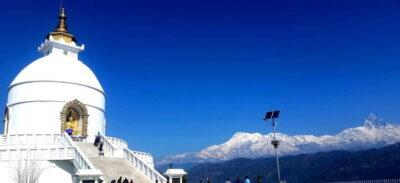
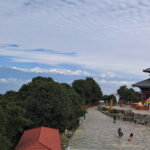
You finish at Swayambhunath, also called the Monkey Temple. It’s perched on a hill, and the big selling point is the view over the Kathmandu Valley. The tour also frames it as an important Buddhist pilgrimage site.
This is the kind of stop that changes how you feel about the whole day. Earlier you were surrounded by riverside temple life, stupa ritual, and palace-area heritage. At Swayambhunath, you’re lifted up, and that changes your perspective. Even if you’re not into taking in every detail, the skyline-style viewing helps you connect the places you’ve already seen.
You’ll get about one hour here, with admission ticket included. And because it’s a pilgrimage site, it tends to feel like a real destination, not just a photo stop.
One possible drawback: going up to a hilltop temple typically means more walking and uneven ground. The tour’s one-hour slot is still usually comfortable for most people, but if you’re easily tired, plan your energy and take breaks when needed.
How the Four Stops Tell One Kathmandu Story
The value of this route isn’t just that each stop is famous. It’s that the four locations form a clear story arc.
- You start with Shiva-focused Hindu worship at Pashupatinath by the Bagmati River.
- You shift to Buddhist practice at Boudhanath Stupa, where prayer flags and chanting bring the place to life.
- You step into royal and civic heritage at Kathmandu Durbar Square, where architecture reflects historical influences.
- You end with hilltop Buddhist pilgrimage at Swayambhunath, where the view makes the valley feel like a whole landscape.
And then there’s the practical story: the tour is built for people with limited time. Four stops, about one hour each, plus driving. That’s a recipe for feeling like you did more than just a quick drive-by.
What the Blissful Himalayas Approach Adds (Beyond Transportation)
The tour is organized by Blissful Himalayas, and one of the most praised parts of the experience is the human side. Rajan, the proprietor, is described as someone you can build a good relationship with, offering advice that improves the rest of your trip. One person even noted he helped change travel plans that were already set before meeting him.
There’s also feedback about a smooth booking process and a comfortable car with air conditioning. That’s not glamorous, but it matters. Heat and long rides can drain your day faster than you expect, and being comfortable makes you more present at the sites.
Even though the itinerary doesn’t list lunch or meals, this kind of local guidance can still help you eat well without hunting for options while you’re tired. If Rajan recommends where to go, it’s often because he knows what’s easiest and most satisfying after a day of sightseeing.
What to Bring and How to Prepare for a Shrine-Focused Day
This is a day built around religious and heritage sites, so come ready to slow down a bit. Your tour time is only 4–6 hours, so you’ll want to keep your routine simple and your essentials handy.
Here’s what I’d plan for:
- Comfortable shoes for walking around temple and heritage areas
- Water for the day, since you’ll be out moving between stops
- A light layer, because weather can shift in Kathmandu
- Small cash or card for personal expenses (purchases are not included)
- Patience and flexibility, since sacred sites operate on their own rhythms
One more item: because the package mentions attraction entrance fees in the “not included” list, and also lists admission tickets included per stop, I recommend you confirm what’s covered at each site before you arrive. A quick check can save time and hassle.
Who This Tour Suits Best
This tour is ideal if:
- You want a first Kathmandu overview without spending your vacation figuring out transit
- You like seeing both Hindu and Buddhist landmarks in one day
- You’re staying in or near Thamel and want pickup convenience
- You prefer a structured half-day plan with a private group for your experience
It may not be the best fit if:
- You want to spend long hours at fewer sites (this route is time-efficient)
- You’re hoping for a multi-city UNESCO day that includes areas like Patan and Bhaktapur (this route focuses on the four Kathmandu-based stops)
- You dislike being around active pilgrimage crowds
Should You Book Kathmandu Heritage Day Tour with Blissful Himalayas?
If you’re weighing time versus effort, I’d lean yes. For $45, you get a clean, efficient route across major Kathmandu landmarks, plus a driver and parking, and the itinerary lists admission tickets for the core stops. It’s the kind of plan that helps you see a lot without turning the day into logistics.
My “yes, but” advice is simple: message Blissful Himalayas and confirm exactly what entrance fees are covered for your four planned stops, since the included/not-included notes can look conflicting. Once you confirm that, you’re set.
If you want a half-day that feels like Kathmandu’s spiritual and historical heart—without exhausting transit stress—this is a strong option.
FAQ
Where does the Kathmandu Heritage Day Tour start?
The tour starts at Thamel Marg, Kathmandu 44600, Nepal.
How long is the tour?
It runs about 4 to 6 hours (approx.).
Is pickup included?
Pickup is offered, and the meeting point is in Thamel at Thamel Marg.
Is this tour private?
Yes. It’s described as a private tour/activity, with only your group participating.
What’s included in the price?
Included items list a car with driver for the entire day and parking fees. The itinerary also indicates admission tickets included for the listed stops.
Are entrance fees included?
The tour notes both admission tickets included for the stops and an item stating entrance fee attraction entrance fees are not included. It’s smart to confirm with the provider what’s covered at each stop.
Is lunch included?
Lunch is not included.
Are tips and donations included?
Tips and donations are not included.
Is the mobile ticket included?
Yes, the tour includes a mobile ticket.
What’s the cancellation policy?
You can cancel for free up to 24 hours in advance for a full refund.