REVIEW · KATHMANDU
UNESCO Seven World Heritage Tour in Kathmandu
Book on Viator →Operated by Himalayan Advisor Pvt. Ltd. · Bookable on Viator
Seven UNESCO sites. One long, packed day.
This Kathmandu Valley tour is built for people who want the big-name sites fast: private car travel between stops and an English-speaking guide who gives context as you go. You’ll also get a tight loop through the valley’s most famous sacred places, from the hilltop Monkey Temple to the huge stupa at Boudhanath.
I especially like the value math here. Entry fees for the UNESCO sites are included, and that removes a lot of stress when you’re juggling a full schedule. I also like that the day runs at a human pace: guides named Shanti, Kabita, Pankaj, Sarita, and Som show up in past experiences as the kind of people who explain what you’re seeing and don’t treat you like a walking ticket.
The main drawback is the sheer intensity. It’s about 12 hours, and it’s a lot of steps and stop-and-go time, including the big stair climbs at Swayambhunath. If you hate crowds, or you want a slow, meditative pace, this may feel like information overload.
In This Review
- Quick hits: what you’ll feel right away
- What $180 covers: UNESCO tickets, private car, and a real guide
- Early starts and private transport: beating time loss in Kathmandu traffic
- Swayambhunath to Amideva Buddha Park: Monkey Temple views and prayer wheel ritual
- Kathmandu Durbar Square and Kumari Chowk: the living goddess courtyard
- Patan Durbar Square plus Golden Temple: Malla palace geometry and bronze details
- Bhaktapur’s durbar-square set pieces: Nyatapola, 55 Windows, and Siddha Pokhari
- Changu Narayan to Pashupatinath to Boudhanath: the spiritual finale across the valley
- How to pace a 12-hour day without getting cranky
- Who this tour fits best (and who might want a different plan)
- Final verdict: should you book this seven-site sprint?
- FAQ
- How long is the UNESCO Seven World Heritage Tour in Kathmandu?
- What’s included in the tour price?
- Is lunch included?
- Do I need to pay entry fees for the sites?
- What’s the dress code?
- What if I need to cancel last minute?
Quick hits: what you’ll feel right away
- Private car between sites so you spend less time wrestling Kathmandu traffic
- UNESCO-focused routing with a few extra culture stops added in
- Swayambhunath’s 365 stairs plus prayer wheels and mixed Hindu-Buddhist symbolism
- Bhaktapur’s durbar-square style scenes: Nyatapola Temple, 55 Window Palace, and Siddha Pokhari
- Long-stay temples like Changu Narayan, Pashupatinath, and Boudhanath where you get real time
- Guides who adjust pace (and in past days, help minimize street-pressure and keep things organized)
What $180 covers: UNESCO tickets, private car, and a real guide
At $180 per person, the headline value is that you’re not just paying for a checklist. You’re paying for transportation, a guide who can explain what you’re looking at, and the entry fees for the UNESCO stops.
Here’s why that matters in practice: most full-day Kathmandu plans fall apart when you start adding up ticket lines, entrance fees, and the time it takes to coordinate your own route. This tour already bundles the required entry fees for the seven UNESCO sites, so you can stay in “sightseeing mode” rather than “admin mode.”
You also get hotel pickup and drop-off, which is a bigger deal than it sounds when a city is busy and curving streets can make a simple transfer feel like a side quest.
You can also read our reviews of more historical tours in Kathmandu

Early starts and private transport: beating time loss in Kathmandu traffic
Kathmandu Valley is not built for leisurely hopscotch. Distances are short on a map, but traffic and weaving streets can eat hours. This tour tackles that with a private vehicle, so you’re not constantly waiting around for group pacing problems.
In past experiences, the driver role is repeatedly called out as important—especially for handling busy roads safely. You’ll feel that advantage the moment you realize you’re going from hilltop to square to stupa without spending your day buffering in traffic.
One more small-but-real benefit: because it’s your group only, you can ask questions without feeling like you’re holding back a big bus full of people. And if your interests tilt toward architecture, religion, or daily life in Nepal, the guide can steer the commentary that way.
Swayambhunath to Amideva Buddha Park: Monkey Temple views and prayer wheel ritual
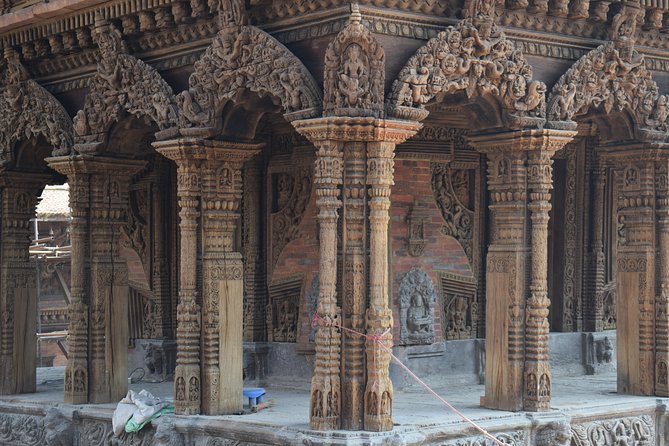
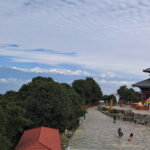
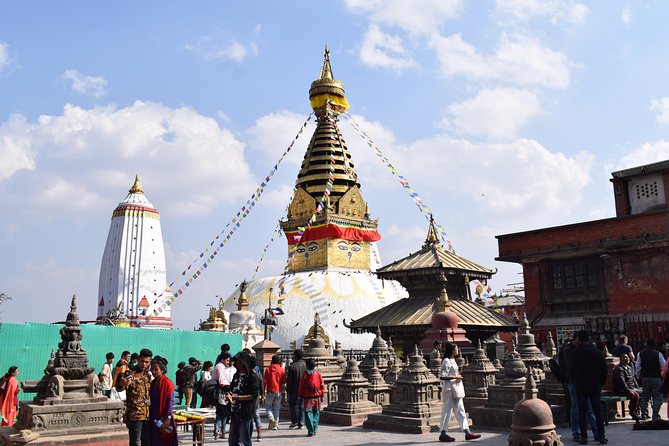
Your day kicks off at Swayambhunath Stupa, often called the Monkey Temple. It sits up on a hill and is reached via 365 stairs, which is equal parts cultural detail and leg training plan. Once you’re near the top, you’ll see the prayer wheels and a mix of Hindu shrines alongside Buddhist elements—an honest reminder that sacred space in Kathmandu doesn’t always split neatly into one box.
You’ll also get the classic “slow down and look around” moments: small shrines tucked into corners, people doing the ritual steps, and that commanding view over the valley. Even if you’re not a temple super-fan, the atmosphere here is hard to fake.
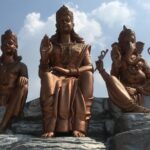
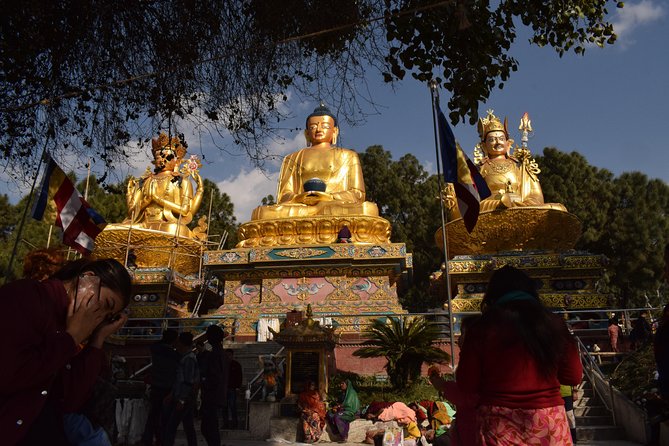
Right after Swayambhunath, the tour typically adds Amideva Buddha Park. The point of this stop is quick visual impact: three large Buddha statues facing the hilltop scene, giving you a different angle on Buddhist symbolism than the stupa complex.
Timing note: these early parts are usually not rushed to the point of exhaustion, but they are tightly scheduled. If you want long photo time, tell your guide early so they can adjust without making you feel like you’re always sprinting.
Kathmandu Durbar Square and Kumari Chowk: the living goddess courtyard
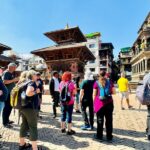
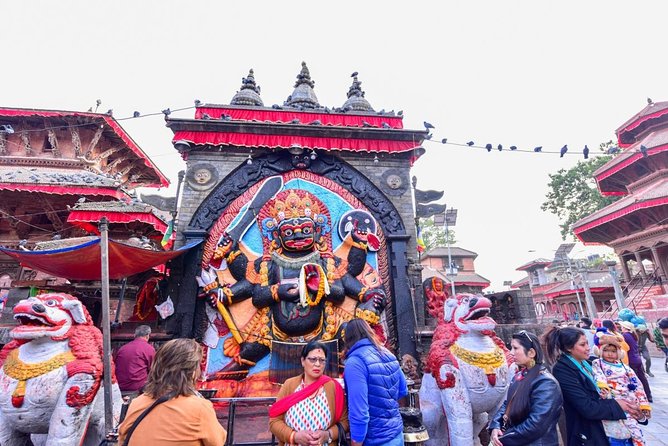
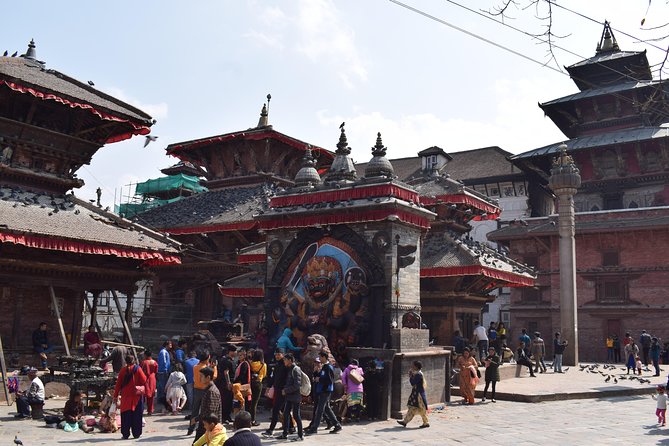
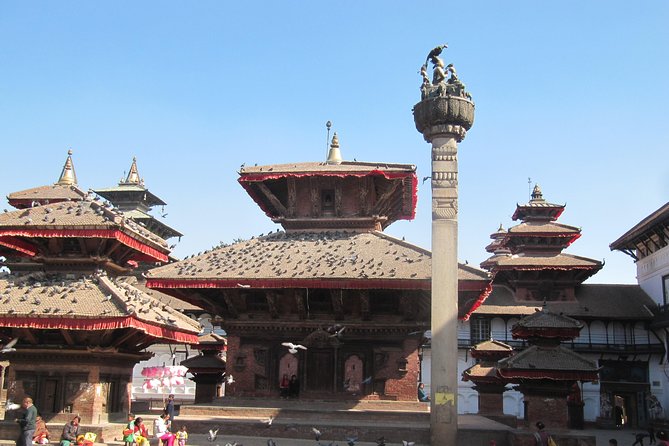
Next you move into the heart of old Kathmandu with Kathmandu Durbar Square. This is one of the UNESCO anchors of the valley, and the atmosphere is unmistakable: historical and religious structures are in ongoing reconstruction, yet there’s still plenty you can explore on foot.
A highlight tied to this area is Kumari Chowk inside a red-brick courtyard. This is where you’ll hear about the Kumari, a girl chosen as the living goddess until puberty. Even if you don’t know the details, you’ll feel the seriousness of the place; it’s not just decorative. It’s a living tradition shaped by local belief.
One practical consideration: durbar squares can bring crowds and vendors near the entrances. A good guide makes a difference here—helping you move efficiently, explaining what to look for, and cutting down on unnecessary back-and-forth.
Patan Durbar Square plus Golden Temple: Malla palace geometry and bronze details
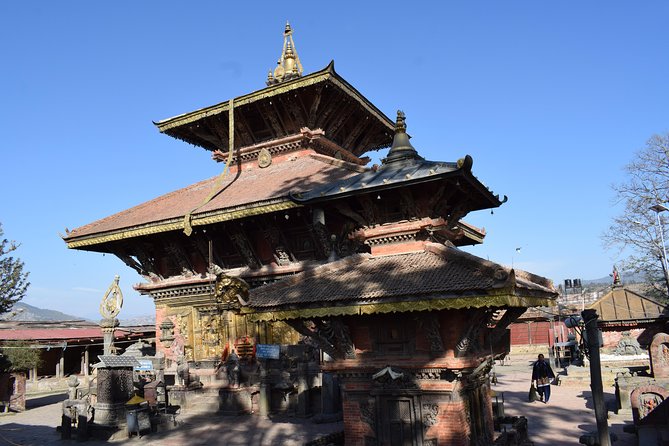
You’ll head across to Patan Durbar Square in Lalitpur, another UNESCO site. Patan’s square is described as the courtyard of the old Malla palace, with the visual signature of Newari architecture and the nearby Newar community feel.
What I like about Patan, even as a stop inside a packed day, is how “walkable” it is compared to some other sightseeing clusters. You can circle, notice carvings, and get a sense of how the palace-courtyard layout worked for public and ceremonial life.
From there, the tour adds stops that support the architectural story. One is Golden Temple (Hiranya Varna Mahavihar), a 12th-century pagoda-style temple. The details here matter: bronze statues plus silver elements, which are exactly the kind of craftsmanship you might miss if you only had a quick glance.
Another added culture stop is Patan Museum, set around Keshav Narayan Chowk. The museum angle gives you context beyond stone and brick—especially with exhibits tied to tradition and even mention of historic Japanese civilization. It’s not a required museum stop for everyone, but it breaks the day up and helps you switch from “look mode” to “understand mode.”

Bhaktapur’s durbar-square set pieces: Nyatapola, 55 Windows, and Siddha Pokhari
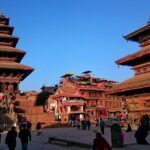
Bhaktapur is where the tour becomes visually dramatic. You’ll reach Bhaktapur City, often called the City of Devotees, with old-style houses and constructions that feel more intact than in some other parts of the valley.
The schedule then focuses on a string of iconic landmarks:
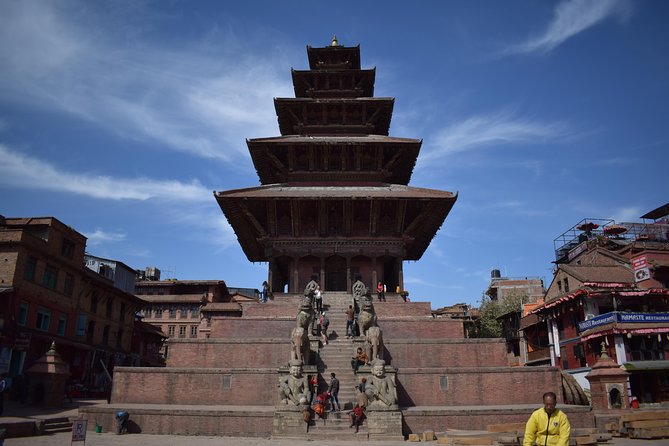
- Nyatapola Temple: a five-leveled pagoda-style roof, known as one of the tallest pagodas. It’s sculpted stone architecture, and the vertical rhythm is impressive in person.
- Dattatreya Temple at Dattatreya Square: described as possibly made with the resource of a single stem of a single tree—a claim that adds an “how did they do that” layer to your visit.
- 55 Window Palace: the Palace of Fifty-Five Windows, recognizable for the carved windows that define the façade.
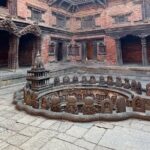
- Siddha Pokhari: a human-made pond, listed as 171 meters long and about three meters deep—a local hangout feel rather than a monument-only vibe.
Now, here’s the key practical point. Bhaktapur is both photogenic and tiring. You’ll probably walk more than you expect because temples and squares are spread just enough that you’re constantly transitioning. Wear good shoes and keep water handy.
Lunch in Bhaktapur is also on your own. The good news: the tour gives you the time to choose a spot you like, so you’re not stuck with one preselected meal. If you want a quieter break, plan to eat early during your Bhaktapur window.
Changu Narayan to Pashupatinath to Boudhanath: the spiritual finale across the valley
The final stretch is where the tour slows in a good way. Instead of only quick photo stops, you spend longer at several of the most sacred sites.
First up is Changu Narayan Temple, described as one of the oldest temples in the Kathmandu Valley, with roots in the Licchavi period. Expect stone and wooden carvings that make the temple feel like a craft project from centuries ago, not just a structure you pass by. Time here is generous—about 1 hour—which helps you actually notice details.
Then you go to Pashupatinath Temple, a sprawling complex that houses more than 500 temples and shrines. It’s also described as covering 0.64 hectares. This is the kind of place where you can’t fully absorb everything in a quick glance; the value of the stop is that you get enough time to see how large the complex is and how people move through it.
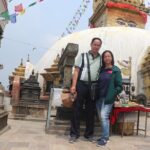
Finally, the tour ends at Boudhanath Stupa, one of the big Buddhist pilgrimage anchors of Nepal. It’s listed as 36 meters tall, with over 50 gompas built around it. The mandala layout and the surrounding monasteries are what give Boudhanath its intensity. You also typically get around 1 hour here, which is the right amount for sitting, looking, and letting the area settle into your brain.
If you’re thinking of this as a religion-and-architecture route (not just a photo route), this ending makes sense. You’re finishing with sites where daily spiritual life is visible rather than hidden behind a museum wall.
How to pace a 12-hour day without getting cranky
Yes, it’s long. About 12 hours long, in total. The schedule blends short stops (sometimes 10–15 minutes) with longer blocks (like 1 hour at Changu Narayan, Pashupatinath, and Boudhanath).
So what should you do with that reality?
- Start mentally ready for a fast-moving day.
- Save energy by pausing at the really important spots: Swayambhunath’s top view, the durbar-square carvings, and the longer temple stops near the end.
- Ask your guide to slow down if there’s one site you care about more than the rest. Past experiences describe guides adjusting pacing for interest levels, rather than forcing a rigid script.
- Bring a small “survival kit”: water, sun protection, and a hat. One recurring piece of advice from past days is simple: good walking shoes and sun help.
Also, keep expectations realistic. This tour is designed for coverage. If you want deep time at one specific monument, you’ll still need a second visit later—or a slower separate day tour.
Who this tour fits best (and who might want a different plan)
This is a strong match if:
- you’re in Kathmandu for a short time and want a structured way to see all the UNESCO anchors
- you like explanations that connect religion, architecture, and daily Nepal life
- you prefer organized logistics over figuring out routes and ticket timing yourself
- you want private car comfort so you can focus on the sites instead of the commute
This might not be the best match if:
- you have mobility issues or you hate stair-heavy stops (Swayambhunath’s 365 stairs is a real factor)
- you want a quiet, slow day without crowds
- you’re the type who needs long, museum-level time at every stop (because some places are intentionally brief)
If you’re traveling solo, you’ll likely appreciate the private structure. If you’re with a partner or small group, it can feel like a guided “greatest hits” tour that you can steer.
Final verdict: should you book this seven-site sprint?
I think this tour is worth booking if your priority is seeing the full UNESCO set efficiently, with a guide who helps you understand what you’re looking at. The big reason is value: the price includes private transport and the UNESCO entry fees, so you avoid the common full-day headache of hidden costs and time sinks.
Book it if you can handle a long day and want a strong starting point for your Kathmandu trip. If you’re hoping for a calm, lingering temple day with zero stress, you may want to trade this for a slower, single-area plan.
Bottom line: this is the right move when time is tight and you want to leave Kathmandu Valley with your bearings—fast.
FAQ
How long is the UNESCO Seven World Heritage Tour in Kathmandu?
It runs for about 12 hours.
What’s included in the tour price?
The tour includes a private vehicle, an English-speaking guide, hotel pickup and drop-off, and the required entry fees for the seven UNESCO heritage sites.
Is lunch included?
No. Lunch in Bhaktapur is not included, and you choose where to eat.
Do I need to pay entry fees for the sites?
No. All required entry fees for the seven UNESCO heritage sites are included.
What’s the dress code?
Dress code is smart casual.
What if I need to cancel last minute?
You can cancel up to 24 hours in advance for a full refund. If you cancel within 24 hours of the start time, the amount paid is not refunded.