REVIEW · KATHMANDU
Langtang Trek from Kathmandu 7 Days
Book on Viator →Operated by My Dream Adventure (MDA) · Bookable on Viator
Langtang feels real, not just scenic. This trek threads through Langtang Valley Tamang and Sherpa villages, monasteries, and river valleys, with mountain views that show up often—not just at the end. You’ll also get a Kyanjin Gompa payoff high in the valley, where the air feels sharper and the scenery turns serious.
I really like two things about this itinerary: first, the route is paced for moderate fitness with gradual ascents through forests and meadows, so you can enjoy the walking instead of just surviving it. Second, the practical parts are covered—an English-speaking trekking guide, lodge accommodation, and the trekking permits (plus the usual documentation). That means you spend your energy on the trail, not paperwork.
One thing to think about: you’ll be spending time at higher elevations (including a day that reaches around 4,700 meters near Kyajin Ri), so if you’re not used to altitude or you tend to feel winded quickly, plan extra care with pacing and hydration. Also, you’ll need your passport details and a photo to get the permits sorted.
In This Review
- Key Things I’d Pay Attention To
- Why This 7-Day Langtang Trek Fits Nepal’s Reality
- Price and Value: $410 for a Managed Trek
- Getting From Kathmandu to Syabrubesi (Day 1)
- Day 2: Lama Hotel Along the Langtang Khola
- Day 3: Langtang Village and the Human Scale of the Trek
- Day 4: Kyanjin Ri Morning Energy and Kyanjin Gompa
- Day 5: The Kyajin Ri High Point Day and the Rocky Reality
- Day 6: Downhill to Syabrubesi and a Chance to Breathe
- Day 7: Back to Kathmandu and Time in Thamel
- Lodges, Meals, and the Comfort Trade-Off
- What This Trek Says About Your Fitness (And How to Prepare)
- Who Should Book This Trek
- Should You Book This Langtang Trek?
- FAQ
- How long is the Langtang trek from Kathmandu?
- Do you need trekking permits for this itinerary?
- Is pickup and drop-off included?
- What kind of accommodation do you get?
- Is this a private trek or a group trek?
- How difficult is the route?
- What’s included in the price?
Key Things I’d Pay Attention To
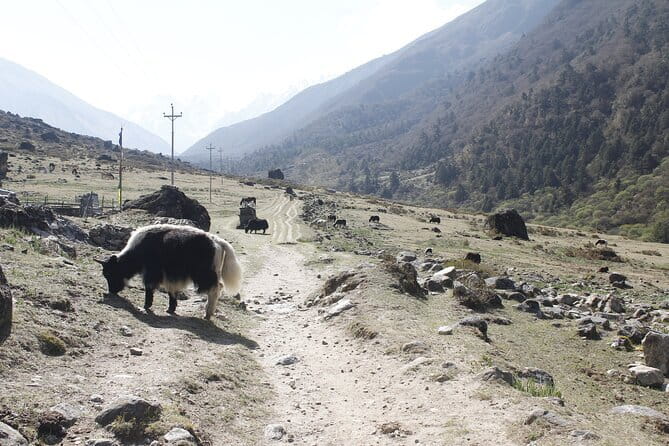
- Forest-to-ridge walking: the trail moves from oak and rhododendron woods up toward higher ridgelines without jumping straight into the steep stuff
- Kyanjin Gompa is a real stop, not a photo break: you get the monastery setting before the higher views day
- Lodge nights keep the trip manageable: planned lodge stays reduce the chaos of finding beds each evening
- Private trip, sharing transfers: only your group hikes together, but you may share the local bus for the transfers
- Permits handled with documentation from you: you provide passport details and a photo so the TIMS card and trekking permit can be issued
- A summit-style day with rocky sections: the Kyajin Ri approach/area can include narrow paths and steep testing moments
Why This 7-Day Langtang Trek Fits Nepal’s Reality
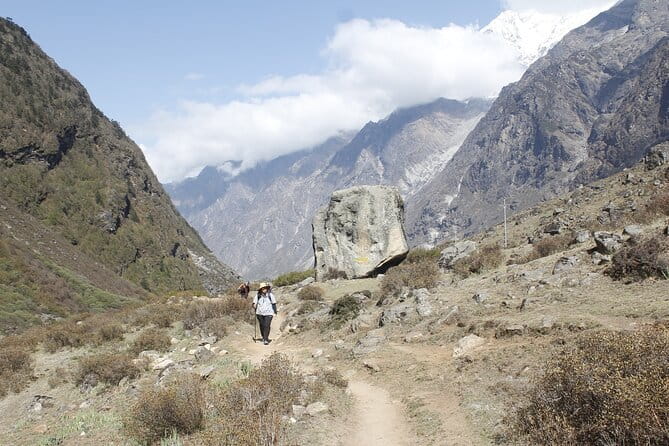
Langtang is a great choice if you want the feeling of the Himalaya without needing a full-on expedition mindset. The route is built around walking days that are long enough to feel like a trek, but not so extreme that you’re constantly fighting the trail. You get a mix of forest walking, village life, and high viewpoints, all in a week.
This trip is also practical in how it’s set up. You’re not just handed a map and told good luck. You get an English speaking trekking guide, lodge accommodation each night, and the permits sorted through the TIMS card plus the trekking permit.
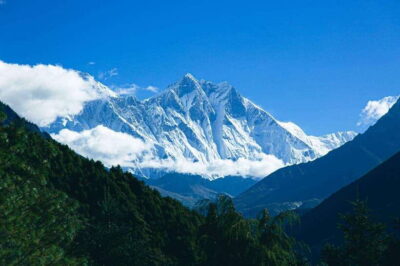
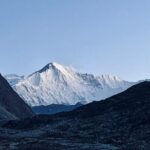
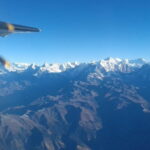
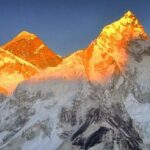
And yes, the scenery is the star. The valley sits under dramatic peaks like Langtang Lirung (7,227 meters), so you’re often walking with big mountain walls in view. But the better part is how the views arrive: first through rivers and woods, then through villages, then through the high, open feeling near the ridge areas.
You can also read our reviews of more hiking tours in Kathmandu
Price and Value: $410 for a Managed Trek
At $410 per person for about 7 days, the big value isn’t that it’s cheap. It’s that you’re getting the “hard-to-organize” items bundled: trekking permits, an English guide, lodge stays, and transfers between Kathmandu and Syabrubesi.
Here’s how I think about value on a trek like this:
- If you tried to DIY it, the guide + permits + lodge planning would eat most of the time you could spend walking.
- If you want a private trip with only your group hiking together, that adds value because you don’t have to match your pace to strangers.
The one catch is that personal expenses are not included. That’s normal in Nepal trekking. Plan for the extra costs like snacks, drinks, and any small comforts you want along the way.
Getting From Kathmandu to Syabrubesi (Day 1)
Day 1 is your transfer day. You start from Kathmandu bright and early, then head toward Syabrubesi via local transport options. The itinerary lists about 7 hours of travel, and it ends with a lodge night at Hotel Garden inn Shyfru Bensi (Syabrubesi).
What I like here is that you’re not thrown into altitude stress without a transition. You get the travel rhythm, you get your first sleep in the trek zone, and then the real walking begins the next day.
A practical note: this first day is when you’ll want to keep your packing tight. You don’t want to lug unnecessary stuff in the mountains just because it’s in your bag. Keep your daily essentials in your daypack: layers, water plan, rain protection, and basic first-aid items.
Day 2: Lama Hotel Along the Langtang Khola
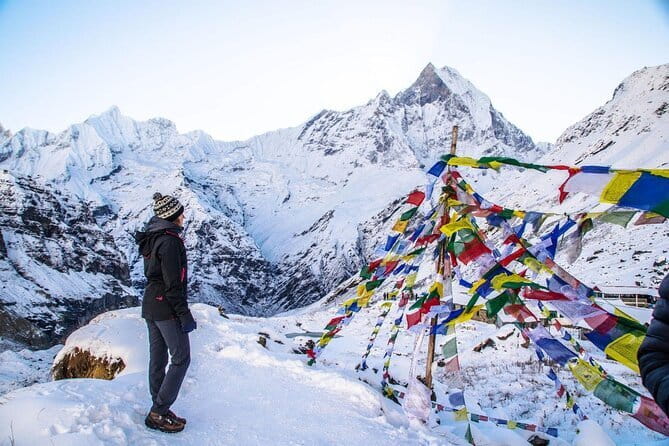
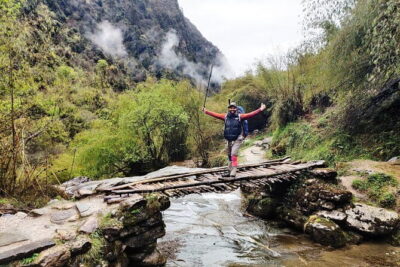
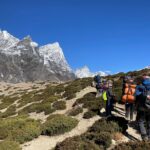
On Day 2 you hike for about 6 hours to Lama Hotel, following a clearly marked trail along the Langtang Khola (the river). This is one of those days where the valley feels alive: glimpses of rushing water, greenery, and forest shade that changes as the trail winds.
I like this stage because it’s “settling-in” hiking. It’s not only about altitude gain. It’s about getting your stride right and learning the rhythm—steady steps, breaks that are frequent enough, and the habit of stopping before you feel depleted.
Possible drawback: river-valley walking can still be tiring because it can feel like you’re always slightly working against terrain changes (slopes, roots, and uneven ground). It’s not described as extreme, but it’s still mountain hiking.
Day 3: Langtang Village and the Human Scale of the Trek
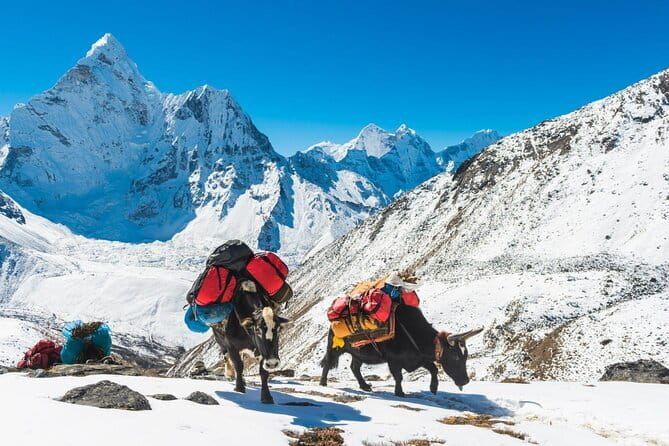
Day 3 takes you to Langtang Village after another 6-hour hiking day. This is where the trek turns from scenery into culture.
You walk through forest and into areas tied to Tamang and Sherpa village life. The route description highlights moss-covered trees and rhododendron blooms, and you’ll likely feel the change as you approach more inhabited areas—less uninterrupted wilderness, more daily life around you.
Why this matters: when you reach villages like Langtang Village, your senses shift. You stop only seeing peaks and start noticing livelihoods—how people keep warm, how they store supplies, and how the trail connects the valley communities.
A consideration: village days often mean more stops and more opportunities to buy small things. If you’re trying to keep costs down, you can still do that—just set a simple budget for snacks and drinks and stick to it.
You can also read our reviews of more tours and experiences in Kathmandu
Day 4: Kyanjin Ri Morning Energy and Kyanjin Gompa
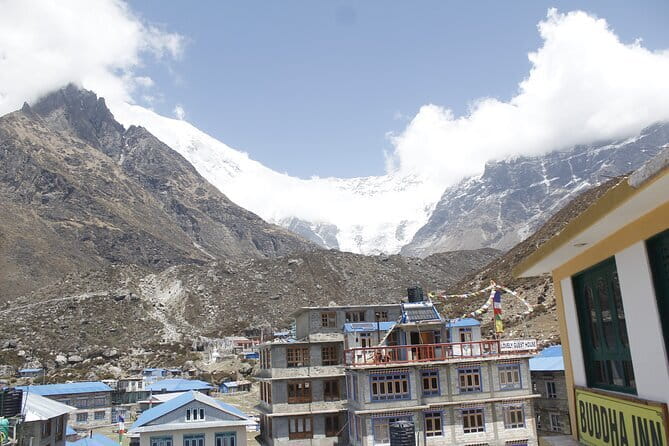
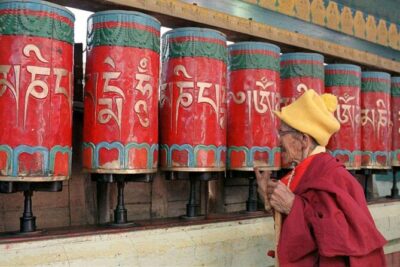
Day 4 is listed at Kyanjin Ri with about 6 hours. As you ascend, the air is described as getting crisper. Then you reach Kyanjin Gompa, a Buddhist monastery located around 3,800 meters.
This is a big day for atmosphere. Monasteries change the tempo of a trek. Even if you’re not a religious traveler, you’ll feel the calm. You’re also at a point where the high valley starts to open up visually, so you can see how the landscape leads toward the higher ridge day that comes next.
What you’ll likely love here is the combination of quiet and views. You get a spiritual pause without losing the sense of forward motion.
Possible drawback: the climb into this elevation zone can feel sharp if you went too fast earlier. So keep your pace easy today. The goal is to arrive feeling good, not wiped out.
Day 5: The Kyajin Ri High Point Day and the Rocky Reality
Day 5 is the “big elevation” day. The itinerary mentions rocky ridges, narrow paths, and occasional steep sections along the route. It also references reaching the Kyajin Ri summit area at roughly 4,700 meters (about 15,420 feet).
After a higher morning, you return back to Lama Hotel for the night, with the day still listed around 6 hours.
This is where you’ll want to treat your body like equipment. Go slow on the ascent. Keep water intake steady. Don’t gamble with speed because the ground gets narrow and uneven in places. At altitude, your breathing changes—so use that as your pacing gauge.
Why this day is worth it: it’s one of the clearest ways this trek earns its name. The ridge elevation and summit-style feeling are what turn “valley walking” into a true Himalayan moment.
Day 6: Downhill to Syabrubesi and a Chance to Breathe
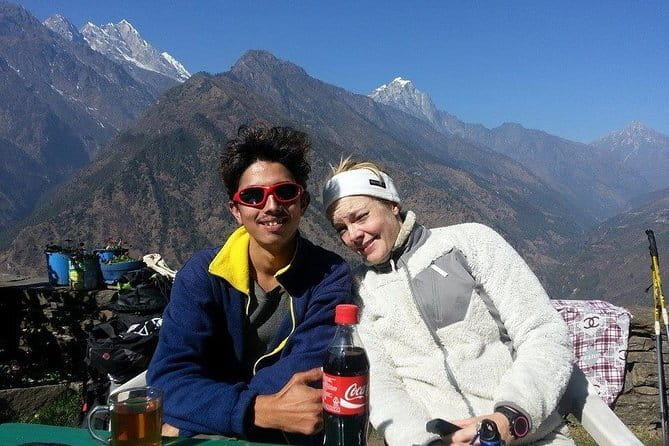
Day 6 brings you down from Lama Hotel to Syabrubesi, usually 5 to 6 hours. The description points to forests, streams, and local villages—basically the valley’s lower life again.
This downhill day is underrated. Yes, it’s easier in altitude terms, but it can still be hard on the legs because steep down sections can stress knees and ankles. If you have trekking poles, this is the day you’ll be glad you brought them.
Why it’s special: the valley looks different on the way down. You’re moving faster, but you’re also catching more views across the river and forest edges. You get that “I’m leaving, so I notice more” feeling—often without realizing it until later.
Night stays return to Hotel Garden inn Shyfru Bensi.
Day 7: Back to Kathmandu and Time in Thamel
Day 7 is a return travel day. You leave Syabrubesi and drive back to Kathmandu. The itinerary lists 7 to 8 hours of driving, with breaks for stretching.
The tour ends in Thamel, which is one of Kathmandu’s main tourist neighborhoods. That’s a practical finish: after trekking you’ll find lots of familiar services around you—food, gear shops, and places to reset.
If you want to turn this into a longer cultural add-on, Thamel is a convenient base. You might also plan a quick visit to a major temple site like Swayambhunath if you have extra time and energy, since it’s the kind of stop that pairs well with a post-trek Kathmandu day. (Just keep it separate from the trek itself.)
Lodges, Meals, and the Comfort Trade-Off
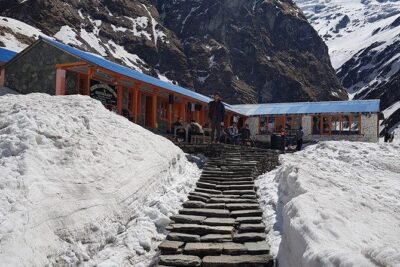
This trek includes accommodation in the lodge. Lodges in trekking areas are usually simple and functional, not luxury. Still, for a 7-day plan, lodge nights are a big win: you’re not hunting for places to sleep, and you can focus on the next day’s hike.
What to expect in real terms:
- Rooms tend to be basic.
- Heating may be limited depending on the lodge and conditions.
- Common areas for dining and charging devices can fill up in peak season.
My advice: pack for comfort in layers. Even when the days feel mild, mornings and evenings can change quickly at higher elevations.
Also, remember: personal expenses aren’t included. That means drinks, snacks, and any extras will come out of your pocket. Build in a small daily budget so you’re not surprised.
What This Trek Says About Your Fitness (And How to Prepare)
The trek is described as accessible, suitable for trekkers with moderate fitness, and known for varied terrain without the extremes of more strenuous Himalayan treks. That’s good news if you want a meaningful challenge but not a full hardcore program.
Still, “moderate” doesn’t mean “easy.” You’ll do multiple ~6-hour hiking days, reach higher elevations, and deal with narrow or rocky sections on the key ridge day.
Here’s what I’d do before you go:
- Train for steady walking: stairs help, long walks help more.
- Practice packing your daypack and moving with it.
- If you’ve never trekked at altitude, take pacing seriously and don’t treat the route like a race.
And on the paperwork side: you’ll need passport details and a photo (a selfie works) to issue trekking permits.
Who Should Book This Trek
This is a great match if:
- You want a classic Himalayan valley trek with villages and monasteries, not only viewpoints
- You prefer having an English-speaking guide and permits handled
- You like the comfort of planned lodge nights across the week
- You want a private experience where only your group participates
It may be less ideal if:
- You’re highly altitude-sensitive and don’t want any time near ~4,700 meters
- You hate rocky, narrow trail sections on a summit-style day
- You’re trying to keep every cost at the absolute minimum (because personal expenses add up)
Should You Book This Langtang Trek?
Yes, if you want a 7-day trek that feels grounded: real villages, big mountains, and a route that’s challenging without being wildly technical. The value is strong because you’re buying structure—guide, permits, lodge stays, and transfers—and the trail rewards you with the kind of views that keep showing up.
If you book, go in with patience. The trail pace matters at higher elevations, and the best day on a trek is often the one where you didn’t rush.
FAQ
How long is the Langtang trek from Kathmandu?
It runs for about 7 days (approx.), with trekking days around 5 to 6 hours and travel days that can be longer, including the drive between Kathmandu and Syabrubesi.
Do you need trekking permits for this itinerary?
Yes. The tour includes a trekking permit and a TIMS card, but you must provide passport details and a photo (selfie also works) to issue the permit.
Is pickup and drop-off included?
Yes. The experience includes hotel pickup and drop-off.
What kind of accommodation do you get?
You stay in lodges during the trek. Accommodation is included as part of the tour.
Is this a private trek or a group trek?
It’s private. Only your group will participate, though the round trip transfer uses a sharing local bus.
How difficult is the route?
It’s aimed at people with moderate fitness. The trek is described as accessible, with gradual ascents through forests and higher areas, but the higher day includes narrow paths and rocky sections.
What’s included in the price?
Included features are hotel pickup and drop-off, round trip transfer by sharing local bus, trekking permit and TIMS card, English speaking trekking guide, lodge accommodation, and a private trip.