REVIEW · KATHMANDU
Annapurna Base Camp Trek 10 Days
Book on Viator →Operated by The Great Adventure Treks & Expedition - Private Day Tours · Bookable on Viator
Annapurna Base Camp is a long look at big mountains. What makes this trip interesting is how it strings together classic Annapurna views with real village days, and how the people running it seem to know how to keep you moving without fuss. I especially like the way the trek is handled by guides like Sudam and Ganesh, who come across as professional, attentive, and even good-humored, and I love the steady mix of forest trails, stone steps, bridges, and then that big day when the scenery opens up at Base Camp. The main drawback to think about is the physical side: steep ascents, lots of steps, and high altitude are part of the package, and you’ll want a moderate fitness baseline before you go.
The logistics are also clearer than many treks. You get the key permits (ACAP and TIMS), meals during the trek, and even trekking gear basics like a sleeping bag and down jacket, plus a porter setup (2 guests per porter, 25 kg max) that helps you avoid turning your pack into the main event. Still, the itinerary includes long travel days and walking days (sometimes 6–8 hours), so plan to be tired at the end of almost every day.
In This Review
- Key things that make this trek work
- Why Annapurna Base Camp feels different in 10 days
- Price and what you actually get for $996
- Day 1: Kathmandu to Pokhara by tourist bus (your body’s first test)
- Day 2: Pokhara to Ghandruk and the first big views
- Day 3: Ghandruk to Chhomrong via viewpoints and uphill rhythm
- Day 4: Chhomrong’s descent, suspension bridge, and Khuldighar
- Day 5: Deurali to Annapurna Base Camp—where the forest disappears
- Day 6: Base Camp sunrise and the return to Bamboo
- Day 7: Jhinu Danda and the long way back through Chhomrong country
- Day 8: Jhinu Danda to Naya Pul, then drive to Pokhara
- Day 9: Pokhara leisure day—lakes, time, and no pressure
- Day 10: Back to Kathmandu by scenic flight or bus
- The guide and porter setup: why it matters more than people think
- Who this trek is best for (and who should plan differently)
- Should you book this Annapurna Base Camp trek?
- FAQ
- What time does the trek start in Kathmandu?
- How long is the Annapurna Base Camp trek?
- What does the trip cost?
- Is airport pickup or transfer included?
- What permits are included for the trek?
- Is a porter included, and how much can they carry?
- What trekking gear is provided?
- Is cancellation refundable if I cancel early?
Key things that make this trek work
- Licensed guidance from Sudam and Ganesh: consistently described as attentive, supportive, and experienced
- Permits handled for you: ACAP and TIMS are included
- Porter support without chaos: 2 guests share 1 porter, with 25 kg max per porter
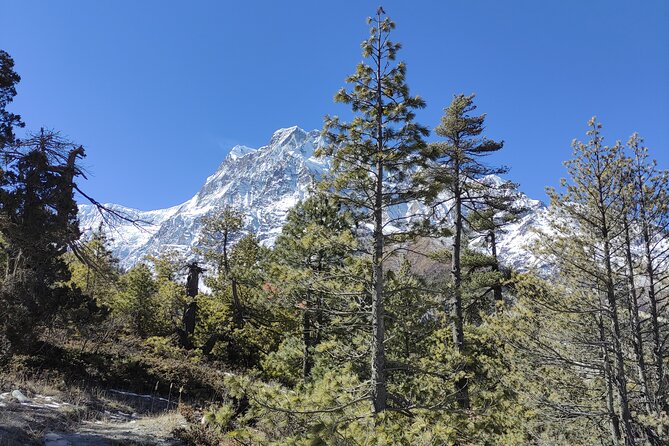
- Classic day-to-day variety: villages, suspension bridges, river-bed climbs, and Base Camp itself
- Pokhara built in on purpose: a full leisure day plus lake-view time
Why Annapurna Base Camp feels different in 10 days
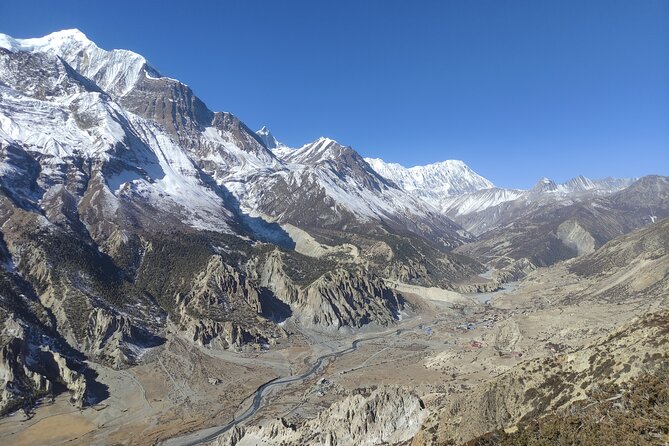
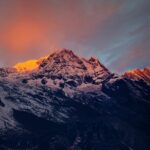
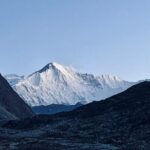
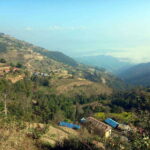
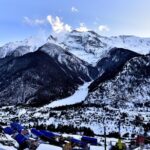
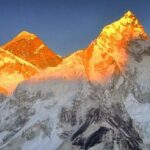
Annapurna Base Camp has a reputation, but the real magic is the rhythm. You start with driving and gradual trail movement, then the walking gets more demanding as you go, and eventually the trek rewards you with wide, jaw-level views around the Annapurna massif. Along the way you pass through traditional Gurung and Magar village areas, so the trek isn’t only about altitude and rocks—it’s also about how people live close to the mountains.
I like that the trip is structured around that emotional arc. Day after day you’re earning better views, not just getting dropped at the highest point. And when you reach the Base Camp area at 4,130 meters, the achievement lands because you’ve already climbed through the forests, stepped down into valley crossings, and pushed upward again and again.
You can also read our reviews of more hiking tours in Kathmandu
Price and what you actually get for $996
At $996 per person, this trek isn’t bargain-bin cheap, but it also isn’t “pay for nothing.” You’re getting a package that covers the big cost drivers most hikers end up paying separately: guide leadership, porter help, permits, in-trek meals, and key gear.
Here’s what matters for value in plain terms:
- Guiding and porter team: a government-licensed trekking guide plus a porter (with a weight limit)
- Permits covered: Annapurna Conservation Area Project (ACAP) and TIMS card
- Gear basics included: sleeping bag and down jacket are part of the provided equipment
- Meals included: breakfast, lunch, and dinner during the trekking days (listed as 8 each for breakfast, lunch, and dinner)
- Transport included: Kathmandu ↔ Pokhara by tourist bus, plus Pokhara to Nayapul and back by private vehicle, and a scenic return option to Kathmandu
One thing to keep in mind: the included “emergency rescue help” is covered by your travel insurance. So before you go, make sure your policy actually matches that expectation.
Day 1: Kathmandu to Pokhara by tourist bus (your body’s first test)
The day starts early, after breakfast, with a luxury tourist bus from Kathmandu to Pokhara. Expect about 6–7 hours of riding, depending on the route and conditions.
Why this day matters: it sets the tone for how you’ll manage energy. You won’t be hiking yet, but long road time still counts as fatigue. If you’re prone to feeling stiff after travel, bring a little routine—water, a light snack, and a few stretches when you can.
When you arrive in Pokhara, you have an actual base to settle in. Pokhara is a major tourism hub, and that’s useful: services are easier to find, and you’re not starting your trek in total isolation.
Day 2: Pokhara to Ghandruk and the first big views
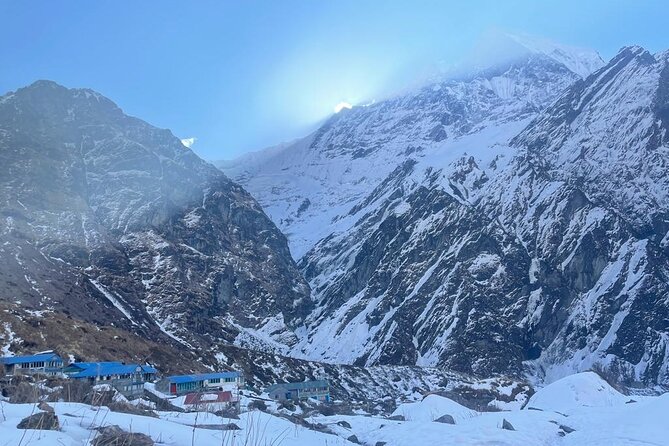
You drive from Pokhara to Ghandruk (about 3–3.5 hours), then transition into the trail. The early part of this trek gives you a feel for how fast the landscape changes around the Annapurna region.
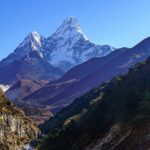
Ghandruk sits at around 1,940 meters, and it’s known as a beautiful village area. From there, your trek includes an uphill push toward Kimrungdanda, where the payoff starts: you’ll have views of Annapurna South, Hiunchuli, Machhapuchare (Fishtail), and Gangapurna.
Possible consideration: that first day’s climbing can be short, but it’s still “work.” If you’ve never done altitude hiking before, treat this as a warm-up that teaches you how quickly your legs tire.
Day 3: Ghandruk to Chhomrong via viewpoints and uphill rhythm
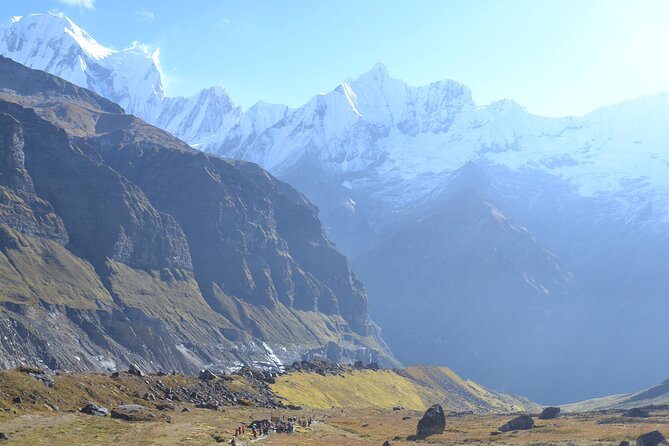
This day continues the pattern: start in village terrain, move through uphill sections, and aim for classic Annapurna angles. You’ll trek toward Chhomrong, with the day’s route including that gradual-to-steeper rhythm that makes ABC treks feel like a sequence of small decisions—slow down, sip water, and keep your breathing steady.
Chhomrong is a key name on the Annapurna Base Camp map, and you’ll feel that on the ground. You’re not just passing through; the trail funnels you through a scenic corridor where you can look back and see the peaks you’ve been working toward.
If you want one practical tip: watch your pacing here. Day 3 is often where first-timers overdo it because the views feel so close.
Day 4: Chhomrong’s descent, suspension bridge, and Khuldighar
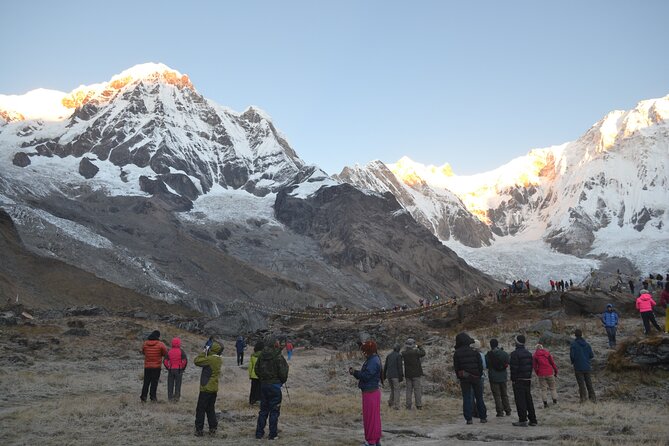
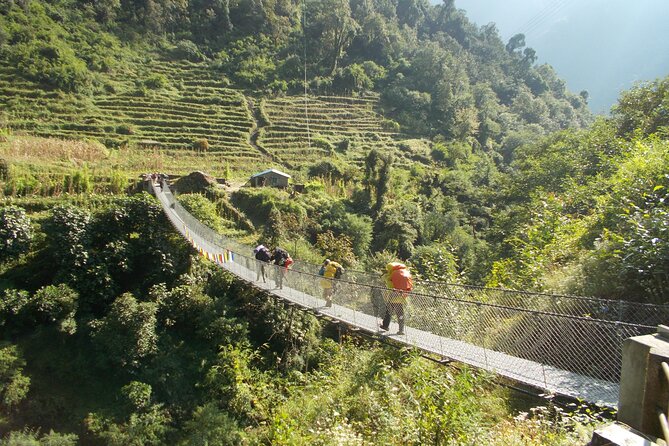
From Chhomrong, the trail initially goes downhill through thousands of steps to the Chomrong Khola. Then comes a suspension bridge crossing, followed by an uphill trek toward Khuldighar at about 2,380 meters.
This is a day you’ll feel in your knees and calves. Step descents can be more tiring than you expect, and the bridge crossing adds that slight mental reset you might need after a long run of stairs.
Why I think this day is worth it: descending and crossing early means you’re not only walking upward all the time. You get variety, plus the later climbs feel earned rather than constant punishment.
You finish at the area around The Himalayan Hotel, which is part of the standard trek flow toward higher ground.
Day 5: Deurali to Annapurna Base Camp—where the forest disappears
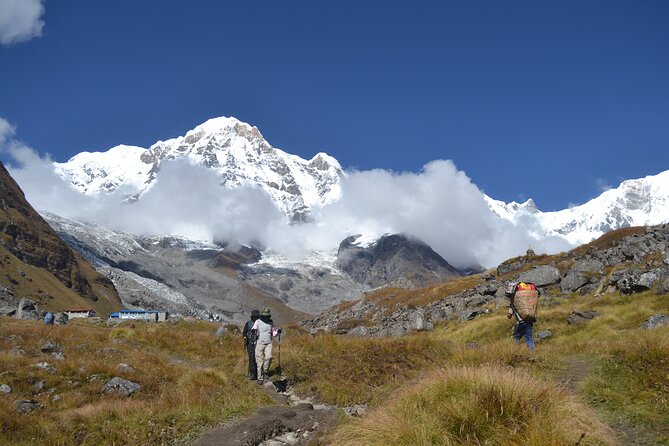
Day 5 is the hinge day. You walk an hour toward Deurali, then climb gently through a river-bed style section before hitting a steep trail that leads toward the mountainside area known as Bagar. You’ll then head out toward Annapurna Base Camp itself.
One detail that helps you understand what to expect: as you go toward ABC from Machhapuchhre Base Camp, forested vegetation is said to disappear. That means you’re moving from covered, shaded walking to more exposed trail stretches, where cold and wind can matter more.
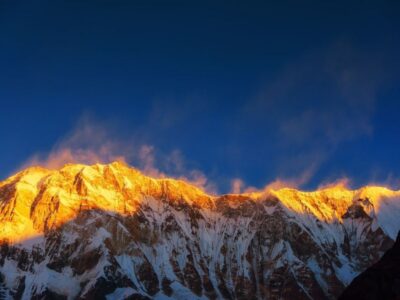
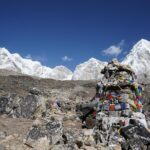
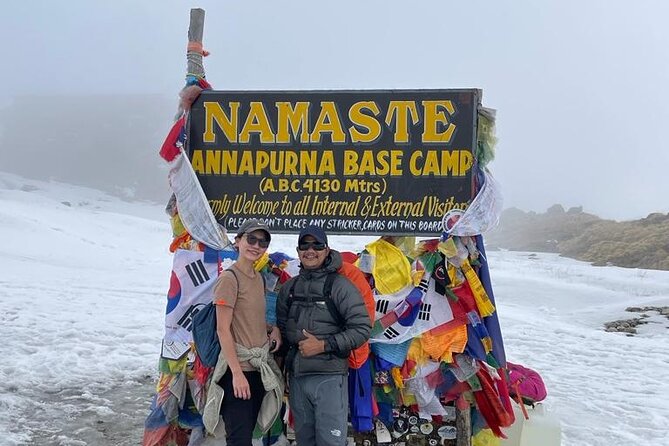
Finally, you reach Annapurna Base Camp. At this point, the altitude is no longer theoretical—you’re standing around 4,130 meters and absorbing the views like they’re part of your breath.
Day 6: Base Camp sunrise and the return to Bamboo
This day starts with a morning sunrise at Annapurna Base Camp. Then it’s a descent: you head back on the same general trail you used to get there, walking all the way to Bamboo.
Descent days can feel weirdly easier and harder at the same time. Your heart rate often drops, but your legs do more work stabilizing with every step. Plan for slow going, especially if it’s cold.
Why this day is important for the overall experience: it gives you the chance to process what you saw at Base Camp without the pressure of reaching the next high point immediately. You’re hiking, but you’re also resetting your mind.
Day 7: Jhinu Danda and the long way back through Chhomrong country
This day includes a route that goes uphill first to Kuldighar, then down toward Chhomrong Khola, and again uphill through stone steps before returning to Chhomrong. From there, the itinerary continues toward Jhinu Danda.
The big idea: you’re not “just reversing.” You’ll still face climbs, steps, and repeated altitude effects. That’s why guides matter so much here. The best guides don’t rush. They help you keep your pace steady when you’re tired.
From the way this trip is run, I’d expect your guide team to focus on manageable timing and good communication—something that showed up strongly in feedback about how Sudam and Ganesh looked after their group.
Day 8: Jhinu Danda to Naya Pul, then drive to Pokhara
After morning hiking, you continue toward Naya Pul. This is described as a side-hill hike along Modi Khola for about 4–5 hours before you reach Birethanti, and then you drive about an hour back to Pokhara.
This day is often a relief: the walking is still real, but the route tends to feel more like a moving “final chapter” than a brand-new challenge. And arriving in Pokhara again means you can finally do more than eat and sleep—you can actually reset.
Day 9: Pokhara leisure day—lakes, time, and no pressure
Day 9 is a true breathing day. You’re in Pokhara for leisure on your own, and the itinerary calls out classic lake options such as Phewa Lake and Begnas Lake.
This is the day I recommend you use for logistics you postponed: charging devices, checking gear, and letting your legs feel normal again. If you’re the type who wants a light viewpoint stroll, this is the day to do it—just don’t over-schedule.
Day 10: Back to Kathmandu by scenic flight or bus
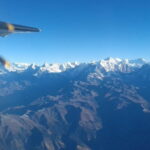
To finish, you take a scenic flight or bus from Pokhara to Kathmandu. The flight is highlighted as giving you one last chance to view mountains in the Annapurna region.
This kind of ending works well after a trek because it turns your final fatigue into a visual reward. You’re not climbing anymore, but you’re still seeing what you chased.
After you arrive in Kathmandu, the trip ends back at the meeting point.
The guide and porter setup: why it matters more than people think
Two names come up again and again: Sudam and Ganesh. The feedback around them points to three big strengths:
- They keep the group supported and moving
- They handle needs proactively (including guidance around what you might require)
- They bring a calm, experienced approach, with humor and flexibility
One review also notes Sudam can speak Chinese, which can be a real practical help if language barriers worry you.
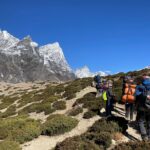
Porter support is also a meaningful feature in real life. You’ll have a porter carrying your baggage (2 guests per porter, 25 kg max). That means your pack stays more manageable, especially on stone-step sections when every extra pound feels like a decision you regret.
Finally, the group size is capped at a maximum of 16 travelers. That’s not tiny, but it’s small enough that your guide can still manage the pace without feeling like they’re herding a school bus.
Who this trek is best for (and who should plan differently)
This is geared toward people with moderate physical fitness. The trek includes steep ascents, many steps, and high altitude, so I’d treat it as a serious hike even though it’s sold as achievable for a wide range.
You’ll likely enjoy this most if:
- You want a structured trek with a professional guide and porter help
- You like the mix of culture and scenery, not just summits
- You can handle long walk days (around 5–8 hours on trekking days)
You might think twice if:
- You’ve struggled with knee pain on stair descents before
- You don’t handle cold well at elevation
- You can’t commit to a steady walking pace for multiple days
Should you book this Annapurna Base Camp trek?
I’d book it if you want a well-run ABC trek where the hard parts are supported—permits taken care of, guide leadership in place, and porter capacity so you can focus on walking. The standout feature here is the human side: guides like Sudam and Ganesh are repeatedly described as attentive, professional, and genuinely helpful, and that matters when you’re tired and altitude is making everything feel louder.
If you’re on the fence, use this checklist:
- Are you comfortable hiking 6–8 hours on a typical day?
- Do you have a moderate fitness base for steep climbs and many steps?
- Do you have travel insurance that aligns with the emergency rescue coverage language?
If those boxes are checked, this looks like a smart value way to earn Annapurna Base Camp without turning the trip into a logistics headache.
FAQ
What time does the trek start in Kathmandu?
The meeting point start time is 8:15 am.
How long is the Annapurna Base Camp trek?
The duration is listed as 10 days (approx.).
What does the trip cost?
The price is $996.00 per person.
Is airport pickup or transfer included?
Yes. Pickup from the airport and transfer to the hotel are included.
What permits are included for the trek?
The itinerary includes the Annapurna Conservation Area Project permit (ACAP) and the TIMS (Trekkers Information Management system) card.
Is a porter included, and how much can they carry?
A porter is included, carrying your baggage. The setup is 2 guests per porter with a maximum of 25 kg.
What trekking gear is provided?
The included equipment mentions a sleeping bag and a down jacket.
Is cancellation refundable if I cancel early?
You can cancel up to 6 days in advance for a full refund, with smaller refund percentages for cancellations closer to the start date as outlined in the policy.