REVIEW · KATHMANDU
Annapurna Base Camp Trek
Book on Viator →Operated by Nepal High Trek & Expedition Pvt. Ltd · Bookable on Viator
Annapurna Base Camp feels like a finish line. This trek earns its buzz with base camp sunrise moments and the steady government-licensed guide support that keeps you fed, moving, and safe. One watch-out: you start early (4:45 am) and the days demand solid, moderate fitness.
What I like most is that the trip is built around real rhythm: village paths, forest sections, river gorge walking, and then that long-awaited arrival at base camp. You’ll also get full-service value for the money, since meals and permits are handled for you. Just know this is a mountain itinerary, so weather matters and you should plan to be flexible.
If you want a classic Annapurna goal without turning it into a logistics project, this is a strong option. It’s designed for people who can handle regular uphill and downhill with some long walk days, and it works especially well if you’re traveling as a small private group.
In This Review
- Key points before you go
- Why Annapurna Base Camp works as a 7-day goal
- Price and logistics: what $699.67 really covers
- Walking schedule: from Ghandruk to base camp and back
- Day 1: Pokhara views, then Ghandruk first
- Day 2: Chhomrong via Kimrong ridge and river forests
- Day 3: Deep forest and Modi River gorge vibes toward Bamboo
- Day 4: Himalaya Hotel area near the big faces
- Day 5: Annapurna Base Camp day, then a long downhill return
- Day 6: Chhomrong back route, then Jhinu Danda hot spring
- Day 7: Easy finish in Siwai and drive to Pokhara
- Base camp day: sunrise payoff and what to expect at the top
- Guides and porters: the support that makes this trek feel well-run
- Food, sleep, and permits: the value behind a smooth trek
- Meals
- Accommodation
- Permits
- What to plan for yourself
- Pacing, altitude reality, and packing tips for a moderate trek
- Who should book this Annapurna Base Camp trek (and who might look elsewhere)
- Should you book this Annapurna Base Camp trek?
- FAQ
- How long is the Annapurna Base Camp trek?
- What does the trek price include?
- Do you get pickup and transport?
- What time does the trek start each day?
- What permits are included?
- Are meals provided during the trek?
- Is travel or rescue insurance included?
- Are tips included for the guide?
- What’s the cancellation/refund policy?
Key points before you go
- Full board trekking support with breakfast, lunch, and dinner plus seasonal fruits
- Permits included (Annapurna Conservation Area Permit and TIMS card)
- Licensed guide and ground transportation handled end to end
- Iconic route landmarks like Ghandruk, Chhomrong, Himalaya Hotel area, base camp, and Jhinu Danda hot spring
- Real flexibility in the plan when your needs change (it’s worked for groups sharing guide input)
- Guide names you can request early during peak season, including Suraj, Anos, and Laku
Why Annapurna Base Camp works as a 7-day goal
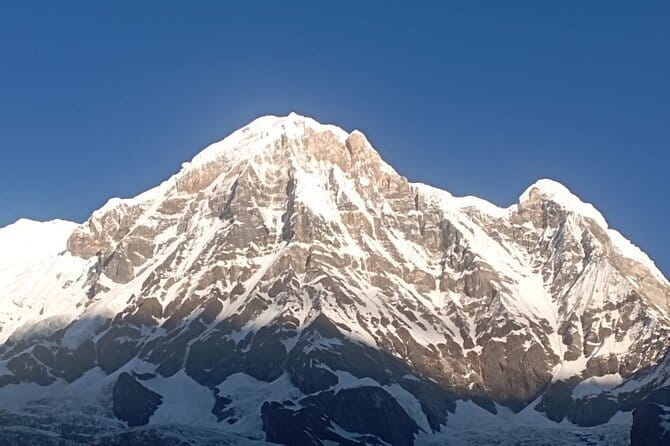
Seven days sounds short until you’re on the trail and realize what you’re really buying. You’re not just walking toward a dot on a map. You’re moving through multiple types of Nepal: terraced fields, rhododendron forests, Gurung villages, a river gorge, and finally the glaciated “how is this real” setting around base camp.
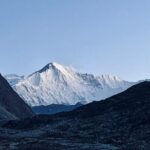
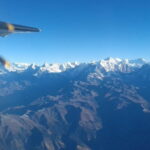
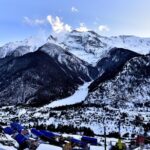
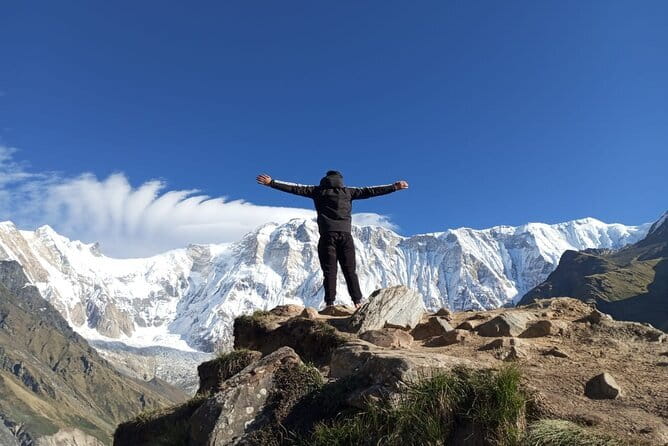
This route also gives you emotional payoff built into the schedule. You’re trekking toward big mountain faces like Annapurna South, Machhapuchhre (Fish Tail), and Hiunchuli, then you reach base camp where the achievement hits hard. The sunrise views are the moment most people remember, and the itinerary is structured to make that feasible rather than leaving it to luck.
You’ll also like the way the days break your effort into parts. There’s a steady mix of climbing, downhill, and forest walking, so you’re not grinding the same kind of slope for every single hour. It’s still demanding, but it stays human.
And value-wise, the trek is priced like a complete package. At $699.67 per person, you’re getting a guided trek with meals, permits, and included ground transport rather than paying for each piece separately.
You can also read our reviews of more hiking tours in Kathmandu
Price and logistics: what $699.67 really covers
Let’s talk about the “hidden costs” most trekking packages forget to mention. This one is upfront about the core things you’d otherwise have to chase down yourself.
Included in the price:
- Meals three times a day during the trek (breakfast, lunch, dinner)
- Accommodation for 7 nights while trekking
- Seasonal fruits during the trek
- A government license holder mountain guide
- Permits: Annapurna Conservation Area Permit (ACAP) and TIMS card
- All ground transportation: Pokhara to the start area and the return drive to Pokhara
Not included (things you may want to budget for):
- Travel and rescue insurance
- Bar bills, phone calls, laundry
- Battery recharge and extra amenities like hot water or showers
- Bottled water and other purchases on the trail
- Tips for your guide
What I like about this setup is that it removes the guesswork. You can focus on walking and enjoying the day instead of spending time figuring out permits or meal planning. For trekkers who hate surprises, this is practical value.
One more logistics detail that matters: the trek start time is 4:45 am. That early morning can be a shock if you’re used to slow starts, but it’s also how you buy better trail conditions and set up a smoother day.
Walking schedule: from Ghandruk to base camp and back
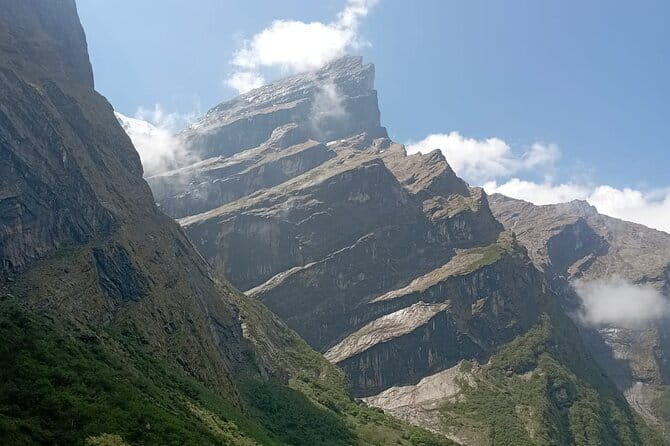
This is the classic Annapurna Base Camp arc, and you’ll feel the altitude mood shift as the vegetation and air change.
Day 1: Pokhara views, then Ghandruk first
You begin with an overnight in Pokhara, where you’ll get views of the Annapurna range and Machhapuchhre. Then you drive beyond Pokhara to start the first walking day, ending in Ghandruk.
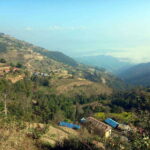
Why Ghandruk works on day one: it helps you find your trekking rhythm without immediately turning the trail into a wall. You’ll also get that sense of village Nepal, with terrace farming and community life close to the path. The drawback is that day one still starts with an early drive and an early start, so don’t plan this as a “sleep in and stroll” day.
Day 2: Chhomrong via Kimrong ridge and river forests
Day two heads to Chhomrong, moving from Ghandruk along a gradual path before you climb up toward Kimrong Danda (a ridge). From there, you descend into cooler forest trails and reach the Kimrong River area, then arrive at farm villages along the way.
This day is where the scenery starts shifting more noticeably. You’ll feel the trail go from cultivated fields to more shaded forest walking, which can feel cooler and easier on the legs. The consideration: a ridge-to-river day usually means uneven effort. You may feel fine uphill, then your calves complain on the downhill. Trekking poles can be a huge comfort here.
Day 3: Deep forest and Modi River gorge vibes toward Bamboo
After heading downhill toward a bridge, you climb again to Sinuwa Danda (ridge). From there, the trail winds through deep forest areas and down and up again toward Bamboo in the Modi River gorge.
This is the “quiet Nepal” day. The gorge setting and forest trail give you a break from big, open views and let you focus on steady steps and breathing. The drawback is that long forest walking can blur your sense of distance, so pace yourself. Your guide will help you stay on track, but you’ll feel better if you don’t burn matches early.
Day 4: Himalaya Hotel area near the big faces
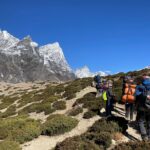
Day four brings you close to the highlight zone. You’ll walk past Himalaya Hotel, near a large Hinko cave, and into areas beneath Annapurna South and Huin-Chuli.
Then you move downhill toward the next overnight stop. This is one of those days where your brain starts recognizing you’re approaching high-mountain territory. The mountain faces feel larger and the air can feel thinner. The consideration here isn’t just effort. It’s patience. Move steadily, take breaks, and don’t treat this as a race.
Day 5: Annapurna Base Camp day, then a long downhill return
The itinerary makes Annapurna Base Camp the big moment: a long walk of about six hours leads you to base camp, and you spend time there before heading back downhill.
You’ll likely want to plan your base-camp time so you get both the arrival feeling and the sunrise views that make this trek famous. The day is physically demanding, but it’s also emotionally simple: walk to base camp, take it in, then turn around and get yourself back down.
Practical note for your body: after spending time at base camp, your legs may feel heavier on the descent. That’s normal. It’s also a good day to keep your steps controlled rather than letting gravity do all the work.
Day 6: Chhomrong back route, then Jhinu Danda hot spring
Day six returns you toward Chhomrong with ups and downs. Then the route diverts to a fresh trail toward Jhinu, a hill village with grand scenery, and you finish at the Jhinu Danda hot spring area.
This is your reward day. Hot springs aren’t magic, but they can help your sore muscles reset for the final stretch. The consideration: it’s easy to overdo it if you’re treating it like a spa day. Keep it reasonable so you still have energy for the rest of the afternoon.
Day 7: Easy finish in Siwai and drive to Pokhara
Your final day includes a pleasant walk downhill through low and warm farm areas to Siwai, then a drive back to Pokhara. The day is designed as a calmer wrap-up rather than another grind.
If you want a simple last-day strategy, it’s this: enjoy the scenery slowly, then save your energy for a comfortable final dinner in Pokhara.
Base camp day: sunrise payoff and what to expect at the top
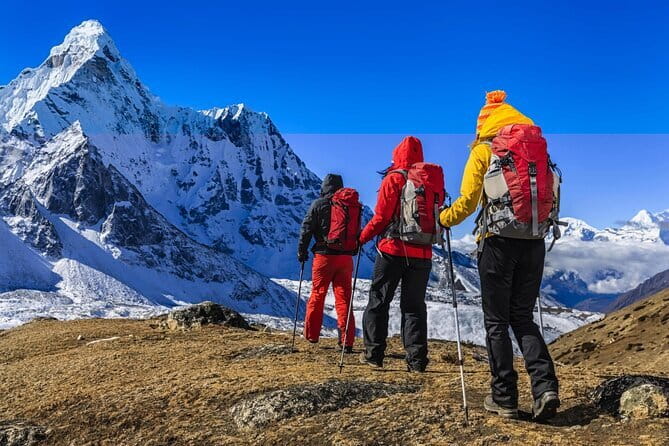
Annapurna Base Camp isn’t just a viewpoint. It’s a whole high-mountain world that changes how the mountains look when you’re surrounded by them rather than staring up at them from a valley.
The key moment here is sunrise. When it’s clear, you get that crisp “light hits glaciers” look that makes the trek feel worth every step. If weather isn’t cooperating, you’ll still experience base camp as a physical place, not just an image. Either way, you’ll want to treat the day as a timing game: your guide helps coordinate when you leave and when you arrive, but you’ll still feel happier if you’re ready early and dressed for cold.
What helps most at base camp is a simple mindset. Don’t try to see everything at once. Take your photos, take a slow breath, then let the moment land. Then keep moving before your energy disappears.
Guides and porters: the support that makes this trek feel well-run
A trekking company can promise comfort, but what matters is how the guide handles small decisions minute by minute.
This trip is led by government license holder mountain guides, and the team has shown a pattern of being professional and attentive. In the experiences shared, guides such as Suraj, Anos, and Laku come up again and again. You’ll also see porters named Sonam, Necha, and others tied to people’s comfort and daily care.
What I’d call the practical win: these guides manage the everyday stuff that determines whether a trek feels smooth. That includes planning for meals and accommodation so you’re not scrambling mid-trail. One highlight from shared experiences is that communication before the trek can be easy, with people using email and then moving to WhatsApp for quick coordination.
Also, this trek has a reputation for being responsive. If you have specific needs or you realize the route needs adjustment, guides have shown flexibility. That matters because real people get tired, change their pace, or rethink what they want out of the trek.
If you want a particular guide or porter, it’s smart to request early, especially during peak hiking season.
Food, sleep, and permits: the value behind a smooth trek
Let’s translate the included items into real-life benefits.
Meals
You’re covered with breakfast, lunch, and dinner during the trek, plus seasonal fruits. This is more than convenience. It means you can hike without constant stops for snacks and you can keep a steady energy rhythm. It also reduces the chance you’ll end up paying premium prices for basic food at the wrong time.
Accommodation
You get 7 night accommodation as part of the package. On a trek, where you sleep shapes your next day’s mood. Even simple rooms matter when you’re tired.
Permits
Permits are included: ACAP and TIMS. This is one of those items that feels boring until you need it. Having them handled means you can stop worrying and start walking.
What to plan for yourself
You still want your own insurance and you’ll likely want to carry money for personal extras. Since bar bills, phone use, laundry, and some amenities aren’t included, decide early how you want to handle those. Also, bottled water and hot water/shower costs may be on you, so build that into your budget.
Pacing, altitude reality, and packing tips for a moderate trek

This is described as a moderate trekking region, and the expectation is moderate physical fitness. That doesn’t mean it’s easy. It means the itinerary is intended to be doable for people who train a little and walk consistently.
Altitude isn’t spelled out with numbers here, so I’ll give you the safe rule that works in every mountain situation: take it slow, drink water, and don’t try to prove anything. If your breathing changes, tell your guide. A good team will adjust pacing and breaks without making it feel dramatic.
Packing that actually helps on this route:
- Layering for cold early mornings (the 4:45 am start is a clue)
- Something for rain, because Nepal weather can change quickly
- Trekking poles if you have them (downhill control is a real leg-saver)
- Sunscreen and sunglasses for exposed sections
- A plan for charging and water purchases, since those aren’t included
This experience also notes a key reality: it requires good weather. If weather turns, you may be offered a different date or a refund. In mountain travel, flexibility is part of the ticket price.
Who should book this Annapurna Base Camp trek (and who might look elsewhere)
This trek is a great match if you:
- Want a guided, full-service Annapurna trek with permits handled
- Prefer a private group setup where your group is the only group participating
- Can handle daily walking with ups and downs and a fairly early start
- Appreciate a classic route with village culture and big mountain payoff
It may be less ideal if you:
- Want a very short hike with no long walking days
- Expect the trek to feel fully restful every afternoon
- Don’t like early mornings or having your day shaped by weather
Service animals are allowed, and the trek is described as near public transportation, which can matter if you’re coordinating other Nepal travel segments.
Should you book this Annapurna Base Camp trek?
If you want Annapurna Base Camp as a goal trek without turning your trip into a project, I’d say this booking option makes sense. The value is in the details: meals, accommodation, permits, and transport are bundled, and you get a licensed guide and solid local support.
Before you book, do two things. First, decide honestly if you can handle moderate days starting early. Second, ask for the guide by name early if that matters to you, because the team names that come up often are exactly the ones people felt most comfortable with.
If you’re ready for a real mountain week and you want the base camp moment to feel organized rather than chaotic, this is the kind of trek that fits.
FAQ
How long is the Annapurna Base Camp trek?
The trek is listed as 7 days (approx.).
What does the trek price include?
The package includes three meals a day during the trek, 7 nights accommodation, a government license holder mountain guide, Annapurna permits (ACAP) and TIMS card, plus all ground transportation between the trekking start area and Pokhara.
Do you get pickup and transport?
Pickup is offered, and ground transportation is included, including Pokhar- Syauli Bazar and Samrung Khola to Pokhara.
What time does the trek start each day?
The meeting start time is 4:45 am.
What permits are included?
You get Annapurna Conservation Area Permit (ACAP) and a TIMS card included in the tour.
Are meals provided during the trek?
Yes. The trek includes breakfast, lunch, and dinner during the trekking days, plus seasonal fruits.
Is travel or rescue insurance included?
No. Travel and rescue insurance is not included.
Are tips included for the guide?
No. Tips for your guide are not included.
What’s the cancellation/refund policy?
You can cancel for a full refund if you cancel at least 24 hours before the experience’s start time, and it’s also noted that weather-related cancellations can lead to a different date or a full refund.