A remote-feeling trek with real comforts. This Manaslu Circuit is built for people who want serious mountain time without the chaos of major routes, and you still sleep in teahouses instead of hauling tents. I like that it mixes classic valleys with Tibetan-influenced villages, and the highlight is Larke-La Pass with mountain views that feel earned.
Two things I really appreciate: the logistics cover the hard parts (licensed guiding, permits, and mountain lodging), and the trail is reachable overland from Kathmandu so you avoid extra flights. One drawback to think about first: you do need moderate fitness and you’ll face steep climbs and steep days where pace depends on altitude and weather.
In This Review
- Key things that make this trek click
- Manaslu Circuit with teahouses, not tent life
- What’s included in the price (and why $227 can make sense)
- Overland start: Kathmandu to the real trail begins
- From Machhakhola to Namrung: checkpoints and first big climbs
- Shyala to Samagaon: sunrise views and Tibetan villages
- Manaslu Base Camp day: the steep push is the point
- Birendra Taal to Samdo: old monastery stops and panoramic viewpoints
- Layung La and the long approach to Larke-La
- The descent: Bimthang, Tilche, farmlands, and the Marsyangdi Valley
- Back to Kathmandu: minibus time and river views
- Guide, porter, and the small details that matter
- Packing and preparation for a moderate-fitness circuit
- Price and logistics: what you’ll want to double-check
- Should you book the 14-day Manaslu Circuit?
- FAQ
- How long is the Manaslu Circuit Trek?
- Where does the trek start?
- Do I need to carry a tent and cooking gear?
- Are permits included for the restricted and conservation areas?
- What trekking gear is included?
- What meals are included during the trek, and what is not?
- Is there a guide, and how large is the group?
- Can I cancel for a full refund?
Key things that make this trek click
- Teahouses at each stop mean you can travel lighter and eat warm meals with less fuss.
- Larke-La Pass is the big goal day, with windy, rocky conditions possible and early views from the top of the climb.
- Overland access from Kathmandu helps keep the trip more practical than flight-based treks.
- Manaslu Base Camp + Sama Gaon culture gives you both peak time and village time.
- Professional guide and porter support keeps things moving and makes the restricted-area rules manageable.
- Small-group feel (max 25) makes it easier to settle into a rhythm without constant crowding.
Manaslu Circuit with teahouses, not tent life
Manaslu Circuit is often described as less crowded, and that matches the feel of the route: you’re not bouncing from lodge to lodge in a tourist traffic jam. The trail is isolated and not fully domesticated, but the big win is that you don’t need camping gear. Teahouses show up along the way, so you can focus on walking, adjusting, and enjoying the mountains rather than planning meals and carrying extra supplies.
Another reason this trek works well for real travelers is timing. You get early starts most days, and the schedule is built around daylight for longer climbs and passes. That matters because on a trek like this, your best photos usually happen when the light is right—often in the morning.
You can also read our reviews of more hiking tours in Kathmandu
What’s included in the price (and why $227 can make sense)
At $227 per person for a 14-day trek, the value depends on what’s covered. Here, the package includes 13 nights in mountain teahouses, a licensed professional trekking guide for the whole trek, and the permits you must have for this region. It also includes key support items like a sleeping bag and down jacket, plus a first-aid kit on the trek and emergency rescue help that your travel insurance can use.
You’re also getting trekking meals support: breakfast for 14 days, lunch for 14 days, and dinner for 13 days. That’s a lot of daily structure, and it reduces the chance you’ll get stuck at a teahouse with fewer choices than you expected. The parts not included are the usual money-killers: Kathmandu meals, drinks during trekking, and personal travel insurance plus international airfare and visa costs.
Overland start: Kathmandu to the real trail begins
You’ll start in Kathmandu, then head toward Gorkha by local bus after breakfast. From there, you work your way into the river valleys and down toward the trekking towns that act like gateways to the mountains. A huge practical benefit here is that you’re not relying on flights to reach the trailhead—overland travel keeps the plan more flexible if road conditions shift.
On the way in, you’ll spend time on the Prithvi Highway area, traveling along major rivers such as the Trisuli River. That stretch is also your first taste of Nepal outside the city center: bus rides, small markets, and the rhythm of everyday life far from tourist brochures.
From Machhakhola to Namrung: checkpoints and first big climbs
Once you reach the lower trekking zone, the rhythm turns into downhill-walk-uphill-walk. Your early days go through places like Machhakhola, Jagat, Deng, and then toward Namrung, with long days around 7 hours of walking in the early section. Expect stairs of rock and trail that climbs hard after you’ve already been walking, especially once the route starts gaining altitude in the Budhi Gandaki area.
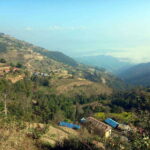
You’ll cross checkpoints on the way, which is part of what makes this trek feel organized despite being remote. You also get a mix of sights in the first half: waterfall views, ridgelines, and ridge climbs that show you how quickly the scenery changes as you move up the valley.
Namrung is a key moment because you’re not just passing through—you’re entering the zone where views of the Manaslu region start to feel closer. In practice, that also means nights can feel cooler, even if the trail feels manageable on paper.
Shyala to Samagaon: sunrise views and Tibetan villages
This section is where the trek starts rewarding you for the climbs you earned earlier. Starting around Shyala and moving toward Pung Gyen Gompa and then Sama Gaon, you’ll cross Budhi Gandaki and hike along impressive valley routes. The vibe shifts from “getting there” to “this is why I came,” especially because you’ll get sunrise access and major mountain light changes.
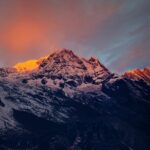
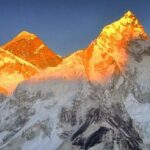
At Shyala and on the way to Pungyen Gompa, the schedule is built around a morning moment: the top of Manaslu turning golden. That kind of sunrise is one of those things that sounds dramatic until you’re actually looking at it and realizing how fast the color changes with the angle of the sun.
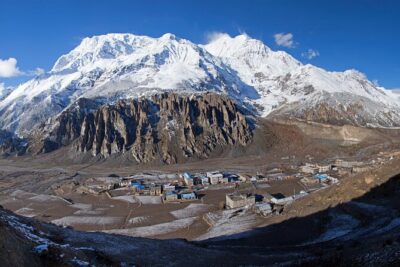
Sama Gaon is also a culture stop, not just a sleeping stop. You get time to visit the village and see how local Tibetan communities live, which adds depth beyond the usual photo-and-go pattern. If you enjoy quiet places where people recognize your routine, Sama Gaon is a satisfying place to pause.
Manaslu Base Camp day: the steep push is the point
Getting to Manaslu Base Camp is one of the most intense segments in the plan. After you spend time in Sama Gaon, you walk for about an hour on a mostly flat approach, then the trail turns steep. That push takes you through a section where you can feel altitude and fatigue more clearly, and the payoff comes in the form of the views you’re there for.
Once you reach base camp, you don’t just stamp it and leave. You get time to take in the surroundings and then return to Sama Gaon. The practical reason for that return is acclimatization: by moving back down after base camp, the trek keeps you from stacking all the hardest altitude moments into one day.
This is also where your guide’s pace matters. A good guide balances the urge to rush with the need to keep everyone safe and moving steadily, especially after long climbs.
Birendra Taal to Samdo: old monastery stops and panoramic viewpoints
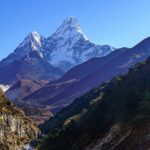
From Sama Gaon you work toward Birendra Taal via an old monastery and a Tibetan cultural library. These are the kinds of stops that take you away from just thinking about altitude and make you notice how religious sites and learning centers sit in the mountains. You then descend toward Samdo, passing points like Kermo Kharka, which is famous in this region for panoramic views of Manaslu and Pangpoche.
This section is shorter on paper but mentally it can feel demanding. You’re still gaining altitude overall, and the walking is steady. You’ll likely notice that teahouse food feels more important here, because your energy needs are higher and you’ll be thankful for warm meals when the air gets sharper.
Layung La and the long approach to Larke-La
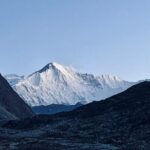
As you head from Samdo toward the Layung La area, the route becomes more about big views and sustained climbing. You’ll get close views of Mt. Samdo, Gyala Peak, and the Larkya Bazar area during the approach. On this day you’ll be ascending for about 4 to 5 hours, which means you should plan your energy management early—start slow, keep breathing steady, and don’t sprint for the views.
Then comes the real finale: Larke-La. The hike toward Dharamsala and Larkya Base Camp sets up the pass day, with grassy terrain and juniper mentioned on the route. This part matters because the pass day can feel like it’s all at once. By reaching Dharamsala/Larkya BC and having time at that elevation, you give yourself a better shot at handling the wind and cold when it arrives.
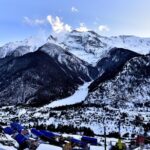
The Larke-La Pass crossing itself includes morning views of Larkye Peak (6249m). The trail can be windy and rocky, so you’ll want to treat this like a careful summit push, not a casual walk.
The descent: Bimthang, Tilche, farmlands, and the Marsyangdi Valley
After Larke-La, the day shifts from dramatic heights to controlled descent. You’ll walk down to Bimthang by steep descent, and along the way you get views of Nimjung, Himlung, and Kanguru mountains. The downhills can be hard on knees and ankles, so it helps if your boots and socks are dialed in before the pass day.
Next you move toward Tilche from Bhimthang, a trek of about 6 to 7 hours. You’ll start with descent shortly after leaving Bhimthang, and you also keep seeing mountain views of Manaslu along the way. Tilche is also a change in feel: instead of just altitude and rock, you’re walking into more everyday terrain.
On the last trekking day, you hike through farmlands near Tilche and down toward the Marsyangdi Valley. Then you connect back to the road system, using transport to reach Besisahar. You’ll see waterfalls and lush river-valley scenes during the drive, and that’s a nice emotional release after the pass.
Back to Kathmandu: minibus time and river views
Your final transfer is a drive from Besisahar to Kathmandu. You’ll get hill and mountain views along the way, plus river scenery as the route follows the Marsyangdi and Trishuli rivers. It’s the kind of ride where you finally exhale—because after 13 nights in the mountains, even a long minibus trip can feel like part of the journey.
This is also when you’ll notice the contrast between your daily trek rhythm and road time. You may feel tired, but it’s the satisfied tired that comes after achieving the hard stuff.
Guide, porter, and the small details that matter
A licensed guide and porter make a big difference on the Manaslu Circuit, especially with permits and the restricted-area rules. The trek is capped at 25 travelers, which keeps the group manageable. In small-group treks like this, your pace matters less than your teamwork: the goal is to keep everyone safe and moving while still stopping for photos and views.
One name that stands out from past trek experiences with this operator is guide Ganesh. People appreciated how he combined trekking know-how with landscape and culture understanding, plus the way he looked out for trekkers along the way. There’s also a pattern you should like if you value flexibility: the company has been described as able to adjust plans if needed.
In real terms, what you want from a guide on this circuit is steady pacing and good judgment on weather days. The route includes a high pass and steep stretches, so your guide’s decision-making affects your comfort more than you might expect.
Packing and preparation for a moderate-fitness circuit
The trek is designed for travelers with moderate physical fitness. That doesn’t mean it’s easy. The schedule includes steep climbs and steep descents, plus an altitude pass day where conditions can turn windy and rocky.
Since the trek includes a sleeping bag and down jacket, you can pack smarter than you would for a camping trek. You’ll still want to bring trekking clothes that handle temperature swings, plus layers that work for early mornings. If you’re unsure what to bring, build your plan around comfort and warmth first, then weight.
For training, I’d focus on hiking time rather than sprint speed: long walks, stair work, and time on hills. Also practice slow descents; your knees will notice the difference on days after the pass.
Price and logistics: what you’ll want to double-check
The total cost covers a lot of the mountain-side expenses, but you should still budget for what’s not included. Plan on bringing money for drinks during trekking, plus expect that Kathmandu meals are on you. You also need personal travel insurance since rescue and evacuation service isn’t listed as included for you personally.
Another practical point: the tour includes transport legs via local buses and shared options. You’ll be on the move on travel days, so keep your daypack light and put essentials you need during transfers where you can reach them fast.
Overall, if your priority is a guided, permit-covered circuit with teahouses and big-pass payoff, the value stacks up. If you want luxury hotels, spa comforts, or constant private transport, you’d probably feel disappointed here—this trek is about walking and views, not polished downtime.
Should you book the 14-day Manaslu Circuit?
Book it if you want a less crowded feeling in a region with serious Himalayan scenery, and you’re happy sleeping in teahouses while still getting a real cultural slice of the mountains. It’s also a strong fit if you like structure: permits, guiding, meals on the trail, and the hardest logistics handled for you.
Hold off if you’re not comfortable with steep walking days or if you dislike cold mornings and windy pass conditions. The Larke-La section is the make-or-break day—your comfort there will shape how you remember the whole trek.
If you’re a steady walker with moderate fitness and you want a genuinely remote-feeling circuit that still stays practical, this is a smart choice.
FAQ
How long is the Manaslu Circuit Trek?
It runs for about 14 days, with trekking nights in mountain teahouses for 13 nights.
Where does the trek start?
The trip starts in Kathmandu, Nepal.
Do I need to carry a tent and cooking gear?
No. The trek is set up with teahouses at stop points, so you don’t need to carry tents or food supplies.
Are permits included for the restricted and conservation areas?
Yes. The package includes the Manaslu & Annapurna conservation area permit and a restricted area permit.
What trekking gear is included?
You receive necessary equipment including a sleeping bag and down jacket.
What meals are included during the trek, and what is not?
Breakfast is included for 14 days, lunch for 14 days, and dinner for 13 days. All meals in Kathmandu are not included, and drinks during trekking (hard and soft) are not included either.
Is there a guide, and how large is the group?
You’ll have a professional trekking guide with government license, and the maximum group size is 25 travelers.
Can I cancel for a full refund?
Yes, you can cancel up to 24 hours in advance for a full refund.