REVIEW · KATHMANDU
Explore Kathmandu in 2 Days: UNESCO Sites & Nagarkot Sunrise Tour
Book on Viator →Operated by Attractive Travels and Tours Pvt. Ltd. · Bookable on Viator
Sunrise in Nepal starts early. This 2-day Kathmandu experience mixes Nagarkot sunrise with UNESCO sites, so your mornings and afternoons both feel purposeful. You’ll move from major sacred landmarks to the Newar craft-focused Durbar Squares, then finish with big-mountain views from the hill town.
I especially like how the day-one route links major religious sites in one clean flow, from Pashupatinath’s Shiva-centered scene to Boudhanath’s Tibetan Buddhist aura. I also like the hands-on cultural stops, including a traditional thanka art school visit and a singing and healing bowl center.
The main drawback to consider is the pace: you’ll start the Nagarkot morning around 4am, and you can expect some stairs at Swayambhunath. Also, the base price doesn’t include the UNESCO entrance fees or your meals, so you’ll want to budget for those up front.
In This Review
- Key highlights worth planning around
- Kathmandu in 2 Days: How This Fast Loop Actually Feels
- Day 1: Pashupatinath, Boudhanath, and Swayambhunath in One Sacred Sweep
- Pashupatinath Temple and the Bagmati river atmosphere
- Boudhanath Stupa and Tibetan Buddhist influence
- Swayambhunath, also called the Monkey Temple
- Patan Durbar Square: Where Newar Craft Shows Up in Every Corner
- Golden Temple (Hiranya Varna Mahavihar)
- Boudha Stupa Thanka Center: Learn before you judge the art
- Day 2: Nagarkot Sunrise at 4am and the Himalaya View Play
- What you should do the night before
- Bhaktapur Durbar Square: The “Living Museum” Feeling
- Nyatapola Temple and Nepali pagoda style
- Dattatreya Temple and the mix of divine identities
- Pottery Square: buy something made by hand
- Price and Logistics: What You’re Paying For (and What You’ll Pay Extra)
- The big add-on: UNESCO entrance fees
- Gratuities are expected
- Your Guide Matters: Why Prakash’s Style Shows Up in Feedback
- Who This Tour Fits Best (and Who Should Think Twice)
- Should You Book This UNESCO and Nagarkot Tour?
- FAQ
- How long is the Kathmandu UNESCO and Nagarkot tour?
- What sites are included during the Kathmandu Valley part?
- Are UNESCO entrance fees included in the $100 price?
- What’s included in the tour package?
- Is this tour private or shared?
- Is free cancellation available?
Key highlights worth planning around
- Nagarkot departure at ~4am for sunrise and Himalayas views, with a drive of about 1 hour 30 minutes from Kathmandu.
- Kathmandu Valley UNESCO circuit across Pashupatinath, Boudhanath, Swayambhunath, Patan Durbar Square, and Bhaktapur Durbar Square.
- Newar craftsmanship spotlight in Patan, especially the Golden Temple (Hiranya Varna Mahavihar).
- Short, hands-on cultural stops including thanka painting on cotton cloth using natural colors.
- A private group feel, with pickup and drop by tourist car and a professional guide.
Kathmandu in 2 Days: How This Fast Loop Actually Feels
Two days is not a lot of time for Kathmandu Valley, but this tour is built like a tight route: it’s designed to hit the big UNESCO anchors without wasting your hours bouncing around the city. You’ll get morning light from Nagarkot, then spend the rest of the trip on temples, courtyards, and stone-and-wood detail work that you can really see up close.
The best part is that the itinerary doesn’t treat temples as just photo stops. Each place has a different spiritual vibe and a different kind of architecture, so you’re not repeating the same sight in a new location. That variety is what makes the trip feel longer than two days.
You’ll also have a guide to help you read what you’re seeing. In particular, Prakash is mentioned by name in past feedback, and people highlight that his city knowledge makes the tour feel easier to follow and more fun.
You can also read our reviews of more tours and experiences in Kathmandu
Day 1: Pashupatinath, Boudhanath, and Swayambhunath in One Sacred Sweep
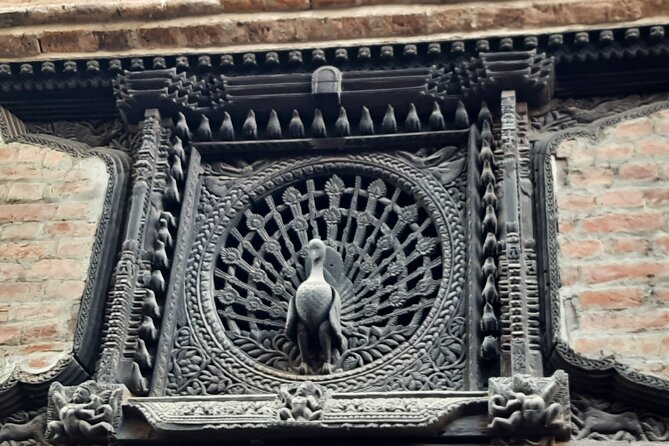
Day 1 is a classic Kathmandu Valley “sacred loop,” moving through three of the most recognizable spiritual sites: Pashupatinath Temple, Boudhanath Stupa, and Swayambhunath. Each stop is allotted about 2 hours, which is enough time to slow down without feeling like you’re rushing every corner.
Pashupatinath Temple and the Bagmati river atmosphere
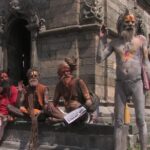
Pashupatinath is a major Hindu temple dedicated to Shiva, and it’s famous in part for the open cremation ceremonies along the Bagmati river. The tour keeps you there for about 2 hours, so you’re not stuck outside taking quick pictures.
A practical consideration: this is an active religious site. You’ll want to dress respectfully and be ready to behave like you’re in a place that matters to people’s daily and spiritual lives, not a theme park.
Boudhanath Stupa and Tibetan Buddhist influence
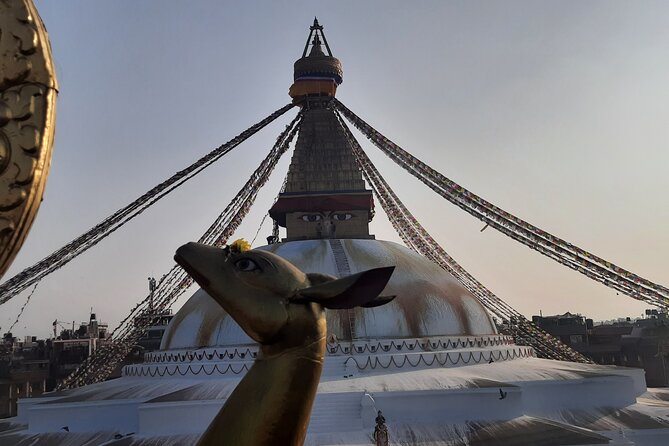
Next comes Boudhanath Stupa, where monasteries ring the main structure and the influence is strongly Tibetan Buddhist. You’ll get around 2 hours here as well, which matters because Boudhanath is the kind of place where you notice details only if you give yourself time—stupas, prayerful movement, and the surrounding monastic setting.
If you like Buddhist art and atmosphere, this stop is one of the emotional anchors of the day. It’s also a nice change of pace after the more intense river-temple context of Pashupatinath.
Swayambhunath, also called the Monkey Temple
Swayambhunath is known as the Monkey Temple, and the main stupa sits on top of a hill. You’ll climb a long set of stairs to reach it, and you should expect it to be a real climb, not a gentle stroll.
Even if you’re not chasing every view angle, the value here is perspective: you’re literally climbing to get a fuller sense of Kathmandu’s sacred skyline. It’s also one of those stops where the guide can help connect symbols to what you’re seeing.
You can also read our reviews of more tours and experiences in Kathmandu

Patan Durbar Square: Where Newar Craft Shows Up in Every Corner
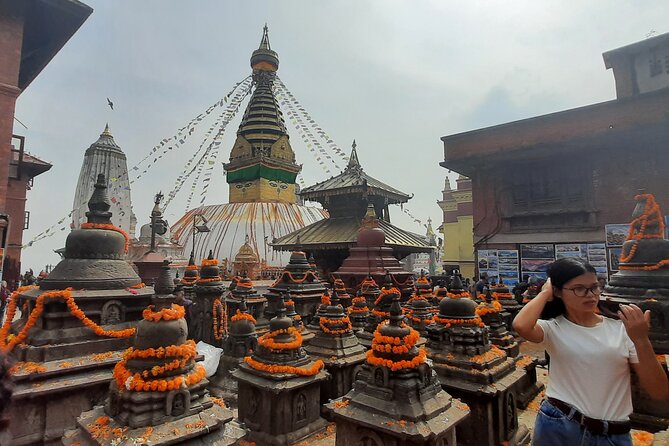
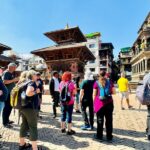
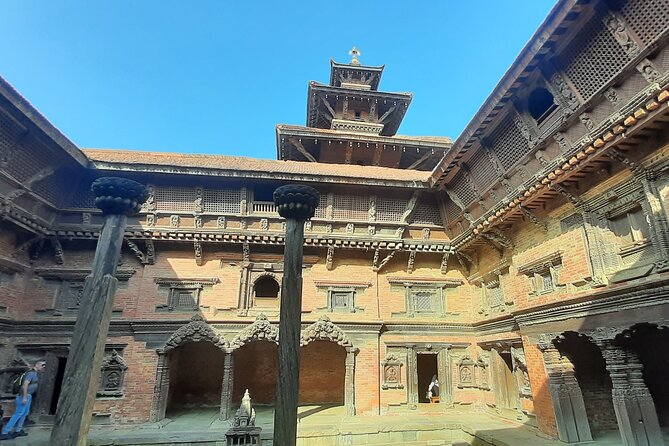
After the big Kathmandu landmarks, you’ll shift to Lalitpur (Patan) for Patan Durbar Square, plus the Golden Temple. This is where the tour leans into Newar craftsmanship, the kind that shows up in wood and stone carvings across temple walls and window frames.
Patan Durbar Square is described as a crest of Newar architecture during the reign of the Malla kings. That’s a useful framing because it helps you look for the human side of the craft: not just buildings, but centuries of artisans refining shapes and details.
Golden Temple (Hiranya Varna Mahavihar)
The Golden Temple is part of the Patan complex. Its real name is Hiranya Varna Mahavihar, but the front part is plated by golden color, which is how it earned its common name.
The stop here is about 30 minutes, so you’ll want to treat it like a focused art-and-symbol moment. If you’re the kind of traveler who likes to zoom in—edges, carvings, how the temple sits within the square—this is a great use of time.
Boudha Stupa Thanka Center: Learn before you judge the art
Day 1 also includes a visit to a thanka panting art school at a Boudha Stupa Thanka Center, for about 20 minutes. You’re not just watching art being made from far away; you’ll see thanka work on cotton cloth using natural colors, with designs like mandala, Wheel of life, Buddha life story, and single-point meditation painting.
This is one of the best “value-added” stops on the trip because it changes how you interpret what you’ll see later. If you’ve ever looked at religious art and wondered how people read it, this short lesson gives you language—even if you don’t leave with a masterpiece.
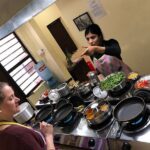
There’s also a singing and healing bowl center included in the tour package. Even if you’re not sure what to expect, it adds a different kind of cultural experience—less visual, more sound and ritual.
Day 2: Nagarkot Sunrise at 4am and the Himalaya View Play
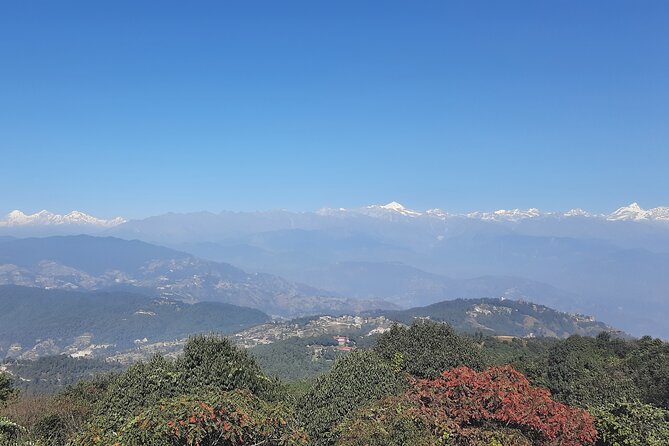
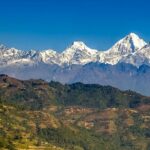
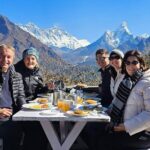
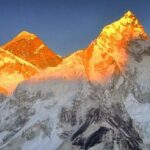
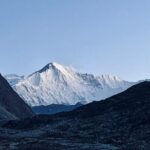
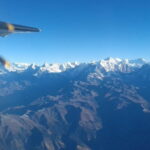
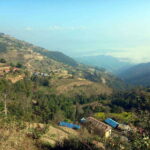
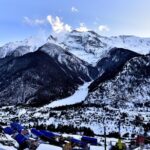
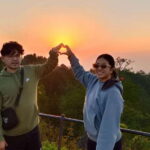
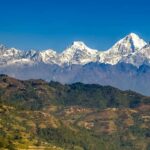
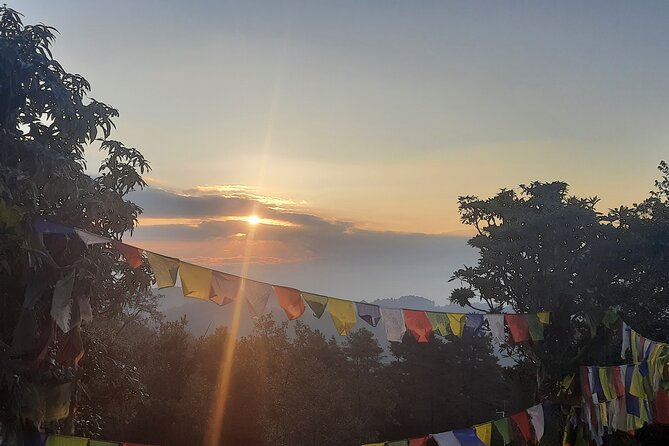
Day 2 starts early—about 4am—with a drive of roughly 1 hour 30 minutes to Nagarkot (about 35 km). The goal is sunrise and Himalayas views, including Mt. Everest and other mountains, plus views of Kathmandu Valley and Bhaktapur city.
This is the tour’s payoff moment. If you’ve been thinking, Kathmandu is beautiful, but I want to see the mountains too, Nagarkot is how this trip makes that happen without turning it into a full extra day trip. It’s early, but it’s efficient.
What you should do the night before
I’d treat Nagarkot morning like a real expedition. Charge your phone or camera, keep warm layers ready, and don’t plan a late night. The tour is structured around the early departure, so showing up ready helps you enjoy it instead of battling the basics.
Also, because sunrise is tied to time, it’s the kind of morning where your guide’s timing matters. Past feedback points out that the team is on time and communicates well, and that’s exactly what you want at 4am.
Bhaktapur Durbar Square: The “Living Museum” Feeling
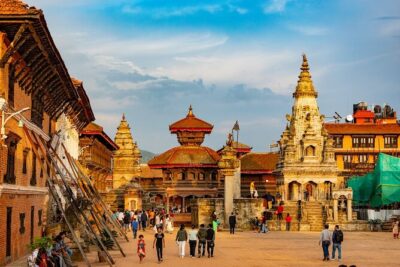
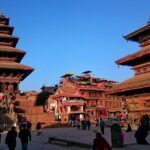
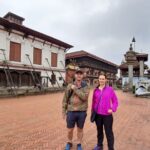
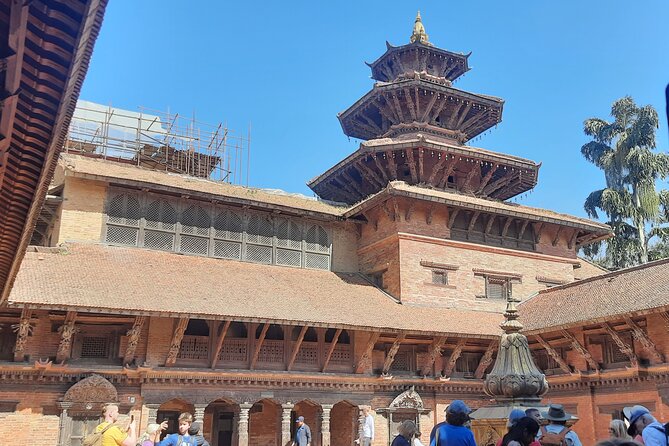
After breakfast, you head to Bhaktapur, described as a city of devotees and sometimes called a city of live museum. The stop is about 2 hours in Bhaktapur Durbar Square, and you’ll see four major squares as part of the visit.
This is a smart pairing with Nagarkot. You go from open sky and mountain horizons to dense urban temple life. Bhaktapur rewards slower looking: carved surfaces, palace layouts, and temple spacing that feels designed for daily ritual and community life.
Nyatapola Temple and Nepali pagoda style
Nyatapola Temple is the tallest temple in Bhaktapur and is dedicated to Goddess Siddhi Laxmi. It’s also a great example of Nepali pagoda-style temple architecture, and the tour includes a brief visit (about 20 minutes).
Near it is Bhairab Temple, and while your time here is short, this cluster helps you understand Bhaktapur’s religious geography as a connected system, not isolated buildings.
Dattatreya Temple and the mix of divine identities
The Dattatreya Temple is another quick stop (about 20 minutes). Dattatreya is described as a mixed incarnation of Brahma, Vishnu, and Shiva, which makes this site especially interesting if you like when religion shows its “connections,” not just its separations.
Pottery Square: buy something made by hand
You’ll also visit Pottery Square for about 20 minutes. The focus here is on handmade pottery and the chance to pick up small souvenirs from Bhaktapur.
If you’re careful with value, this is a decent place to shop because it’s directly tied to craft work rather than random tourist goods. Even if you buy nothing, it’s still a useful stop because it brings the trip down to everyday skills.
Price and Logistics: What You’re Paying For (and What You’ll Pay Extra)
The tour is listed at $100 per person for about two days. For that price, you get hotel pickup and drop by tourist car, a professional guide, a traditional thanka art school visit, the singing and healing bowl center, and a bottle of water per person.
That’s a solid bundle for two reasons. First, pickup and drop reduce decision fatigue in a traffic-heavy city. Second, having a guide matters most in UNESCO settings where symbolism and building features can be easy to miss if you’re going purely by wandering.
The big add-on: UNESCO entrance fees
Entrance fees are not included in the base price. You should budget NPR 4600 (about USD 35) for entrance to five UNESCO World Heritage Sites. Based on the places included, those UNESCO entries are Pashupatinath, Boudhanath, Swayambhunath, Patan Durbar Square, and Bhaktapur Durbar Square.
Meals are also not included. So think of the $100 as your transport + guide + cultural stops cost, then add the UNESCO entrance and your food.
Gratuities are expected
Tipping is listed as an expected part of Nepal travel. I recommend you keep a small amount set aside so you don’t scramble at the end.
Your Guide Matters: Why Prakash’s Style Shows Up in Feedback
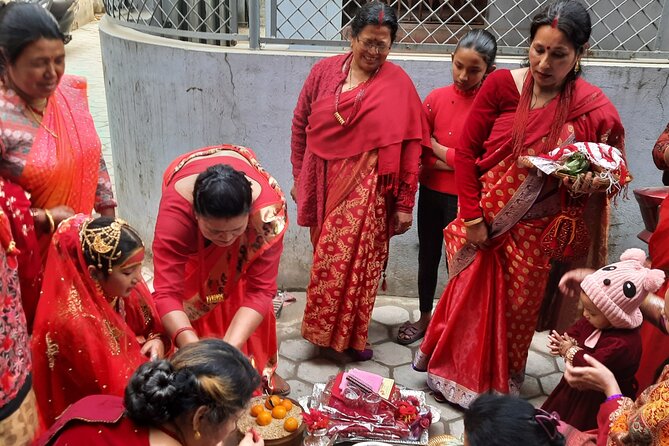
One repeated theme is that the guide makes the tour smoother and more enjoyable. Prakash is specifically mentioned by name in past feedback, with compliments about his knowledge and how he kept things funny and engaging.
That doesn’t just mean entertainment. A good guide changes how you experience dense sites like Durbar Squares and temple complexes. He can help you understand why certain carvings appear, what you’re looking at in the square, and which details are worth pausing for.
You’ll also feel the practical side: the tour is described as on time with good communication. On a two-day schedule that includes a 4am Nagarkot departure, punctuality isn’t a nice-to-have. It’s what keeps the day from getting mangled.
Who This Tour Fits Best (and Who Should Think Twice)
This tour is a great match if you want an organized, UNESCO-focused Kathmandu Valley visit without planning every route yourself. It also fits well if you enjoy temple architecture and religious art, and you’re curious about Newar craftsmanship and thanka painting.
I’d think twice if you dislike early mornings. Nagarkot starts around 4am, and Swayambhunath involves a long stair climb. Also, if you’re traveling with very tight budgets, remember that meals and UNESCO entrance fees are extra.
Should You Book This UNESCO and Nagarkot Tour?
Yes, if you want the essentials of Kathmandu Valley UNESCO sites plus a real mountain-view day, in just two days, with pickup, a guide, and cultural add-ons like thanka painting. The value improves because you’re not buying transportation separately, and you’re not trying to navigate sacred complexes alone.
Hold off or double-check the details if you’re sensitive to crowded religious environments or if the idea of a long stair climb at Swayambhunath sounds like a chore. Also, budget for the UNESCO entrance fees and meals before you decide, so there are no surprise math moments.
If you’re traveling as a group and want a private setup, the private-group format is another reason this is worth considering.
FAQ
How long is the Kathmandu UNESCO and Nagarkot tour?
The tour lasts about 2 days.
What sites are included during the Kathmandu Valley part?
You’ll visit Pashupatinath Temple, Boudhanath Stupa, Swayambhunath, Patan Durbar Square (including the Golden Temple), and Bhaktapur Durbar Square.
Are UNESCO entrance fees included in the $100 price?
No. Entrance fees for five UNESCO World Heritage Sites are listed as NPR 4600 (about USD 35) per person.
What’s included in the tour package?
Included are hotel pickup and drop by tourist car, a professional guide, a traditional thanka art school visit, a singing and healing bowl center, and a bottle of water per person.
Is this tour private or shared?
It’s private. Only your group participates.
Is free cancellation available?
Yes. You can cancel up to 24 hours in advance for a full refund.