REVIEW · POKHARA
Pokhara: Private Half-Day Tour and Tibetan Culture Tour
Book on GetYourGuide →Operated by Snow Peak Tours and Travels pvt. ltd. · Bookable on GetYourGuide
A half-day in Pokhara can pack a lot in. This private tour pairs the International Mountain Museum with the big sights around Devi’s Falls and Gupteshwor Cave, then adds a Tibetan culture stop at the Refugee Camp area. I especially like the convenience of hotel pickup/drop-off in Pokhara and the chance to see both nature and culture in one tight loop. One thing to watch: the exact timing can run shorter than expected, and entrance fees are not included.
What really makes or breaks this experience is your guide. When you get a strong local guide like Prakash Ghimire or Rajkumar Lamichhane (names I’ve seen attached to this tour), you’ll get better explanations and photo help, not just transportation. When timing feels rushed and the guide mostly handles tickets, you may feel like you paid for a driver rather than a cultural tour.
In This Review
- Key Points Before You Go
- How This Private Half-Day Tour Fits Real Life in Pokhara
- International Mountain Museum: Start With Context (Not Just Photos)
- Devi’s Falls: A Waterfall With an Underground Twist
- The 10-Minute On-Foot Stretch to Gupteshwor Cave
- Gupteshwor Mahadev Cave: Where Rock Formations Meet a Shrine
- Tibetan Refugee Camp Pokhara: Culture, Monastery Time, and Handicrafts
- Transportation, Language, and What Private Actually Means Here
- Price and Value: $24 vs the Real Total for Entrance Fees
- Who This Tour Is Best For (And Who Should Skip It)
- Should You Book This Pokhara Private Half-Day Tour?
- FAQ
- How long is the private tour?
- Where does pickup happen?
- What attractions are included in the tour?
- Are entrance fees included in the price?
- What’s included with the tour price?
- What languages will the guide speak?
- What should I bring for the tour?
- Is this activity a private group or shared?
- Are meals included?
Key Points Before You Go
- International Mountain Museum first: a focused hour sets context for the Himalaya you’ll see (or hear stories about).
- Devi’s Falls + Gupteshwor Cave are close: you walk between them, which makes the schedule feel efficient.
- Sacred cave stop: Gupteshwor Mahadev Cave includes a shrine area tied to Lord Shiva and striking rock formations.
- Tibetan culture stop with practical shopping time: the Refugee Camp visit includes free time for a monastery visit and a handicraft area.
- Private, AC transportation matters in Pokhara: it’s part of what makes this a comfortable half-day even if you’re not a scooter person.
How This Private Half-Day Tour Fits Real Life in Pokhara
Pokhara is one of those cities where you can fill a day with viewpoints and waterfalls. This tour is different because it doesn’t just follow a photo route. It mixes mountain context (museum), water spectacle (Devi’s Falls), spiritual geography (Gupteshwor Cave), and Tibetan community culture (Refugee Camp area) into about three hours of movement.
That blend is the best reason to book it. You get nature, plus an explanation for why the Himalaya matter here, and then you shift from Nepalese landscape into Tibetan traditions and crafts. If you only have a morning or afternoon and you want variety without hiring separate taxis to cram the sites, this structure is the time-saver.
The biggest “real life” variable is time. The tour is listed as 3 hours, but some experiences have reportedly been shorter. If you’re counting on extra time for a bonus stop, plan to ask your driver/guide early, and don’t assume an extra detour will be free.
You can also read our reviews of more private tours in Pokhara
International Mountain Museum: Start With Context (Not Just Photos)
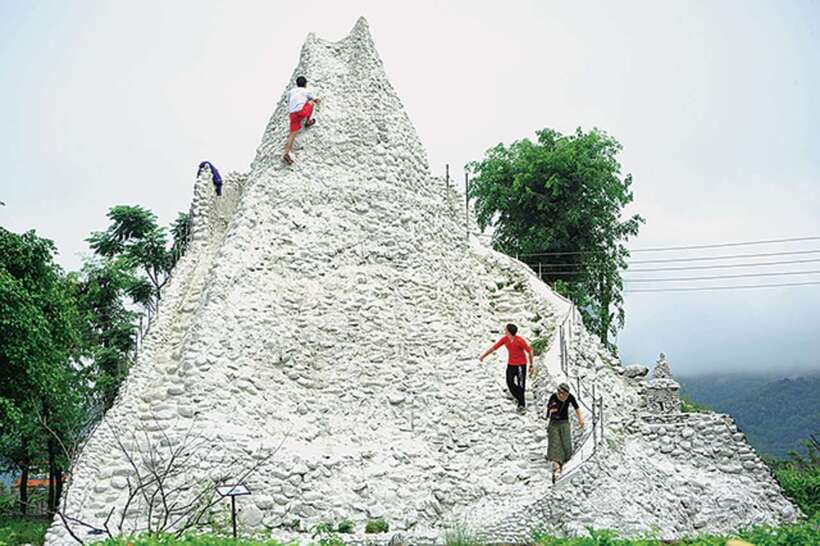
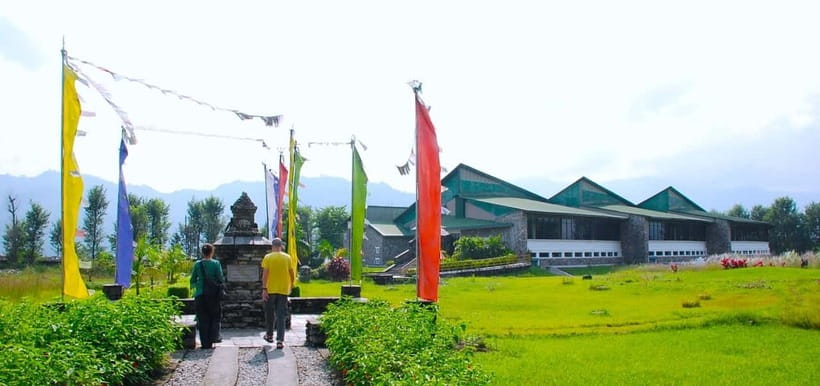
The tour begins with a guided visit to the International Mountain Museum, with about one hour allotted for sightseeing and a guided walkthrough. This is a smart opener. Before you head to water and caves, you’re getting grounded in the idea of the Himalaya as a lived presence: climbing history, regional cultures, and mountain-focused exhibits.
Why I like this start for first-time Pokhara visitors: it changes how you look at everything after. When you later see the waterfall area and hear stories about the region, you’re not just snapping pictures—you’re understanding how mountain identity shapes local life.
Also, if your group includes people who don’t love caves or they’re on the fence, the museum is often the “easy yes.” It’s indoors or sheltered enough for a break from heat, and it gives everyone something to discuss while you’re traveling.
Practical note: admission fees are not included, so you’ll want to confirm the cost with your guide on pickup day and keep some cash/your card ready.
Devi’s Falls: A Waterfall With an Underground Twist
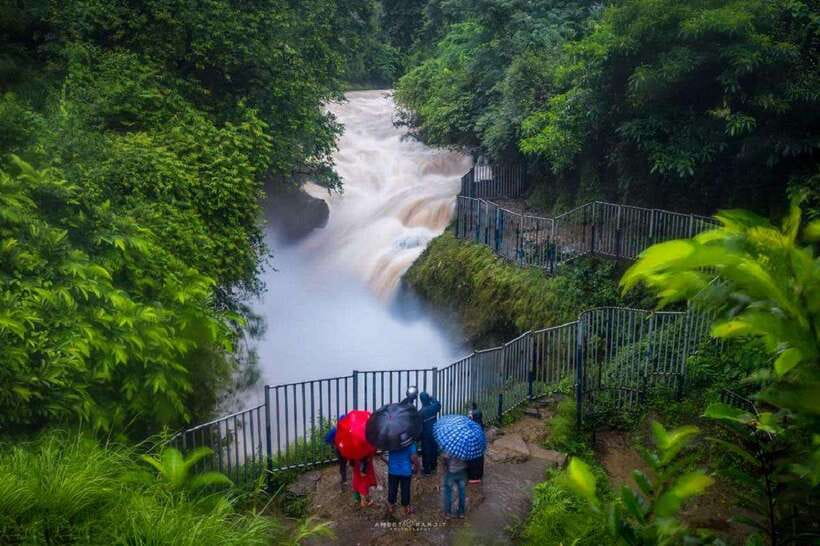
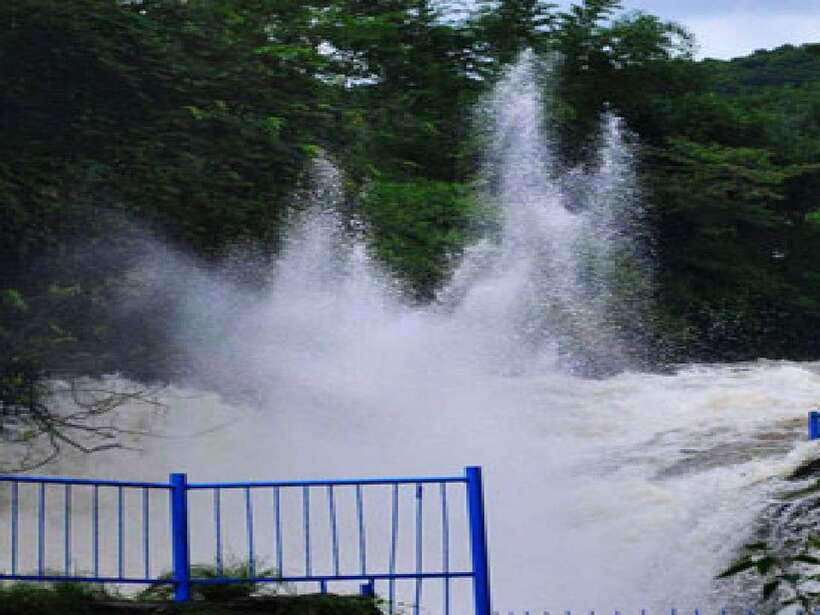
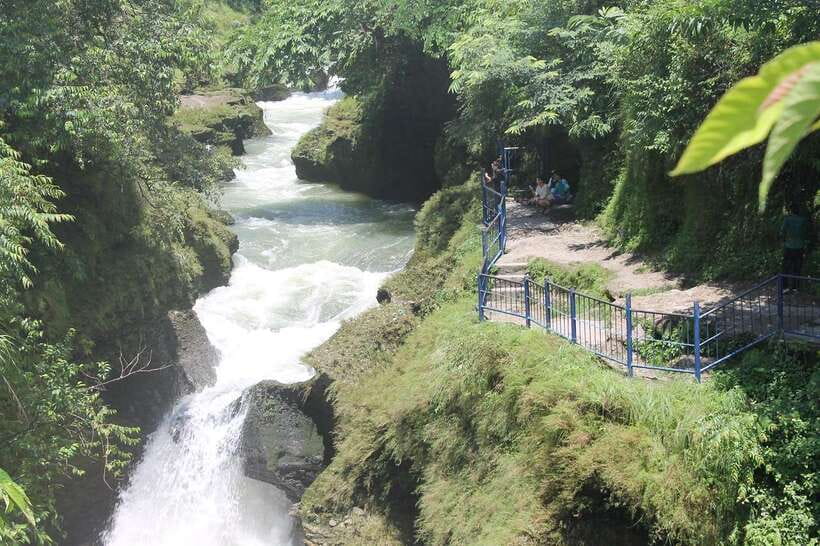
Next up is Devi’s Falls, with roughly 30 minutes for photo stops and guided sightseeing. This waterfall is famous not just for height, but for its unusual flow. Instead of staying purely visible, the water famously disappears into an underground route.
That underground element is exactly why Devi’s Falls feels different from the usual “waterfall viewpoint.” You’ll often stand where you can see the curtain of water above and then watch it vanish below. It’s a reminder that Pokhara’s water isn’t just pretty—it’s also a system, carved and guided through rock.
Timing matters here. 30 minutes can feel short if you want slower walking, extra photos, or you’re traveling with kids. But it’s usually enough if your priority is getting the classic angles and hearing the basic story from your guide.
One more thing: the tour uses scenic drives between stops. The ride itself can be part of the experience if your guide points out local landmarks, but if your guide is mostly quiet, you might wish you’d asked a few questions in the car.
The 10-Minute On-Foot Stretch to Gupteshwor Cave
Between Devi’s Falls and Gupteshwor Mahadev Cave, there’s a short on-foot walk (about 10 minutes). I like this part because it breaks up the itinerary. You’re not just trapped in a vehicle moving stop to stop; you get a quick stretch of fresh air and a chance to reposition for photos.
This is also where good guidance helps. A guide who’s paying attention to your pace will keep the flow comfortable—especially if you’re navigating uneven ground or you simply want to linger for a view.
Gupteshwor Mahadev Cave: Where Rock Formations Meet a Shrine
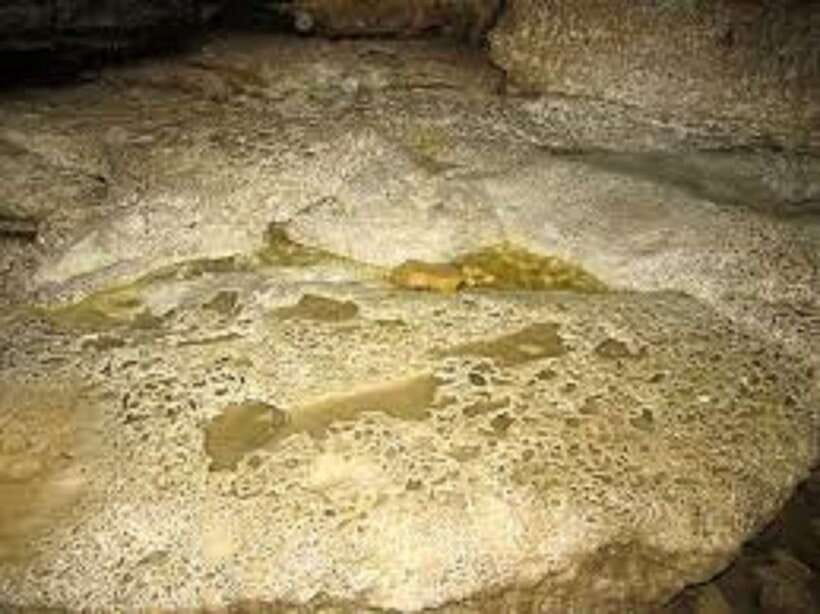
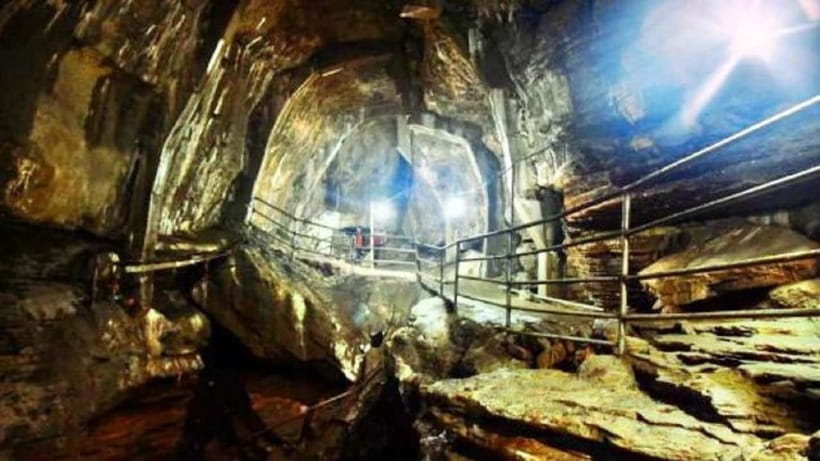
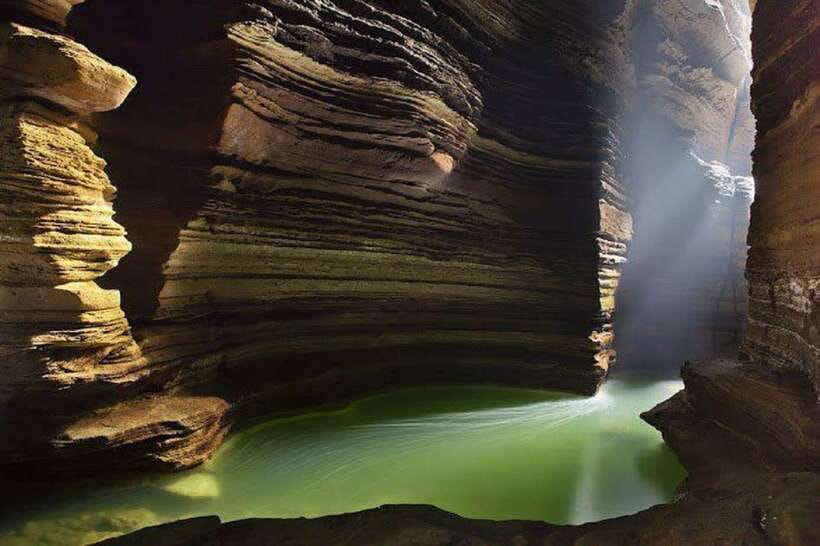
Then comes Gupteshwor Mahadev Cave, with about one hour that includes photo stop, guided visit, and scenic time. This is the spiritual highlight for many people on this route.
You’re looking at:
- impressive rock formations in and around the cave area
- a shrine dedicated to Lord Shiva, which changes the feel from purely sightseeing to respectful cultural space
Even if you’re not a “temple person,” the shrine presence often makes the cave visit more meaningful. It’s not only about the geology—there’s living devotion here, visible in how people move, pause, and pray.
If you’re traveling with someone who dislikes caves, here’s a realistic workaround: you can still enjoy the approach views and the cave area without spending extra time deep inside. But if you can handle it, the full hour gives you room to see the main points without rushing.
You can also read our reviews of more tours and experiences in Pokhara
Tibetan Refugee Camp Pokhara: Culture, Monastery Time, and Handicrafts
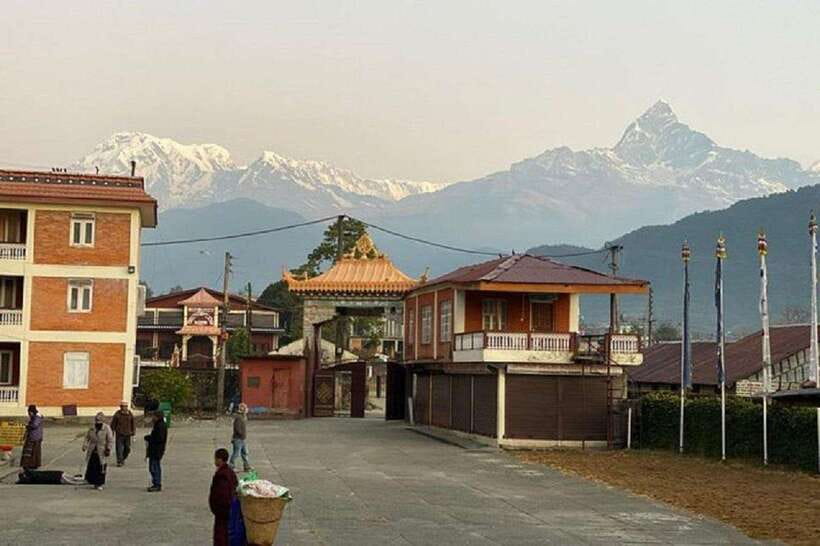
The last major stop is the Tibetan Refugee Camp Pokhara, about 45 minutes, including photo stop, guided sightseeing, free time, shopping, and a walk. This is where the tour pivots from natural sites into cultural context.
What you should expect:
- time for a Tibetan monastery visit
- a handicraft center area where you can browse and purchase Tibetan artifacts and souvenirs
This is one of the reasons the tour feels balanced. You’re not just getting a quick look at one community. You get enough time to see how traditions are presented, and the handicraft area gives you a tangible way to bring a piece home.
Budget tip: since entrance fees aren’t included, and shopping costs can add up fast, decide in advance what you want. If you’re buying small gifts like scarves, prayer-flag style items, or other crafts, set a rough ceiling so you don’t overspend during the “free time” window.
Transportation, Language, and What Private Actually Means Here
This is a private group with AC transportation and bottled water. The practical value is real: Pokhara roads can be busy, and having the comfort factor in place makes a half-day trip feel smoother.
Language coverage is listed as English and Hindi for the live guide. In practice, what you get depends heavily on the specific guide. I’ve seen names like Prakash Ghimire, Rajkumar Lamichhane, and kiran associated with strong guide experiences—especially for explanation, flexibility with pacing, and helping with photos.
Your best move: use the first stop (the museum) to ask questions in plain language. If the guide is truly local and engaged, you’ll get better answers right away. If communication is limited, at least you’ll know early and can adjust your expectations.
Price and Value: $24 vs the Real Total for Entrance Fees
The published price is $24 per person for a half-day private tour. On paper, that’s attractive because you’re paying for:
- private AC transportation
- hotel pickup and drop-off within Pokhara city limits
- a guide and bottled water
But here’s the key part: admission fees are not included for the sites in the itinerary. That means your final total will depend on what the entry fees are that day and what you choose to pay for.
One traveler reported spending about €50 extra to visit four close sites. Your numbers could be different, but the lesson is the same: treat the $24 as the tour fee, not the all-in price.
Also, check the time reality. If your tour runs significantly shorter than expected, the value equation shifts toward transportation-only. Since this is private, you’re paying for the whole experience—so it’s worth confirming timing expectations right after pickup and setting a plan for any bonus stops you might want.
Who This Tour Is Best For (And Who Should Skip It)
This tour is a good match if you:
- have only a morning or afternoon in Pokhara
- want a tight route that mixes museum + waterfall + cave + Tibetan culture
- prefer private comfort over juggling multiple taxis
It may be less satisfying if you:
- want a long, slow-paced tour with deep explanations at each stop
- expect entrance fees to be covered
- need extra time for optional stops without additional charges
If you’re a “show me, don’t tell me” type, the downside is that cave and museum time can feel more worthwhile when a guide actually explains things. If you love stories and context, a strong guide makes the day feel much fuller.
Should You Book This Pokhara Private Half-Day Tour?
I’d book it if you want a structured half-day that covers major Pokhara highlights in a logical order, and you’re okay with paying entry fees on top of the base price. The best versions of this tour come from the guide factor—names like Prakash Ghimire and Rajkumar Lamichhane are associated with memorable guidance and good pacing.
I’d hesitate if you’re extremely time-sensitive or you hate add-on charges. In that case, message ahead and ask what time you’ll actually be back, plus confirm how entrance fees are handled for each stop.
If you can manage those two details, you’ll likely enjoy this mix of water, caves, mountain context, and Tibetan culture without burning an entire day getting around.
FAQ
How long is the private tour?
The tour duration is listed as 3 hours. Some departures have reportedly been shorter than the listed duration, so it’s smart to confirm timing when you meet your guide.
Where does pickup happen?
Pickup is available from either Pokhara Lakeside or Pokhara (within Pokhara city limits).
What attractions are included in the tour?
The itinerary includes the International Mountain Museum, Devi’s Falls, Gupteshwor Mahadev Cave, and a Tibetan Refugee Camp Pokhara cultural visit.
Are entrance fees included in the price?
No. Admission fees for the sites are not included, so you’ll need to pay those separately.
What’s included with the tour price?
Included features are private AC transportation throughout the tour, an expert local guide, bottled water, and hotel pickup and drop-off within Pokhara city limits.
What languages will the guide speak?
The live guide provides commentary in English and Hindi.
What should I bring for the tour?
You should bring a passport or ID card.
Is this activity a private group or shared?
It’s a private group.
Are meals included?
No meals or snacks are included during the tour. Personal expenses like snacks and souvenirs are also not included.