REVIEW · KATHMANDU
Everest Base Camp Trek from Kathmandu 12 Days
Book on Viator →Operated by My Dream Adventure (MDA) · Bookable on Viator
Everest Base Camp starts with a short flight. This 12-day trek from Kathmandu mixes jaw-dropping views of Everest and friends with Sherpa villages, Buddhist monasteries, and a guide who keeps you moving at the right pace. You’ll sleep in guesthouses, follow an organized schedule, and end up at the most famous base camp in the Himalaya region.
Two things I really like: the focus on culture as much as altitude, and the support that shows up early and often. Guides such as Milan and Bikram are highlighted for deep trail knowledge, professionalism, and kindness—exactly what you want when your breathing starts writing your itinerary for you.
One consideration: this is a demanding trek, and the route asks you for real fitness. The operator specifically notes you should have a strong physical level, so if you’re unsure, plan extra training time before you go.
In This Review
- Key highlights worth packing your excitement for
- Everest Base Camp from Kathmandu: the value of flying to Lukla
- What $1,350 covers on this 12-day trek (and what it does not)
- Days 1–3: Lukla, Phakding, and Namche Bazaar for early acclimatization
- Days 4–6: Tengboche and Dingboche monasteries, plus a real rest day
- Days 7–8: Lobuche to Gorakshep and the moment you reach Base Camp
- Day 9 Kala Patthar sunrise view and the return to Pheriche
- Days 10–12: Namche to Lukla flights and your last night in Thamel
- Guides, guesthouses, and the small logistics that prevent headaches
- Is this trek a fit for you: fitness, pace, and safety basics
- Should you book this Everest Base Camp trek?
- FAQ
- What’s included in the trek price?
- What flights are part of the itinerary?
- Do I need a passport photo to get permits?
- What kind of accommodation will you use?
- How physically demanding is this trek?
- When can I cancel for a full refund?
Key highlights worth packing your excitement for
- Kathmandu to Lukla flights save days of travel and get you into trekking mode fast
- Sherpa-led guidance (often Sherpa guides) with an emphasis on safety and acclimatization plans
- Guesthouse stays across the classic Khumbu villages: Phakding, Namche Bazaar, Tengboche, Dingboche, and more
- Everest Base Camp + Kala Patthar for the two signature viewpoints of the trek
- Trekking permits and TIMS card handled as part of the included package
- On-trail organization praised by past trekkers, including smooth tea house logistics and timely flights
Everest Base Camp from Kathmandu: the value of flying to Lukla
Let’s talk logistics, because the Everest region is not the place for improvising. This trek begins with a transfer to the domestic terminal in Kathmandu, then a scheduled morning flight to Lukla. From there, you build the trek day by day, instead of trying to cram a long approach into your legs.
Why that matters for you: it’s a huge energy saver. It also keeps the trip tight and predictable—helpful if you only have limited vacation time. And since the package includes round-trip flight tickets Kathmandu to Lukla and back, you’re not stuck arranging transport while you’re already tired from altitude.
You’ll also be working with an English-speaking trekking guide and a first aid kit carried with the guide. That’s not glamorous, but it’s practical. When conditions are changing at higher elevations, small “quiet” support items make a difference.
You can also read our reviews of more hiking tours in Kathmandu
What $1,350 covers on this 12-day trek (and what it does not)
At $1,350 per person, this trek is priced for a full set of essentials: you get the structure, permissions, and most day-to-day logistics handled. The included list is the real story here.
Included:
- Hotel pickup and drop-off
- Round-trip flights Kathmandu ⇄ Lukla
- Trekking permit and TIMS card
- English-speaking trekking guide
- Guesthouse accommodation
- First aid kit with the guide
- Private trip for your group
Not included:
- Personal expenses
Here’s how I think about the value. You’re paying for fewer headaches: permits, guide support, accommodation, and transport are already stitched together. That’s a big deal on Everest Base Camp treks, where delays and re-planning are common enough that having a plan you can trust matters.
Days 1–3: Lukla, Phakding, and Namche Bazaar for early acclimatization
Day 1 is all about transition. You fly from Kathmandu to Lukla, then trek onward to Phakding for a shorter walking day. The idea is simple: don’t start the trek sprinting. You’ll walk a few hours and get used to the rhythm before you stack elevation.
Day 1 also sets expectations for how the trek runs. It’s paced and organized: you’ll move as a group, meet your trekking guide at the start of walking, and sleep in the guesthouse system that serves most trekkers in the Khumbu.
Day 2 pushes you to Namche Bazaar (about a 6-hour walk). You’ll follow the Dudh Koshi River corridor and pass through pine forest and suspension bridges. Namche is where the trek starts to feel like a place, not just a trail.
This is one of my favorite “early” parts of the EBC experience because it’s where culture and altitude begin working together. You’re not just climbing—you’re also meeting the Sherpa world that makes this region distinct.
Day 3 is a rest-and-adjustment day, with options. The plan you’re given is to stay active without turning the day into a full second race. You can take a day hike toward Thame or Khunde, explore Namche Bazaar, or use the time to recover.
The reason this works for you: acclimatization days are not wasted time. They’re there so you can keep trekking later without feeling destroyed. Even the schedule hints at it—stay active, but don’t be idle.
Days 4–6: Tengboche and Dingboche monasteries, plus a real rest day
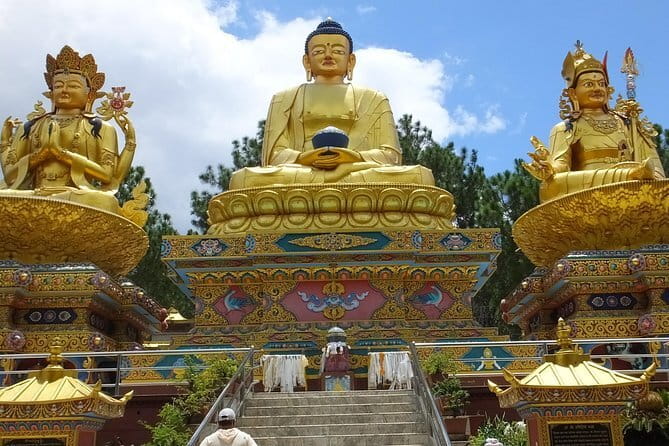
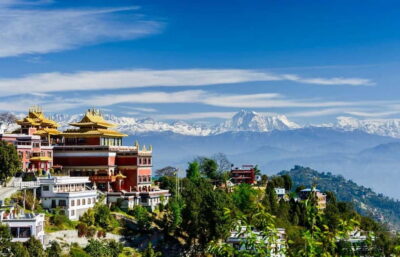
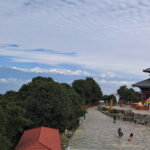
Day 4 takes you to Tengboche (around 6 hours). The trek description calls it dusty and winding, but the payoff is the monastery setting and the panoramic views. This is the part where photos make sense. The monastery viewpoint is the kind of stop where the building itself matters, not just what’s behind it.
Tengboche also gives you a stronger sense of the spiritual side of the Khumbu region. Buddhist monasteries are not a museum stop; they’re part of daily life up here. If you like the human side of trekking—people, rituals, and places that feel lived-in—this day tends to hit well.
Day 5 continues to Dingboche (around 7 hours). The route includes a visit to the region’s oldest Buddhist monastery, plus walking through alpine woods via Upper Pangboche and past settlements such as Shomare. This isn’t a straight-line climb. It’s a string of small changes—valley feel, vegetation shift, and settlement rhythm.
Day 6 is another day to slow down and rest (about 5 hours depending on your plan). You’ll have time to explore Dingboche and nearby villages. The trek notes that you’ll be rewarded with spectacular views, but the point of the day is recovery so you can handle the final push later.
Here’s the practical truth: when you get tired, your legs do most of the talking. That’s why rest days aren’t optional. They keep you moving later on stronger days like Lobuche and Gorakshep.
Days 7–8: Lobuche to Gorakshep and the moment you reach Base Camp
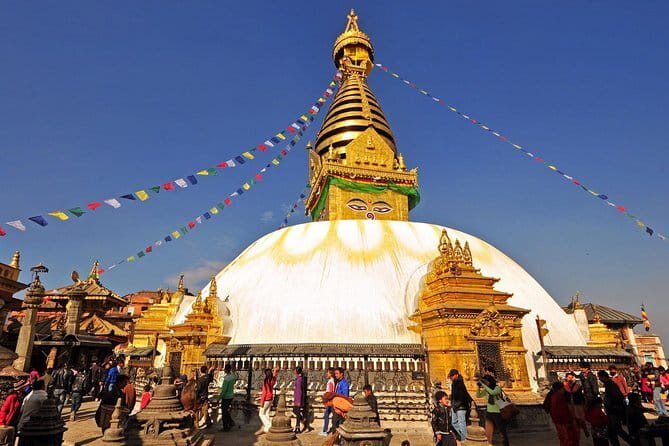
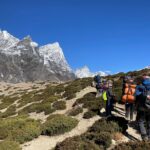
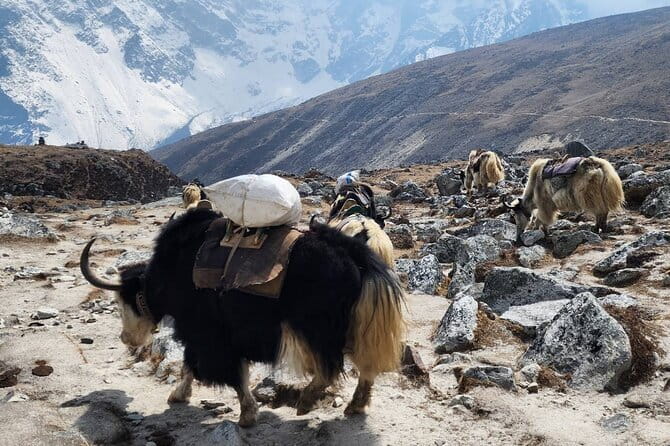
Day 7 goes to Lobuche (about 7 hours). The walking starts through the Khumbu Khola valley to Duglha, then the valley narrows as you get closer to Dusa. This is described as difficult, with massive boulders and mountain yaks passing by.
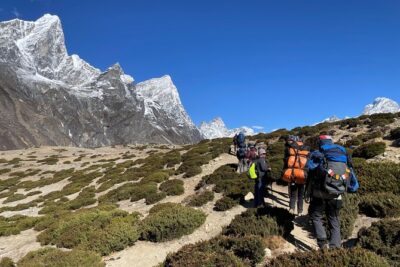
This is where the Everest trek becomes very physical. If you’ve trained, you’ll feel ready. If you haven’t, you’ll feel every uneven step right away. Either way, this is also one of the most memorable “effort days,” because the terrain and high-country feel become unmistakable.
Day 8 is a big one: you’ll go from Lobuche toward Gorakshep (about 3 hours), then continue to Everest Base Camp (about 2 hours), and finally return to Gorakshep for the overnight (about 2 hours).
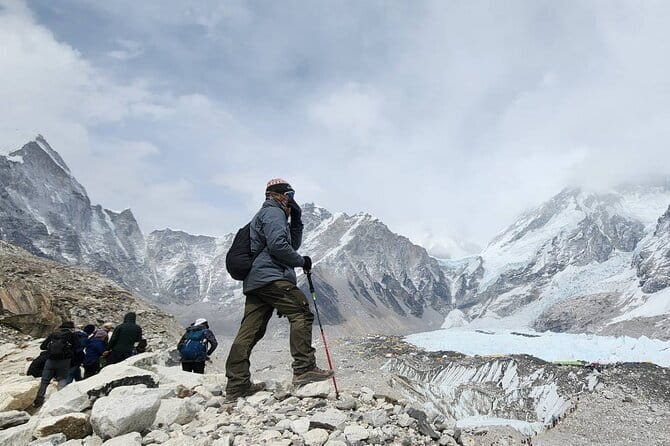
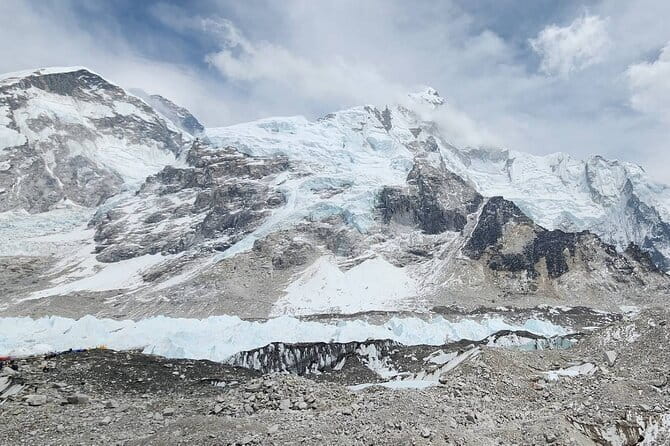
Gorakshep is where your surroundings shift. The trek route passes along the side of the Khumbu Glacier, and you’ll see a pyramid signpost along the way. That kind of landmark makes the day feel real. It’s not just hiking—you’re arriving in a place that’s been part of expedition history for decades.
Then comes Everest Base Camp. After reaching the site, you’ll spend time at Base Camp and enjoy the views of Mount Everest and the surrounding giants. You then head back to Gorakshep overnight, with the itinerary emphasizing the Sherpa atmosphere there.
If you care about the “in-between moments,” this day delivers. The approach to Base Camp has the feel of progress—each hour makes the destination less abstract.
Day 9 Kala Patthar sunrise view and the return to Pheriche
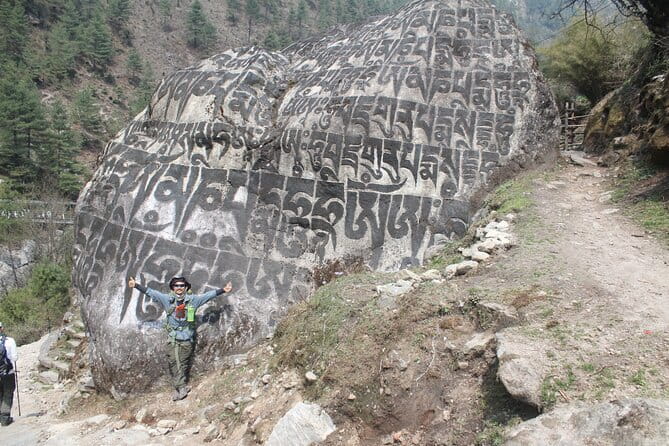
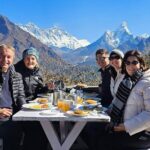
Day 9 starts early for Kala Patthar, which the itinerary calls one of the finest viewpoints on the Everest Base Camp trek. From here, you can catch dramatic views. The plan is about 3 hours for this morning push.
If you’ve been waiting for that “now I get it” vista, this is where it often happens. Kala Patthar is a viewpoint, not a campsite. It’s built for watching the mountains, not just passing through them.
After the viewpoint time, you descend back toward Gorakshep and then gradually down to Pheriche (about 4 hours). This is a key moment for you physiologically. The schedule pushes you down after the highest-tension day.
This is also where you’ll likely notice your mood shift. Going lower helps your breathing settle. You also get a break from the constant effort of higher-elevation walking.
Days 10–12: Namche to Lukla flights and your last night in Thamel
Day 10 is a return route day, following the trail back through the Khumbu Khola valley and passing Sherpa villages like Pheriche and Ors… (the name is cut off in the plan, so I’ll keep it general). The walk time is around 6 hours back toward Namche Bazaar.
You’ll notice something on the way down: the same trail can feel totally different because your body is recovering instead of working uphill. Still, it’s not casual. Your legs have to stay careful on uneven sections.
Day 11 brings the steep descent toward Lukla (about 3 hours). The itinerary warns that you’ll need to walk slowly and under control because your legs may feel shaky on rocky terrain. Then the trail becomes more level and natural as you approach Lukla.
That’s an important detail. Descent is where trekking can go wrong for people who get overconfident. Slower is safer, and it helps you enjoy the last part rather than wrestle your balance.
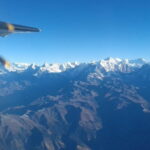
Day 12 finishes with flying back to Kathmandu. You catch your morning flight from Lukla, and it’s about 35 minutes to Tribhuvan International Airport. The plan includes transfer time toward Thamel, so you end the trek with a base in the Kathmandu area where you can shower, eat normally, and decompress.
Guides, guesthouses, and the small logistics that prevent headaches
This is where the reviews tip the scale. The most praised aspect is organization backed by capable guides.
In past experiences, guides named Milan and Bikram are described as experienced, kind, and professional. Others—like Bishnu—are also praised for being knowledgeable and supportive. And one review highlights Sagar’s organizational skills as impeccable, with smooth handling of details from arrival onward.
What does that mean for you on the trail? It means you’re less likely to waste energy on confusion. The schedule includes tea house stays, acclimatization plans, and safety-focused pacing. That’s a big reason this trek earns strong recommendations.
The “private trip” detail also matters. A private setup means the group is your group, not a free-for-all. That can make communication easier when you’re tired and your brain is running on oxygen math.
Accommodation-wise, you’ll stay in guesthouses. That’s not a luxury hotel situation, so set your expectations accordingly. The value is that guesthouses keep the trek moving and allow you to follow the standard Khumbu rhythm.
Is this trek a fit for you: fitness, pace, and safety basics
The operator flat-out says travelers should have strong physical fitness. That doesn’t mean you need to be an athlete, but you do need stamina for multi-hour days in high terrain.
The itinerary is built around gradual progression:
- shorter start on Day 1
- a climb to Namche with a rest day
- continuing to Tengboche and Dingboche with a second rest day
- then a push toward Lobuche, Gorakshep, Base Camp, and Kala Patthar
So if your training has included consistent hikes and you can handle long walking days, you’ll likely find the schedule manageable. If not, you may find the harder segments like Lobuche and the descent days mentally and physically draining.
Also, altitude matters. The schedule uses rest and day hikes to support acclimatization. Take those seriously. They are part of the plan, not optional extras.
Should you book this Everest Base Camp trek?
I’d book this trek if you want the full Everest Base Camp experience with less day-to-day stress. The combination of Lukla flights, included permits, guesthouses, and a guide that’s been praised for professionalism and kindness is a strong mix for most people.
Skip it if you’re looking for a soft, easy walk or if you’re not ready for the physical demands. This plan expects strong fitness, and the trek includes difficult terrain and steep descent.
If you’re ready to work for it—one step at a time—this is the kind of trip where the views feel earned, and the Sherpa culture stops aren’t just roadside scenery.
FAQ
What’s included in the trek price?
The price includes hotel pickup and drop-off, round-trip flights between Kathmandu and Lukla, trekking permits (including TIMS card), an English-speaking trekking guide, guesthouse accommodation, and a first aid kit with the guide. It also includes a private trip for your group.
What flights are part of the itinerary?
You’ll take a scheduled morning domestic flight from Kathmandu to Lukla on the way in, then a morning flight from Lukla back to Kathmandu on Day 12. The itinerary mentions about a 35-minute flight time from Lukla to Kathmandu.
Do I need a passport photo to get permits?
Yes. The trek requires your passport details and a photo (a selfie also works) to issue the trekking permit.
What kind of accommodation will you use?
You’ll stay in guest houses throughout the trek.
How physically demanding is this trek?
The operator states travelers should have strong physical fitness. The itinerary includes multi-hour walking days, a difficult section toward Lobuche, and a steep descent phase on the way back.
When can I cancel for a full refund?
You can cancel up to 3 days in advance of the experience for a full refund. If you cancel less than 3 days before the start time, the amount paid is not refunded.