REVIEW · POKHARA
Pokhara Sightseeing By Bus: Day Trip
Book on GetYourGuide →Operated by Dream Noble Adventure Pvt. Ltd. · Bookable on GetYourGuide
Pokhara can be a puzzle at first. This bus day trip turns the jumble into a simple loop, packing viewpoints, caves, temples, and waterfall stops into one day without breaking your budget. I like that the pace is friendly: hop on, hop off, snap photos, and let the route do the work while you focus on the scenery.
Two things I really like: you get a group rhythm that’s easier on first-timers, and you’ll see a mix of Pokhara’s most talked-about places in a single 7-hour stretch. You also get real people on the bus—shared seats mean you’ll hear bits of how locals and other visitors move through the valley.
One consideration: don’t expect a polished, stop-by-stop English narration. One recent experience notes there was no English-speaking guide on the bus, so you may rely on a local assistant for questions and basic context.
In This Review
- Key points before you go
- Meet at Lakeside, Ride into the Valley (9:40 AM to 7 Hours)
- Pumdikot Mahadev View Point: A Fast Hit of High-Energy Views
- Bindyabashini Temple: Culture Without a Long Detour
- Mahendra Cave: When the Day Turns from Sun to Shadow
- Seti River Gorge: Seeing the Valley’s Power Up Close
- Peace Stupa: A Breather With Big Views
- Devis Fall: The Waterfall Stop That Changes How You Think About Pokhara
- Gupteshwor Mahadev Cave: A Temple Stop With a Different Mood
- Fewa Lake: Your Soft Landing Back to Lakeside Life
- Price and Value: Why $19 Works (and When It Doesn’t)
- Group Bus Reality: How to Make the Day Feel Smooth
- Who Should Book This Bus Tour—and Who Should Skip It
- Should You Book Pokhara Sightseeing By Bus?
- FAQ
- FAQ
- What time does the tour start?
- How long is the Pokhara sightseeing bus day trip?
- Where do they pick me up?
- What major places does the bus tour visit?
- Are meals included in the price?
- Are there entrance or monument fees?
- Will I have an English-speaking guide?
- Can I bring a drone?
Key points before you go
- A money-friendly full-day route that hits multiple big sights in Pokhara Valley in about 7 hours
- Small help from a local assistant, with English support from the host/greeter (but detailed commentary may be limited)
- A natural highlights mashup: Peace Stupa, Devis Fall, Seti River Gorge, plus cave visits and temples
- Pickup is from Lakeside, which makes it easy to start and return without extra planning
- Rougher for mobility: not suitable for wheelchair users
Meet at Lakeside, Ride into the Valley (9:40 AM to 7 Hours)
Your day starts at 9:40 AM, with pickup from Lakeside. The tour runs about 7 hours, which is long enough to feel like you did something real, but short enough that you’re not cooked for the evening.
This is a sharing reserve bus tour, so you’re traveling with other people and you’ll often be moving at the speed of the group. The good news: you won’t be responsible for maps, timing between stops, or figuring out which bus goes where.
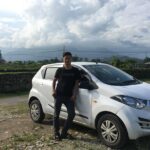
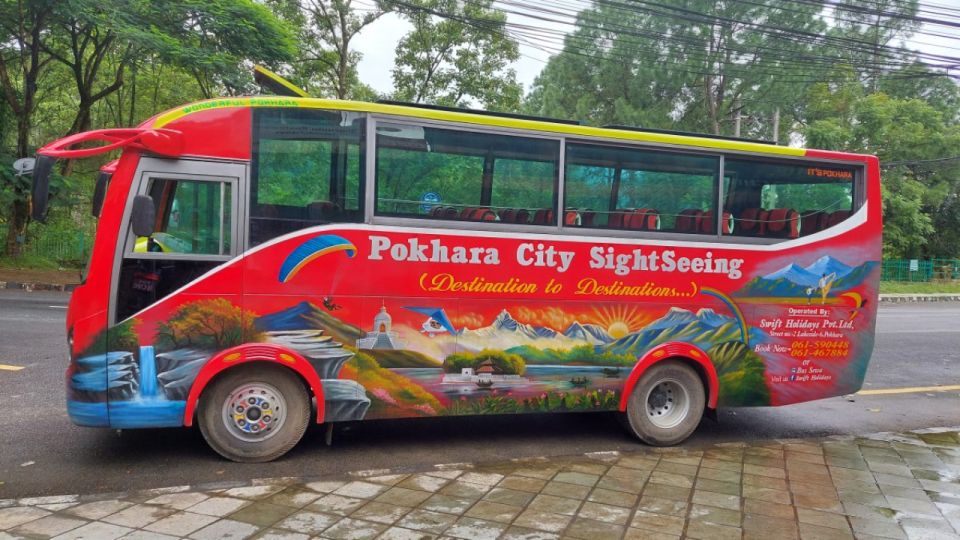
The bus itself is part of the experience. One traveler described it like a local city tour bus—simple, practical, and clearly designed for getting people from place to place. In that setup, the biggest variable is how much spoken info you get in English. You’ll have a host/greeter in English, and a local assistant rides along so you can ask questions—but don’t count on a detailed lecture at every stop.
Bring comfortable clothes and a camera. Also plan on paying for meals and entry/monument fees separately, since those aren’t included.
You can also read our reviews of more tours and experiences in Pokhara
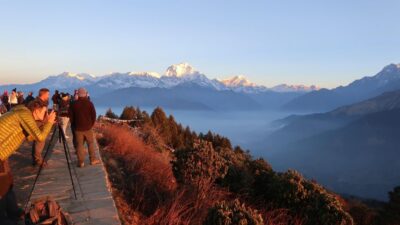
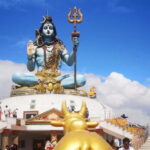
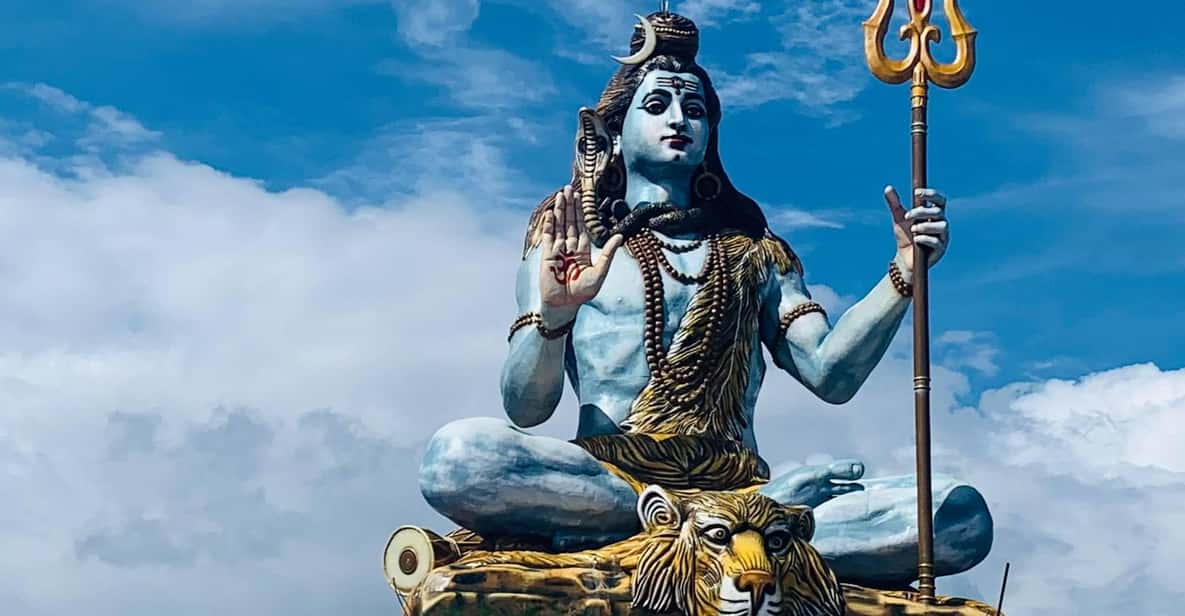
Pumdikot Mahadev View Point: A Fast Hit of High-Energy Views
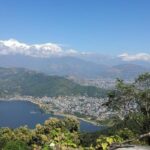
The first stop that sets the tone is Pumdikot Mahadev View Point. Even if you only spend a short time there, viewpoints are the quickest way to understand Pokhara Valley’s shape—how the town sits below the hills, and how the water and valleys fit together.
This is a good early anchor for your day because it helps you “read” the rest of the route. After you’ve seen the valley spread out, the later stops—like the Gorge and the Stupa—feel less random.
Practical tip: treat viewpoint time like snack time. Get your photos early, take a breath, and then move. If you linger too long, the rest of the day starts to feel rushed.
Bindyabashini Temple: Culture Without a Long Detour
Next up is Bindyabashini Temple. This isn’t just a photo stop. It’s a chance to see how faith shows up in everyday life around Pokhara, including how visitors and locals share the same space.
Because the tour is built for efficiency, you’ll likely get only a set amount of time. Still, even a short visit is valuable if you walk in with the mindset of “pause and observe,” not “finish and leave.”
If you’re unsure how to behave, keep it simple: be respectful, dress appropriately, and don’t treat active worship like a backdrop. You’ll get more out of it that way.
Mahendra Cave: When the Day Turns from Sun to Shadow
Then comes Mahendra Cave. Caves are a change of pace in any itinerary: the light drops, the air feels different, and you get a break from open views.
The tour design also makes sense here. Group bus days often squeeze lots of outdoor stops into one day, so having at least one cave stop balances your senses. It’s a reminder that Pokhara isn’t only waterfalls and viewpoints—it also has geology and hidden spaces.
What to watch for: cave areas can involve uneven ground and steps. Wear shoes you trust, and take your time. If you’re the type who hates tight spaces, you might want to mentally prepare yourself before entering.
Seti River Gorge: Seeing the Valley’s Power Up Close
Seti River Gorge is one of those places where you realize the landscape you’ve been looking at all day is shaped by water and time. This stop is less about a single object and more about a viewpoint over the gorge area.
Gorge viewpoints are also a “time multiplier.” One photo can take longer than you think, because the scene invites repeat angles and quick re-framing. So give yourself permission to take a few shots, but don’t let it swallow your schedule.
If the group moves quickly, stay calm. In a bus tour, you’re not stuck forever—you’re just trading flexibility for convenience. Ask the local assistant what the meeting point is before you start exploring each stop area.


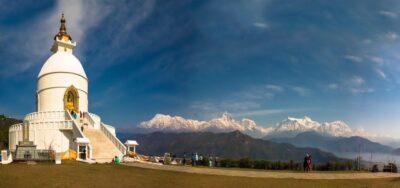
Peace Stupa: A Breather With Big Views
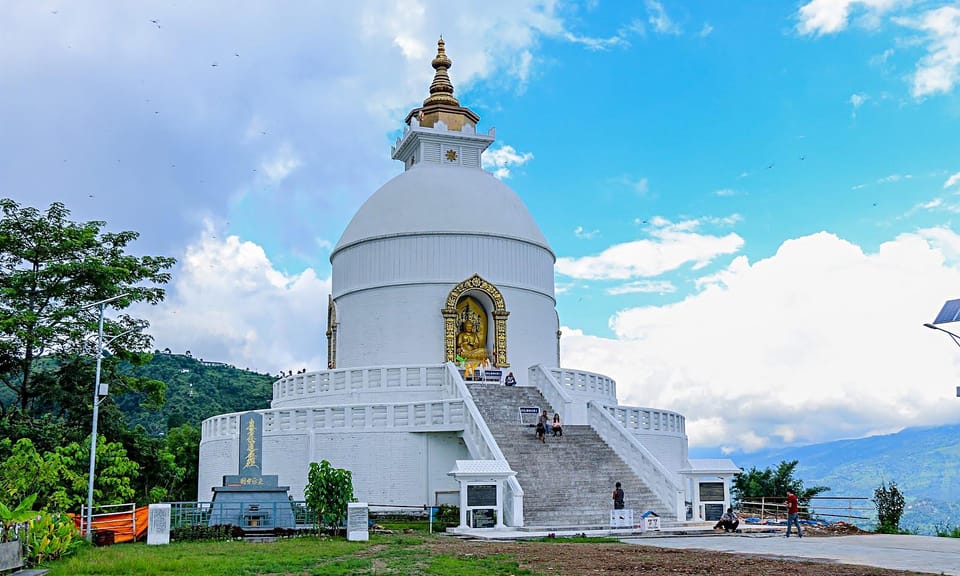
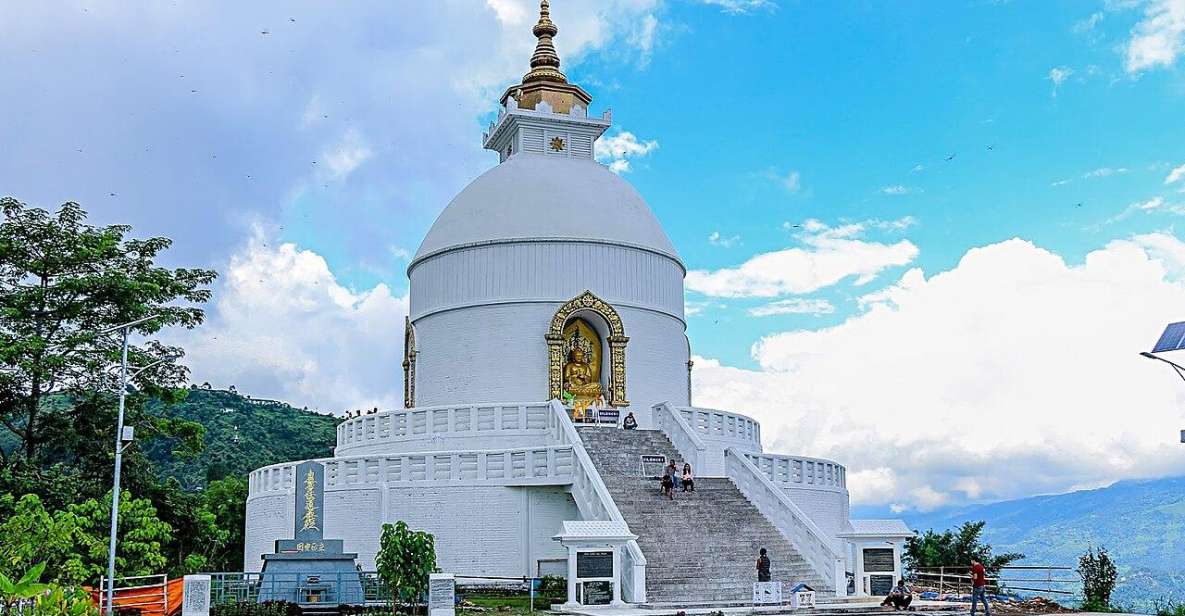
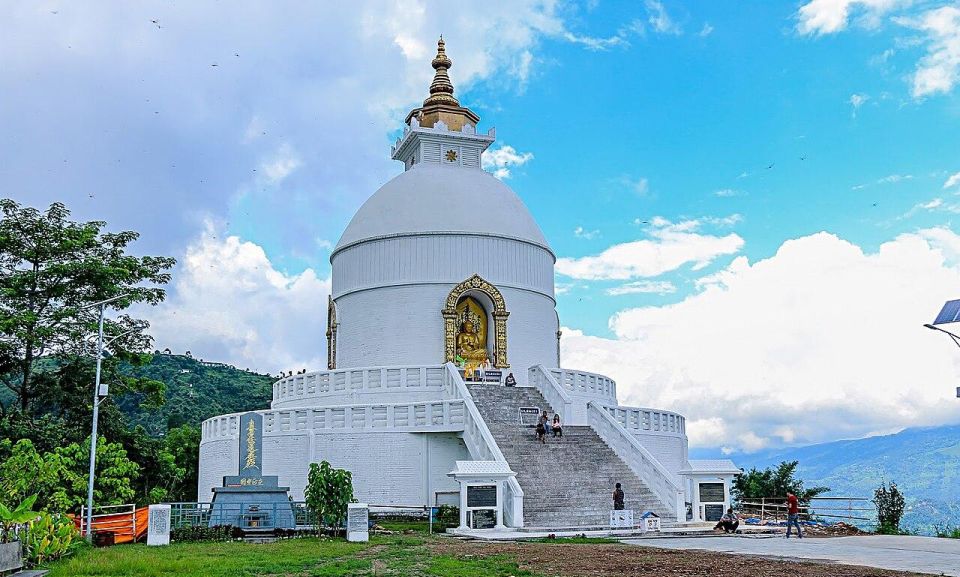
Peace Stupa is a classic Pokhara stop for a reason. Stupas are built to slow people down, and on a day tour like this, that matters. After temples, caves, and gorge viewpoints, you’ll appreciate a moment that feels more like a pause than a checklist.
Even if you only spend a short time, you get two benefits: a spiritual landmark and a high-position viewpoint feel. This is where your photos often look best because you’re above the valley and the horizon becomes part of the frame.
Practical approach: treat Peace Stupa as your “reset.” If you’ve been rushing, this is the place to stop and breathe. If you’ve been dragging, this is where the view usually forces you to wake up.
Devis Fall: The Waterfall Stop That Changes How You Think About Pokhara
Next is Devis Fall, the waterfall stop that tends to anchor the “wow” moments. Waterfalls are often crowd magnets, but on a bus itinerary you’ll usually arrive as part of a scheduled flow—meaning you get the experience without needing to gamble on timing.
This is the kind of stop where you’ll notice details only if you pay attention. Watch how the water behaves and how the area is arranged for viewing. If you move with the group, you’ll still have time to appreciate what’s going on.
Bring your camera and keep it ready, especially if there are angles where spray or mist blurs shots. If it’s bright, you may want to lower your expectations for perfectly crisp photos and focus on composition instead.
Gupteshwor Mahadev Cave: A Temple Stop With a Different Mood
Then you’ll visit Gupteshwor Mahadev Cave. Like other cave stops, it’s a shift from open-air walking to a more enclosed experience. Like other temple stops, it’s also about worship—people come here with intention, not just for sightseeing.
What I like about this kind of pairing—cave plus shrine—is that it makes the day more than a set of attractions. You start seeing connections: water, stone, faith, and how Pokhara’s identity shows up in different forms.
One practical note: caves often mean you should keep an eye on footing. If the ground is damp or uneven, slow down. You don’t need to be fast to enjoy a place like this.
Fewa Lake: Your Soft Landing Back to Lakeside Life
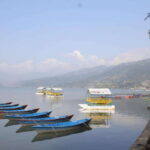
Finally, the route brings you to Fewa Lake. This is a smart end point because a lake gives you something a little different from the morning’s energy. Instead of chasing viewpoints and entrances, you get an open area where you can breathe, take photos, and recalibrate.
Also, ending near a major hub makes the day feel easier. Lakeside is where most people want to be after a long sightseeing stretch, and this itinerary is designed to return you to that rhythm.
If you have time after the tour, use it to do something simple: sit for a drink, walk the waterfront, or plan your next day. You’ll enjoy Fewa more after seeing the rest of Pokhara’s icons.
Price and Value: Why $19 Works (and When It Doesn’t)
At $19 per person for a full-day 7-hour sightseeing route, this is clearly a budget-friendly option. The value isn’t just the low price—it’s the efficiency. You’re paying for transportation and a structure that strings together multiple major stops without you arranging each leg yourself.
That said, your true cost isn’t only the base fare. The tour notes monument and entrance fees are about $10 USD per person, and meals are available for purchase separately. So if you’re doing the full set of included stops, you should mentally budget for those extras.
When this tour is a great fit:
- You want to see a lot in limited time
- You’re traveling on a budget and don’t mind a group pace
- You prefer “let someone else handle the route” over planning logistics
When it’s not the best choice:
- You want highly detailed commentary at every stop in English
- You dislike moving quickly between different types of attractions
- You have mobility limitations, since the tour isn’t suitable for wheelchair users
Group Bus Reality: How to Make the Day Feel Smooth
The biggest difference between a private tour and a bus day trip is the flow. On this route, you’ll hit multiple environments: temples, viewpoints, caves, gorge viewpoints, and waterfall scenery. That means you’ll be switching gear often.
To make it feel smooth, I’d do three things:
- Ask where the group meets before you go off for photos at each stop
- Keep water and snacks simple so hunger doesn’t derail your pace (meals aren’t included)
- Assume English details may be light and rely on the local assistant when you need clarity
One traveler shared that the bus tour price can be dramatically better than solo options, and that the group setting helped them find their way. That’s a real advantage of group tours here: when you’re not overwhelmed by planning, you can actually enjoy the places.
Who Should Book This Bus Tour—and Who Should Skip It
This is best for:
- First-time visitors who want a broad overview of Pokhara Valley
- Budget travelers who prefer shared transport
- People who enjoy photo stops and short, varied experiences
Skip or choose carefully if:
- You need wheelchair access (the tour isn’t suitable)
- You want a fully English, stop-by-stop guide service
- You’re sensitive to cave environments or uneven footing
If you’re flexible and curious, this route is a solid way to see Pokhara’s most recognizable stops without spending all day planning.
Should You Book Pokhara Sightseeing By Bus?
I think this is an easy yes if your goal is maximum sightseeing per hour on a budget. The mix of Peace Stupa, Devis Fall, Seti River Gorge, caves, temples, and Fewa Lake gives you a rounded sense of what Pokhara is about—views, water, stone, and faith—without requiring you to coordinate everything yourself.
I’d book it with clear expectations: it’s efficient, shared, and you may get more practical help than deep narration. If you want a quieter, more explanatory experience with perfect English at every stop, you may prefer a different style of tour.
FAQ
FAQ
What time does the tour start?
The tour meets at 9:40 AM for pickup from Lakeside.
How long is the Pokhara sightseeing bus day trip?
The duration is 7 hours.
Where do they pick me up?
Pickup is from Lakeside.
What major places does the bus tour visit?
It includes stops such as Pumdikot Mahadev View Point, Bindyabashini Temple, Mahendra Cave, Seti River Gorge, Peace Stupa, Devis Fall, Gupteshwor Mahadev Cave, and Fewa Lake.
Are meals included in the price?
No. All meals are available for purchase during the day.
Are there entrance or monument fees?
Yes. Monument fees and entrance fees are approximately $10 USD per person (not included in the tour price).
Will I have an English-speaking guide?
You’ll have an English host/greeter, and a local assistant rides along to help if you ask questions. Detailed English narration at every stop may vary.
Can I bring a drone?
No. Drones are not allowed.