REVIEW · KATHMANDU
14 Days Everest Base Camp Trek
Book on Viator →Operated by Magic Himalaya Treks · Bookable on Viator
Everest Base Camp stops you in your tracks.
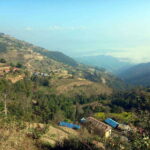
This 14-day trek takes you through the Khumbu villages, up to Everest Base Camp at 5,463m, and then on to Kalapather Hill for sunrise views around 5,450m. You’ll also get that classic Khumbu rhythm: suspension bridges, stone villages, and those moments where the mountain feels too close to be real.
I especially like how the trip focuses on the human side of the Himalaya—Sherpa life, history, and importance in the adventure world—not just the photo. I also like the organization level: airport pickup in Kathmandu, a planned domestic flight to Lukla, porters, and a licensed guide, plus a medical kit and required medicines along the way.
The main drawback is also the big one: altitude is real. One of the best parts of the trek is the high scenery, but it can also force plan changes if your body doesn’t adapt fast enough, so build patience and a careful pace into your expectations.
In This Review
- Key things that make this Everest Base Camp trek work
- Kathmandu first: easing in before the Lukla jump
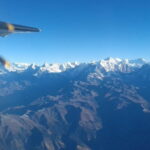
- The Lukla flight and why the first steps feel intense
- Namche Bazaar acclimatization: bridges, river crossings, and slow wins
- Tengboche: where you start seeing the mountains like a system
- Dingboche and the Nangkartshang hike: acclimatization with purpose
- Lobuche area: passing Thukla Pass and climber memorials
- Everest Base Camp at 5,463m: what you’re really seeing
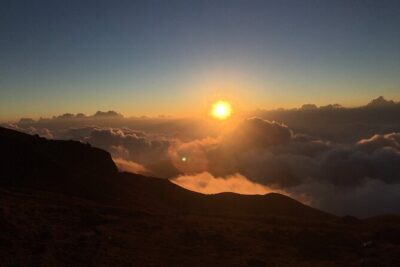
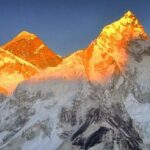
- Kalapather sunrise from 5,450m: the closest Everest viewpoint
- Returning down: Namche, Lukla, and that last big exhale
- Price and value: what $1,680 buys you (and what it won’t)
- Who this trek fits best—and who should think twice
- Should you book this Everest Base Camp trek with Magic Himalaya Treks?
- FAQ
- What elevations does the trek reach for Everest Base Camp and Kalapather Hill?
- Does the package include meals?
- How do you get between Kathmandu and Lukla?
- Are tips included in the tour price?
- What time is the activity supposed to start?
- Is travel insurance included?
Key things that make this Everest Base Camp trek work
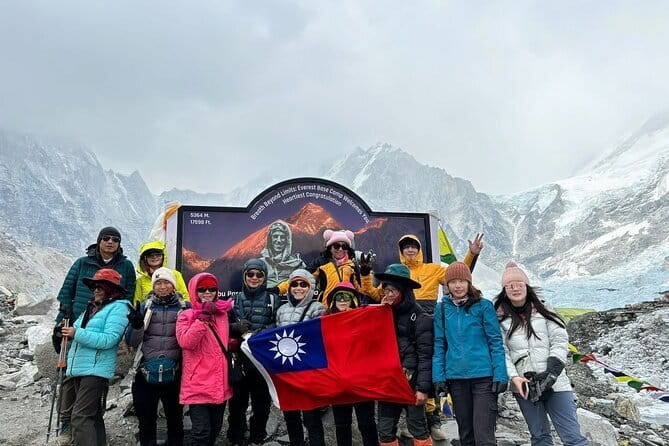
- Everest Base Camp at 5,463m plus Kalapather at 5,450m for the closest high-mountain viewpoints
- A guided acclimatization plan built around shorter recovery days and extra hikes
- Sherpa-focused cultural context that keeps the trek grounded beyond scenery
- Medicine and a medical kit included, plus porters to help manage the load
- Private-trip feel where it’s just your group during the activity
Kathmandu first: easing in before the Lukla jump
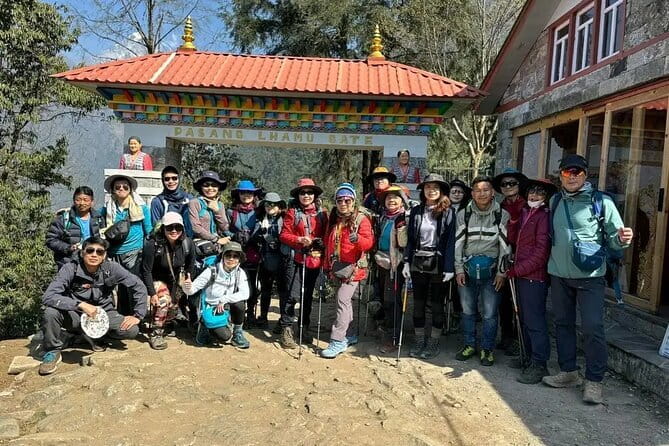
Your trek starts in Kathmandu, with a pickup from Kathmandu Tribhuvan International Airport (TUI) by Magic Himalaya Treks and Expeditions. I like that this is handled right away with your name at arrival, because Kathmandu has a lot going on and you don’t want your first day to feel like paperwork.
You’re also given time to get your bearings. The meeting start time is listed as 12:45 pm, so plan for a calm morning before you need to be ready. If you’re arriving from a long international flight, this buffer matters.
From a logistics point of view, Kathmandu is where you confirm the basics: what you packed, how you’re feeling, and whether your footwear and layers are actually doing their job. That’s not glamorous, but it’s the difference between enjoying your first walk and spending it thinking about blisters.
You can also read our reviews of more hiking tours in Kathmandu
The Lukla flight and why the first steps feel intense
On the next day, the guide comes to your hotel and you head to the domestic terminal for the flight to Lukla. After landing, you meet your porters and begin the trek.
Lukla is famous for flights that feel hair-raising, and this trip calls it the flight landing at the world’s most dangerous airport. Even if you stay practical and don’t dramatize it, you should treat the day like an adrenaline event. The goal is simple: get there, breathe, and don’t rush your first miles.
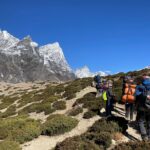
Once you’re on the trail, the trek immediately starts building the Khumbu structure: steep climbs and descents in a tight space, plus repeated bridge crossings. Early on, it helps to remember something: you’re not just walking toward Everest. You’re training your legs and lungs to work at higher altitude while carrying a realistic amount of gear.
Namche Bazaar acclimatization: bridges, river crossings, and slow wins
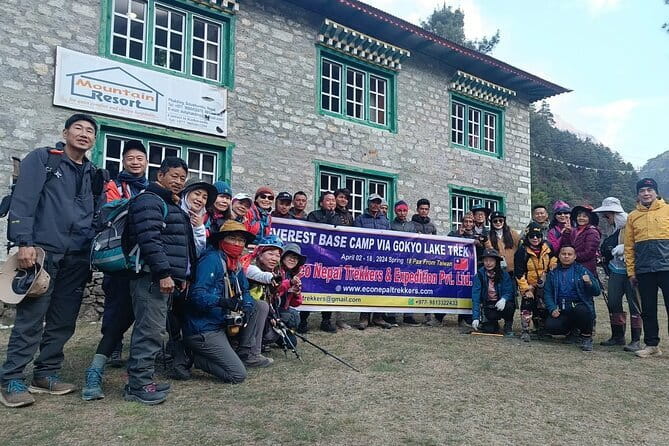
By day three, you’re trekking along the side of the Dudhkoshi River, crossing suspension bridges multiple times. You’ll stop for lunch in Jorsella and then continue toward Namche Bazaar.
Namche is a key pivot point. It’s where the trek starts to feel like a real high-altitude base rather than a steady climb. The town also gives you a useful kind of sightseeing: you’re not only moving upward, you’re giving your body a chance to adjust.
Day four is described as a rest day, but the plan isn’t to sit still all day. Instead, you get a light hike for acclimatization with options like Syangboche viewpoint or the Everest View Hotel area. I like this approach because it keeps you moving without turning it into a grind. At altitude, a “rest day” should still help you adapt.
Tengboche: where you start seeing the mountains like a system
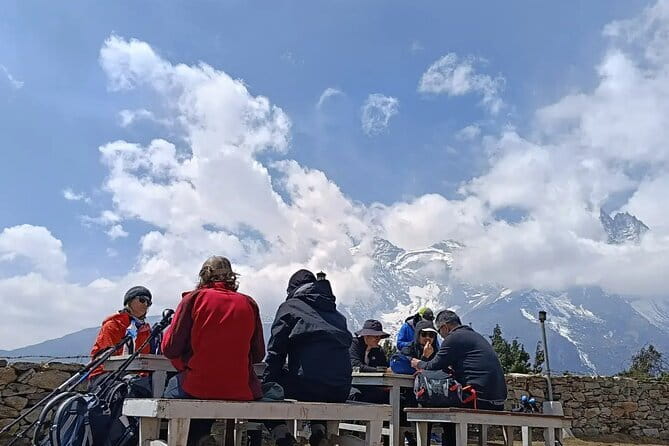
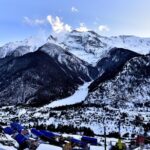
On day five, you’ll trek to Tengboche, and the description promises one of the best walks so far, with views facing Mount Everest along with other big Himalayan peaks like Ama Dablam, Thamserku, and Tabauche.
This is the kind of day that makes people talk. But it’s also where you should stay grounded. When the scenery is loud, it’s easy to push harder than you should. My practical advice: keep your breathing steady, take the breaks you need, and don’t let the views trick you into racing the altitude.
If you’re traveling with a good guide, this is where the coaching shows up. One review specifically praised Magic Himalaya for being professional and encouraging, and that kind of tone matters most when your legs are tired and your lungs feel spicy.
Dingboche and the Nangkartshang hike: acclimatization with purpose
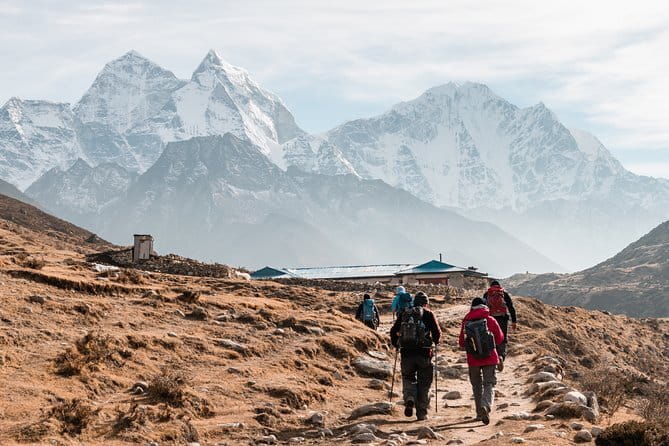
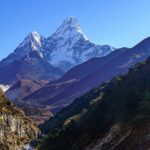
Day six moves you to Dingboche, a shorter day at about four hours trekking. You pass Pangboche and Sanasa and stop for lunch once you reach Dingboche. The payoff here is the view, especially the incredible look at Ama Dablam.
Then comes day seven: another rest day on paper, but you hike up to Nangkartshang hill around 5,000m for the best views of the Imja Tse Valley and surrounding peaks such as Island Peak and Amadablam (listed in the route description).
This is the sweet spot of the whole trek. You’re gaining altitude gradually while still keeping the day manageable. If you want to maximize your odds of feeling okay later—especially when you’re headed toward Everest Base Camp—this is the kind of acclimatization work that pays off.
Lobuche area: passing Thukla Pass and climber memorials
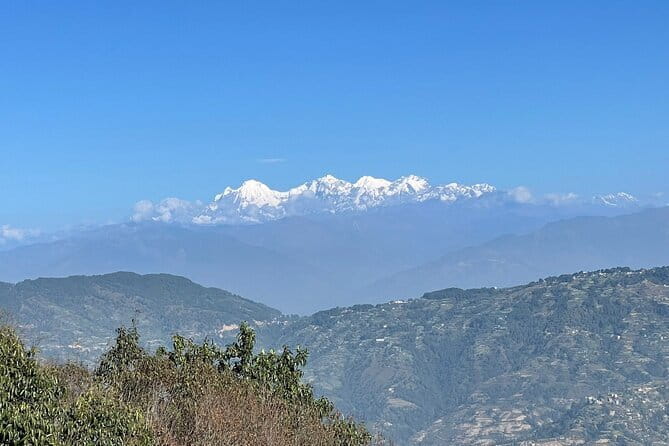
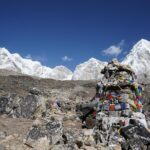
On day eight, you head toward Lobuche, walking about six hours. You’ll pass Thukla and Thukla Pass, and the trip includes the monuments made by famous climbers at the pass.
That’s one of those moments I think you should treat seriously, even if you’re also in scenic-photo mode. Memorials give the trek context: this isn’t a theme park version of the mountains. People have risked a lot here.
Day nine is one of the longest days. You move toward Gorakhshep in the morning, then continue toward Everest Base Camp after a light lunch. The description says that after reaching Gorakhshep, you walk for about two hours more to reach base camp.
Long days at this stage can feel slow in your body even when your watch says you’re on track. Keep your pace easy. You’re saving energy for the cold and the altitude work that come immediately after.
Everest Base Camp at 5,463m: what you’re really seeing
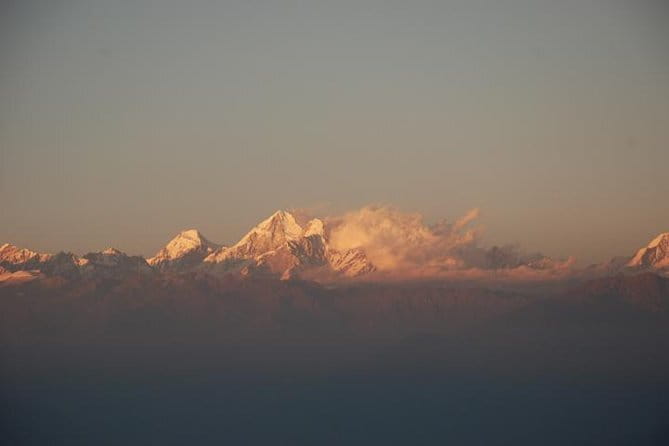
Day nine takes you to Everest Base Camp, listed at 5,463 meters. The route notes something important: the base camp changes every year with glacier movement, and the “new” base camp is on top of the Khumbu glaciers.
That detail matters. If you’re expecting a static destination, it can feel odd at first. But it’s also part of the truth of this place: the mountain is active, and the ice reshapes the environment every season.
When you reach base camp, I’d focus less on the checklist and more on the experience of altitude and scale. The air feels different. Your body works differently. Even if the group is fast, you’ll want a slower moment to take it in.
One of the reviews also highlights that someone couldn’t reach Everest Base Camp due to altitude sickness. That’s not here to scare you; it’s here to keep you honest. Your plan can change if your body needs a different decision. Listen to your guide.
Kalapather sunrise from 5,450m: the closest Everest viewpoint
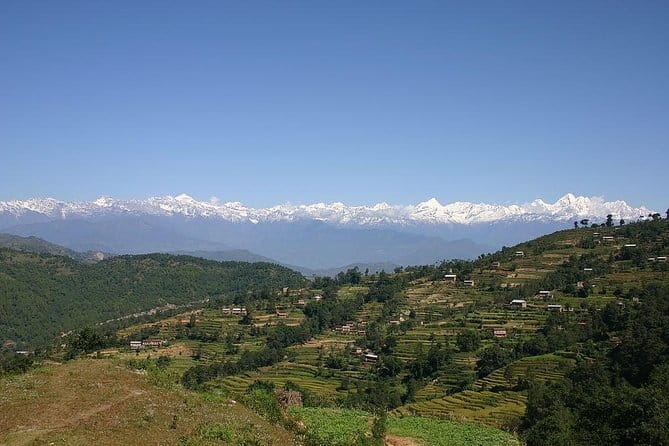
Day ten starts early with a hike to Kalapather for sunrise views and mountain views. The route says you go up, take pictures, sit for a bit, and then come down to Gorakhshep for breakfast.
This is where the trek earns its reputation for “closest view” energy. Kalapather is at about 5,450m, so it’s not an easy stroll, but it’s short enough to stay focused. Sunrise also changes the way the mountains read—shadows and light make it easier to understand the contours.
After that, the day turns into a descent rhythm back through Gorakhshep. It’s still work, but at this stage you’re moving toward comfort zones you’ve already adapted to—like Namche.
Returning down: Namche, Lukla, and that last big exhale
On day eleven, you trek down toward Namche Bazaar, passing Pangboche and Tengboche. Lunch is at Phortse Tangha, and when you reach Namche you can enjoy the bar and pubs.
That bar detail matters more than it sounds. It’s not just fun—it’s morale. After days at high altitude, it feels good to settle back into something social and warm.
Day twelve finishes trekking: you walk about seven hours to Lukla from Namche, with lunch in Phakding. It’s described as a last day, and you celebrate while making porters happy. That’s a small line, but it points to an important culture of the trek: your porters are part of the success, not just background labor.
Day thirteen is the Kathmandu reset. After breakfast, you go to the airport for your flight back. Then a driver picks you up and transfers you to the hotel for a full rest day, with accommodation and breakfast included.
Day fourteen is your final Nepal day: you fly home, with breakfast provided.
Price and value: what $1,680 buys you (and what it won’t)
At $1,680 per person for about 14 days, this trek sits in the mid-to-upper range for Nepal-based trekking. The real question is value: does the price cover the stuff that keeps your trip stress low?
Here’s what’s included, based on the provided details:
- Government fees (Khumbu Municipality charges, Sagarmatha National Park entrance fee, and taxes/VAT)
- An experienced license holder guide plus required porters with their salary and expenses
- A medical kit box and required medicine
- Air-conditioned vehicle in Kathmandu and round-trip tickets between Kathmandu and Lukla for guide and clients
- Airport pickup and drop on private transportation
- Meals: 13 breakfasts, 11 lunches, and 13 dinners
What’s not included is also important:
- Tips for guide and porters (listed as compulsory)
- Personal expenses, and bar bills
- Rescue operation in emergencies
- Extra items during meals
- Nepal entry visa, travel insurance, and international flights/departure taxes
My take on value: you’re paying for fewer surprises. Included meals, guides and porters, and the park fees reduce the typical “where did that cost come from?” moments. The big missing piece is rescue insurance and your own travel insurance setup. If you’re not already covered, add that before you commit.
Who this trek fits best—and who should think twice
This experience asks for a strong physical fitness level, and the route includes multiple long hiking days at altitude. If you like structure, acclimatization days that aren’t just wasted time, and a clear plan for reaching both Everest Base Camp and Kalapather, you’ll probably feel at home.
It also suits people who want the Sherpa story tied to the route, not just a postcard version of Everest. The guide support described in reviews—helpful, professional, with gentle encouragement—points to a trip style that works well when you want motivation and careful pacing.
If you’re fragile with altitude or you know you’ve struggled before, don’t assume you’ll steamroll your way up. Build in flexibility. Your safest move is to trust the plan, talk honestly about symptoms, and let the guide guide.
Should you book this Everest Base Camp trek with Magic Himalaya Treks?
If you want a well-run Everest Base Camp trip with a guide team you can trust, I think this one is a strong candidate. The biggest reasons: licensed guiding and porter support are built in, the itinerary includes acclimatization-focused rest days, and the price covers a lot of the overhead most people end up paying anyway.
I’d book if:
- you’re ready for the altitude reality and can handle long walking days
- you want Kalapather sunrise plus Everest Base Camp at 5,463m
- you appreciate organized logistics like pickup, flight planning, and meal coverage
I’d pause if:
- you’re unsure about altitude tolerance
- you don’t have travel insurance sorted (rescue is not included)
- you’re hoping tips or personal costs won’t matter (they will)
One more practical note: the experience requires good weather, and the provider may offer a different date or a full refund if weather forces cancellation. So if you’re booking, keep your schedule flexible enough to handle mountain timing.
FAQ
What elevations does the trek reach for Everest Base Camp and Kalapather Hill?
Everest Base Camp is listed at about 5,463 meters above sea level. Kalapather Hill is listed around 5,450 meters above sea level for a close view of Everest.
Does the package include meals?
Yes. The trek includes breakfast (13), lunch (11), and dinner (13), as listed in the included details.
How do you get between Kathmandu and Lukla?
The plan includes a flight from Kathmandu to Lukla with airport transfers in Kathmandu by private transportation. Round tickets for guide and clients are included.
Are tips included in the tour price?
No. Tips for the guide and porters are listed as compulsory and are not included in the price.
What time is the activity supposed to start?
The meeting start time is listed as 12:45 pm.
Is travel insurance included?
No. Travel insurance for the trek is listed as not included.