REVIEW · PARO
6 Days Bhutan Private Tour to Gangtey
Book on Viator →Operated by OMSHA Travel - Travel Guide to Bhutan · Bookable on Viator
Bhutan feels close when everything is planned well. This 6-day private trip blends Thimphu culture with the big draw, Tiger’s Nest (Taktsang). I like that the days mix everyday worship places (not just staged viewpoints) with hands-on stops like a traditional paper factory and a real market. One heads-up: the route includes several long sightseeing blocks and a few meaningful hikes, so comfortable shoes matter.
What makes it feel smooth is the way transport, meals, and site fees are handled up front. You’ll have a dedicated guide and driver for your group, and the tour is built around practical pacing across Paro, Thimphu, Punakha/Phobjikha, and back again. If you want an organized Bhutan experience that still leaves room to slow down, this one is a strong fit—just budget extra for Bhutan’s Sustainable Development Fee and visa fee.
In This Review
- Key highlights worth your attention
- Getting a feel for Bhutan: Paro Airport start and private comfort
- Day 1 in Thimphu: Memorial Chorten, takins, paper, and Tashichho Dzong
- Day 2: Buddha Dordenma, Dochula Pass, and a Phobjikha hike
- Day 3: Gangtey Monastery, Chimi Lhakhang, and Punakha Dzong
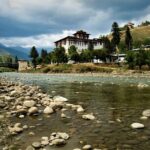
- Day 4: Khamsum Yulley Namgyal Chorten hike, then Rinpung Dzong in Paro
- Day 5 in Paro: Taktsang’s big climb, plus beer and a farmhouse dinner
- Day 6: Paro Airport bird’s-eye view and a smooth departure
- Price and value: what’s included, what’s extra, and what you’re really paying for
- Who should book this 6-day Bhutan private tour (and who should rethink)
- Should you book this 6-day private Bhutan tour?
- FAQ
- Where does this tour start?
- Is this a private tour?
- How long is the tour?
- What’s included in the price?
- What fees are not included?
- Is pickup offered?
- Does the tour include tickets for temples and museums?
- Can I cancel for a refund?
Key highlights worth your attention
- A private group setup with your own guide and driver keeps decisions easy when roads get slow or weather shifts
- Real Thimphu daily life, from the Memorial Chorten area to a handmade paper workshop
- Phobjikha nature time with a hike option plus the Black-necked Crane information center
- Punakha fortresses and bridges, including Punakha Dzong and a suspension bridge stop
- Taktsang’s long day payoff, built into the schedule so you’re not rushing at the end
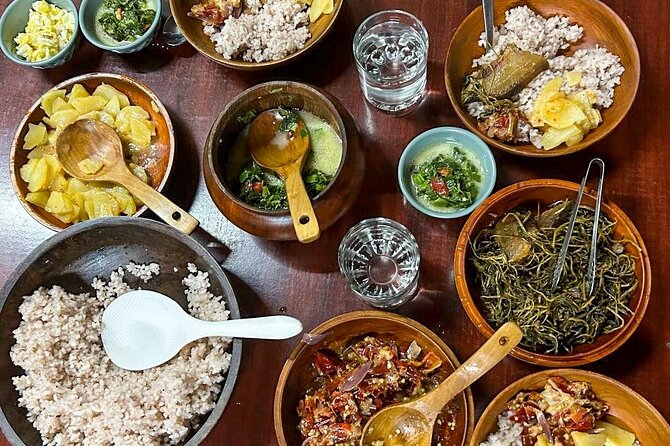
- A home-style dinner option in Paro that goes beyond sightseeing
Getting a feel for Bhutan: Paro Airport start and private comfort
You start at Paro Airport, which is great because you avoid that first-day confusion that can happen when you’re trying to figure out ground transport on your own. From there, the trip is designed around a simple idea: you focus on the places, your guide handles the flow.
This is a private tour, meaning it’s just your group. In practice, that makes a difference on a day that includes hikes. You can set a comfortable pace with your guide instead of adjusting to a larger group. One group I learned about specifically praised their guide and driver for being helpful and on time, even with a small language gap—communication stayed clear enough to keep things moving.
A final practical note: the tour lists that each day totals more than 7 hours including travel time. That’s not unusual in Bhutan, but it’s the sort of detail that helps you plan your energy. Think “full days,” not “half-day stops.”
You can also read our reviews of more private tours in Paro
Day 1 in Thimphu: Memorial Chorten, takins, paper, and Tashichho Dzong
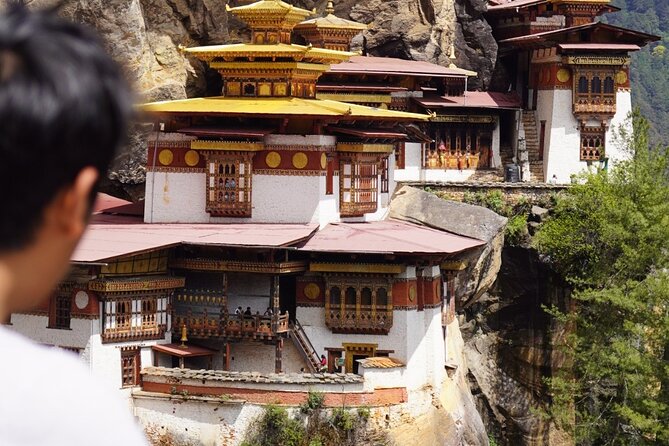
Thimphu can be a shock in the best way: Bhutan’s quiet religious life right next to normal city movement. Day 1 leans into that.
Tachogang Lhakhang Bridge (free, about 45 minutes) is your gentle on-ramp after landing. It’s the kind of stop that also helps you calibrate to altitude and road timing without being too intense.
Then you get to Thimphu’s Memorial Chorten. It’s visited daily by locals—older people, kids, and everyone in between. If you like seeing worship as a daily rhythm (not a one-time attraction), this stop hits that sweet spot. You’ll have about 30 minutes, and the admission is included.
Next comes Bhutan’s national animal at Motithang Takin Preserve (free admission included, about 30 minutes). It’s called a mini zoo by some people, but the point is bigger than animals: it’s part of Bhutan’s identity, and it breaks up the temple-heavy pattern with something lighter.
Thangthong Dewachen Nunnery (free, about 30 minutes) is a quieter pause. The nunnery is known as Zilukha Nunnery (and Druthob Goemba), and you’re visiting a place that holds around 60 nuns. If you’re wondering what Bhutan spirituality feels like day to day, this sort of stop gives you that calm, grounded tone.
A fun shift in pace: Jungshi Handmade Paper Factory (free, about 40 minutes). This is where you learn how Bhutan’s paper tradition works using an older method. It’s the kind of stop that can surprise you because it’s not just sightseeing—it’s craft.
To balance the spiritual and the artisanal, you finish the day with Centenary Farmers Market (free, about 30 minutes) and then Tashichho Dzong (free, about 50 minutes). Tashichho is one of the most important government-and-monastery sites in Thimphu, so this is where the day’s themes of religion and civic life come together.
Drawback to plan for: Day 1 is packed, so if you’re the type who hates back-to-back stops, you’ll want to lean on your guide to find a few minutes to breathe between places.
Day 2: Buddha Dordenma, Dochula Pass, and a Phobjikha hike
Day 2 shifts from core Thimphu sights to the route toward Phobjikha Valley, which is where nature and traditional sites start to mix more.
First is Buddha Dordenma (free, about 40 minutes). It sits up on a hill in Thimphu, and it’s the kind of landmark that instantly changes your sense of scale. Even if you’re not into statues, this one helps you understand why the landscape feels spiritual in Bhutan.
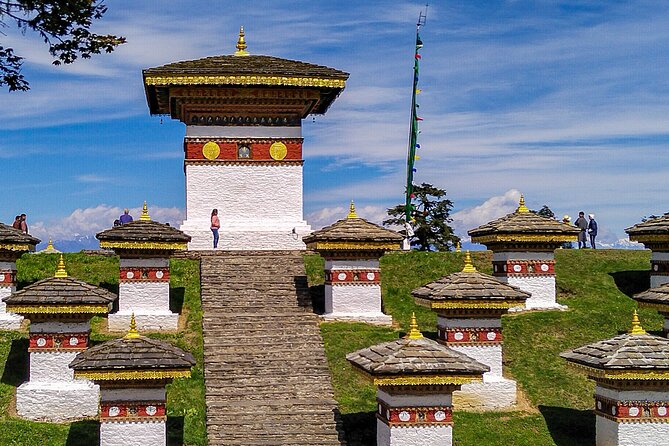
Then you drive to Dochula Pass (free, about 40 minutes). The pass is famous for views when the weather cooperates, and it’s also known for memorial structures. This stop is mostly about that moment when you realize how big the mountains are.
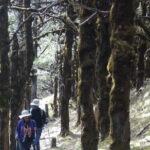
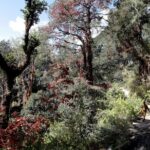
From there, you’ll spend time on Phobji Nature Trail / Gangtey Nature Trail area hiking (free, listed around 2 hours). The tour description calls it a hike of about one and a half hours, with scenic views over Phobjikha Valley. If you want movement without a grueling climb, this is a good style of hike—more about pacing and scenery.
You also stop at the Black Necked Crane Center (admission included, about 30 minutes). This is your context stop. Phobjikha is a winter home for black-necked cranes, and the center helps you understand the timing and why the valley matters for conservation.
Practical tip: If you’re sensitive to cold or wind, bring a layer. Passes and open valley areas can feel sharp even when the sun is out.
Day 3: Gangtey Monastery, Chimi Lhakhang, and Punakha Dzong
Day 3 is the day that feels like you’re covering a lot of Bhutan’s “best-of” without feeling like you’re running through a checklist.
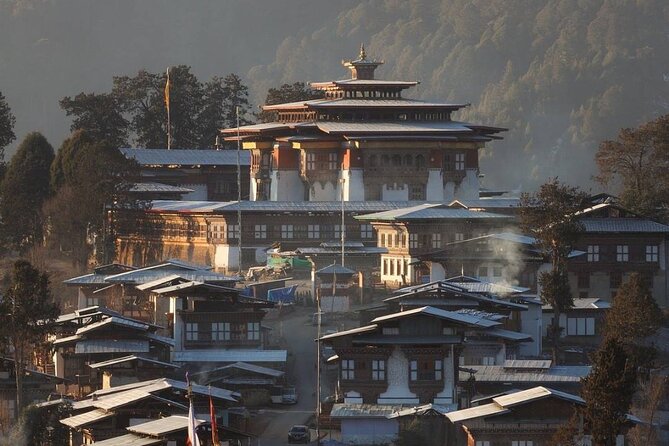
Start with Gangtey Monastery (Gangtey Gompa) (free, about 30 minutes). The big draw here is the location—on a small hill overlooking much of Phobjikha Valley. You’ll get a sense of why monks chose this kind of viewpoint: it’s calm, expansive, and built for quiet attention.
Then you visit Chimi Lhakhang Temple (admission included, about 50 minutes). It’s associated with fertility blessings tied to Lam Drukpa Kuenley, often nicknamed the Divine Madman for his eccentric life. I like this stop because it’s not just architecture; it’s also about Bhutan’s living beliefs and how temples serve real family stories.
After that, you move to Punakha Dzong (admission included, about 50 minutes). This is one of Bhutan’s most impressive fortress-and-monastery sites, placed between the Pho Chu (Male River) and Mo Chu (Female River). Even if you don’t memorize the details, you can feel the strategic thinking behind where the dzong sits.
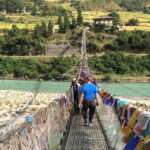
You’ll then stop at the Punakha Suspension Bridge (free, about 30 minutes). The key detail here is the timing—this is a shorter walk, and it gives you a different angle on the dzong area.
Possible consideration: This is a long day with multiple theme shifts: valley viewpoint, fertility temple, then fortress river scenery. If you like to photograph, your camera battery will thank you for not skipping breaks.
Day 4: Khamsum Yulley Namgyal Chorten hike, then Rinpung Dzong in Paro
Day 4 brings you back toward Paro and includes a hike that’s timed to give you the best views without turning into a big ordeal.
First is Khamsum Yulley Namgyal Chorten (free, about 2 hours including 45 minutes hiking). The description highlights views of rice terraces along the river as you climb. That matters because it gives you context for Bhutan’s farming landscapes, not just stone-and-spirit scenes.
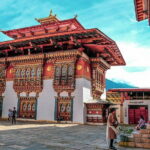
After the hike, you drive to Paro and visit Rinpung Dzong (free, about 50 minutes). It houses both monastic space and district offices, including courts. It’s also known as Paro Dzong, built in 1644 under Zhabdrung Ngawang Namgyal’s order. This is one of those stops where the “old” and the “still used” feel like they share the same walls.
You finish day 4 with Paro town (about 1 hour, free admission). This is your decompression time: local shops, handicrafts, and the simple pleasure of walking without a strict schedule. One nice detail in the tour notes is that you can pause for a coffee or tea break—small time windows like this keep the day from feeling like nonstop motion.
Day 5 in Paro: Taktsang’s big climb, plus beer and a farmhouse dinner
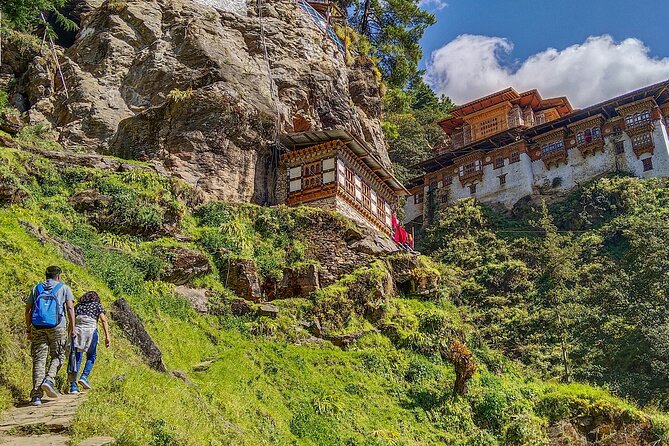
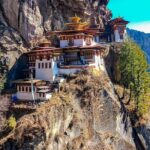
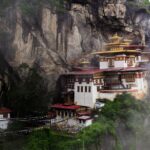
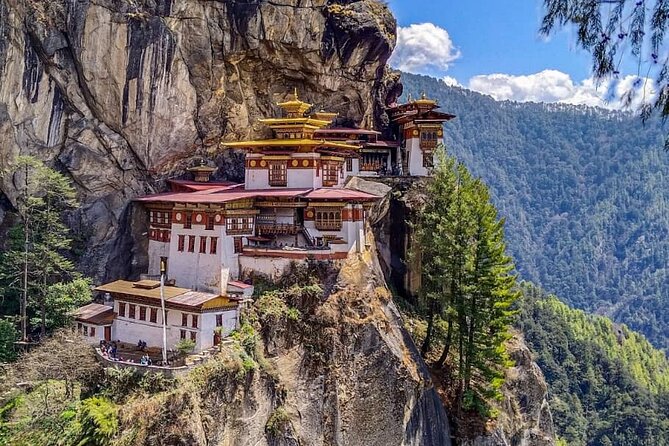
If you came for a single iconic moment, this is the day: Paro Taktsang (Tiger’s Nest).
The tour lists it as about 6 hours total with admission included. This includes the hike time plus the time you’ll spend at the monastery itself. There’s no getting around the fact that this is a physical day. But it’s also the day that tends to feel worth it because you’re rewarded with dramatic cliffside scenery and a powerful sense of place.
After you return, the afternoon gets lighter with a stop at Namgay Artisanal Brewery (admission included, about 50 minutes). The tour notes mention six types of beer and apple cider. If you don’t drink, you can still treat it as a cultural stop—learning how local businesses and tastes show up in a country that also takes tradition seriously.
Then comes the most personal-feeling part: Tshering Farmhouse (admission included, about 50 minutes). You visit Bhutanese homes and have dinner with them, with the tour framing this as a look at hospitality rather than a scripted performance. I like including this because it’s not just what’s on your camera. It’s what you learn about daily life—how families welcome guests and how food becomes part of cultural connection.
One practical note: If Taktsang is your big effort, plan to go slow on the brewery stop. Don’t turn it into a sprint day.
Day 6: Paro Airport bird’s-eye view and a smooth departure
Day 6 is simpler on paper: you head toward the airport for departure. The tour includes Paro Airport Bird’s Eye View Point (free, about 30 minutes) before you go.
That last view can be an emotional reset. After days of temples and hikes, you get one more look at how Paro sits among mountains and valleys.
The tour day still follows the same “transport and flow” logic. It’s not a free-for-all. You’ll have a plan that respects travel time and keeps you from feeling rushed at the end.
Price and value: what’s included, what’s extra, and what you’re really paying for
The tour price is listed at $1,100 per person for about 6 days. That number alone can look like a bargain or a lot, depending on what you compare it to. Here’s how the value works in your favor.
Included basics are solid:
- All transport (transfer and sightseeing)
- All meals: 5 breakfasts, 5 lunches, 5 dinners
- 3-star accommodation certified by Bhutan’s Department of Tourism
- Monument and museum fees
- Bottle of water in the car
- A long list of temple/dzong entries across the route
Where people often get surprised is what’s not included:
- Sustainable Development Fee (SDF): $500 per person
- Visa fee: $40 per person
- Flight cost
- Personal expenses like laundry and tips
- Drinks and beverages
- Travel insurance
So your true planning number is the tour price plus the SDF and visa, plus flights you book separately. Even with those extras, the package can still be good value if you want a stress-light trip where entrance fees and meals are handled. You’re also paying for time-saving logistics—especially important in Bhutan, where driving days and timing around sights matter.
Also, it’s listed as mobile ticket and includes pickup. Those are small things, but in practice they reduce hassle on arrival and help the schedule stay intact.
Who should book this 6-day Bhutan private tour (and who should rethink)
This tour fits best if you:
- Want a private guide and driver so your pacing and questions are handled
- Prefer a mix of Thimphu sights, Phobjikha nature, Punakha dzongs, and Paro’s big temples
- Are okay with multiple hikes (including a longer day for Taktsang)
- Like the idea of included meals and entry fees so you can focus on being there
You might think twice if:
- You hate long travel days. The tour notes that each day totals more than 7 hours including travel time.
- You want lots of free time to wander without any scheduled stops. This trip is structured for flow, not drift.
- You’re budget-tight once you add SDF and visa on top of the base tour price.
The good news: the guide team is described in feedback as organized and supportive. One group highlighted that even with limited English, communication worked and the schedule stayed smooth. Another mentioned personalization based on preferences, which is exactly what you want on a trip with walking days.
Should you book this 6-day private Bhutan tour?
I think this is a smart pick if your goal is a well-run Bhutan circuit: Thimphu culture, nature around Phobjikha, the fortress feel of Punakha, and the jaw-drop moment of Taktsang—all with meals and site fees handled.
My recommendation comes with two checks for you:
- Confirm you’re comfortable with the physical days, especially the Taktsang hike and the Khamsum Chorten hike.
- Plan the real budget up front by adding the SDF and visa fee, not just the $1,100 tour price.
If those two boxes work for you, you’ll likely love how the trip balances spirituality, scenery, and everyday Bhutan life—without turning your vacation into a logistics project.
FAQ
Where does this tour start?
The tour starts at Paro Airport in Paro, Bhutan.
Is this a private tour?
Yes. It’s private, and only your group participates.
How long is the tour?
It’s listed as 6 days (approx.).
What’s included in the price?
The tour includes all transport (transfer and sightseeing), meals (5 breakfasts, 5 lunches, 5 dinners), 3-star accommodation certified by the Department of Tourism, Bhutan, bottled water in the car, and monument fees and museum fees.
What fees are not included?
The Sustainable Development Fee (SDF) is not included ($500 per person), and the visa fee is not included ($40 per person). Flight costs, travel insurance, tips, laundry, and drinks are also not included.
Is pickup offered?
Yes, pickup is offered.
Does the tour include tickets for temples and museums?
Yes. Monument fees (dzongs and temples) and museum fees are included.
Can I cancel for a refund?
Free cancellation is offered. You can cancel up to 24 hours in advance for a full refund, based on the experience’s local time.