REVIEW · PARO
Bumdrak Trek – Tiger’s Nest Monastery Overnight Trek
Book on Viator →Operated by Bhutan Swallowtail Tours & Travels · Bookable on Viator
One night changes Tiger’s Nest. I love the way this trek treats Paro Taktsang as more than a photo stop, and I love the off-the-usual-route feel of hiking toward views while you camp in the wild. The main drawback: you need strong fitness and solid weather, since the plan is weather-dependent.
With a start time around 8:00 am and a private setup, it feels calmer. If you get a guide like Pema or Lobsang Nima, you’ll likely hear clear, practical explanations as you go, plus you’ll travel with a trekking chef.
In This Review
- Key highlights to pay attention to
- Why Bumdrak Trek feels different from the usual Tiger’s Nest day hike
- The two-day flow in Paro: Paro Taktsang to a bird’s-eye view near the airport
- Overnight camping in the wild: equipment, meals, and staying comfortable
- Guides and the value of a private setup in Paro
- Price and logistics: what $850 is buying you (and what it isn’t)
- Trek reality check: fitness, steps, and weather can shape the day
- Which kind of traveler should book Bumdrak Trek
- Should you book this overnight Tiger’s Nest trek
- FAQ
- How long is the Bumdrak Trek – Tiger’s Nest Monastery Overnight Trek?
- Where does the trek take place?
- What time does the trek start?
- Is pickup included?
- What stops are included in the itinerary?
- What’s included in the price?
- What isn’t included?
- What happens if the weather is poor?
Key highlights to pay attention to
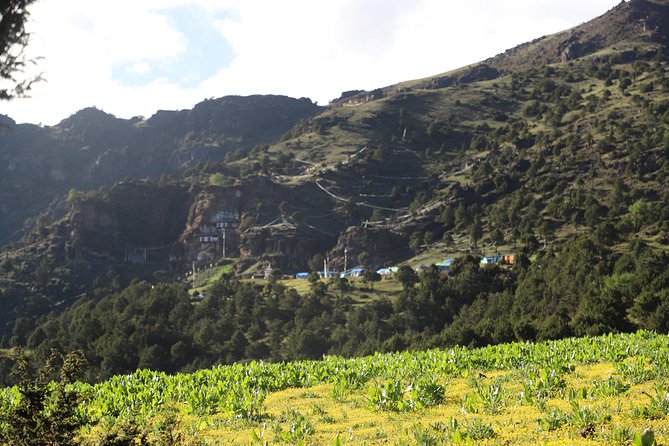
- Overnight camping in the wild (one night): more time in the mountains, less time in vehicles and crowds.
- The Trek of the Thousand Dakinis theme: you’re not just walking for views; you’re walking with meaning, including sacred caves.
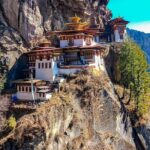
- A Taktsang view you may not get on the usual route: you gain height and perspective.
- Chef + trekking equipment + camping gear included: you can pack lighter and focus on the hike.
- Private tour with pickup option: only your group, starting around 8:00 am.
- Weather matters: if conditions are poor, the operator offers a different date or a full refund.
Why Bumdrak Trek feels different from the usual Tiger’s Nest day hike
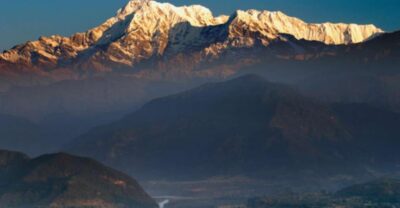
Most Tiger’s Nest plans are built like a fast hit: drive, climb, return. The Bumdrak Trek flips that rhythm. You get a short but real overnight experience, with hiking that pushes you beyond the most common viewpoint angles. That alone changes how Tiger’s Nest feels. From the trail and higher up, the monastery can look more dramatic, more perched, and more like part of the mountain than a destination you just visit.
Another thing I like is the way the route connects to spirituality. The trek is sometimes called the Trek of the Thousand Dakinis, referring to celestial female beings. Even if you don’t know the details, you’ll feel the difference in how the hike is framed, especially when you’re headed toward sacred and holy caves. It’s not museum tourism. It’s a walk with context, and that makes the time go quickly.
One note to keep expectations grounded: this is still a trek. The “short” part is about duration, not effort. If you’re expecting an easy stroll, plan to adjust your attitude fast.
You can also read our reviews of more hiking tours in Paro
The two-day flow in Paro: Paro Taktsang to a bird’s-eye view near the airport
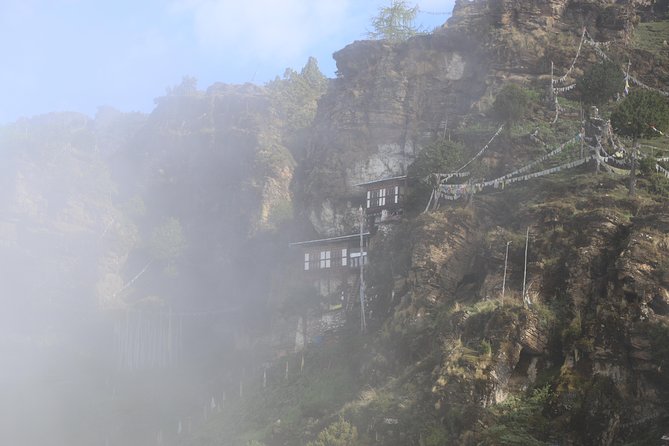
You start at 8:00 am, and the trek is organized around two main stops: Paro Taktsang and the Paro Airport Bird’s Eye View Point. The provided schedule is minimal on timing details, so I recommend thinking of this as a two-day hiking arc anchored in the Paro Taktsang area, then finishing with a high lookout near the airport.
Here’s how I’d mentally map it:
On day one, Paro Taktsang sets the tone. This is where the story clicks into place because you’re close to the Tiger’s Nest world from the beginning. Expect your hike to start building altitude early enough that your legs wake up and your brain starts paying attention to the views. This isn’t the kind of trek where you walk for an hour and then wait for the interesting part.
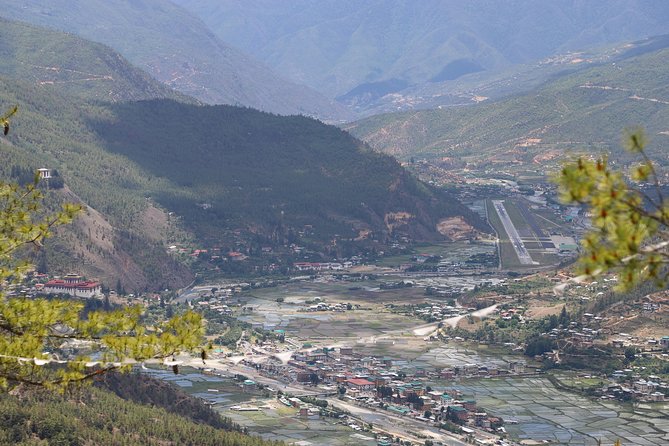
Day two brings a different kind of payoff: a bird’s-eye view point near Paro Airport. That lookout matters because it widens your understanding of Paro. You stop seeing only temple silhouettes on cliffs and start connecting the valleys, ridges, and routes that make the region so distinctive. It’s also the kind of end point that feels satisfying if you’re the type of traveler who likes to look back and understand what you’ve already climbed.
Between day one and day two, there’s the key element: one night camping in the wild. That night is what turns this from a simple hike into an overnight adventure. If you want scenery that changes with light, sounds, and weather, overnight is a big reason to book this trek.
Overnight camping in the wild: equipment, meals, and staying comfortable
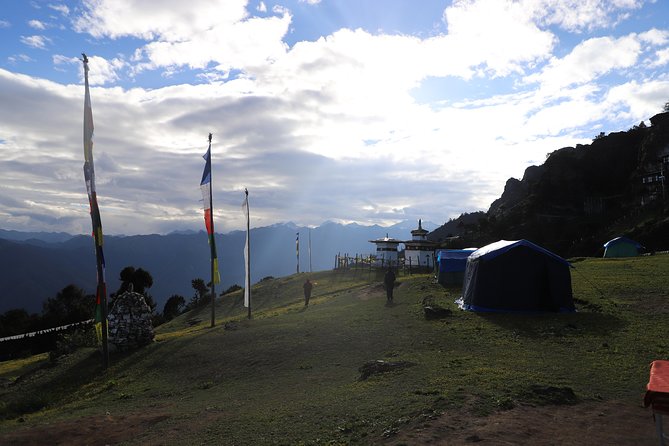
The best part of an overnight trek is that you’re not rushing. You’re in the mountains long enough to notice details you’d miss on a day route.
This tour includes camping equipment and all trekking equipment, plus a trekking chef. In practical terms, that means two things for you:
- You don’t have to source a bundle of gear in Paro before you hike.
- Someone else is managing the camp-side logistics and meals, so your job is mainly walking, resting, and enjoying the moment.
Food is also clearly handled. You’ll get:
- Breakfast
- Lunch x2
- Dinner x1
- Coffee/tea x2 plus snacks
The exact timing of each meal isn’t spelled out in the info provided, but the structure is solid: you get regular fuel and warm drinks, and you’re not counting on finding food at the last minute. This is a big deal on treks where hunger can turn into irritation fast.
One small caution: alcohol is not included. If you like a nightcap, you’ll need to plan for that separately rather than expecting it in the package.
Practical comfort tips (based on general trekking reality, not on extra promises): dress in layers, wear shoes you trust, and bring rain protection. Even with good weather, conditions in the mountains can shift. And because you’re camping overnight, your comfort depends on how well you handle cold at night.
Guides and the value of a private setup in Paro
This is a private tour/activity, meaning it’s only your group. That’s not a minor detail. On short treks, one slow person can stretch the whole schedule. A private setup tends to make pacing feel more natural and keeps time from getting eaten up by waiting.
It also helps that pickup is offered. Starting at 8:00 am means your day begins early enough to get moving while the weather is typically kinder and the light is often better for photos.
On the guiding side, the operator’s guides come up again and again in feedback for being informative and supportive. Names you may see connected with Tiger’s Nest hiking through this company include Singye, Kinza, Tshering, Padang, Pema, Ugyen, and Lobsang Nima. I can’t promise which guide you’ll get on your specific dates, but the pattern matters: expect a guide who takes explanations seriously and helps you understand what you’re looking at as you climb.
If you like trekking with context—temples, caves, and meaning instead of just route maps—you’re in the right place.
Price and logistics: what $850 is buying you (and what it isn’t)
The price is $850 for an approximately 2-day trek in Paro. That’s a serious number, so it’s worth asking what you’re actually getting.
Here’s what’s clearly included:
- Meals: breakfast, lunch x2, dinner
- Drinks: coffee and/or tea x2 plus snacks
- Camping equipment
- All trekking equipment
- A trekking chef
- Pickup offered
- Mobile ticket
- Confirmation at booking
What’s not included:
- Alcoholic beverages
So yes, you’re paying for more than walking. You’re paying for a prepared camp plan, food service, and equipment support. On short Bhutan treks, that matters because the logistics cost isn’t just time on the trail; it’s staff, gear, and food done right.
If you were to DIY this, you’d quickly run into the hard parts: hiring a qualified guide, arranging overnight gear, and figuring out meals on a schedule that works for altitude and safety. This price bundles those moving pieces into one package, which is often the difference between a smooth trek and a stressful one.
One more value angle: the reason this trek is special isn’t only the overnight element. It’s the idea that you can see Taktsang from a different angle than the usual tourist route. If that’s what you want—an experience that feels more like you discovered a viewpoint than you followed a crowd—$850 can start to make sense.

Trek reality check: fitness, steps, and weather can shape the day
The tour info calls for a strong physical fitness level. I agree with that framing. Even if the trek is only two days, the altitude area around Paro and the hiking profile means you should train your legs and plan for sustained uphill work.
One honest consideration: if you’ve only done easy sightseeing walks, this will feel harder than expected. For Tiger’s Nest–type routes, it’s common for people to underestimate the number of steps and how quickly legs tire. Plan for effort, not for comfort.
Weather is the other big reality check. The experience requires good weather, and if it’s canceled due to poor conditions, you’ll be offered a different date or a full refund. That policy is important because it protects your time and money in a country where mountain weather can change fast.
How to prepare so you enjoy the trek instead of just surviving it:
- Start fitness work before you arrive (stairs, hills, uneven ground if possible).
- Pack layers and rain protection.
- Keep expectations flexible. If conditions are rough, trekking plans can shift.
If you can handle “challenging but doable,” this is the kind of trek that rewards you quickly.
Which kind of traveler should book Bumdrak Trek
This trek is a strong fit if you:
- Want a short, meaningful overnight in Bhutan rather than only a day trip.
- Like spiritual context like sacred caves tied to the Thousand Dakinis theme.
- Care about getting a different view of Tiger’s Nest, not just the standard viewpoint.
- Prefer a private experience with pickup and a team that manages meals and camp gear.
You might reconsider if:
- You want a low-effort hike. This needs strong fitness.
- You hate weather uncertainty. The trek depends on conditions, and plans may change for poor weather.
- You’re traveling light and hope the tour will cover everything. It includes trekking and camping gear, but you’ll still need to manage your personal comfort items.
Should you book this overnight Tiger’s Nest trek
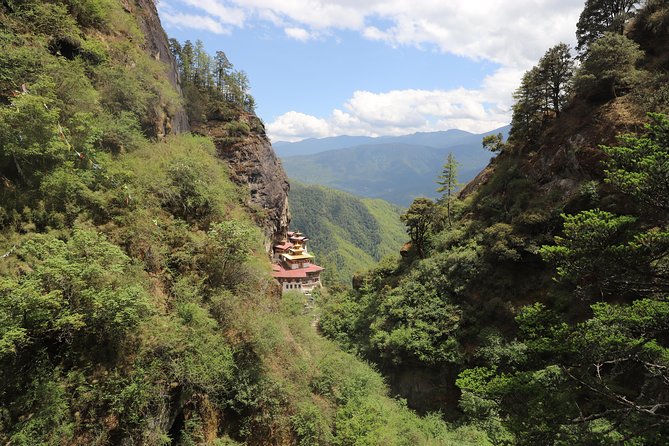
If your goal is to see Taktsang Monastery in a way that feels more earned than scheduled, I think this trek is worth serious consideration. The overnight camping changes the emotional arc of the trip. The included trekking chef and full equipment support reduce stress, and the two-day structure keeps it focused without turning into an all-week ordeal.
My decision checklist:
- Book it if you can comfortably handle uphill hiking and you’re okay with weather-dependent plans.
- Consider it less if you’re expecting a casual walk.
- Ask yourself if you want the standard Tiger’s Nest experience, or if you want the version that includes wild camping, sacred caves, and a viewpoint angle that most day-hike itineraries miss.
FAQ
How long is the Bumdrak Trek – Tiger’s Nest Monastery Overnight Trek?
It’s listed as a 2-day experience (approx.).
Where does the trek take place?
It takes place in Paro, Bhutan.
What time does the trek start?
The start time is 8:00 am.
Is pickup included?
Pickup is offered, and the tour starts from the Paro area.
What stops are included in the itinerary?
The itinerary includes Paro Taktsang and the Paro Airport Bird’s Eye View Point.
What’s included in the price?
Included are lunch (2), dinner (1), breakfast, coffee and/or tea (2) with snacks, camping equipment, all trekking equipment, and a trekking chef.
What isn’t included?
Alcoholic beverages aren’t included.
What happens if the weather is poor?
This experience requires good weather. If it’s canceled due to poor weather, you’ll be offered a different date or a full refund.