REVIEW · PARO
Bhutan Trip
Book on Viator →Operated by Bhutan Best InBound Tour · Bookable on Viator
A country this spiritual can still feel practical. In just 4 days centered on Paro, this trip threads together Thimphu, Punakha, and Paro with the big wow of the Tiger’s Nest hike plus a solid run of temples, dzongs, and viewpoints. I really liked how it mixes famous sites with quieter stops (like Chimi Lhakhang and Kyichu Lhakhang) so you don’t feel like you’re just rushing from postcard to postcard. I also like that you travel with a licensed English-speaking Bhutanese guide and a driver handling the driving and entry fees, which makes the whole thing feel low-stress. One possible drawback: the itinerary is weather-dependent, and the 4th day is mainly an airport drop, so you’ll want to plan your flight timing carefully.
You’ll spend 3 nights in 3-star accommodations and get three breakfasts, three lunches, and three dinners, plus the government-required SDF for Bhutan visa processing (for 3 nights/4 days). It’s a private tour, so it’s just your group, not a big bus full of strangers. And yes, you’ll walk—most notably the Paro Taktsang hike, listed at about 4 hours—so bring footwear you trust.
In This Review
- Key highlights that make this Bhutan trip worth your time
- A Paro-centered Bhutan loop you can actually fit into 4 days
- Thimphu temples: Tachogang Lhakhang views, Memorial Chorten, and Tashichho Dzong at dusk
- Buddha Dordenma and Dochula Pass: big Thimphu Valley outlook time
- Punakha Dzong and the river confluence: where Bhutan feels medieval
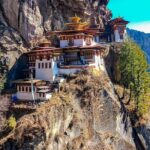
- Paro Taktsang hike: the Tiger’s Nest day that earns its legend
- Kyichu Lhakhang in Paro: a calmer temple stop with real age
- Your final day in Paro: the airport drop (so time your flight right)
- Price and value: what $1,143 really covers in Bhutan
- The human factor: guides, drivers, and how the trip actually feels
- Pacing, walking, and weather: the practical side of Bhutan sightseeing
- Should you book this Bhutan Best InBound tour?
- FAQ
- What is included in the tour price?
- How many days is the Bhutan trip, and how long are you in Bhutan?
- Is the tour private or shared?
- Are meals included, and which ones?
- What are the main sightseeing highlights?
- How long is the Tiger’s Nest hike?
- Do I need a Bhutan visa?
- What documents do you need for the Bhutan visa?
- Is there a single supplement?
- What should I do if weather is poor during the trip?
Key highlights that make this Bhutan trip worth your time
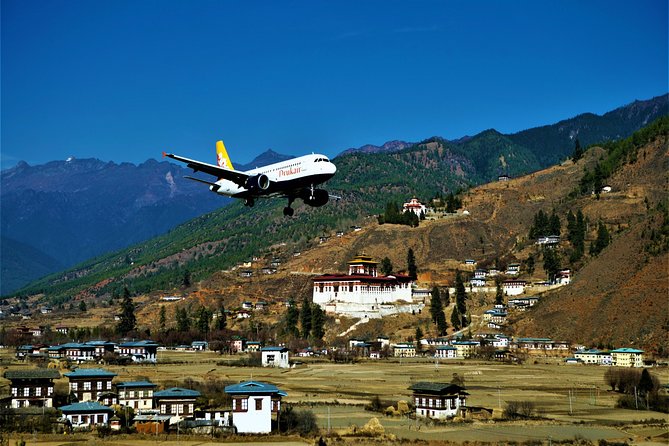
- Tiger’s Nest (Paro Taktsang) hike: one of Bhutan’s most iconic spiritual sites, built into the schedule as the centerpiece day
- Temple-and-dzong day flow: Tachogang Lhakhang bridge views, Thimphu Memorial Chorten, and Tashichho Dzong in the evening
- Buddha Dordenma + Dochula Pass panoramas: big overlooks in the Thimphu Valley with a scenic mountain pass stop
- Punakha Dzong at the river confluence: a “medieval Bhutan” feel with major sacred relic context
- Chimi Lhakhang and Kyichu Lhakhang: fertility-temple folklore and one of Bhutan’s older temple sites
- Visa and internal logistics handled: visa processing support, transportation, and entry fees included
A Paro-centered Bhutan loop you can actually fit into 4 days
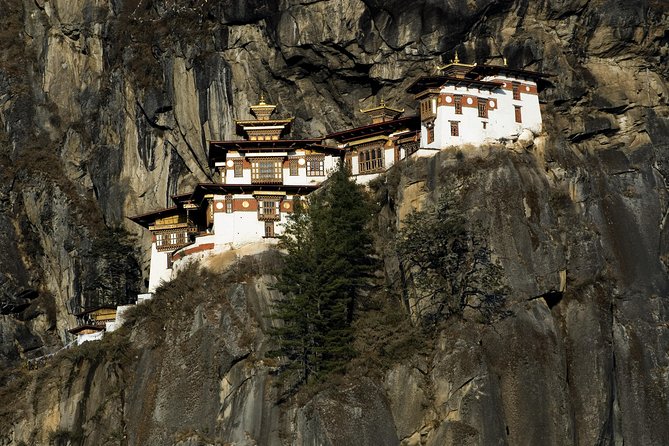
Bhutan is famous for long journeys. This trip takes the opposite approach: it gives you a concentrated taste without pretending it’s a month-long pilgrimage. You fly in and out of Paro, then spend your time moving through the central highlights—Thimphu first, Punakha next, and Paro last—so the driving makes geographic sense and you’re not zigzagging all over the country.
I like that it’s built around “enough” rather than “everything.” Some stops are short (30 to 45 minutes), but that’s often how you keep your energy for the real commitment days. In this case, the commitment day is Paro Taktsang: a proper hike to a holy site that’s worth meeting on its own terms.
If you want a totally laid-back vacation with no early starts, this may feel structured. But if you want meaningful Bhutan in a tight window, this format works.
You can also read our reviews of more tours and experiences in Paro.
Thimphu temples: Tachogang Lhakhang views, Memorial Chorten, and Tashichho Dzong at dusk
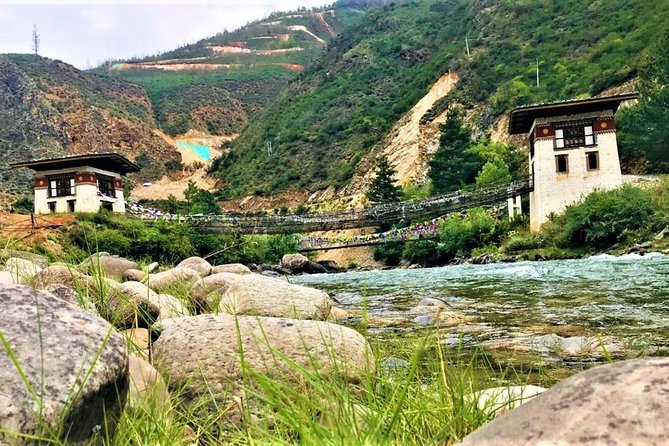
Your first day is all about orientation—where Bhutan’s spiritual and civic life overlap, and how that overlap shapes the feel of Thimphu.
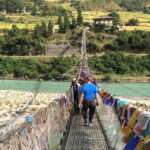
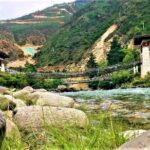
You begin at Tachogang Lhakhang Bridge, perched on a hilltop above the Pachu River. The payoff here is the vantage. Even when a stop is “only” 45 minutes, a hilltop view gives you bearings fast and makes the city feel real instead of abstract.
Next is Thimphu Chorten (Memorial Chorten), a stupa centrally located in the Thimphu valley. It’s free to visit, and the timing matters because a stupa isn’t just architecture—it’s a daily ritual space. You get a sense of how people move through sacred sites as part of ordinary life.
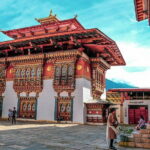
Then you finish with Tashichho Dzong (Thimphu Dzong) in the evening. This is a fortress that houses government offices, including the King’s throne room. The best part of visiting later in the day is the shift in mood: light changes, the place feels more solemn, and it stops reading like a museum stop.
Practical note: dress for temple respect (covered shoulders/legs is a safe bet), and expect walking that’s partly uneven and partly steep.
Buddha Dordenma and Dochula Pass: big Thimphu Valley outlook time
Day 2 gives you a “views day,” but not in a careless way. It’s the kind of scenery that actually pairs well with Bhutan’s spiritual rhythm.
You start at Buddha Dordenma in Kuenselphodrang, where the world’s tallest Buddha statue sits above the Thimphu Valley. The visit is about 30 minutes, which is just enough to take in the statue’s scale and then let your eyes travel outward across the city below.
After that, you head to Dochula Pass at 3,116 meters. This is a 360-degree panoramic stop, and it’s also free. High passes can feel chilly even when the valley is warm, so plan for layers. If weather is clear, the view is the whole point. If visibility is poor, the stop still matters—but you’ll have to work harder to appreciate it.
From there, you shift from wide-open mountain outlooks back to sacred ground at Chimi Lhakhang, known as the temple of fertility and tied to Drukpa Kunley, often called the Divine Madman. The point here isn’t just the legend—it’s how Bhutanese religious culture holds stories close to place.
Punakha Dzong and the river confluence: where Bhutan feels medieval
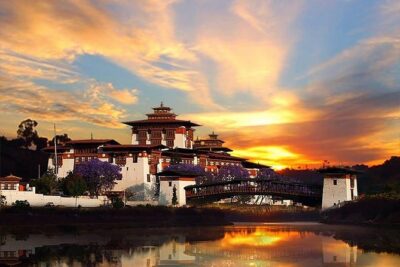
Punakha is where the trip starts to feel more like a storybook fortress day. You visit Punakha Dzong, built where the Phochhu and Mochhu rivers converge. This setting matters. Rivers in Bhutan aren’t just scenery; they’re part of the spiritual geography and the practical life of the region.
The schedule gives you about 45 minutes, and that’s enough time to take in the “aura of medieval Bhutan” without turning it into a checklist. Punakha Dzong is also noted for housing the country’s most sacred relic, Rangjung Kharsapani, which adds weight to why people keep coming back to this place.
If you’re the type who likes buildings for their details, you’ll enjoy the fortress vibe. If you’re more into the spiritual atmosphere, you’ll still get that—just give yourself a few minutes to stand still. Dzongs reward quiet attention.
Paro Taktsang hike: the Tiger’s Nest day that earns its legend
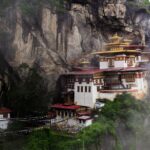
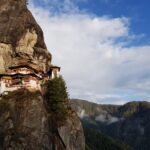
The heart of the experience is Paro Taktsang, also called the Tiger’s Lair. You drive from Punakha to Paro, then do the hike. The time listed is about 4 hours, which usually means you’ll have some uphill climbing, pauses for the views, and time to move around the monastery area once you arrive.
This is not a casual stroll. Even if you’re fit, start slow and keep your breathing steady. The reward is a holy site that has become a symbol of Bhutan for a reason: it’s visually dramatic, spiritually important, and tied to a legend that locals still treat with respect.
How to make this day better:
- Wear grippy shoes. Stone steps can be slippery, especially if weather shifts.
- Bring a light layer even if it seems warm earlier. Mountain conditions can change fast.
- Expect the day to feel long even if you only “plan” 4 hours. Set your expectations accordingly.
If the weather is bad, your operator may adjust plans, since good weather is required for the experience. So keep some flexibility where you can.

Kyichu Lhakhang in Paro: a calmer temple stop with real age
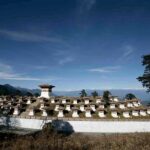
After the big hike, Day 3 keeps things more grounded with Kyichu Lhakhang, about 45 minutes. It’s described as one of the oldest temples in Bhutan, founded by Tibetan King Songtsen Gampo.
This stop is a good counterbalance: after Tiger’s Nest, you don’t need another huge climb to feel satisfied. Kyichu gives you something quieter and older, where the details of temple design and the atmosphere matter more than the adventure.
You’ll also hear practical, human notes embedded in descriptions like the fruiting orange tree and a footprint impression tied to the site. Even without chasing every detail, this kind of storytelling makes the temple feel connected to everyday life rather than sealed off from it.
Your final day in Paro: the airport drop (so time your flight right)
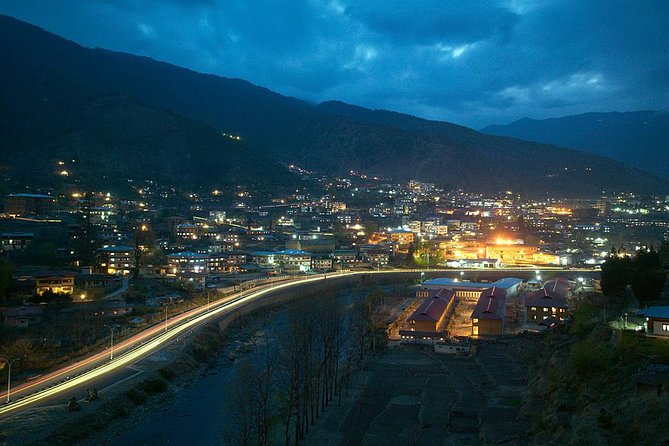
On Day 4, you’re dropped at the airport, and the tour ends back at the meeting point area. The schedule doesn’t describe a long sightseeing push here, so treat this day as travel buffer time, not a “bonus day.”
That means it’s worth double-checking your flight. If your departure is tight, you’ll feel rushed. If you have a comfortable time window, you can use the morning calmly.
The good news: the tour is private, so there’s less uncertainty about pickup timing inside the group.
Price and value: what $1,143 really covers in Bhutan
At $1,143 per person, this isn’t the kind of deal you compare to bargain group travel. It’s priced like a guided, government-regulated Bhutan experience—and that’s the point.
Here’s what’s included:
- Government SDF of USD 100 per person per night for 3 nights (required for Bhutan visa processing for this 3-night/4-day format)
- 3-star accommodations
- A licensed English-speaking Bhutanese guide
- Internal transportation (no internal flights)
- Entry fees to museums and monuments
- Bhutan visa support/processing
- Meals: 3 breakfasts, 3 lunches, 3 dinners
- Entry tickets for specified sites (listed stops include ticketed access where applicable)
So your money goes toward more than sightseeing. You’re paying for access, for the guide who can translate meaning (and not just point), for logistics that work in a mountainous country, and for the regulatory pieces that can be confusing on your own.
What’s not included:
- Travel insurance
- Alcohol and beverages
- Single supplement of USD 225
If you’re traveling solo and you hate single supplement costs, this might nudge you toward pairing up with a friend. If you’re okay paying for comfort and guidance, the total package is fairly structured and predictable.
The human factor: guides, drivers, and how the trip actually feels
This kind of tour lives or dies by the guide. The info you provided highlights that the tour is run by Bhutanese professionals, and multiple guide/driver names are tied to strong, smooth experiences.
I’ve seen mentions of staff like Thinley as tour manager, Tandin as guide, and Choda as the driver. Others include Nangay and Jigne as guide names referenced in strong experiences. The consistent theme: people were responsive, and the trip felt organized enough that the walking and timing didn’t take over the whole day.
Also, because it’s private, you can ask more specific questions—about what you’re seeing, why a temple is shaped the way it is, or how Bhutanese religious life connects to politics and daily routines. That’s where a licensed English-speaking guide adds real value.
Pacing, walking, and weather: the practical side of Bhutan sightseeing
Bhutan can be a “be ready for change” destination. Two schedule elements matter most here:
- The Paro Taktsang hike takes about 4 hours
- The experience requires good weather, and if it’s canceled for poor weather, you’ll be offered a different date or a full refund
So I’d plan your mindset like this: you’re choosing a plan, but you’re also accepting that mountain weather can force flexibility.
Packing suggestions that match what you’ll actually do:
- Supportive shoes for steep stone steps
- A light rain layer, because mountain weather can shift quickly
- A small day bag for water/snacks (though meals are provided on the schedule, you still may want personal supplies during hikes)
- Temple-appropriate clothing
Also, remember that some stops are short. That’s great for energy, but it means you should focus on the big moments: the view from Dochula Pass, the climb and arrival at Tiger’s Nest, and the fortress atmosphere at Punakha Dzong.
Should you book this Bhutan Best InBound tour?
You should book if:
- You want a 4-day Bhutan visit that hits Thimphu, Punakha, and Paro without turning it into chaos
- You care about religious sites (lhakhangs and dzongs) as much as about scenery
- You value having a licensed English-speaking Bhutanese guide handling the meaning and the logistics
- You’d rather pay a set price that includes visa processing pieces, meals, and internal transport than DIY it
You might skip or consider a different option if:
- Your schedule is too tight for weather changes or you don’t have flexibility with flight timing
- You don’t want any significant walking. The Tiger’s Nest hike is the main physical commitment here.
- You’re looking for luxury accommodations or lots of free time. This is structured and practical, built around key stops.
If you’re trying to get Bhutan in a limited window, this itinerary design makes sense. It doesn’t waste your days. It gives you the centerpiece hike, the major dzong experience in Punakha, and a clean return to Paro.
FAQ
What is included in the tour price?
The price includes the government SDF for Bhutan visa processing for 3 nights, 3-star accommodations, a licensed English-speaking Bhutanese guide, all internal transportation (excluding internal flights), entry fees to museums and monuments, Bhutan visa, and meals (3 breakfasts, 3 lunches, 3 dinners).
How many days is the Bhutan trip, and how long are you in Bhutan?
It’s approximately 4 days total, covering 3 nights in Bhutan, with the 4th day used for an airport drop.
Is the tour private or shared?
It’s listed as a private tour/activity, meaning only your group will participate.
Are meals included, and which ones?
Yes. The tour includes 3 breakfasts, 3 lunches, and 3 dinners.
What are the main sightseeing highlights?
Key highlights include Paro Taktsang (Tiger’s Nest), Punakha Dzong, Tachhog Lhakhang area stops including Chimi Lhakhang, Thimphu sites like Memorial Chorten and Tashichho Dzong, plus Buddha Dordenma and Dochula Pass.
How long is the Tiger’s Nest hike?
The Paro Taktsang (Tiger’s Nest) hike is listed at about 4 hours.
Do I need a Bhutan visa?
Yes. Bhutan visa processing is included, and the tour notes that Bhutan visa is for the 3-night/4-day format.
What documents do you need for the Bhutan visa?
You need 1) a copy of your passport (valid for at least 6 months), 2) a passport-sized photograph with a white background, and 3) the requested details like marital status, country of birth, nationality by birth, current address, telephone number, and occupation.
Is there a single supplement?
Yes. A single supplement is listed as USD 225.
What should I do if weather is poor during the trip?
The experience requires good weather. If it’s canceled due to poor weather, you’ll be offered a different date or a full refund.