REVIEW · PARO
Druk Path Trek: Discover The Raw Natural Beauty of Bhutan
Book on Viator →Operated by Bhutan Best InBound Tour · Bookable on Viator
Bhutan on foot starts here. This Druk Path Trek connects the dry Paro valley to the greener hills above Thimphu, with monastery stops and a trail you start near your first landing point. I also like that the trek schedule includes an acclimatization hike to Taktsang (Tiger Nest) before the longer hiking days, and that trip paperwork can be handled smoothly by Thinley with guiding by Rinzin once you’re out on the trail.
Two things I’m especially fond of: the way the route mixes big Bhutan sights (Paro’s dzongs, Taktsang, Thimphu’s Phajoding sunrise, and the Buddha Dordenma) with the quieter hiking stretch from Damchena toward Thimphu; and the fact that your camping setup is handled for you, including tents, dining gear, toilet tents, and even ponies for luggage so your body can focus on the climb.
One consideration: this trek is best for people with moderate fitness and comfort walking steep parts, and a key comfort item—your sleeping bag—is not included. If you run cold at night, plan on bringing your own.
In This Review
- Key highlights worth your attention
- Paro to Thimphu in one smooth arc
- Day 1 in Paro: watchtower museum and Rinpung Dzong
- A practical tip for this day
- Taktsang (Tiger Nest) hike: acclimatization with a view
- What to expect
- Day 2 into Day 3: stepping from Paro history into the Druk Path
- Day 4: Tshokam to Jigmelangtsho and the dwarf rhododendron zone
- How to handle the day
- Day 5: Janetsho Lake, yak herder camps, and open trail time
- Day 6: Phajoding sunrise and Thimphu’s spiritual finish
- Day 7: back to Paro and a calm goodbye
- Camping comfort that actually matters on a trek
- Food and pace: how the trip keeps you moving
- Price and what you truly get for $2,200
- Who this trek suits best
- Should you book the Druk Path Trek?
- FAQ
- What is the total duration of the Druk Path Trek?
- Where does the trek start and end?
- When can I travel for this trek?
- What are the key included meals and camping items?
- Is airport pickup and private transportation included?
- Do I need to bring a sleeping bag?
Key highlights worth your attention
- Start from Damchena (Paro) to Thimphu, skipping long drive time so you get moving fast after arrival
- Taktsang (Tiger Nest) before the trek to help your body settle in to altitude
- Jela Dzong and alpine monastery views as you climb from 2,900m toward higher camps
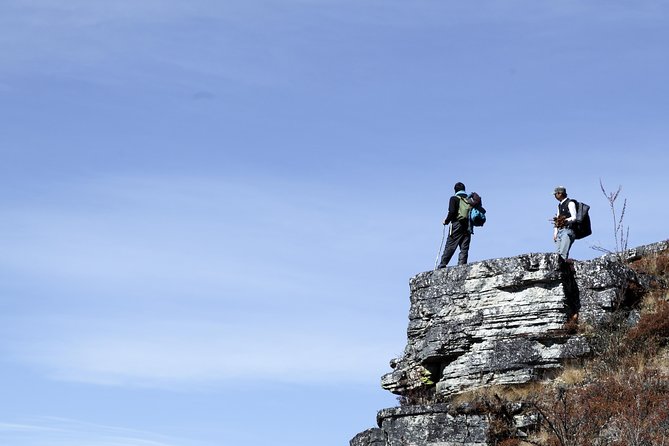
- High-point hiking at Tshokam (3,770m) to Jigmelangtsho (3,900m) through dwarf rhododendron zones
- Janetsho Lake + yak herder camps on the trail day when the scenery turns more open
- Phajoding sunrise and the Buddha Dordenma finale to cap the trek with big spiritual moments
Paro to Thimphu in one smooth arc
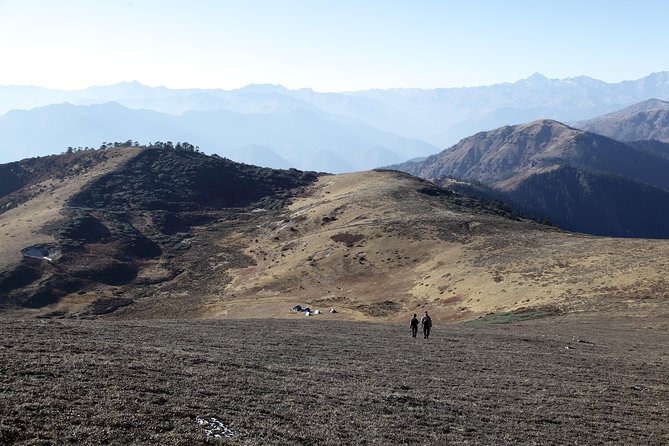
The biggest value of the Druk Path Trek is that it feels like a single story: you arrive in Paro, see a couple of cultural anchor points, then you start hiking right away from the Damchena area. You’re not spending your whole trip buried in transfers and waiting, which matters in Bhutan where travel days can chew up your energy.
The overall trip runs about 7 days. The hiking part itself is described as a 4-day trek, typically from Damchena (Paro, ~2,900m) to Thimphu (or the reverse). That’s a smart design for most people: you get time outdoors without the long, exhausting “all-week on the trail” feeling.
Timing also matters. This trek is feasible in late February to May and September to December. Those windows can help you find workable hiking weather and clearer days for mountain views. If you’re flexible on dates, you’ll have an easier time matching your trip to conditions.
You can also read our reviews of more hiking tours in Paro
Day 1 in Paro: watchtower museum and Rinpung Dzong
Day 1 sets the cultural tone in Paro, and it’s more than a quick photo stop.
First is the National Museum, in an old watchtower above Paro Dzong. Inside, you’ll see collections that include thangkas (religious scroll paintings) and bronze statues, which is a practical way to understand what you’re about to see spiritually around the country. This kind of stop gives context: when you later look at monasteries and sacred sites, you’re not just admiring buildings—you’re seeing art and belief systems that shape them.
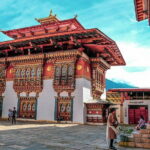
Next, time permitting, you may also visit Paro Dzong itself, built in 1644 by Shabdrung Ngawang Namgyal. Then you drive to Rinpung Dzong, often described as the Fortress on the Heap of Jewels. Both sites are good for people who like structure and symbolism: dzongs are built for defense, administration, and religion all at once, and that combination is obvious when you see the complex up close.
A practical tip for this day
This is a day where you can keep your schedule calm. If you’ve just arrived, don’t over-plan anything after the museum and dzong time. Save energy for the next day’s climb.
Taktsang (Tiger Nest) hike: acclimatization with a view
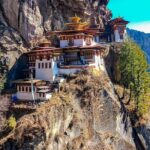
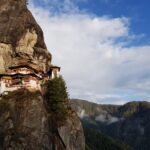
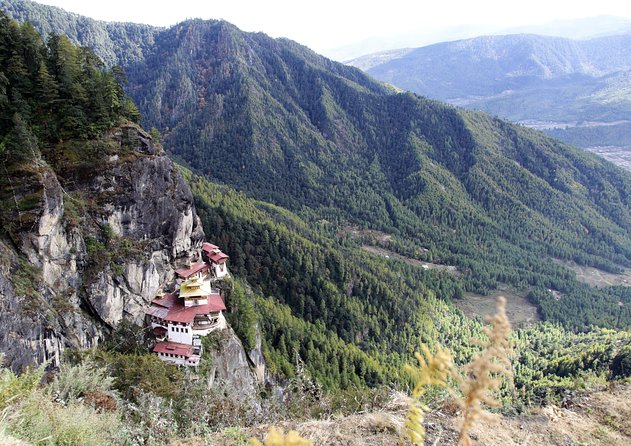
Before the trek proper, you’ll do the Taktsang (Tiger Nest) hike. The schedule includes a steep 1.5-hour climb to a teahouse, where you can enjoy views of the monastery perched on a cliff about 2,700 feet above the valley floor.
Why this matters for your trip: it acts like a gentle dry run for the physical style of the days ahead. The trek’s later hiking climbs from around 2,900m up toward 3,900m, so building rhythm early helps. You’re not just getting a landmark—you’re giving your body practice with steep uphill walking.
Also, Taktsang is one of those Bhutan sites where the spiritual gravity hits you fast. Even if you’re not into temples, you’ll notice how the path and the teahouse stop create a natural pause. Take that pause seriously. Hydrate, rest, and enjoy the fact that you’re moving upward toward a place people consider sacred for generations.
What to expect
The walk is described as steep. If you have knee issues or dislike long uphill steps, this is the day to go slow and steady. The teahouse stop is a good benchmark: if you feel okay there, the trek days are more likely to feel manageable.
Day 2 into Day 3: stepping from Paro history into the Druk Path
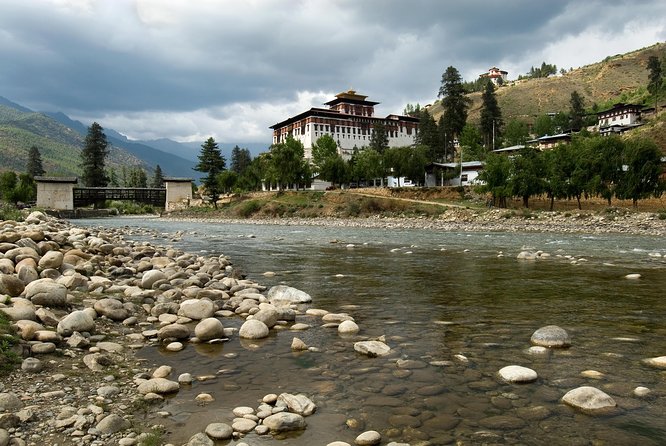
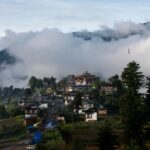
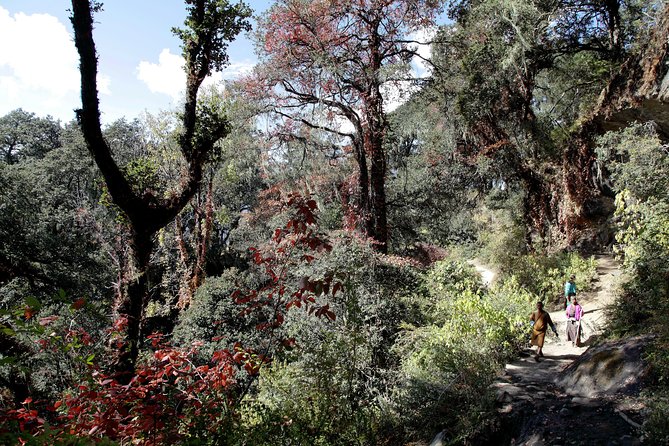
On the trek start day, you begin at Damchena in Paro (~2,900m). From there, the route leads to Jela Dzong, described as a petite monastery perched on a lush hill with big vistas.
This segment is a classic Bhutan rhythm: you’re moving from a valley town feel into a hiking world where monasteries appear like they were put on the hills for a reason. The day is timed around a longer walking session—listed as about 7 hours—so you’ll want a steady pace from the start rather than sprinting early.
Jela Dzong is worth paying attention to because it’s not a giant “busy tourist stop” kind of sight. It’s portrayed as tranquil, which helps you transition mentally from village sightseeing into trek mode.
Day 4: Tshokam to Jigmelangtsho and the dwarf rhododendron zone
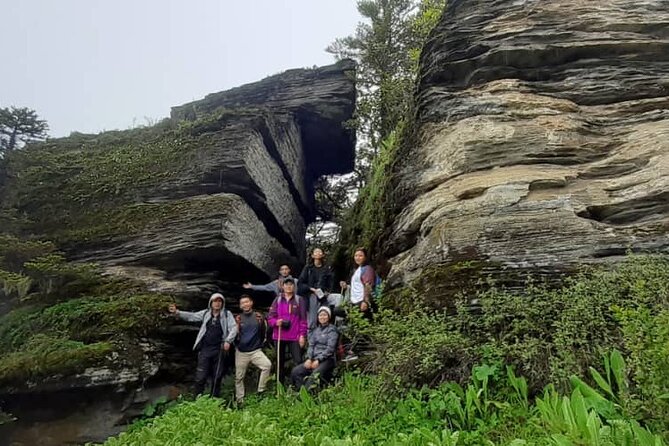
Day 4 is one of the more altitude-forward days on the route. The trek goes from Tshokam (~3,770m) to Jigmelangtsho (~3,900m), with about 6 hours of hiking.
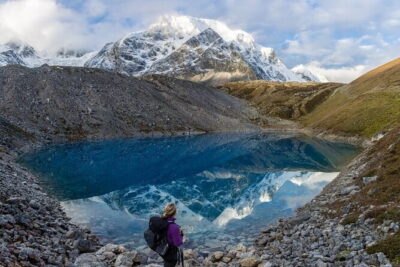
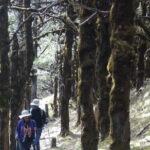
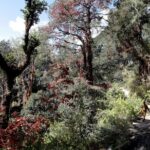
The description focuses on the vegetation changes as you climb. You’ll pass through lush alpine forests, then you’ll see dwarf rhododendron trees as you ascend. That shift matters: it’s one of the ways your eyes can track elevation changes even when the trail itself feels similar.
Leaving the tree line behind is often where hiking starts to feel more exposed. You’ll likely have wider views and less cover from wind, and that affects comfort. It’s also the part of the trek where your body notices the thinner air more clearly, simply because you’re higher.
How to handle the day
Take shorter breaks. If you stop often, keep them brief. At higher altitude, long rests can sometimes make it harder to get going again.
Day 5: Janetsho Lake, yak herder camps, and open trail time
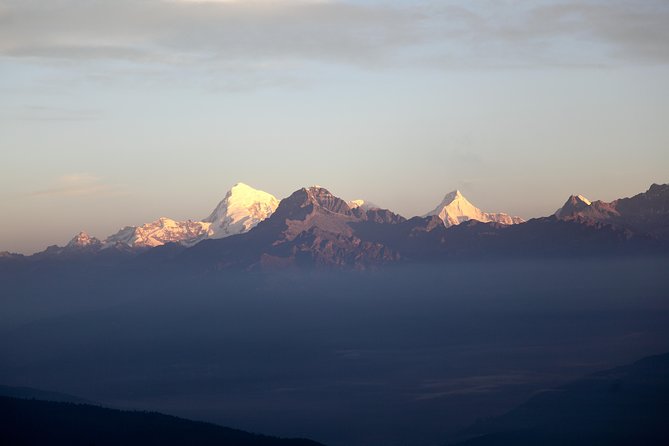
Day 5 pushes you into a scenic, slightly more “open Bhutan highlands” feeling. The day is described as a ~5-hour trail through dwarf rhododendron trees, with the serene Janetsho Lake as a highlight.
Along the way, you’ll see cozy camps of yak herders. That detail is important because it means the trek isn’t only about passing nature; it’s about moving through a working pastoral landscape. You’re not just watching wildlife from afar—you’re walking through the same routes and environments that support herding life.
Janetsho Lake also works as a mental reset point. Lakes at altitude tend to slow people down. Use that slowdown. Eat well, hydrate, and take a few minutes to watch cloud movement over the water if the sky allows.
Day 6: Phajoding sunrise and Thimphu’s spiritual finish
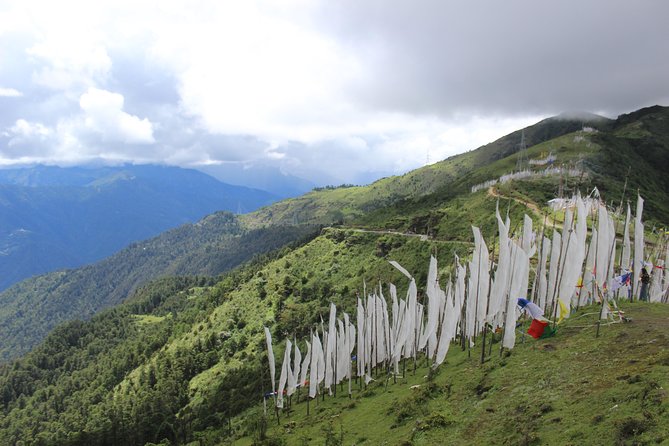
Your final hiking day starts with a sunrise treat from Phajoding, where dawn paints the sky and you then descend toward Thimphu valley with a walk listed around 3 hours.
Sunrise hikes are a gamble in any country, but here the payoff is part of the plan. Phajoding is chosen specifically because it delivers a time-based experience: you’re not just walking for distance. You’re walking for timing—early light, changing color, and cooler air.
After you reach Thimphu, the trip adds a big cultural endpoint: Buddha Dordenma at Kuensel Phodrang. The statue is described as the tallest sitting Buddha at 51.5 meters. This is the kind of finale that gives your brain something simple to focus on: one massive form, one clear sightline, and a chance to reflect on what you did in the hills for several days.
Day 6 also includes an included visit time of 30 minutes at Buddha Dordenma, so don’t expect a long museum-style experience. Think of it as a clear, structured stop before your wrap-up.
Day 7: back to Paro and a calm goodbye
On the final day, you drive back to Paro and your guide and driver bid farewell. The drive time is listed as about 2 hours.
This is a good ending pace. You finish the trek, get your feet back under you, and then you return for one last look at Paro without adding another big excursion. It also helps if you’re planning your international travel the next day—your body isn’t thrown into one last all-day activity.
Camping comfort that actually matters on a trek
This trek is not “hike with whatever you can carry.” It’s a proper supported camp setup.
Included gear covers:
- Sleeping tents, dining tents, and toilet tents
- Trekking and camping equipment
- Food items and all meals: breakfast (6), lunch (6), dinner (6)
- Ponies for luggage, which reduces the load on your back
- A certified guide and private transportation
That combination changes how you experience the trail. When you don’t have to carry all your camp needs, you hike with a lighter backpack, which makes a steep day feel less punishing. Toilet tents also mean you’re not improvising in the bushes at night, and dining tents mean there’s a real place to eat warm food and reset.
One thing to plan on: a sleeping bag is not included. If you’re going in cooler months (and this trek runs in winter-to-early-spring windows too), you’ll want a bag that fits your comfort level. Don’t leave that to chance.
Food and pace: how the trip keeps you moving
Meals are included for six days each of breakfast, lunch, and dinner. That’s a lot of help because it means you don’t spend the trek thinking about where you’ll eat next. Your schedule can stay hiking-focused.
The trek also has a consistent pace structure: you’re not doing the maximum longest day every single day. The hiking blocks run roughly:
- Day 3: about 7 hours
- Day 4: about 6 hours (and higher)
- Day 5: about 5 hours
- Day 6: about 5 hours total including the sunrise/descent structure
That’s a pattern that tends to work well if you’re aiming to enjoy the views without turning every day into a slog.
Price and what you truly get for $2,200
At $2,200 per person, this is not a budget trek. But you can judge it as a supported Bhutan experience, not as just “a few days of walking.”
What you get included:
- Certified guide
- Private transportation and internal taxes & Bhutan visa
- Government SDF of USD 100 per person per night
- Camping setup: tents and toilet tents
- Meals: breakfast (6), lunch (6), dinner (6)
- Ponies for luggage
- Trekking and camping equipment
Not included:
- Travel insurance
- Airfare (international and domestic)
- Single supplement of USD 500
- Sleeping bag
So the value question comes down to this: are you comfortable paying for logistics and support so you can focus on the trek? If yes, the package makes sense. If you’re trying to do this as self-guided hiking only, you’ll end up paying in other ways and taking on more risk.
Also note that it’s a private tour/activity, meaning it’s built for your group rather than a random mixed crowd. That often improves pacing and comfort, especially on narrow trails or during sunrise.
Who this trek suits best
This fits people who want the classic Bhutan mix—monasteries, stone-and-spirit architecture, and real hiking—without doing the heavy lifting of logistics.
You’ll likely enjoy it most if:
- You have moderate physical fitness
- You like steady uphill days and don’t mind steep sections
- You want a supported trek with camp setup and meals handled
- You care about combining cultural stops with hiking, not just one or the other
If you’re very new to hiking or have tight time constraints that don’t allow rest, you might find the steep Taktsang hike and the altitude jump up to ~3,900m a bit challenging. This doesn’t mean it’s impossible—it just means you should go in with honest expectations and take breaks seriously.
Should you book the Druk Path Trek?
I’d book it if you want a trip where the hiking days feel earned, but your comfort on the ground is still taken care of—tents, toilets, meals, and luggage support. I’d also book it if you like the idea of starting close to Paro, getting cultural grounding right away, doing Taktsang as acclimatization, then spending the core days walking through high hills toward Thimphu.
Skip it (or re-think it) if you’d rather travel light and self-manage everything. Also, if you run cold, don’t forget the one item that isn’t provided: bring a proper sleeping bag.
FAQ
What is the total duration of the Druk Path Trek?
The program is about 7 days (approx.). It includes a 4-day trek section within that time, plus cultural activities and the final drive back to Paro.
Where does the trek start and end?
The trek typically starts at Damchena in Paro (~2,900m) and ends at Thimphu, or vice versa depending on the direction of your trek.
When can I travel for this trek?
This trek is feasible from late February to May and from September to December.
What are the key included meals and camping items?
Meals included are breakfast (6), lunch (6), and dinner (6). Camping support includes sleeping tents, dining tents, and toilet tents, plus trekking and camping equipment and food items.
Is airport pickup and private transportation included?
You’re offered pickup, and the package includes private transportation. The meeting point is Paro International Airport (Airport Road Paro).
Do I need to bring a sleeping bag?
Yes. A sleeping bag is not included, so you’ll want to bring your own.